Author: theMan

  • Magic At First Light

    MorningFieldA

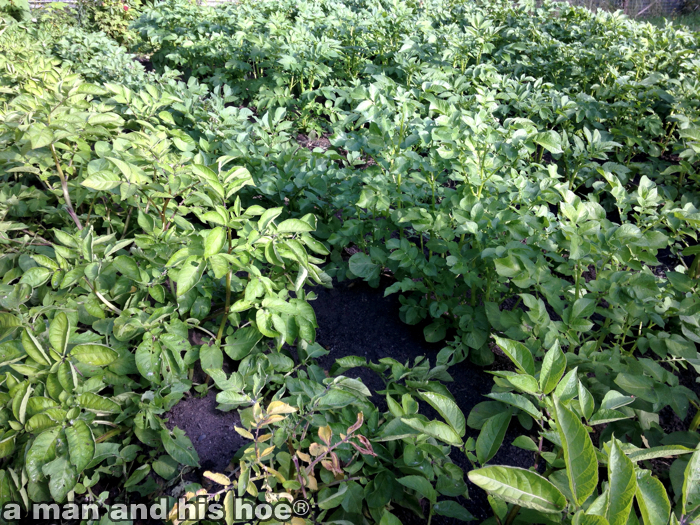
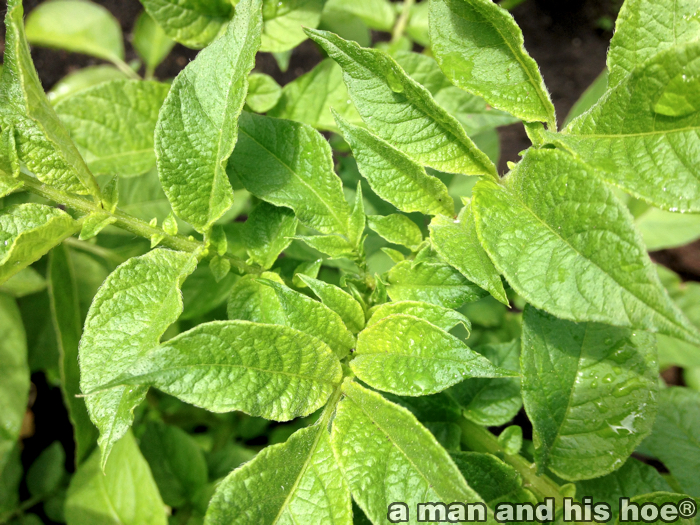
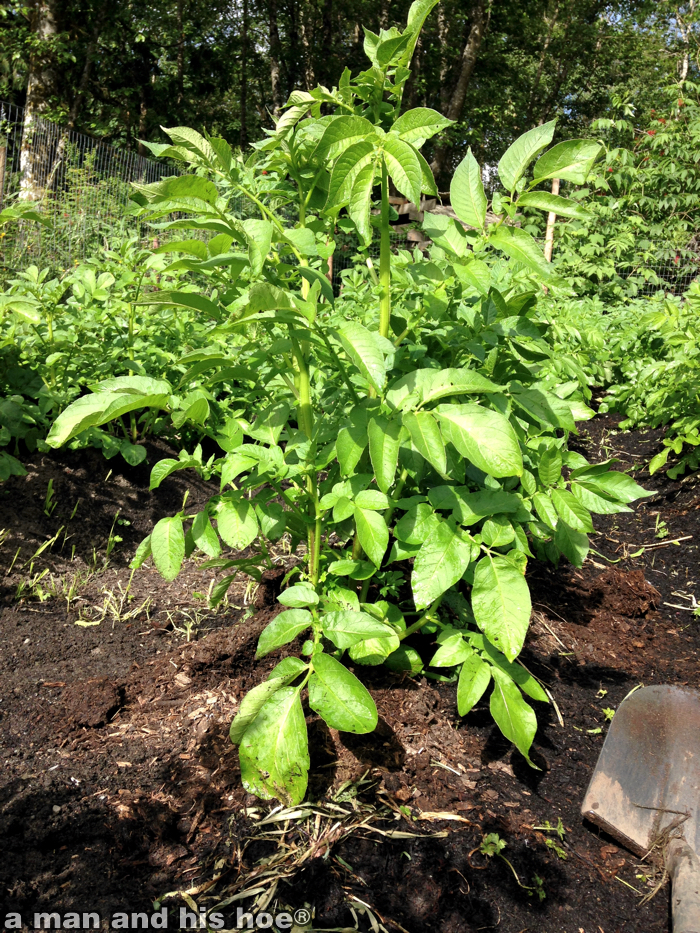
    Few things are as magical as standing in a potato field when the first rays of the sun clear the trees. How do these plants take sunlight, mix it with nutrients in the ground, and make potatoes? It’s like magic. And they do it while looking beautiful to boot. It’s surprising that city parks don’t have huge beds of potatoes. Lining paths and walkways with potatoes would go a long way to relieving the stresses of living in the city. Imagine walking to work and being able to stroll through rows of waist high potatoes the whole way. You’d arrive at work refreshed and with a good attitude. You can’t walk through a potato field and stay sad. It’s just not possible.

    MorningFieldB
    MorningFieldC

  • Wood Drying – The Show Must Go On

    DryingWoodA

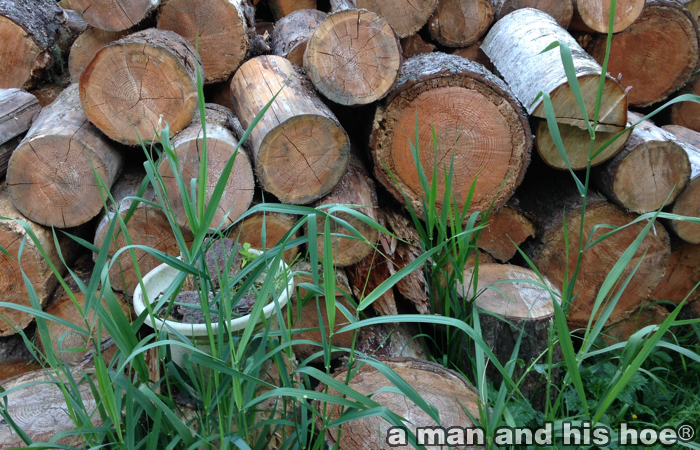
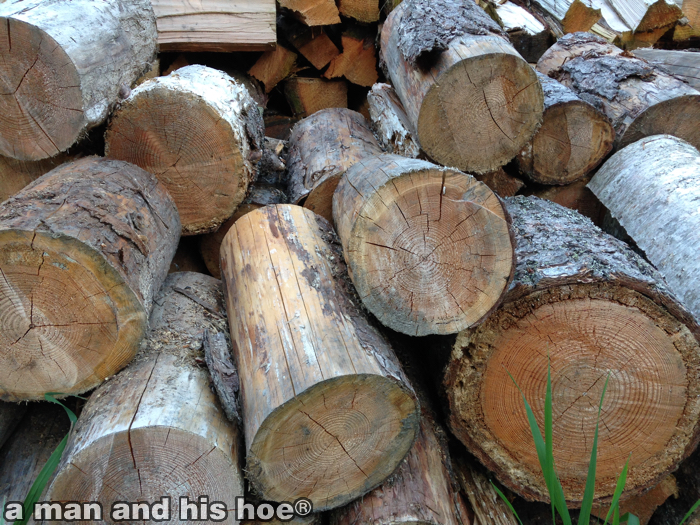
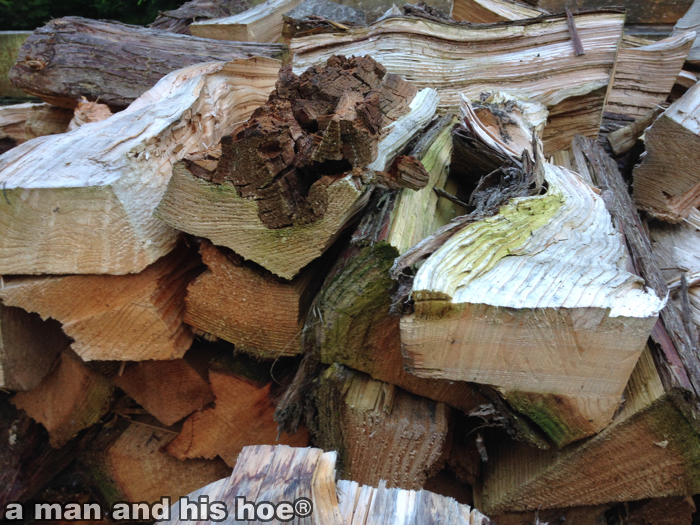
    If you look at wood drying long enough, you can see it change color. Day by day, the sun, the wind, and the rain, bleach, dry, and stain the wood. The show goes on until this coming winter, when the wood will burn in the wood stove, putting on one last dazzling show of brilliant yellow, white, blue, green and red flames.

    DryingWoodB
    DryingWoodC

  • Do Pumpkins Fly?

    PumpkinA

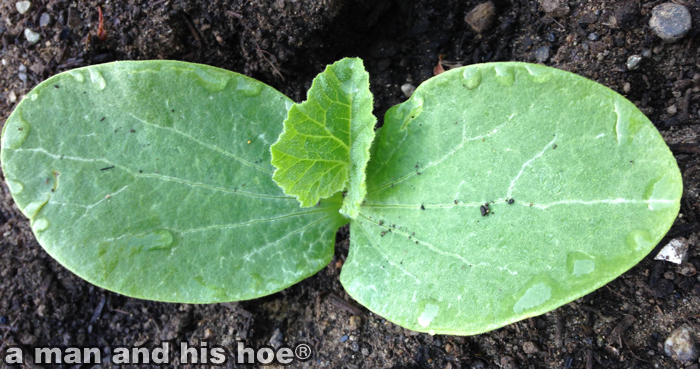
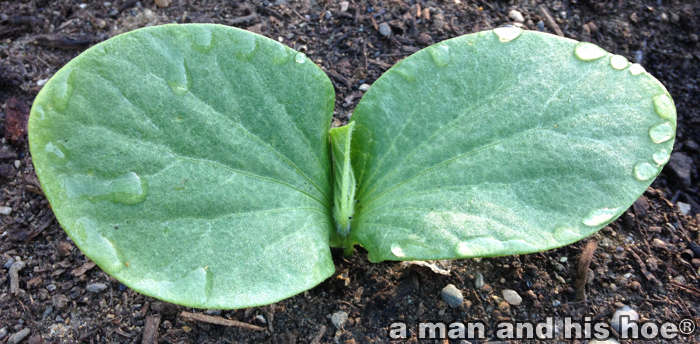
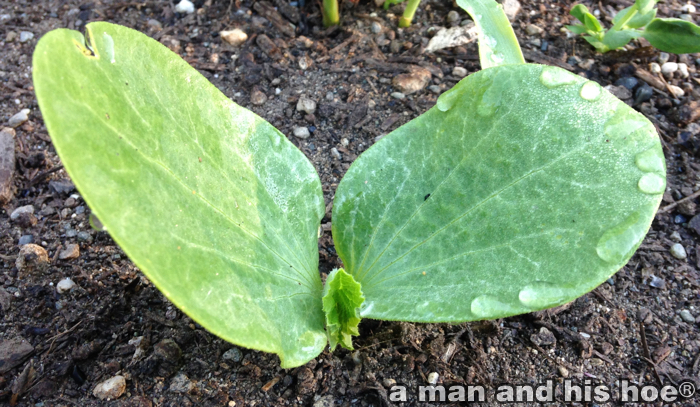
    Do pumpkins fly? They sure look like they do when they spread their first leaves. They look like they’re spreading wings as they pop out of the ground. A few flaps and off they go.

    PumpkinB
    PumpkinC

  • Skunky Today

    Skunky150607A
    SkunkyApril2
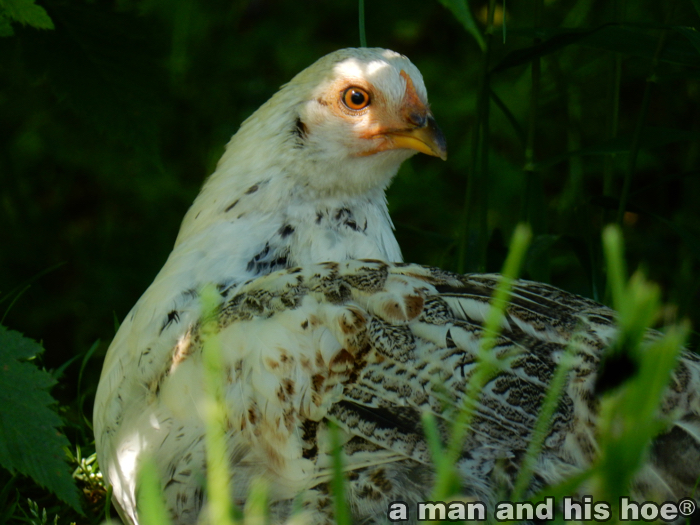
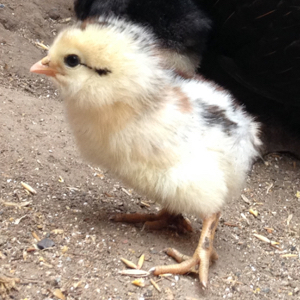
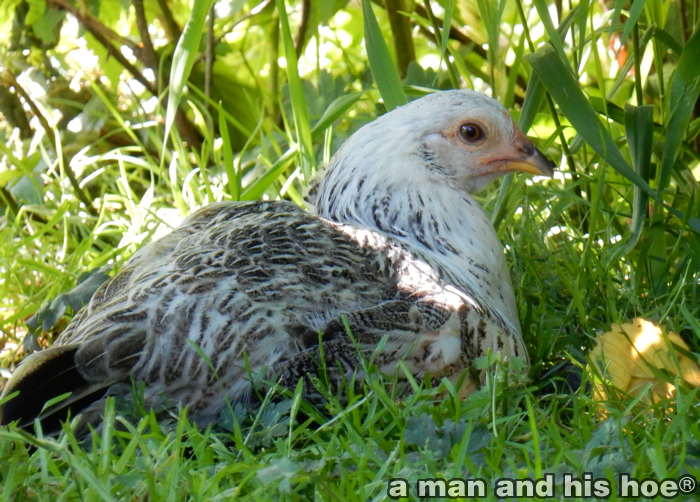
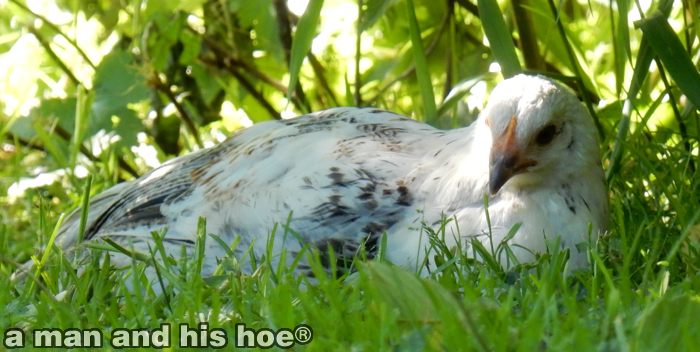
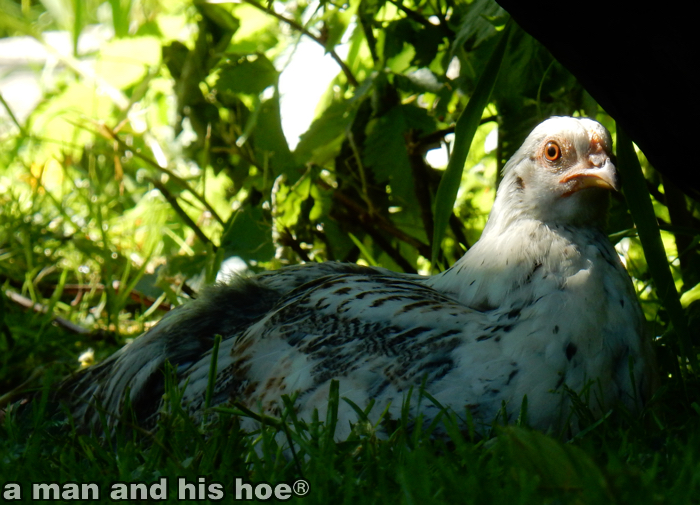
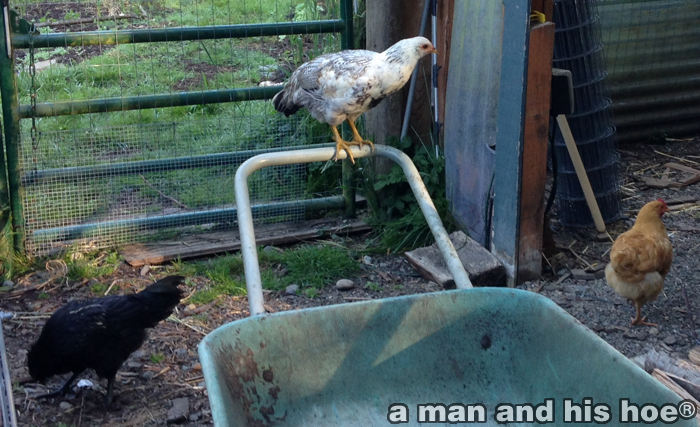
    Little Skunky is nearly grown up. There is just a hint of the eyeliner she had as a chick. The skunk stripes on her back are now cascades of black and gray and white feathers with tinges of brown. It’s quite a transformation she’s gone through from chick to young hen. This fall she should lay her first egg. Next spring, will she become a mother?

    Skunky150607B
    Skunky150607C
    Skunky150607D
    Skunky150607E

  • With a Whole Lot of Little Helpers

    BeeInFlowerA

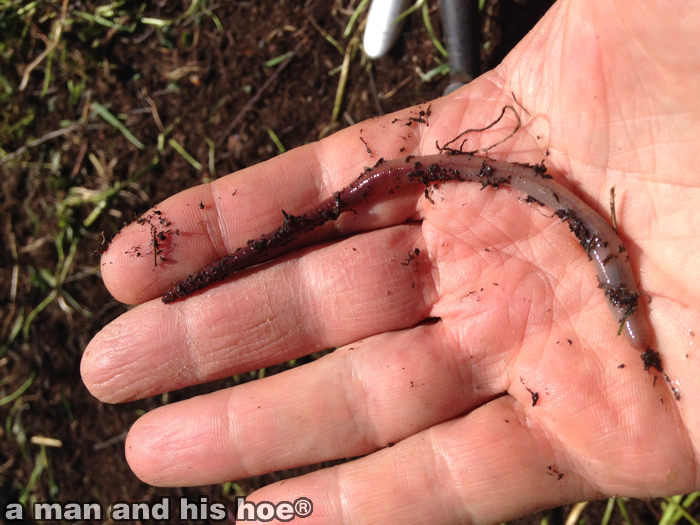
    The bees are everywhere these days. Just one of the many little helpers that make our lives possible. If it weren’t for bees, we couldn’t exist. Without ants, we wouldn’t be. Without plankton and plants, we wouldn’t have oxygen to breathe. When you step outdoors and touch the soil with your toes, right beneath your toes are thousands of microscopic nematodes, little wriggling worms, which eat bacteria and fungi and leave behind nutrients at the roots of plants so the plants can grow. Without these bacteria and fungi eating microscopic worms, we wouldn’t have grasslands, brush, woodland, or forests. We owe everything to a whole lot of little helpers.

    BeeInFlowerB