Author: theMan

  • Walking Home

    WalkingHomeA
    WalkingHomeB

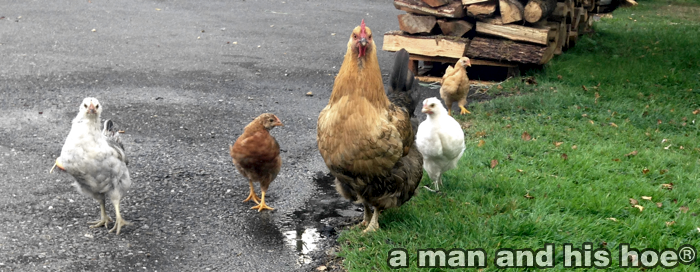
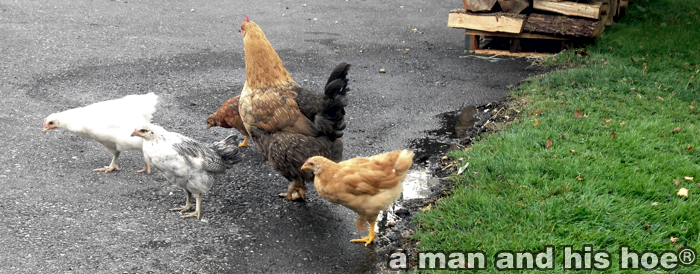
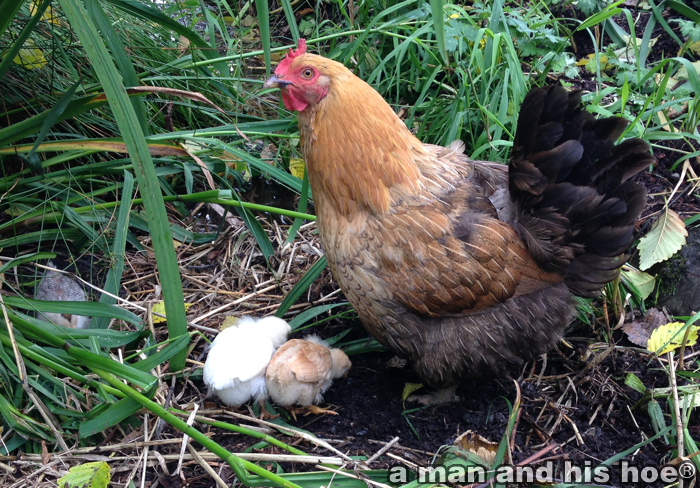
    Six weeks ago these chicks were tiny balls of fur. Now they are half the size of their mother and will soon be on their own. At this size, much of the time they are the ones leading their mother. Six weeks ago, they stayed as close as possible to her, following her every move. Another four to five months, the hens will be laying eggs and the roosters doing what they like to do. Below is what they looked like five weeks ago.

    FiveWeeksAgo

  • Autumn Sky

    AutumnSky

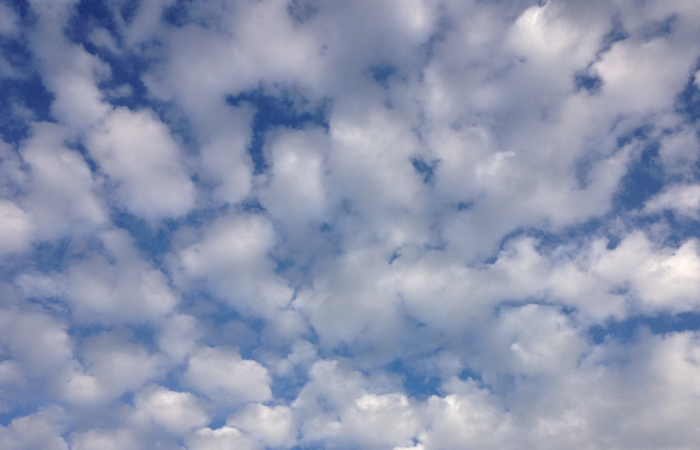
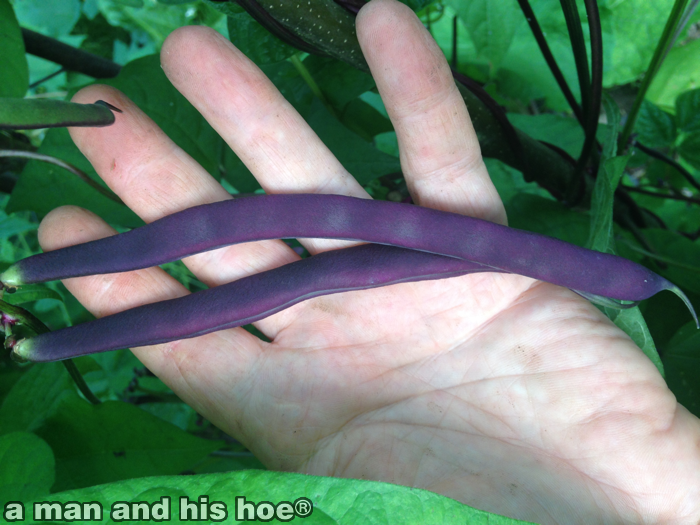
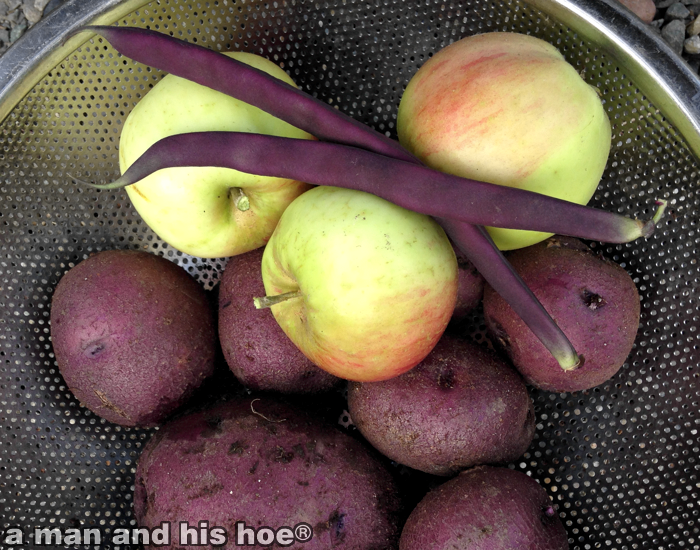
    An autumn sky greeted me when I went out this evening to gather eggs, check on the chickens and get some produce for the table. Look at the Dow Purple Pod pole beans. What beautiful color. These are what the world needs more of. How could anyone be sad with such gorgeous, delicious beans in their hands?

    The wonderful thing about these purple beans is that their vines and flowers are beautiful too. They are worth growing just for the brilliant color of their vines and flowers. They could be planted at bus stops, in city parks, by telephone poles, and along fences. Their bright green leaves and brilliant purple vines would bring smiles to millions.

    In city parks, when their purple flowers are in full bloom, people could have picnics under the vines and toast the colorful blooms. And in late summer when their long, purple pods hang heavy and full with beans, everyone could put on purple clothes to celebrate and gather them. Neighborhoods could close their streets, have block parties and serve dish after dish of purple pod beans.

    PurplePodBeans
    OutOfTheGarden140827

  • Late Summer Surprise – Out of the Woods

    MotherAndChicks140826A

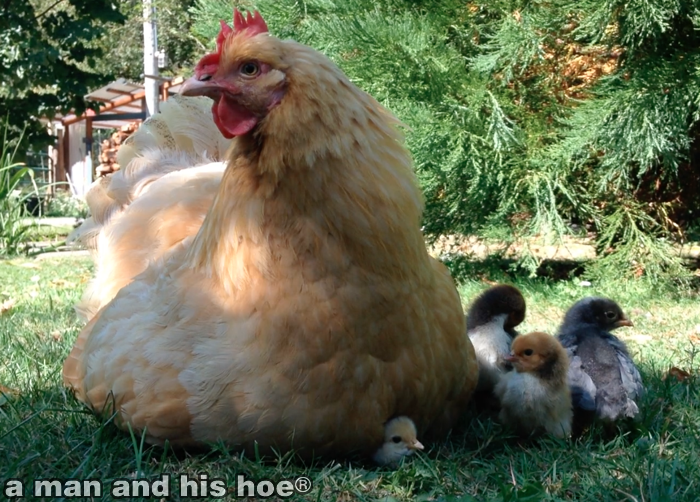
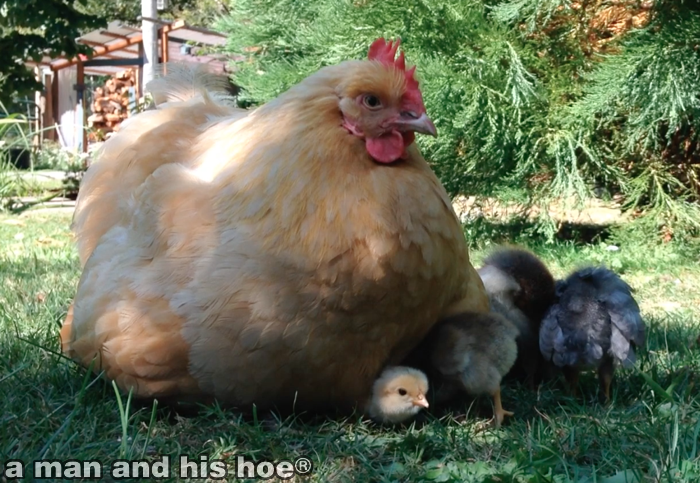
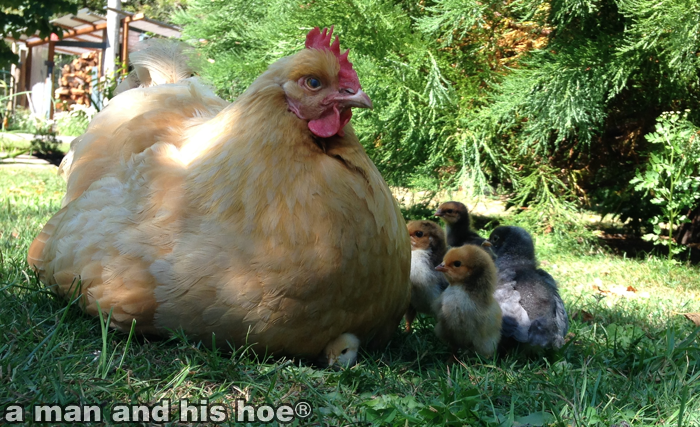
    This afternoon, when I went out to collect eggs and check on the chickens, I spotted a hen with chicks taking an afternoon break in the shade of a mimosa tree. The chicks were just a few days old and it wasn’t one of the hens sitting on eggs in the coop. It was a hen who had hatched her chicks in the brush somewhere and was bringing her chicks around for food and water for the first time.

    Recently, there had been a hen who acted very broody when she came into the chicken yard to feed, but I never did see her sitting on eggs. Now I know why. She had a clutch of eggs in the brush or woods somewhere. It makes me wonder how many other hens will come popping out of the woods with chicks in tow.

    MotherAndChicks140826B
    MotherAndChicks140826C

  • The Taste of Fall

    ApplesRipening140825A

    The nights are getting cooler. Fall is just around the corner. The ripening apples are good enough to eat now. A week or two from now, they will be perfect. This year the trees are loaded. With all the sunshine we’ve had this summer, their flavor is intense. Once you pick an apple off a tree, fresh to eat, picking them out of a bin in a store seems so drab.

    ApplesRipening140825B
    ApplesRipening140825C

  • Colors of Farming

    Colors140824A

    These are strips of alder bark, left over from making fence posts. When I first peel them off the alder logs, the insides of the bark are a light, cream color. As they dry in the sun, they turn bright red, which is why they are called Red Alder.

    From the Slater Museum:

    Alders are among the few higher plants that have the special ability to fix nitrogen, so they can take atmospheric N2 and convert it to ammonia (NH3), which then is available to be used in nucleotides and amino acids, basic building blocks of life. Thus these plants can grow on newly created soils that lack the nitrogenous compounds that act as natural sources of nitrogen for most plants.

    Which explains why alder trees grow like weeds here. In just ten to twelve years they grow to be 40 foot tall trees a foot or more in diameter, so they are very useful trees.

    Colors140824B
    Colors140824C