Author: theMan

  • Feather Art

    FeatherArt2

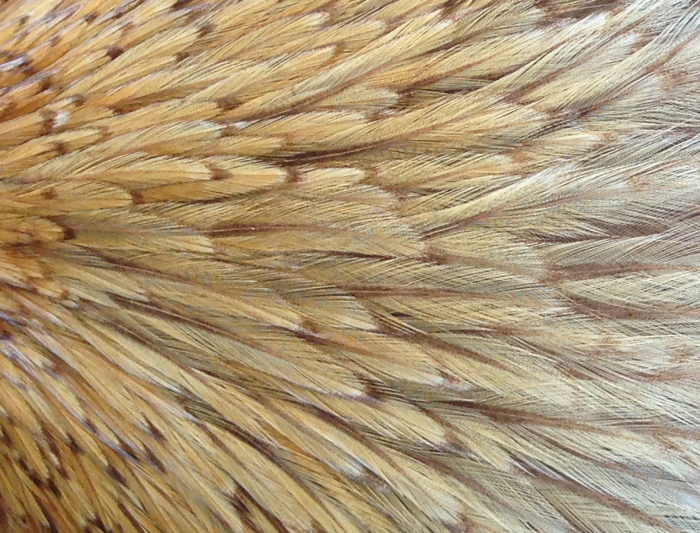
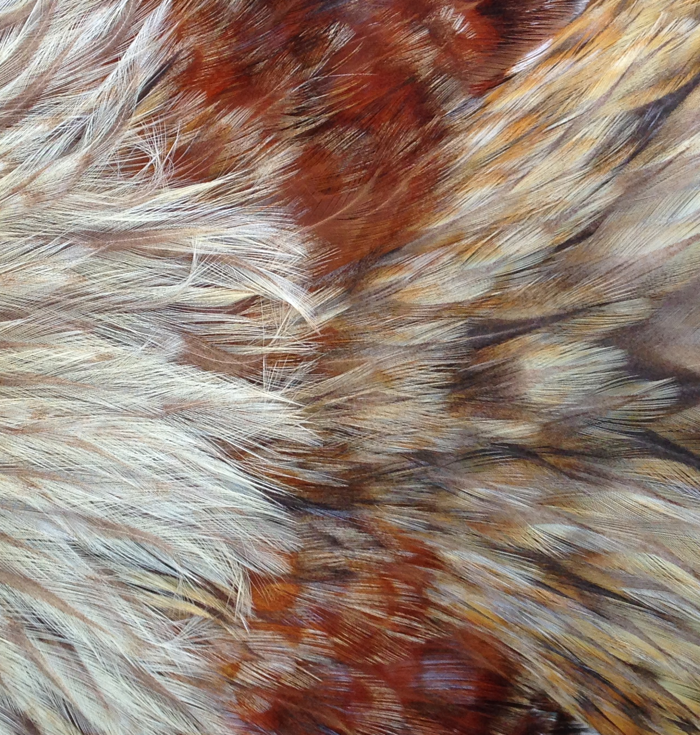
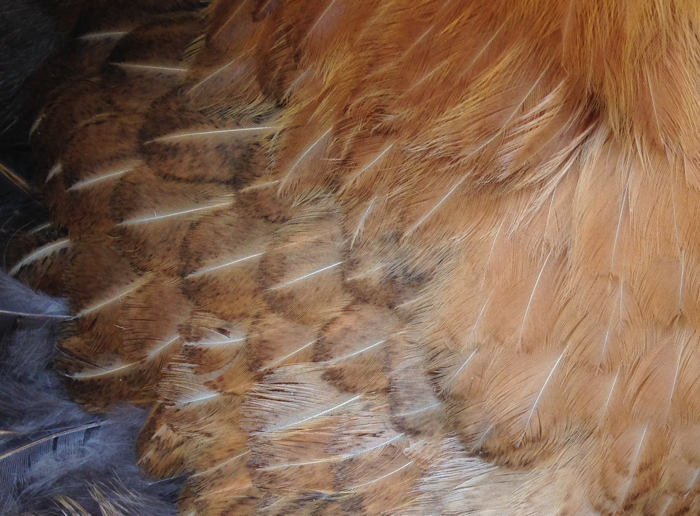
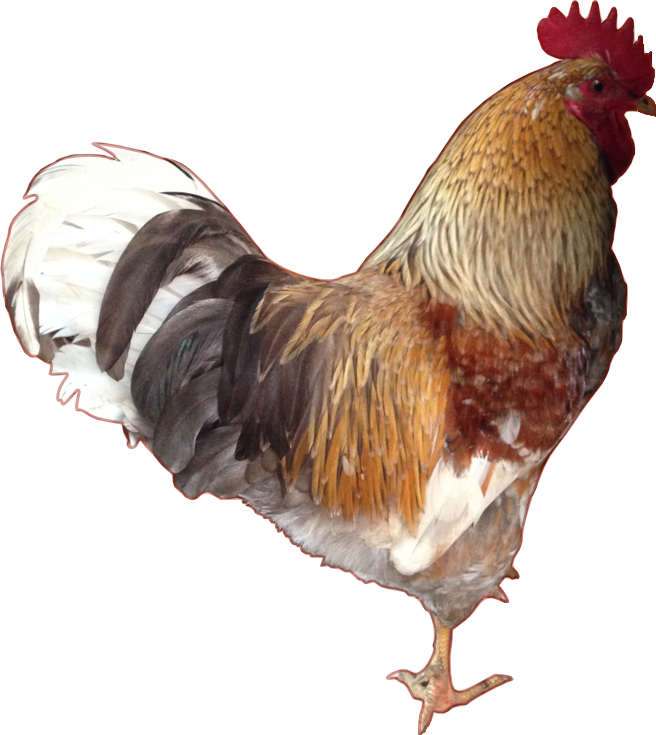
    Chickens come in an endless varieties of colors and patterns. Your image of a chicken might be that of a plain white or reddish brown bird, but they come in a kaleidoscope of brilliant colors and amazing patterns. These feathers are the back of a Sven, a Swedish Flower Chicken rooster.

    FeatherArt1
    FeatherArt3

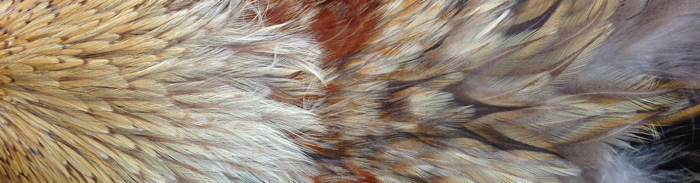
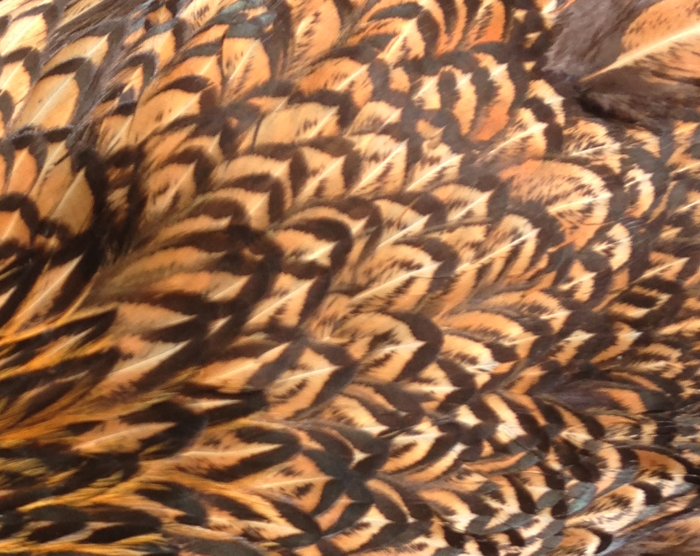
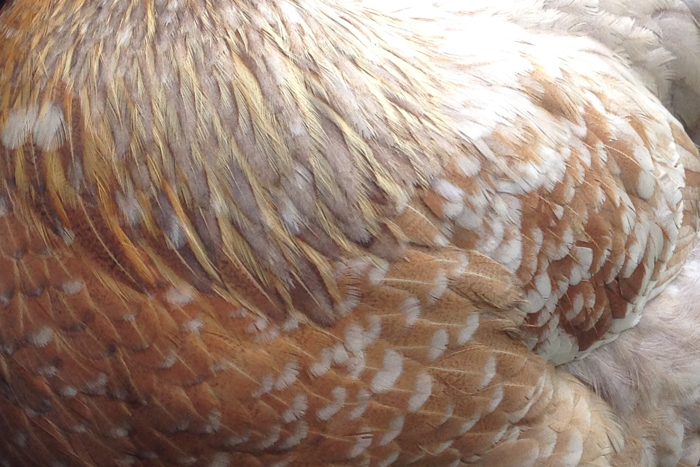
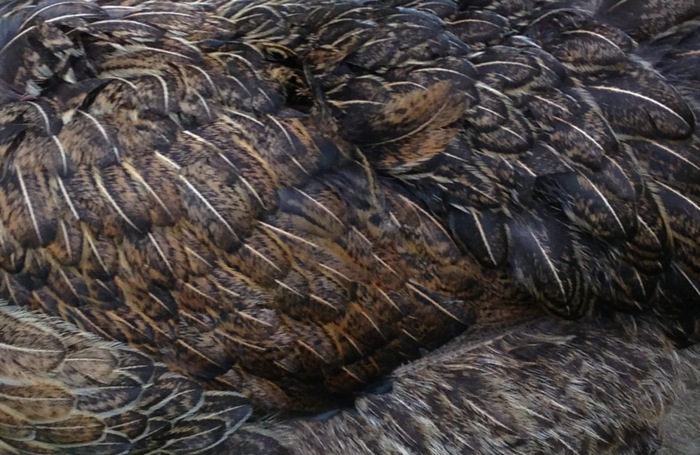
    And the colors and patterns from some of the other chickens. If you need inspiration for a design, look at some chickens.

    FeatherArt4
    FeatherArt7
    FeatherArt6
    FeatherArt5

  • Green Nests

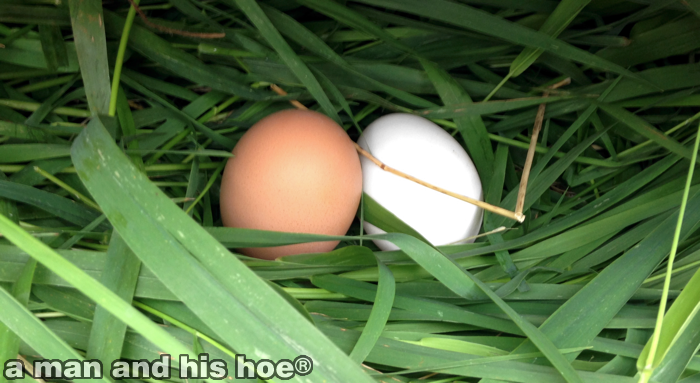
    EggsOnGrass

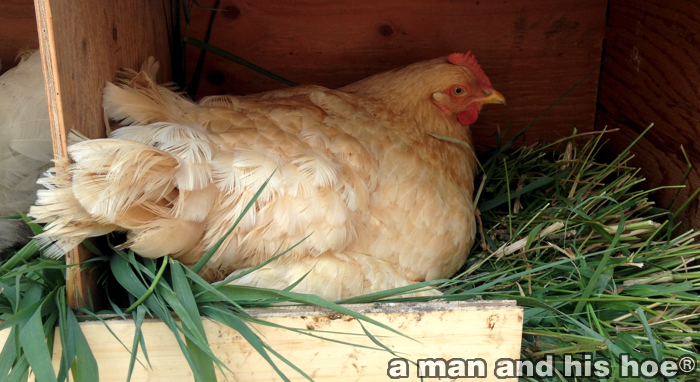
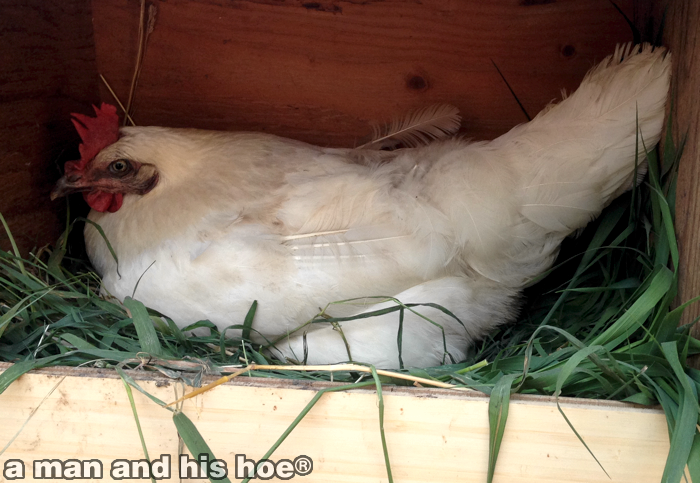
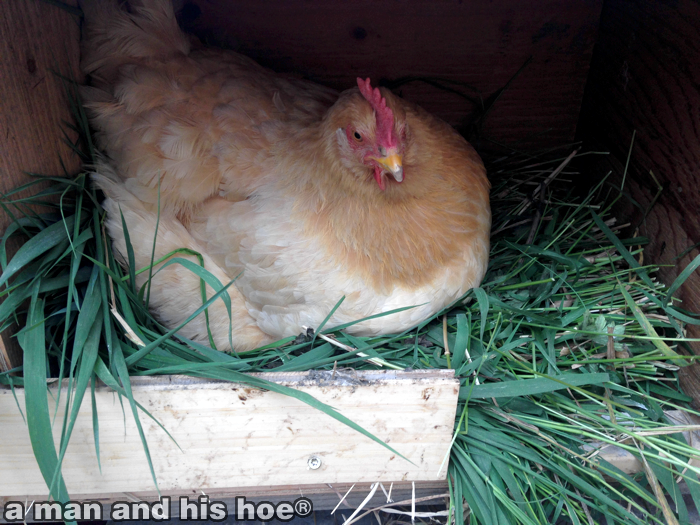
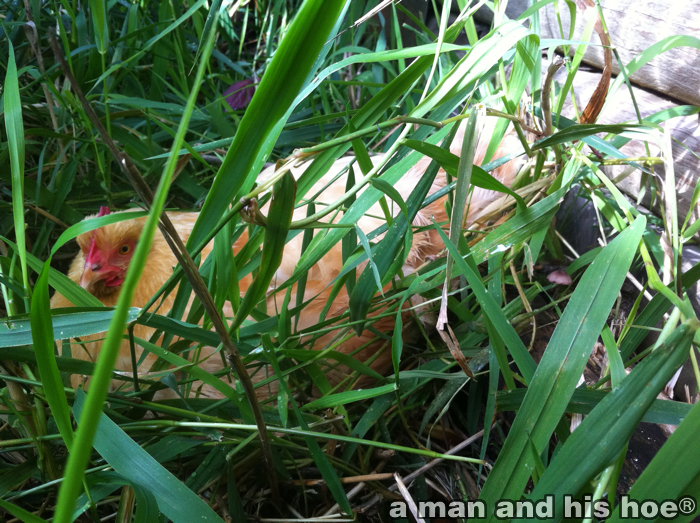
    Hens like to lay eggs in soft, quiet nests. Straw and hay make nice bedding for nests. This time of year, there is an endless supply of tall, green grass. I cleaned out three of the nests and filled them with freshly cut grass to see if the hens would like it as a bedding material.

    NestingHenA
    NestingHenB
    NestingHenC

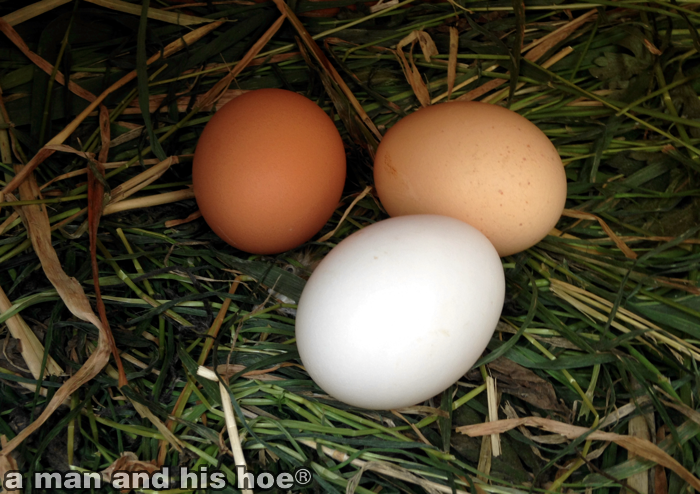
    They aren’t filing any complaints with the management. And their eggs look really fresh laid on green grass.

    ThreeEggsOnGrass

    I’m not surprised. Back in 2010, Sunflower made a nest in tall grass in the backyard behind the propane tank. Chickens have an affinity for thick grasses and brush. It makes you wonder if instinct has embedded in their little brains, images of green grass which they long for, even if they are born and raised in crowded broiler sheds.

    SunflowerOnNest

    Chickens know by instinct to run for cover if they see any large bird in the sky. They will go running for shelter even if a harmless heron flies low overhead. Somewhere in their brains, is the instinctual knowledge that big things flying overhead are not good. Perhaps millions of years of evolution has imprinted images of good things as well as scary things.

  • Alektoropomorphize

    Sven

    Anthropomorphizing, attributing human characteristics to animals or objects, is a no-no. Somehow, even though we humans share common ancestors with our fellow animals in our evolutionary past, we’re supposedly so different that we’ve magically developed characteristics which fellow animals don’t have.

    What about alektoropomorphizing, attributing the characteristics of roosters to humans? It’s the time of year when I need to thin out the roosters for the sake of the hens, so I’m thinking about roosters a lot. This morning I butchered my fourth one this week. There are at least another five more to go to bring sufficient peace and quiet for the hens.
    [wpvideo LDnOreHP]

    I swear, watching roosters grow and behave has given me a keen insight into the behavior of straight men. Their behavior is so much like roosters that it’s uncanny. This drive to impress the ladies, possess them, lord it over other men, compete and fight, it’s exactly what roosters do.

    The common perception is that we humans have evolved such complex brains, that our behavior can’t be explained by instinct. And yet, why do so many men behave exactly like roosters? A comparison of male behavior across animal species, including us, could be illuminating. No doubt there must be a genetic basis to explain much of this similarity.

    I think we’re fooling ourselves when we think instincts have no effect on us. Why is it that civilizations keep repeating the same story over and over again? It may be that our instincts keep us enslaved to play out the same story, generation after generation. Perhaps a genetic evolution is required to allow us to act out a different story where we figure out a way to live in peace and harmony.
  • Grapes and kusakanmuri

    Grapes140816

    The grapes are looking more delicious every day. We are hoping for warm, sunny weather through September so that they will ripen this year. As the climate warms, this Skagit Valley may become the new Napa: Napa on the Sound: Climate change turning Puget Sound area into prime terrain to grow valuable vines

    The Japanese word for grape is budou. Written with Chinese characters, it is written 葡萄. 葡-bu means grape, and so does 萄-dou. In essence, grape-grape. If you look closely, at the top of both of these characters is a horizontal line with two short, vertical strokes. You can see this more clearly in the chart below. This three stroke radical is known as the kusakanmuri or grass crown. When you see a Chinese character with these three strokes on the top, chances are, the character means something related to plants.

    Kusakanmuri2

    And what about the characters that mean to fall and store house? What do they have to do with grass or plants? In the case of the to fall character, the portion below the grass crown means water dripping. Combined with the grass radical, it meant leaves falling off of trees and plants, and eventually took on the meaning of to fall. Look at the other parts of that character. See the part that means water? You’ll find the answer here. And a simplified history of the character is below:

    Raku

    The store house character illustrates a store house with a grass roof. The part of the character under the grass radical means to cover something. In ancient times, people stored things under grass thatch roofs. Over time, the character came to mean a place where you store valuables.

    This should give you an idea that Chinese characters, called kanji in Japanese, are not a bunch of random squiggles. There is a framework of radicals supplying an base reference which is refined with components adding the meaning and the sound.

  • In the Sink Today – August 15, 2014

    NagashiThin

    I spend much of my life around the kitchen sink. The Japanese word for a kitchen sink is 流し-nagashi, which loosely translates to the flowing place, in reference to flowing water.

    When I was growing up, honeysuckle vines grew on the wall outside the kitchen sink. In the summer when they were blooming, their sweet fragrance filled the kitchen. I can remember smelling them as I washed the dishes in the sink. Much of my grade school years were spent in a dormitory. We children took turns helping our dorm parents make the meals and wash the dishes. I have many memories of that kitchen sink in the dorm.

    Now when I look out the window over the kitchen sink, I see flowers, chickens walking about, and beautiful alder trees. Every day, I bring in a variety of produce out of the garden to eat. It all passes through the sink to be washed and prepared. Here are some of the foods which were in my sink today.

    InTheSinkToday140815A
    InTheSinkToday140815B
    InTheSinkToday140815C

    The character 流 is a beautiful one made of the radical on the left side which means water, and the part of the right which adds the meaning of movement. Together they mean water flowing.
    Nagashi explanation
    NagashiHistory

    The word 流し-nagashi has many meanings in Japanese besides a sink.