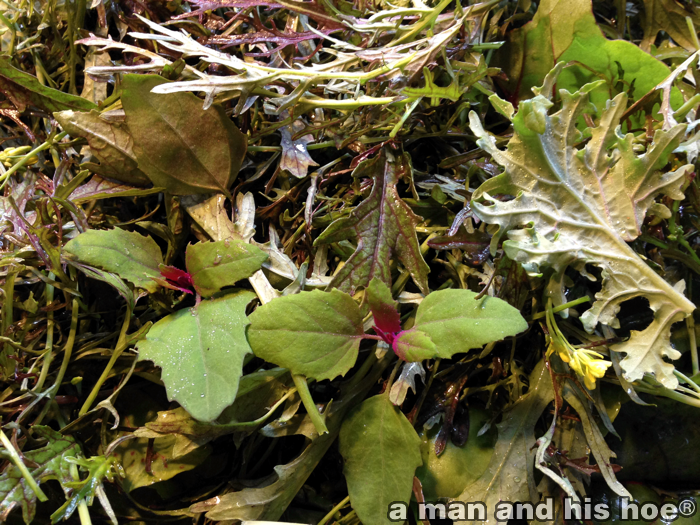
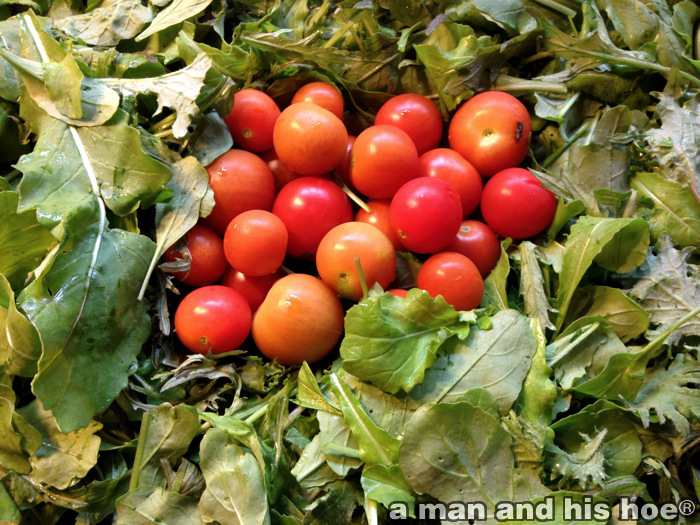
Off to market today are ruby streaks, chard, arugula, cherry tomatoes, baby kale and magenta spreen. Few things are as rewarding as growing produce.
every day is a good day
Off to market today are ruby streaks, chard, arugula, cherry tomatoes, baby kale and magenta spreen. Few things are as rewarding as growing produce.
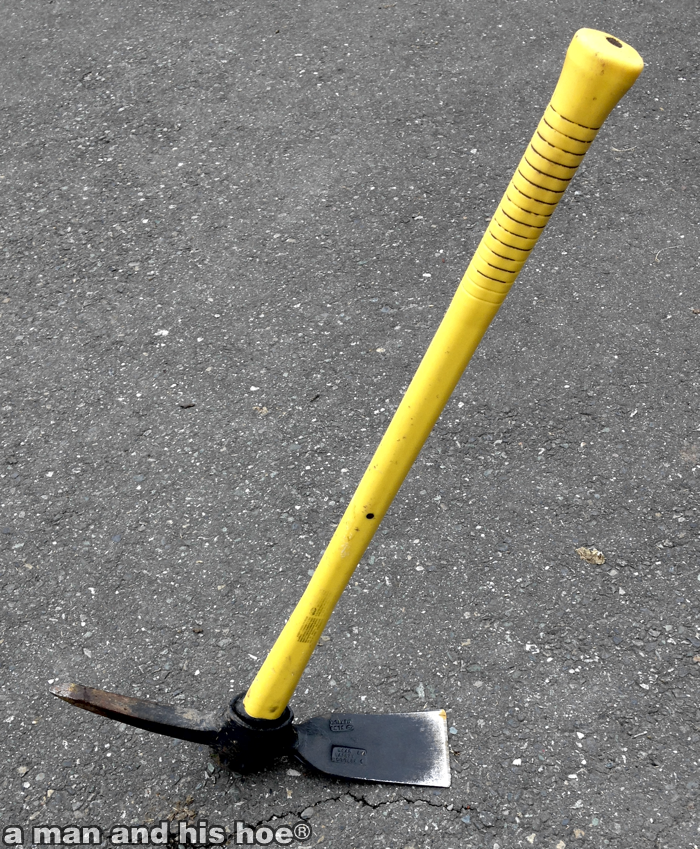
Maybe this will become the newest exercise equipment craze. Swing an adz hoe for an hour and sweat will pour out of every pore. The New Oxford American Dictionary says that the word adz, also spelled adze, comes from the Old English adesa, but that the origin of adesa is unknown.
The problem with working out in a gym is that you’re only exercising. Your exercise isn’t accomplishing anything, other than to make you sweat and get your blood churning. Exercise for an hour with an adz, using it to cultivate a vegetable bed, and not only do you burn through calories faster than a marathon runner, after an hour of sweating, you’ve accomplished something. You have a well cultivated bed to plant. Your satisfaction is doubled. You’ve burned through hundreds of calories and done some good, something you can see and feel.
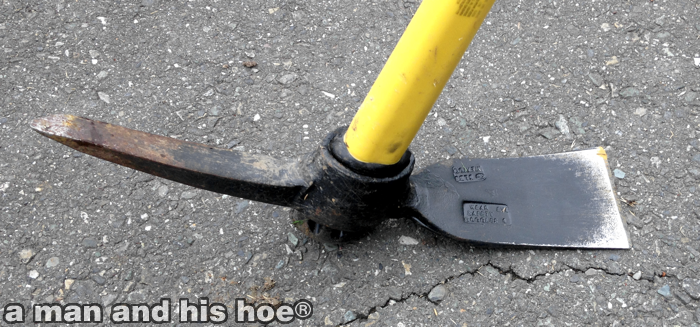
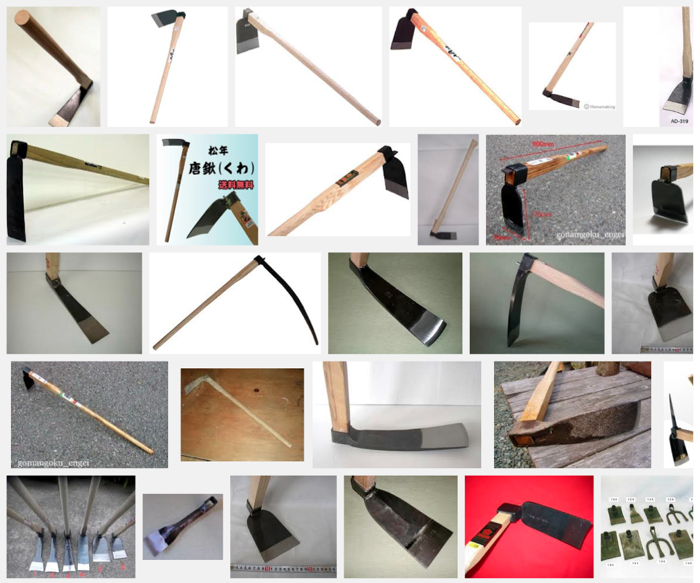
When it comes to gardening and farming tools, Japan is the place to go. Do an image search for 唐鍬 and you will see a bewildering variety of adz hoes. It wouldn’t take much enterprising to associate each type with a specific muscle group. Swing this one for your abs. Swing this one for your pecs. Swing this one for your gluts. This one will make your six packs pop.
With the right marketing, small farmers could turn their fields into outdoor exercise gyms, with customers paying them for the privilege of working off the pounds, while they till the soil with an array of unique adz hoes.
“Hey, Bruce, how’d your routine go?”
“I’m wiped. I used the glutinator adz hoe to firm my butt, swung the abdominator adz hoe to crunch my abs, and bulked up my pecs with the pecsmaximator adz hoe.”
People will go to work on Monday with bodies so well toned after a weekend of adz hoe swinging, that when someone calls them an a-hoe, it will be a compliment.
“Hey, A-hoe, you must have worked out all weekend, man. You’ve got abs of steel!”
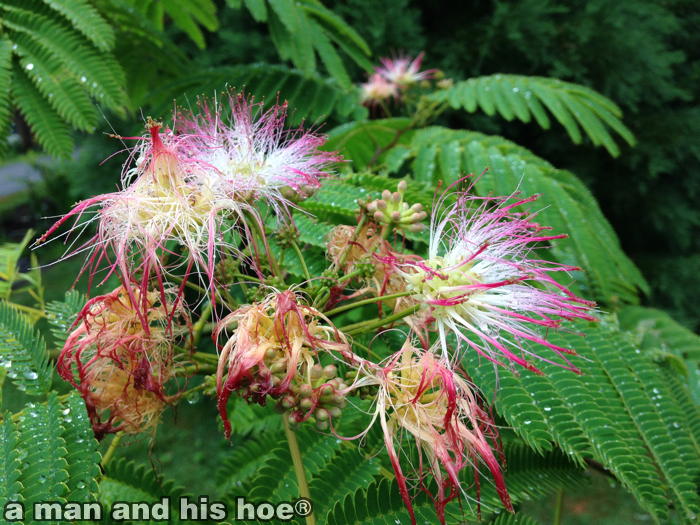
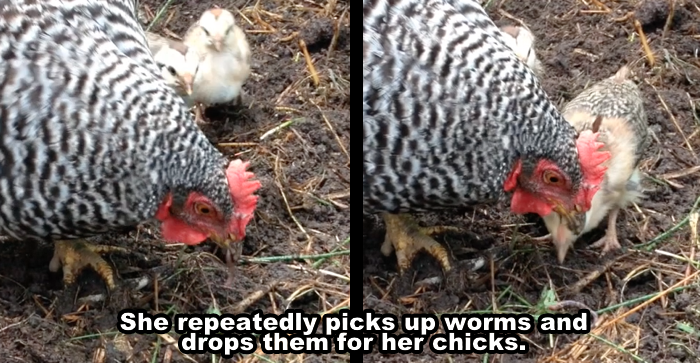
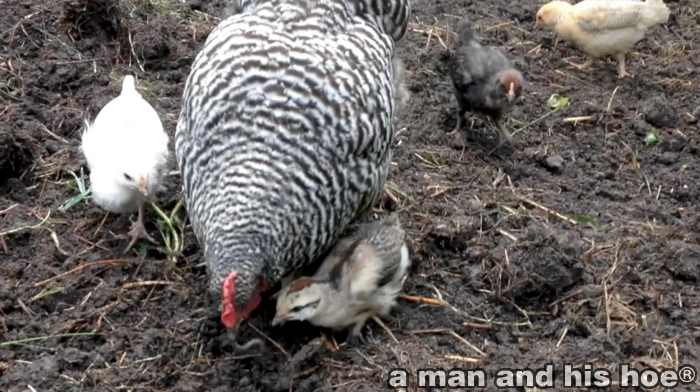
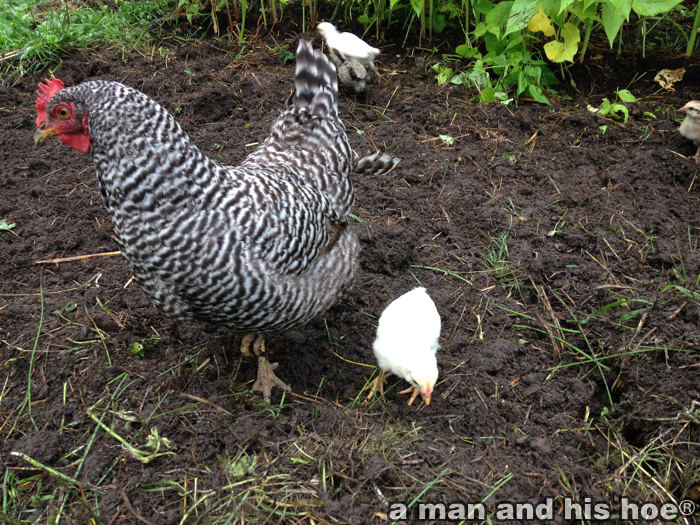
The overnight rain has made the mimosa blossoms look like sad creatures in a Dr. Seuss story. A little rain doesn’t stop me from preparing a vegetable bed for cabbage transplants. A freshly dug patch attracts the attention of a mother hen and her chicks. It’s a prime spot to teach her chicks how to find and catch earthworms. Over and over she picks up earthworms and drops them for her chicks. They grab them and run off to eat them without being hassled by the other chicks.
[wpvideo ifk3Mwx0]
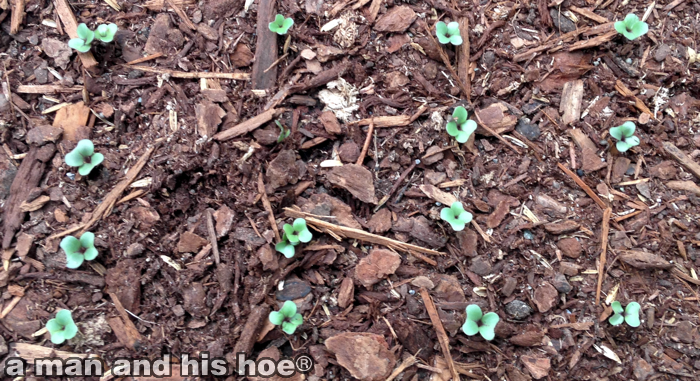
Seeing planted seeds sprouting is always encouraging. Those first bits of green show so much promise. Soon, these cabbage sprouts will be out in the field, growing and becoming succulent heads.
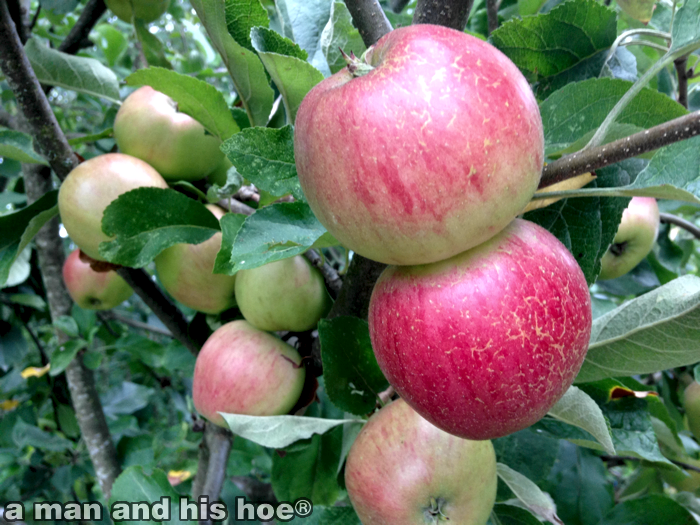
The ripening apples portend cooler weather. This year is promising to be a bumper year for apples. The riper they become, the more I keep my ears open to hear if any pileated woodpeckers have found them. They love pecking and eating apples. We don’t mind. This year there are more apples than we can possibly eat. We are open to sharing them with these wonderful birds.
If you’ve never seen a pileated woodpecker with its bright red head, or heard its startling call, or listened to the rapid thump it makes when it pecks at a tree trunk, you’ve missed a great pleasure.
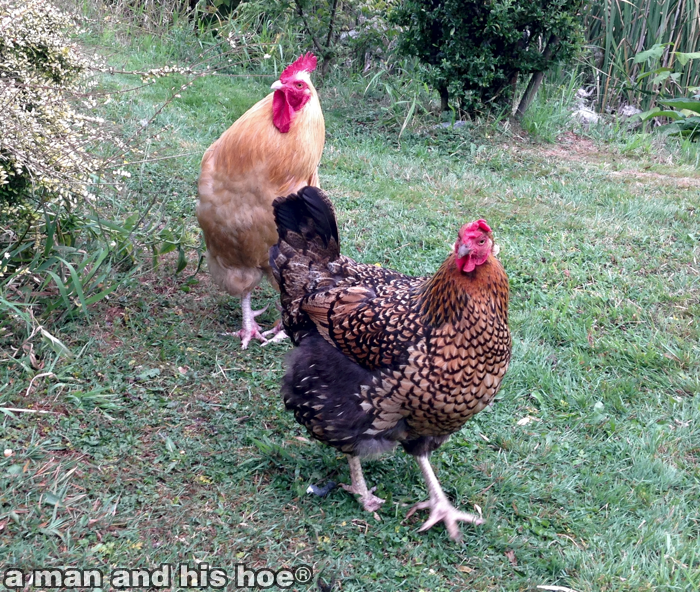
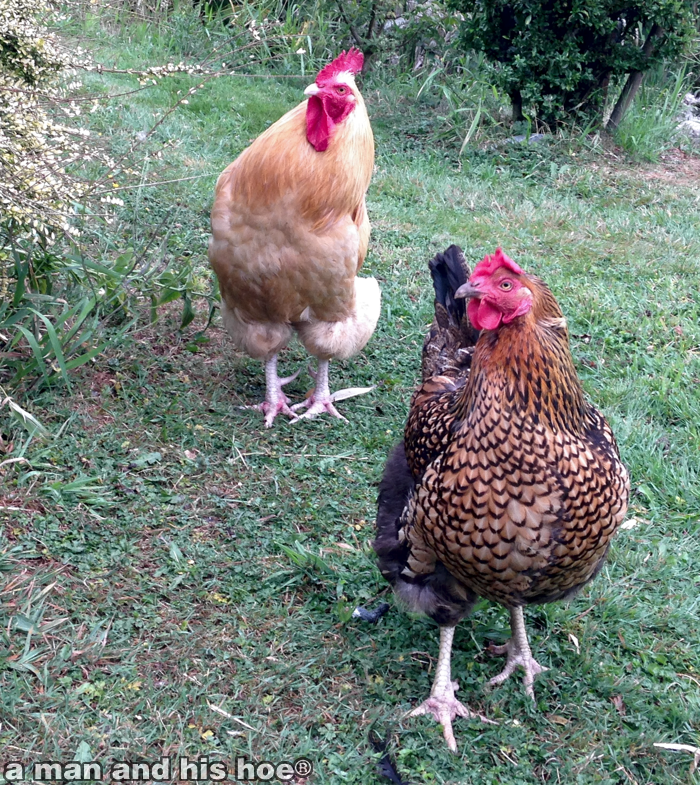
Scientists don’t like to use words like love when describing the relationships animals have. But it’s a word that seems to fit the special relationship that Billy and Imelda have. They spend much of the day together. They aren’t monogamous by any means. But of all the hens, Billy seems to enjoy Imelda’s company most. And Imelda seems to like the attention.
Billy is already five years old, so he may not be around too much longer. I will miss him a great deal when he is eventually no longer around. In the meantime, I get my heart warmed whenever I see Billy and Imelda together. Also see Old Love Birds and Cloud of Dust or The Sex Was Good.