Author: theMan

  • A Handful of Rosemary ~ Edible Estates

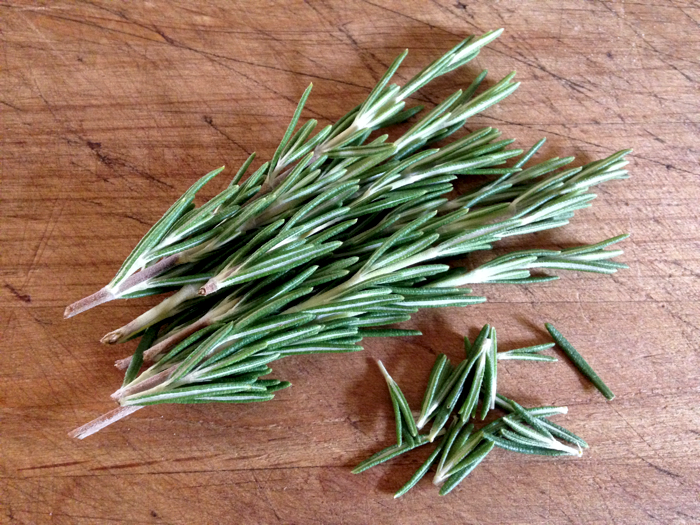
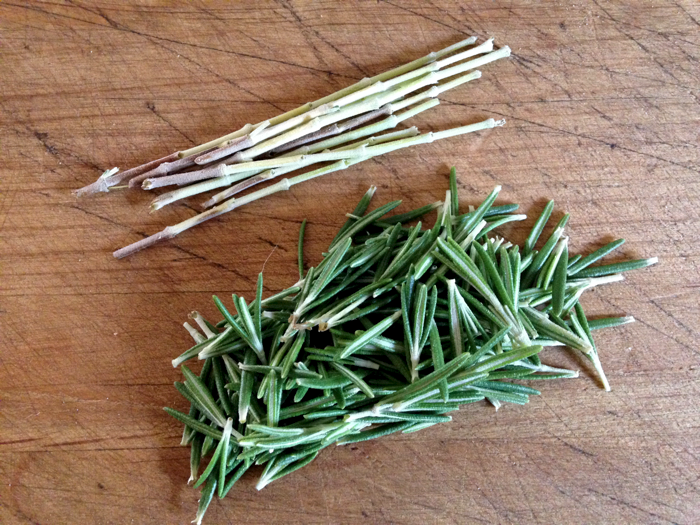
    One of the benefits I enjoy about having space to grow many things, is having endless supplies of fresh herbs. Buying fresh herbs in a supermarket is hardly worth the effort. You get just a few sprigs in a container, and they certainly weren’t picked moments ago. I get to step outside and pick fresh herbs by the handful.
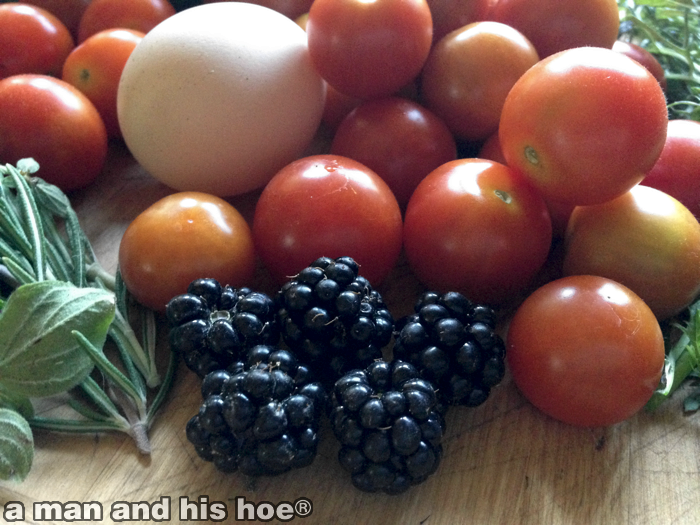
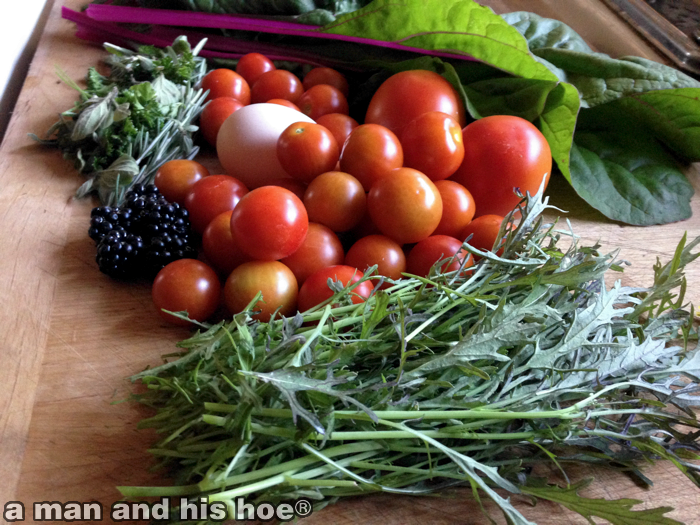
    Rosemary140802A
    Rosemary140802B

    I’m baking bread today, and for a pound loaf, I like to add plenty of rosemary to give it a nice flavor. Oregano, marjoram, chives, parsley, these are all herbs that grow like weeds. It doesn’t take much to have more than you can possibly use. Which reminds me of an article I read today at The Splendid Table about reclaiming the front yard with edible estates. Artist and architect Fritz Haeg is the author of Edible Estates: Attack on the Front Lawn.

    The article describes Fritz’s latest urban garden project in St. Paul, MN. It’s a 4,500 square foot front lawn converted, as Fritz describes it into a “pleasure garden that happens to produce food … The point is to make visible food production in the city, but in a very pleasurable way. I think the whole point is for everyone to look at this and think, ‘I could do this too.’”

    This is what Fritz has to say about the front lawn:

    By attacking the front lawn, an essential icon of the American Dream, my hope is to ignite a chain reaction of thoughts that question other antiquated conventions of home, street, neighborhood, city, and global networks that we take for granted. If we see that our neighbor’s typical lawn instead can be a beautiful food garden, perhaps we begin to look at the city around us with new eyes. The seemingly inevitable urban structures begin to unravel as we recognize that we have a choice about how we want to live and what we want to do with the places we have inherited from previous generations. No matter what has been handed to us, each of us should be given license to be an active part in the creation of the cities that we share, and in the process, our private land can be a public model for the world in which we would like to live.

    If there were gardens like this in every city neighborhood, there could be beautiful hedges of herbs like rosemary and oregano and thyme, with the understanding that they were not only there to be looked at, but also to be enjoyed. Residents would be encouraged to pick herbs by the handful. Residents’ food choices would not be limited to what the supermarkets offered. It would be limited only by their imagination as to what they could plant and grow.
  • Before the Sun is Up

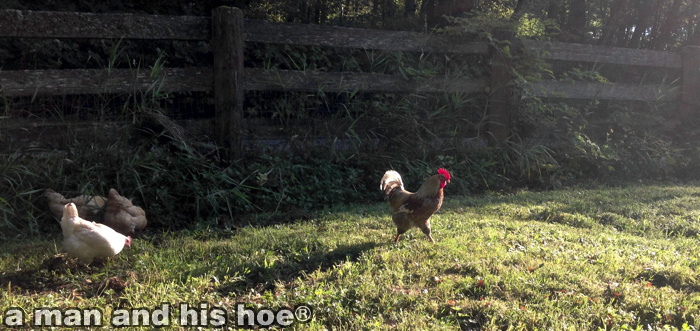
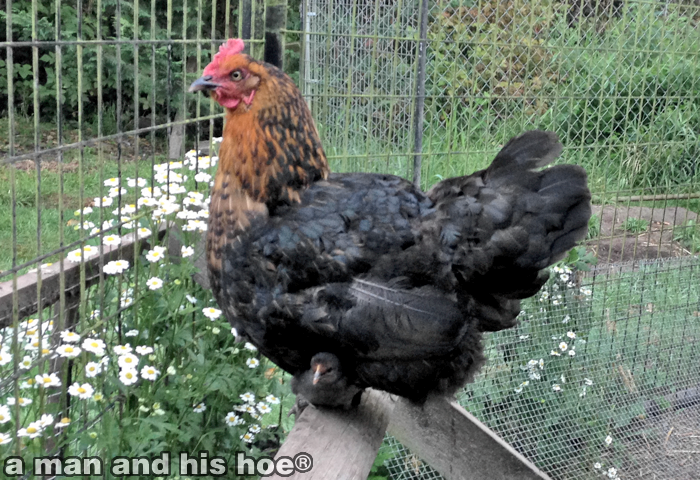
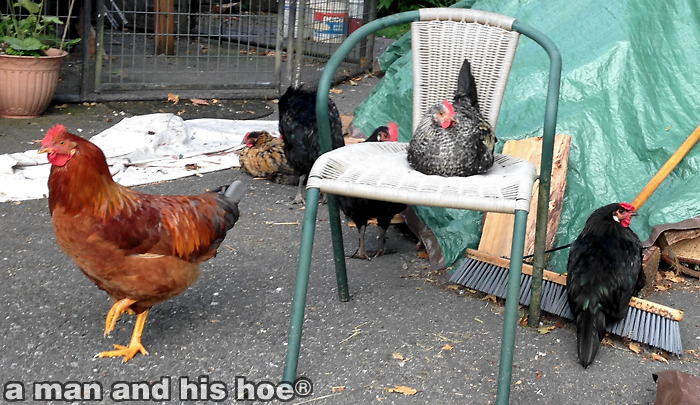
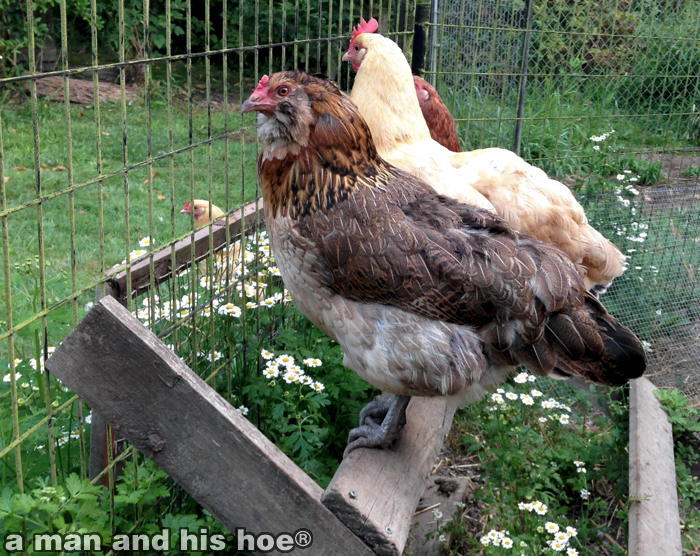
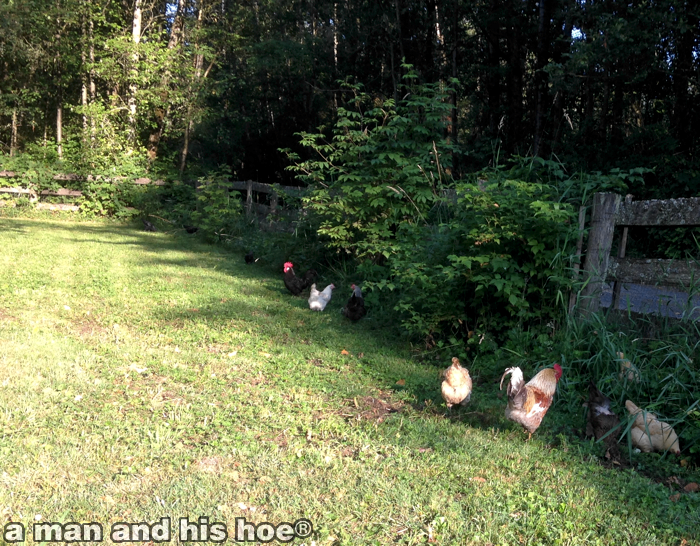
    Before the sun peaks up above the forest to the east, it’s time to go out and weed the corn and beans. The chickens are taking it easy … wondering when they are going to be served morning coffee and toast. Often they come out of their covered chicken yard and take a perch. It’s as if they need to take a moment and plan what to do today.

    SummerMorningA
    SummerMorningB
    SummerMorningC

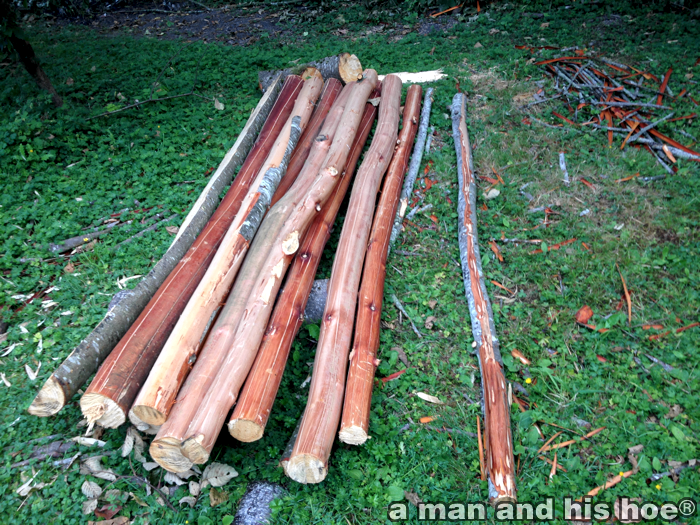
    The posts for a new fence are drying nicely. Soon they will be in the ground and support wire fencing to protect another plot from chickens and wild rabbits.

    SummerMorningD

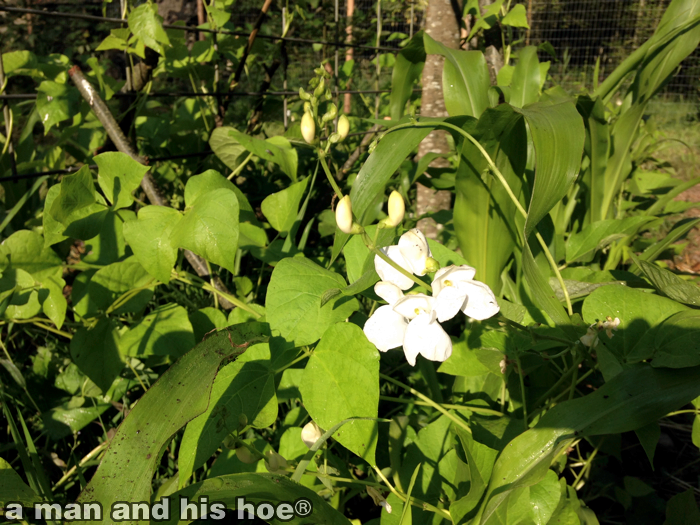
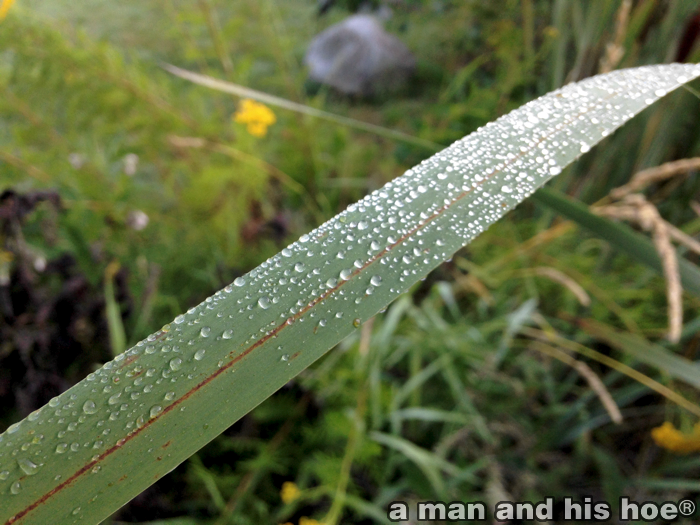
    The sun comes out while I am weeding the beans and corn. This is my office, a riot of green and brilliant flowers. There are no desks, no chairs, no sitting, no telephones, no office gossip, just the sound of leaves growing and birds singing. But in the distant there is the rumbling of traffic in the valley, a constant reminder that I’m barely a stone’s throw away from freeways and shopping malls and endless ribbons of concrete.

    The urban sprawl of Seattle, 75 miles to the south, keeps metastasizing, spreading closer and closer to this bit of paradise. It used to be 40 miles away. Now it is just 30. How long before it is lapping at my door?

  • Out of the Garden Today – August 1, 2014

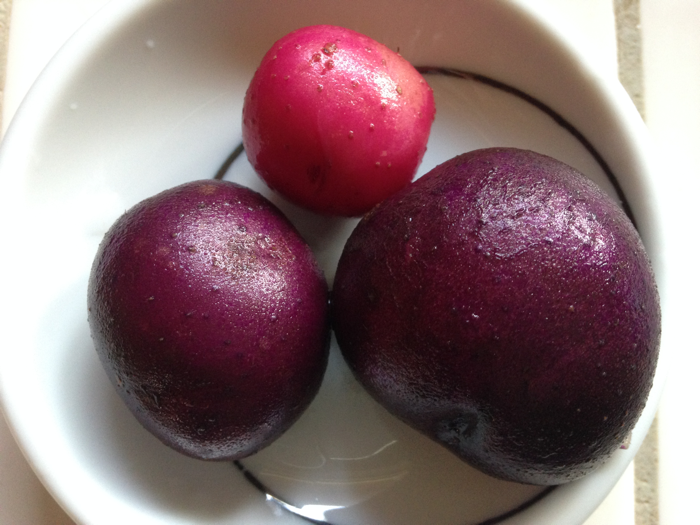
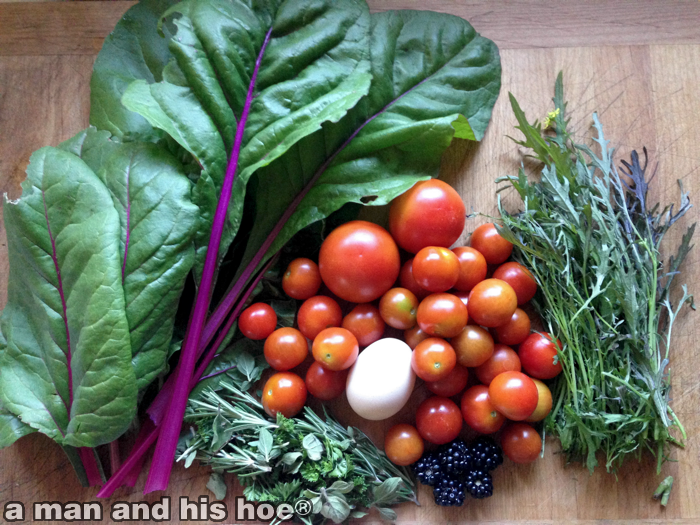
    ForSupper20140801

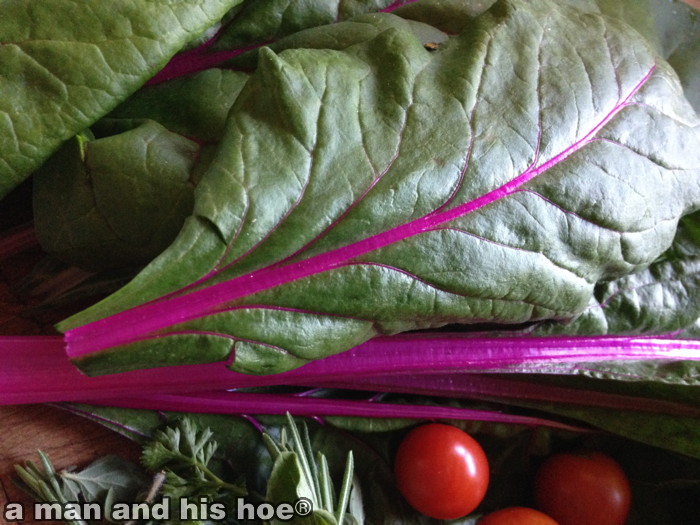
    Growing your own food enables you to appreciate the fact that eating food is eating growing things. The vegetables I grow vary from year to year. A few years back, we were eating pea pods all summer long. This year, chard is a mainstay. The great thing about chard is that a single plant will provide many meals. Let the leaves get to a good size, cut the whole plant down to about an inch or two above the ground, and in a week or two, it will produce another handful of leaves for another meal. You can do this for several months.

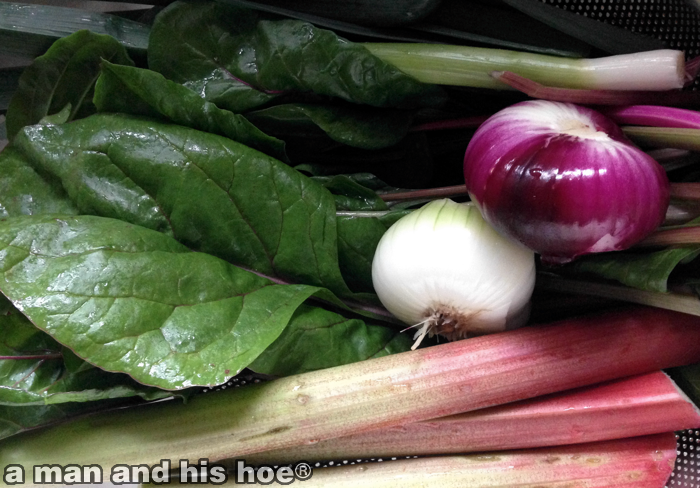
    Chard, rhubarb, onions, and leaks. Those are tonight’s vegetables. Steam a mountain of chard and serve it with rhubarb sauce on the side. There’s a combination that will have you begging for more. Your chances of finding chard and rhubarb sauce in a restaurant? Next to nil I think.

    Here are some references I found regrading chard and rhubarb:

    First up were the chard rolls. This was the vegetarian option for the evening and was a wonderful surprise. The chard rolls are filled with brown rice and sweet potato and are served over sorrel sauce with a side of asparagus… Prairie Plate: A Sustainable Restaurant by Sara Sawatzki


    Hacking the leaves from a bunch of thick-stalked summer rhubarb last night, it struck me as a terrible waste that those leaves are so poisonous. It seems wrong to put something so lush and healthy on the compost. Indeed, some old-school gardeners won’t even do that, and a few allotments ban them too, even though there is no proof the leaves do any harm once rotted down. Thank goodness for the green and ruby stalks though, with their knife-sharp edge to cut through the sweetness of pastry or crumble… Nigel’s chard and rhubarb recipes


    This is a recipe designed for “chefs” like me, who choose their recipes on titles alone, not bothering to look at the ingredient list until the last minute. For those who are more inclined to think ahead, to peruse the component ingredients, thinking about how the flavors work together, you might be a bit stymied, if not downright turned off… Tofu With Hot And Sour Rhubarb Sauce


    The earth goddess was exercising her sense of humor when she came up with rhubarb–not a fruit, not exactly a vegetable, poisonous leaves, medicinal roots. “Let’s see if they figure this one out,” she was chuckling to herself. I suspect rhubarb’s reputation as something old-fashioned, sour and stringy is because of its rather unappetizing name. (It comes from “rha of the barbarians”, which refers to its origins in Siberia near the river Rha, now the Volga).… A Cook’s Guide: Rhubarb Rehab


    Due to some bad labeling from our stock photo supplier, our page design team mistakenly placed a picture of Swiss chard on the page, and the error was not caught before the newspaper went to press … Is it Swiss chard or rhubarb


  • The Subtle Influence of a Single Plant

    Buson

    Yosa Buson 与謝蕪村 (1716 – January 17, 1784), famed painter and poet, painted the night scene of snow falling on Kyoto near the end of his life. It is one of his most famous pieces and was designated a National Treasure of Japan in 2009. Looking at the painting, you would never guess that there is a connection between this painting and the rapeseed plant which paints swaths of countryside with brilliant yellow when it blooms.

    Zwei_Bäume_im_Rapsfeld,_blauer_Himmel

    Attribution: Baum im Feld von Petr Kratochvil

    It was during the time of his life that the production of rapeseed oil greatly increased in Japan. It resulted in a supply of affordable oil which was used for cooking and for lighting. LanternRapeseed oil was poured into small bowls with wicks. When the wicks were lit and placed into paper lanterns, they cast a soft, warm light. The abundance of rapeseed oil enabled people to have light at night. And it is this soft, warm light which Buson captured in his famous painting of snow falling at night. In the painting, he shows this light filtering through the shoji screens of the houses. If it were not for the rapeseed plant, the houses would be completely dark, and he may not have made this masterpiece at all.

    The painting is titled 夜色楼台図-Yashokuroudaizu, and to create the effect of falling snow, Buson used flakes of oyster and scallop shells. He also used a foundation of chalk to bring out the colors of a snowy night. 51 inches long and 11 inches tall, this ink painting is considered the first panorama created in Japan.

  • What’s Old Is New Again

    PitchForkA

    From the The Farmer’s Friend at the Bow Little Market, I purchased this old pitchfork. It should come in handy for cleaning the chicken roosts, turning compost, and gathering hay. The only mark on it is “I-D-L Top” stamped on the handle. There are no manufacturer’s mark on the tines

    Even though I’m calling it a pitch fork, it may be a dung fork.

    Pitchforks typically have only two, three or four tines while dung forks have four or five, other types of fork even up to ten tines with different lengths and spacing depending on purpose (Pitchfork – Wikipedia).

    It could also be a straw or silage fork.

    The number of tines would mostly depend on personal preference and the job it is being used for. Over the years most forks have been made with two to five tines. The two and three tines forks (the ones most commonly referred to as pitchforks) were used for loose hay, straw, and bundles of grain. In fact they are sometimes referred to as bundle forks. The four and five tine forks are in fact manure forks and were made for that purpose. Other forks of six or more tines have been made for silage, potatoes, beets, etc. Even saw one listed as a compost fork recently (hobartwelders.com).

    PitchForkB

    In any case, the fork is now back at work, helping out at a man and his hoe®.