Author: theMan

  • Why Is Mayonnaise White?

    Mayonnaises

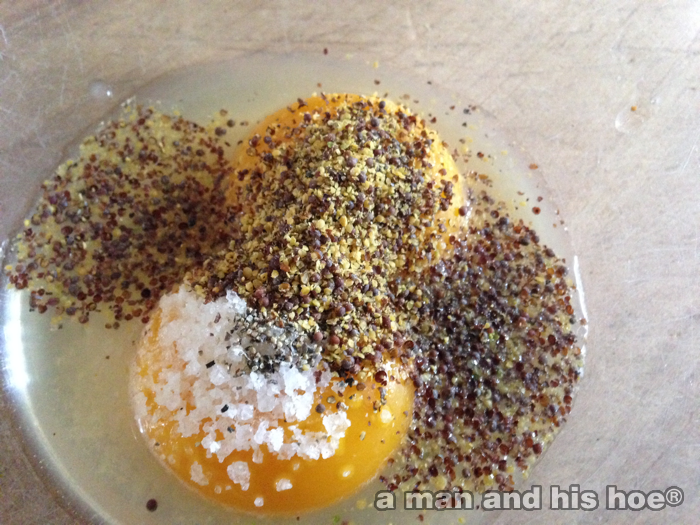
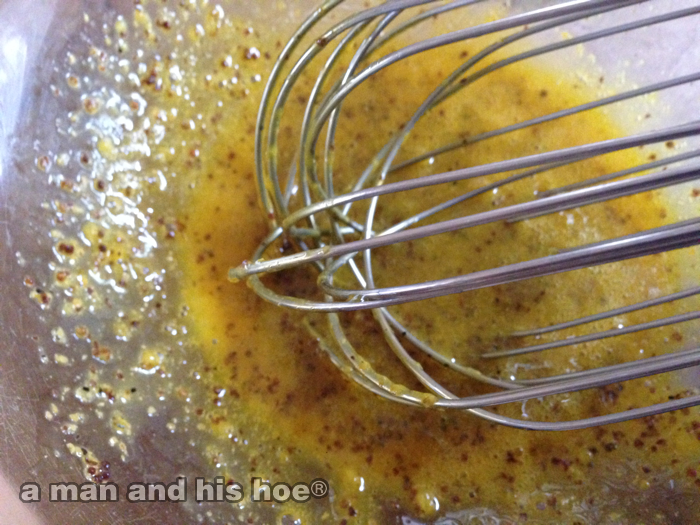
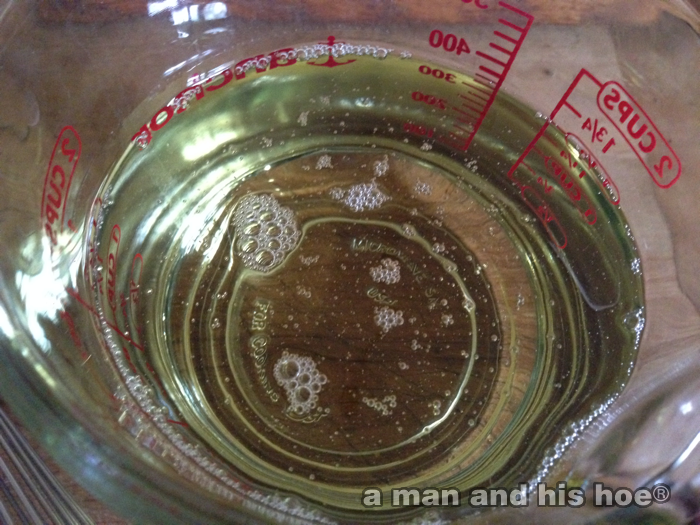
    When I see mayonnaise in the store, I always wonder why it is so white. The typical recipe for mayonnaise starts with egg yolks, adds vinegar or lemon juice, salt, pepper, mustard (I prefer to use ground mustard seeds). After mixing these ingredients, you start adding vegetable oil drop by drop by drop until you have a thick emulsified dressing.

    MakingMayonnaiseA
    MakingMayonnaiseB
    MakingMayonnaiseC
    MakingMayonnaiseD
    MakingMayonnaiseE

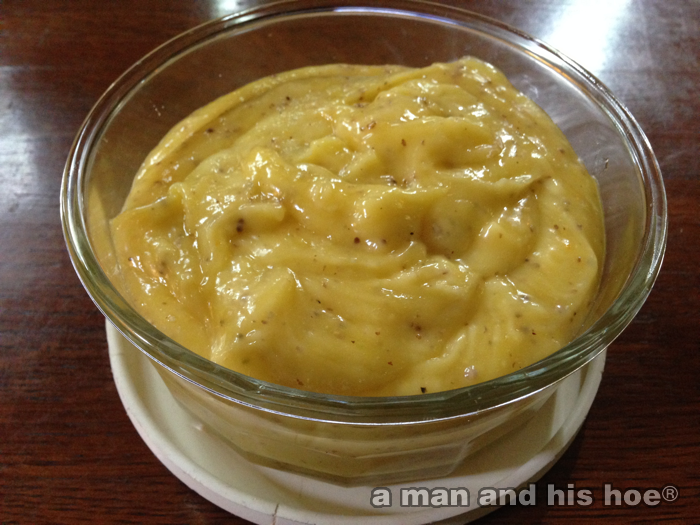
    And this is what my mayonnaise looks like. Starting with egg yolks this rich and bright, the mayonnaise I make at home always comes out quite yellow. So what are the food companies doing to make their mayonnaise so white?

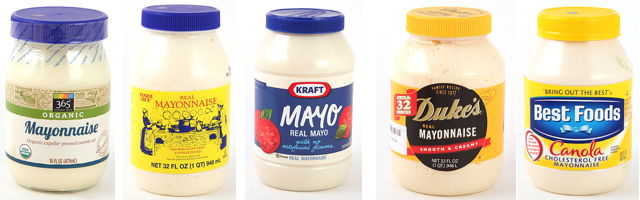
    A look at their ingredients reveals the answer. A check of commercial mayonnaise reveals that they are adding water to their mayonnaise. In some, water is even the first ingredient, which means there is more water than any other ingredient.

    Mayonnaise recipes usually call for a ratio of one egg yolk per cup of oil. However, by using water, you can actually emulsify up to a dozen cups of oil with just one egg yolk. Commercial mayonnaise makers also often use the whole egg, not just the egg yolk. As a result, the ratio of egg yolk to oil is much less than in home made mayonnaise which is why their mayonnaise is so white.

    What Makes Store Brand Mayo White ~ Stack Exchange

  • Never Shower Again? Using Bacteria to Keep Us Clean

    Julia Scott wrote an interesting article in the New York Times today about her My No-Soap, No-Shampoo, Bacteria-Rich Hygiene Experiment. She took part in an experiment done by AOBiome, a biotech start-up in Cambridge, MA. The firm is developing a living bacterial skin tonic.

    The premise behind the tonic is that humans don’t need to shower or bathe or wash their hair. In fact, “the M.I.T.-trained chemical engineer who invented AO+ has not showered for the past 12 years.” Instead, what we need to do is to restore the right balance of bacteria living on our skin and hair, and let the bacteria keep us clean. According to Julia Scott:

    The tonic looks, feels and tastes like water, but each spray bottle of AO+ Refreshing Cosmetic Mist contains billions of cultivated Nitrosomonas eutropha, an ammonia-oxidizing bacteria (AOB) that is most commonly found in dirt and untreated water. AOBiome scientists hypothesize that it once lived happily on us too — before we started washing it away with soap and shampoo — acting as a built-in cleanser, deodorant, anti-inflammatory and immune booster by feeding on the ammonia in our sweat and converting it into nitrite and nitric oxide.

    In the experiment, Julia Scott spent four weeks without taking a shower with soap. Her showers were limited to three minute rinses with water, no soap or shampoo. Instead, she misted herself with the water containing Nitrosomonas eutropha before she left her house and when she returned.

    Even though her hair did darken and become more oily, her skin changed for the better. As she describes is, “It actually became softer and smoother, rather than dry and flaky, as though a sauna’s worth of humidity had penetrated my winter-hardened shell. And my complexion, prone to hormone-related breakouts, was clear.”

    During the experiments, AOBiome was taking a swab of her skin every week to monitor the changes in her microbial community. Though her swabs showed that her bacterial community was similar to that of the majority of Americans’, by week 2 the swab also “showed hundreds of unknown bacterial strains that simply haven’t been classified yet.”

    After the four week experiment was over, it took just a few, short showers using shampoo and soap for her to destroy all the Nitrosomonas eutropha she had cultivated on her body during the four week experiment.
    DirtBath01

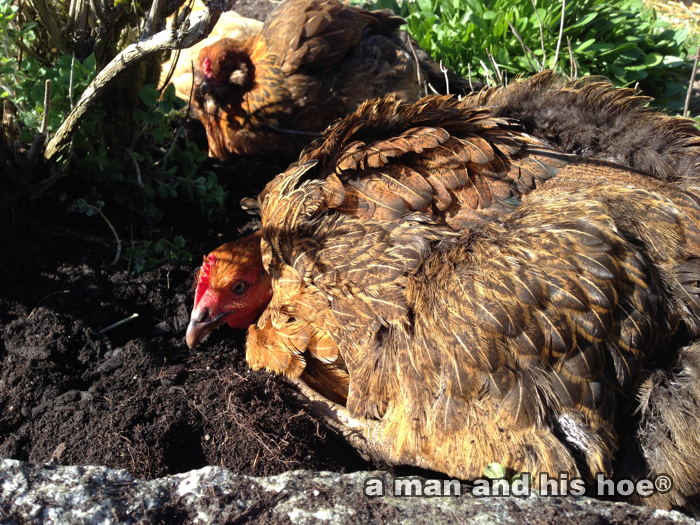
    Maybe the chickens are on to something with their dirt baths.

  • Waterfowl or Where the Bugs Are

    When I think of waterfowl, images of ducks, geese, and herons come to mind. Chickens? Not. But, chickens go to where the bugs are, and so they spend a lot of time wading narrow streams, scratching in the mud for bugs to eat. They’ll also dig along the banks of the pond where they find plenty to eat.

    WaterFowl

    The thicker the brush along a stream the better. You can’t see them, but there are six chickens hidden under the brush.

    ChickenHiddenInBrush

    And a mother hen leads her chicks through the forest, followed by a young rooster looking for love.

    HenAndChicksInForest
    RoosterAndHenInForest

  • May Flowers

    This is a month of flowers. The rhododendron are in full bloom. Lawn flowers are in bloom all over. And even though the dogwood is not blooming yet, the bracts have spread out and look like flowers themselves.

    Rhododendrum140521A
    Rhododendrum140521B
    LawnFlowers
    DogwoodGettingReadyToBloom

  • A Mother Hen’s Touch

    These chicks are now three and four days old. They stay close to their mother all day long and watch her every move. They watch what she is eating. They watch where she drinks. They roll around in the dirt with her when she takes a dirt bath. When she goes for a walk they run alongside her.

    ChicksWithMother140520
    ChicksWithMother140520B
    ChicksWithMother140520C
    ChicksWithMother140520D

    Two hundred years ago, this is how all chicks were raised. According to the National Chicken Council it wasn’t until the 1920s and 1930s that the modern chicken industry began to develop. Prior to that, chicken was a summer meat, something special for Sunday dinner.

    Now, the chances of a chick hatching under a mother’s warm breast only happens in small backyard flocks. The chances of it happening in a commercial setting and for customers to purchase chicken raised this way is infinitesimal.