• After the Solstice

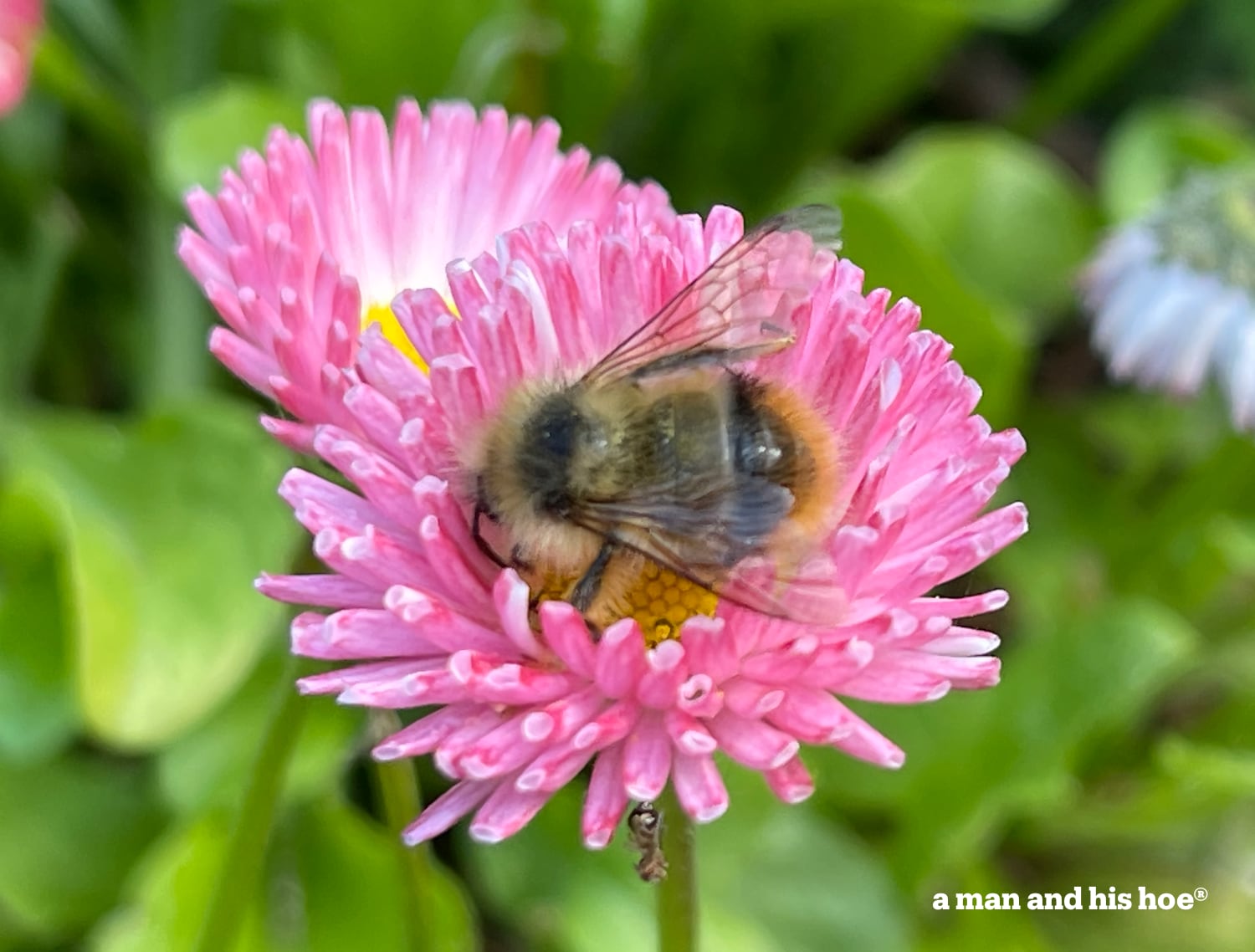
    After the solstice a bee on an English daisy

    After the solstice the sun appears. Warmth finally fills the Skagit Valley and bees are everywhere, at least in my little neck of the woods.

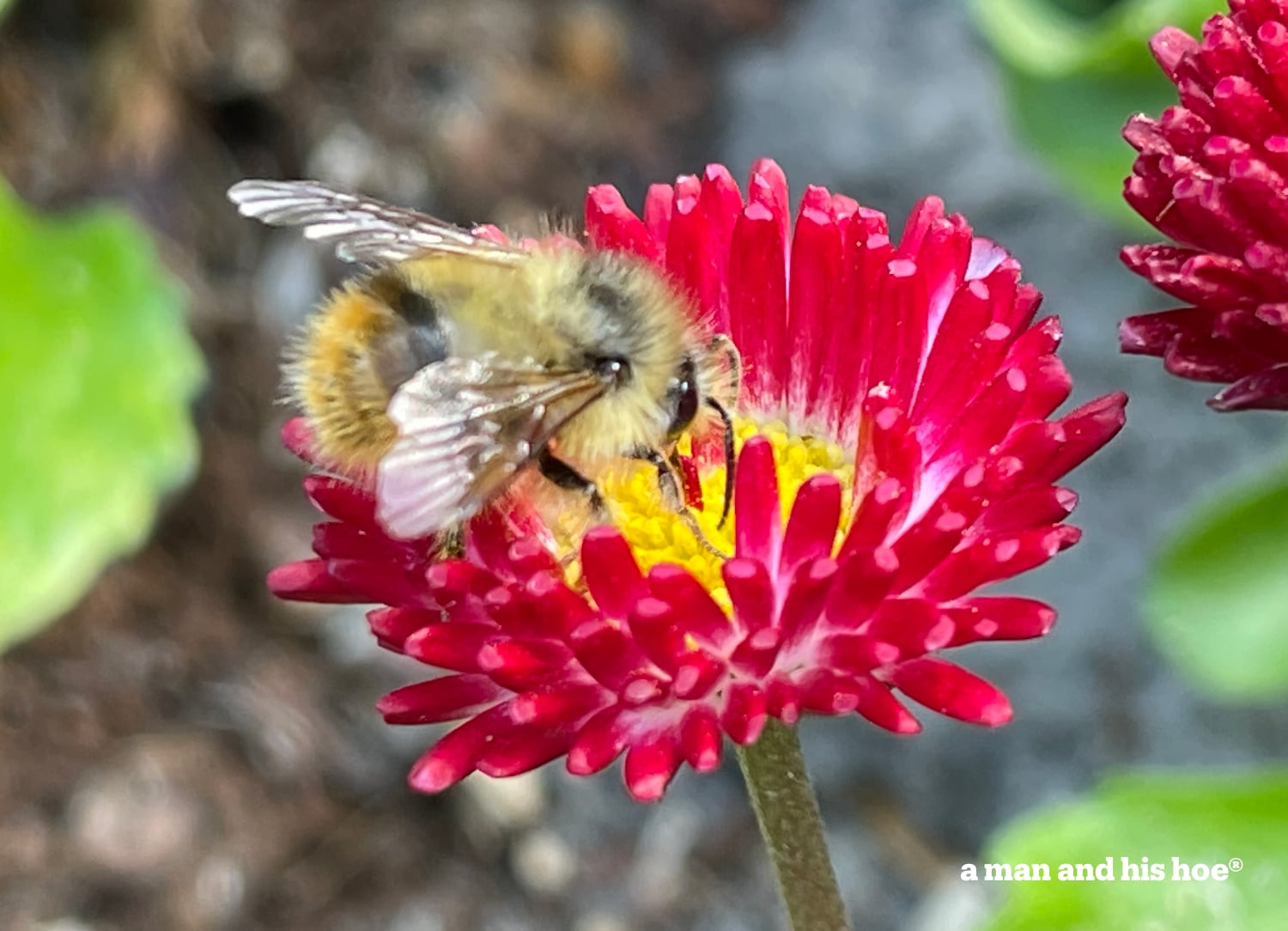
    I planted English Daisies this year. I read that they are also called lawn daisies because they can establish themselves in lawns. Go at it English Daisies. Cover as much of the lawn as possible. I’d rather look out over a carpet of red, pink, and white flowers than green lawn. The bees would prefer English Daisies to grass too.

    Bee on a red English Daisy.
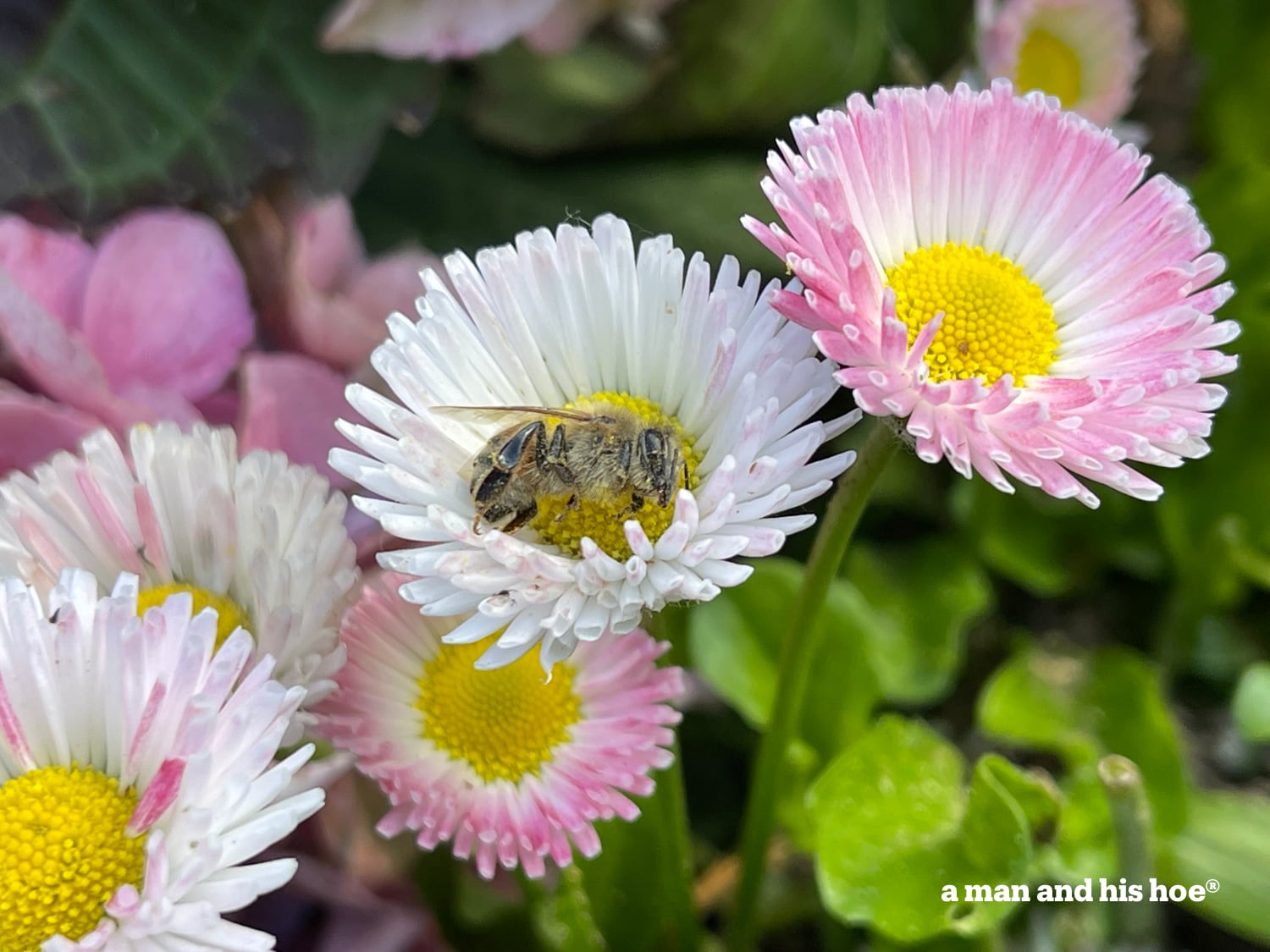
    A dead bee in an English Daisy flower. Is there a better place for a bee to die in the summer?

    One tired bee died in one of the English Daisies. Maiden bees live but six weeks or so. What a lovely place to have your last breath. What do bees dream of when they tire out and are about to expire? Do they dream of returning to their hive? Or are they glad to rest forever inside a soft flower? What about the other bees from her hive? When they fly by and see her there, do they go tell the others when they return to the hive?

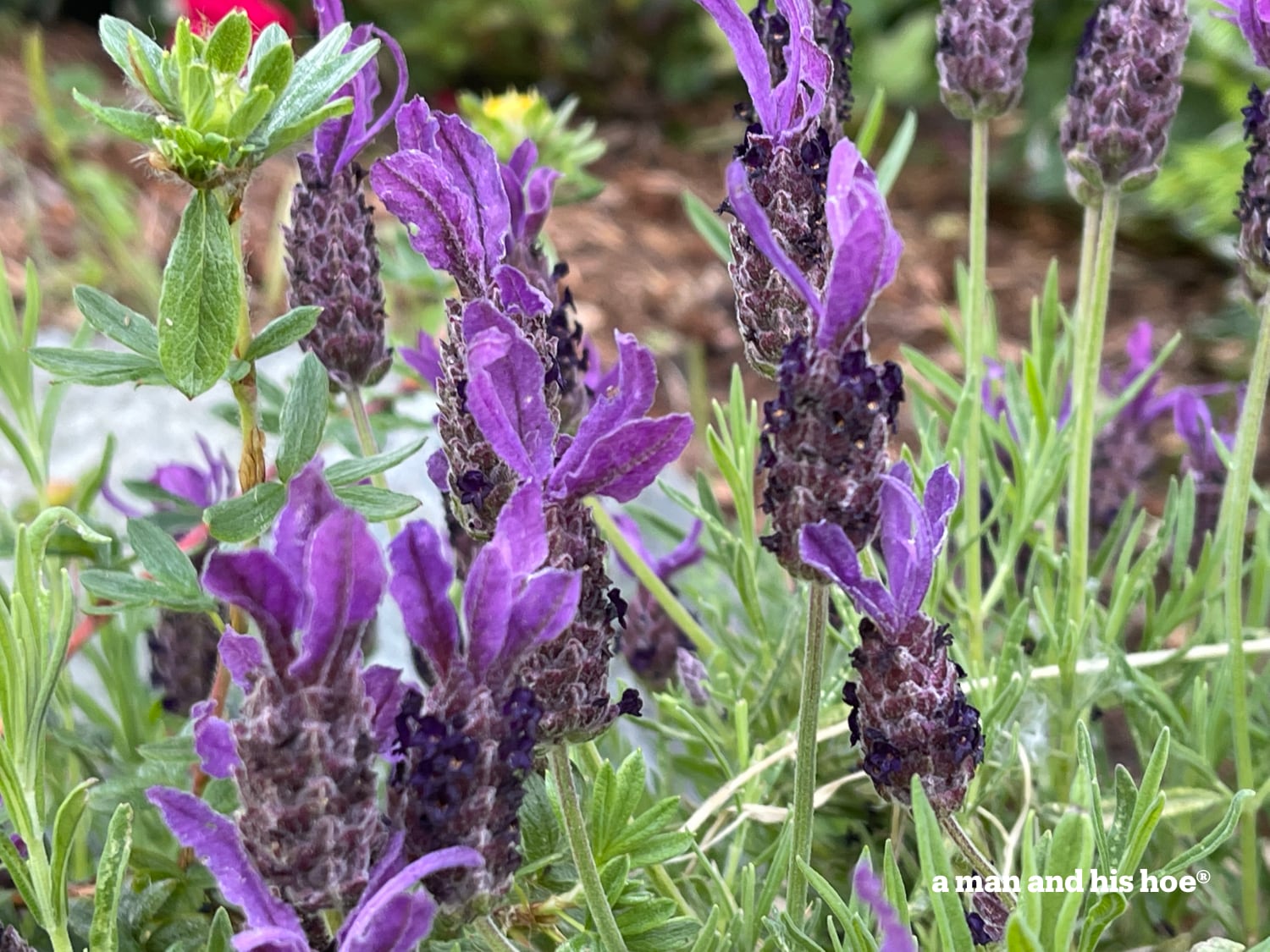
    Lavender blooms

    The lavender I planted last year are blooming. This is another favorite of the bees. Sometimes a swarm of bees vibrates every flower on a lavender bush. Maybe the lavender have a word for when every one of their flowers is being vibrated by bees. A beegasm? It must make the whole lavender bush shiver with delight.

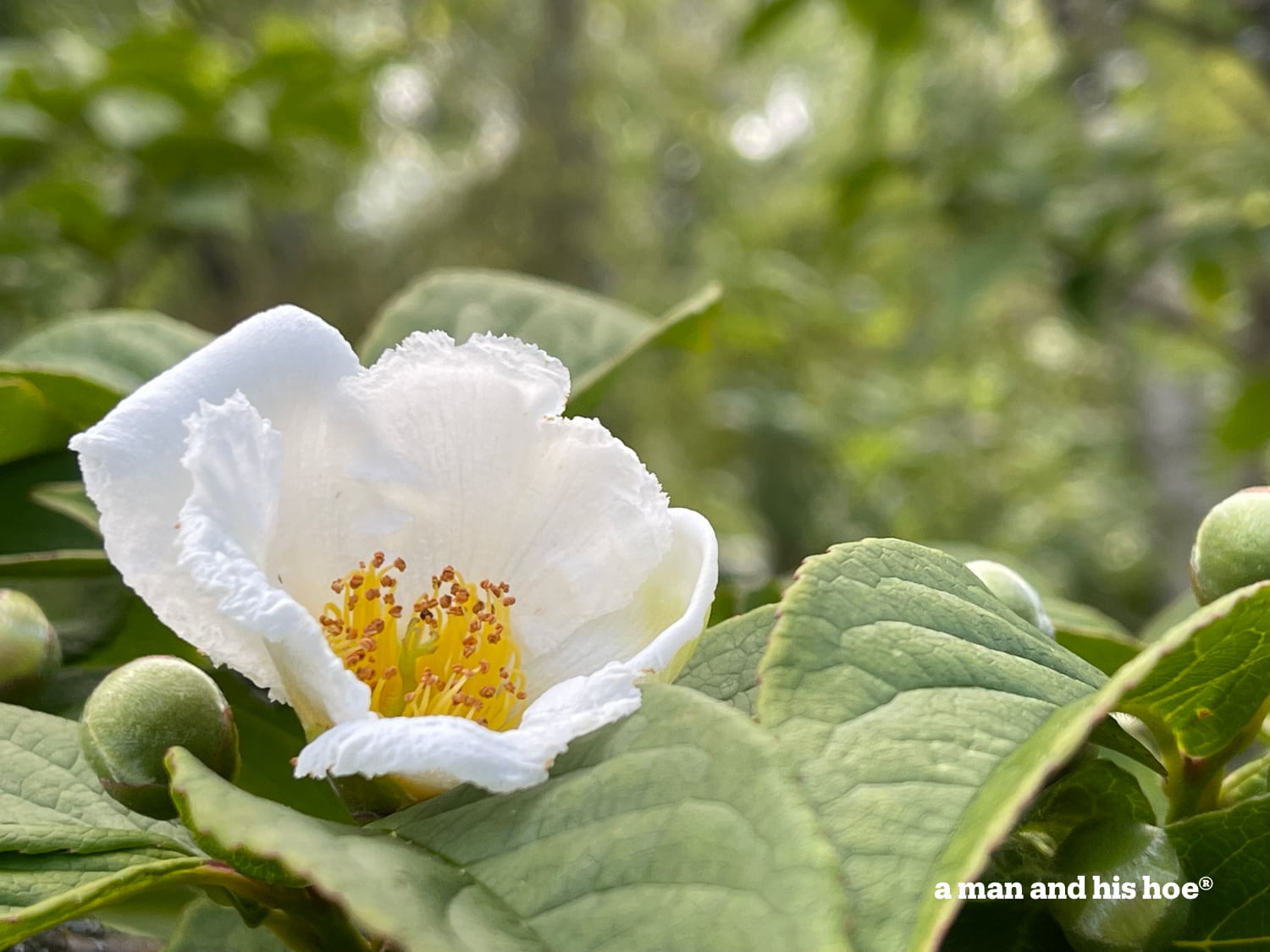
    Stewartia blossom

    The Stewartia is blooming. One of my favorite flowering trees. The name comes from a Scottish botanist, John Stuart. A native tree of Japan, Korea, and China, they had names for it well before John Stuart ever came along. Oddly that it is name after him. In Japan it is called Natsu-Tsubaki 夏椿 – which translates to Summer Camellia.

    It finally feels like summer here. The forecast shows 83ºF, 28ºC, for Monday, June 27. A scorching heat wave for around here.

  • Let It Peel

    We are almost at the longest day of the year, yet summer seems a long way off. Chilly mornings, gray skies, cool breezes. Will it ever get warm this year? Last year’s unbearable heat is a distant memory.

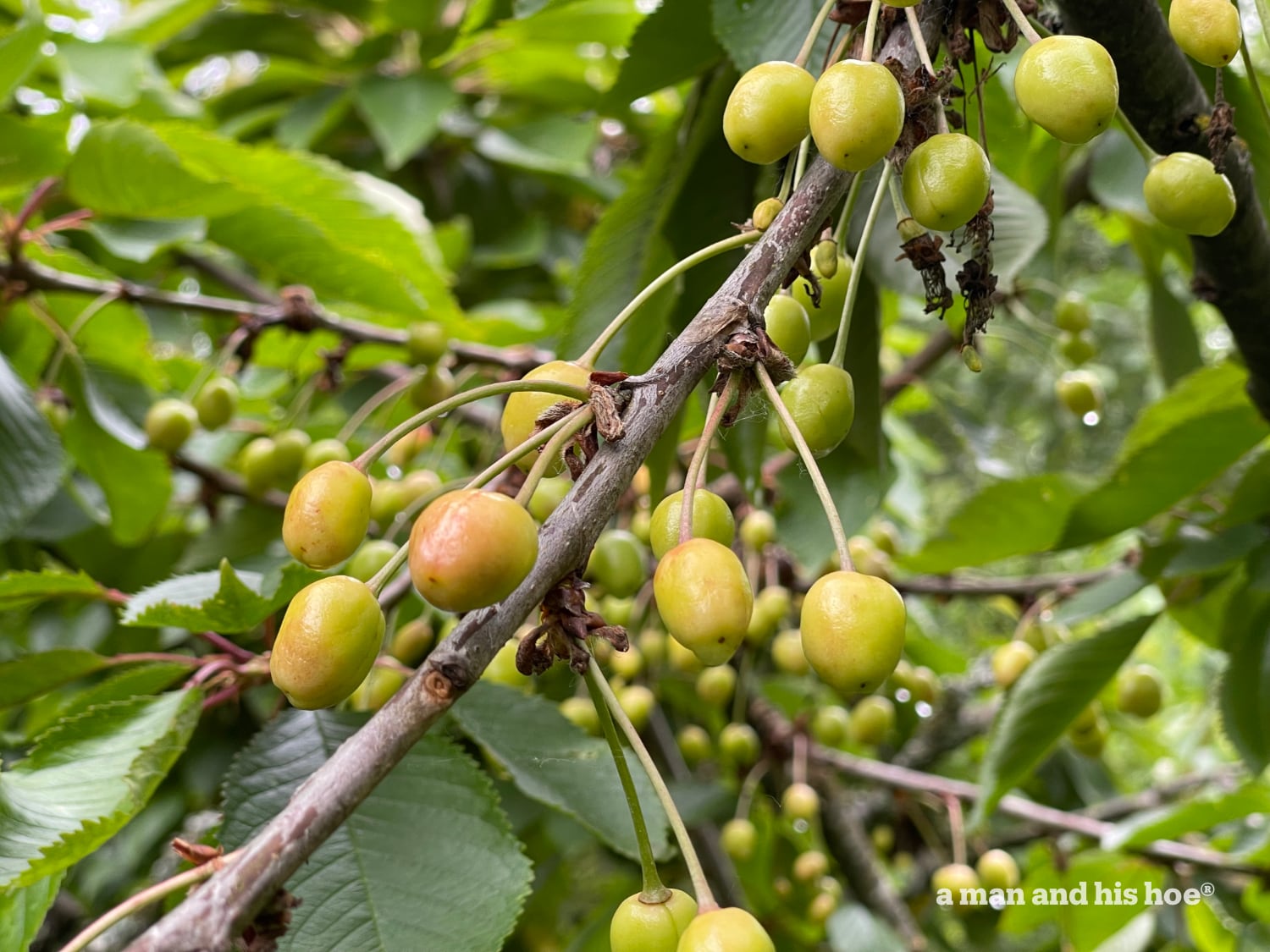
    The cherry trees are laden with heavy bunches of fruit. A sunny week or two will make them divine. Then it will be a race to pick them before the birds do.

    Speaking of birds, a small group of starlings delight us these days. Throughout the day, five to ten of them pick through the grass and bushes hunting for slugs. They drag the slugs onto the pavement, peck at them for a bit, and fly off with them.

    They must be taking them off to their nests to feed their young. It’s the first time I’ve seen starlings eat so many slugs. They can eat them all.

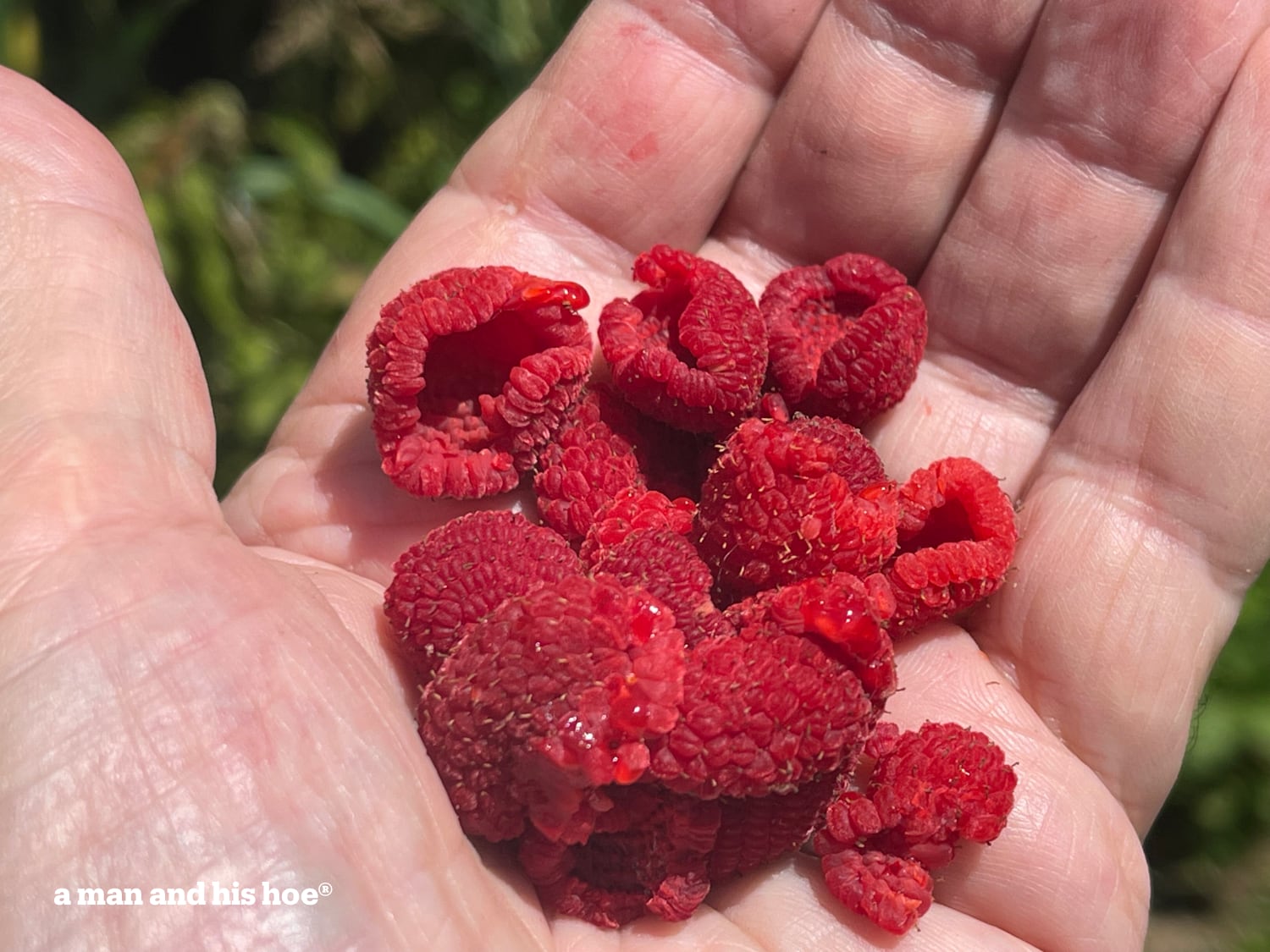
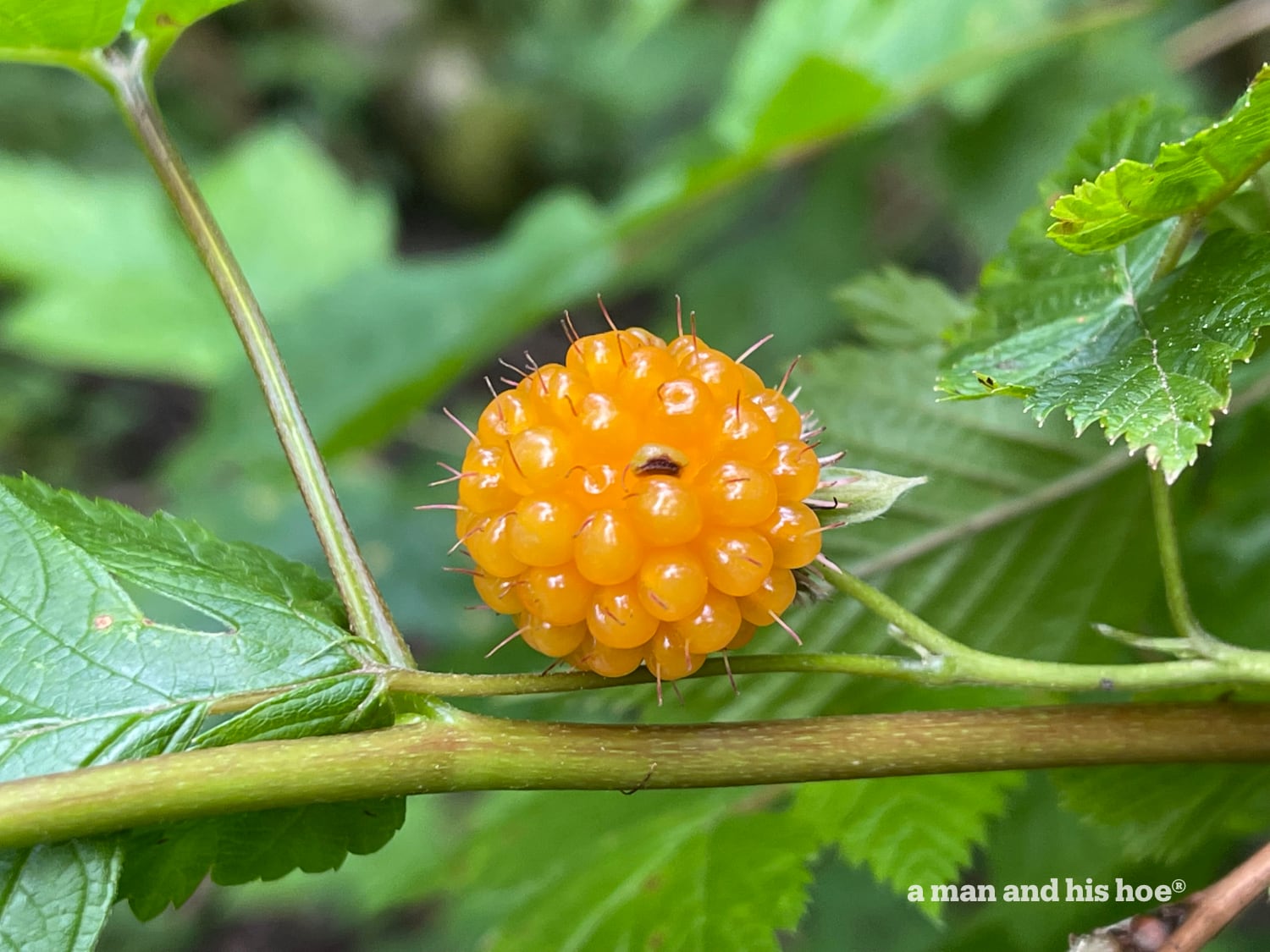
    Salmon berry are nearly ripe. Tart with a touch of sweet. They are one of the berries you never see in a store.

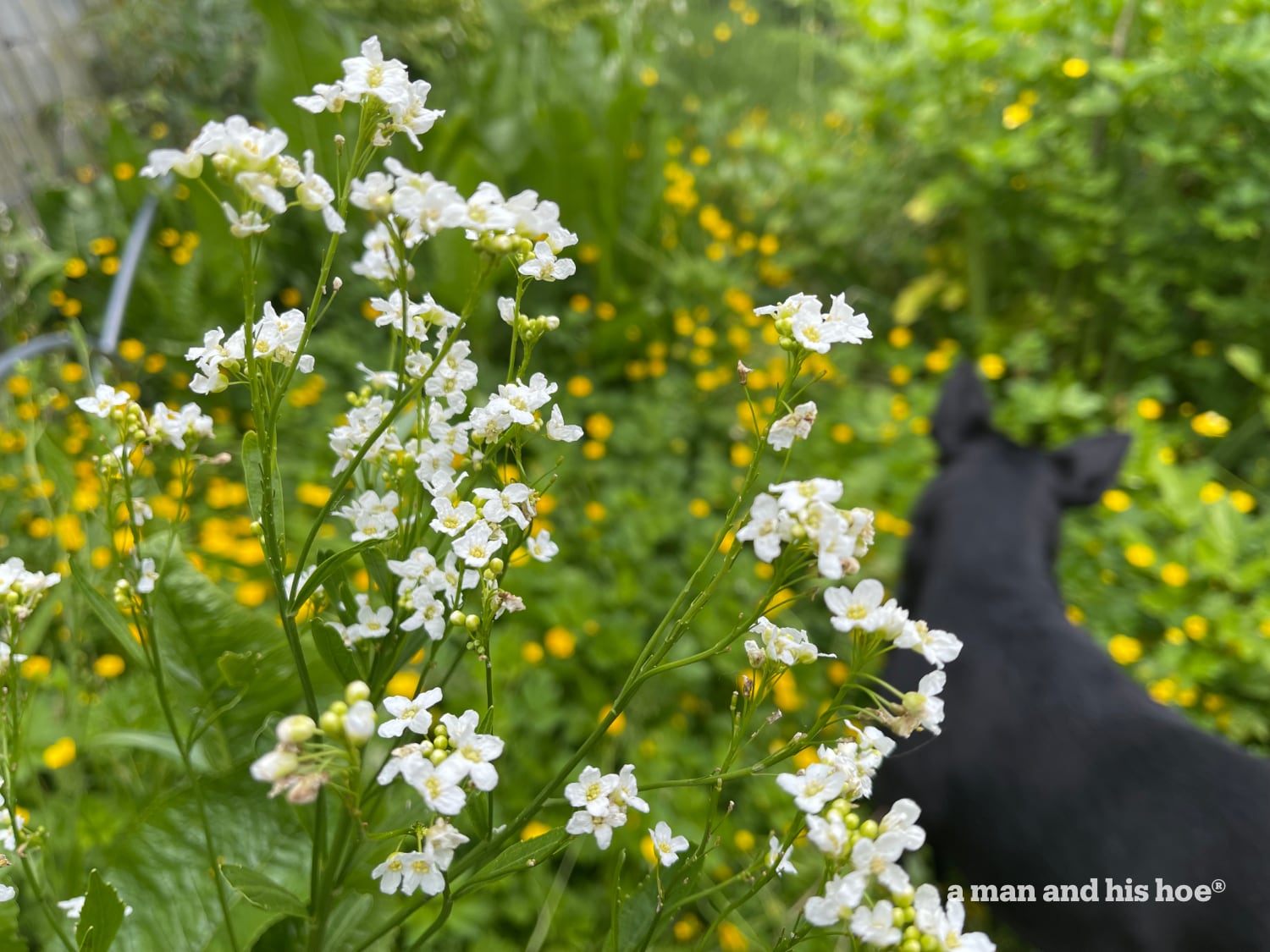
    The horseradish blooms are a delight. From the sweet, honey-like fragrance, you’d never imagine the plants have roots filled with fire. It’s a mind-bending experience nibbling on the sweet smelling flowers. They taste like mild horseradish. Imagine spreading honey on bread and tasting horseradish instead of honey. Your nose says, “Sweet honey!” But your tongue screams, “Burning horseradish!

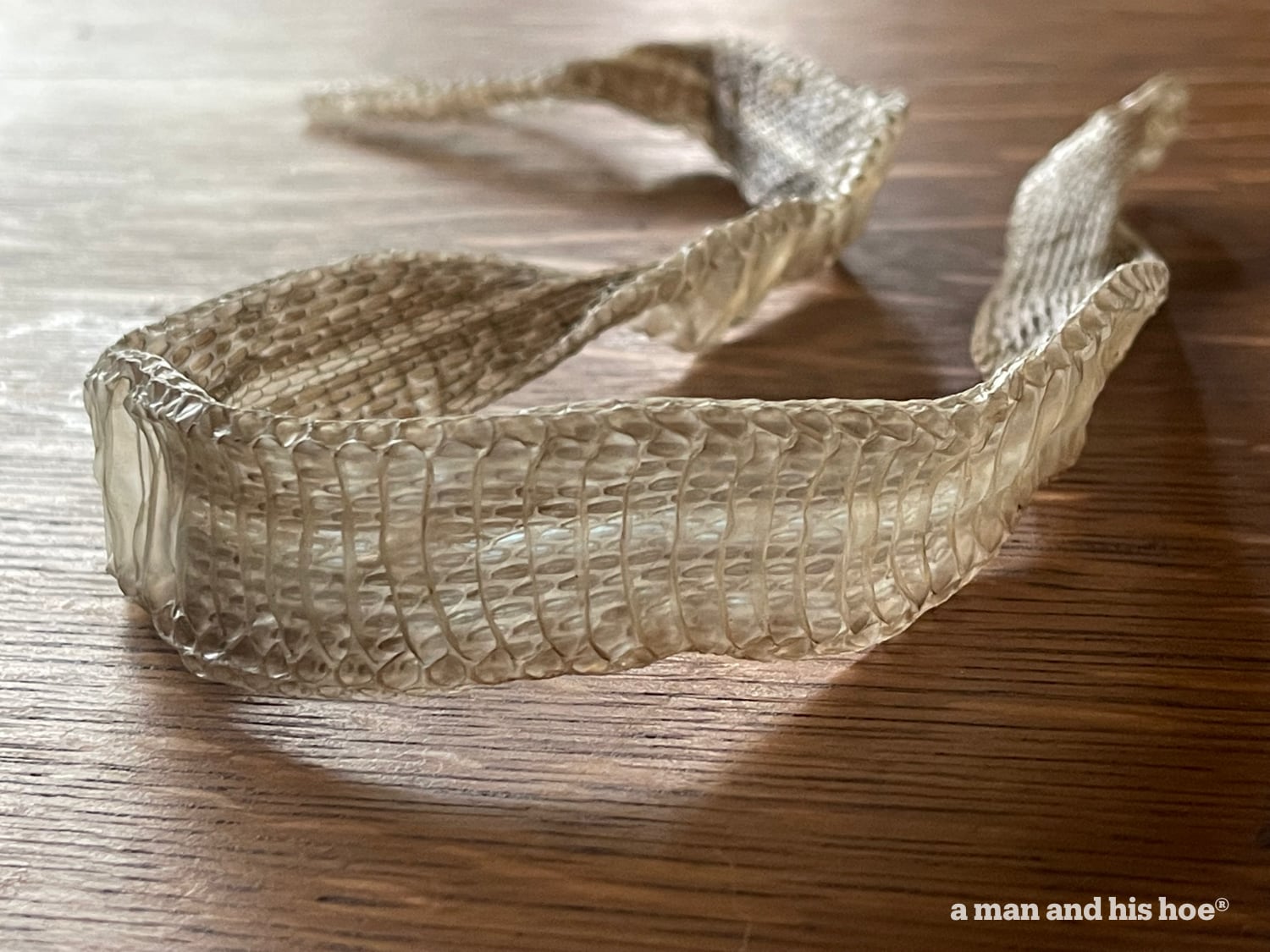
    I found a garden snake skin. It’s so light and delicate. What would humans do if we shed our skin every year in one whole piece? We’d have skin-shedding salons where staff would help us wriggle out of our skins without making a single tear. Wouldn’t it be freaky to take a full skin we just wriggled out of and stuff it to make a life-size replica of ourselves?

    “This was me back in 1980,” you’d say, proudly showing off a skin you shed in high school and mounted as a science project. And parents would embarrass teenagers when they bring their date over to see the family by bringing out a stuffed baby skin. “Robert was such a cute baby. Do you want to hold him?” Could you say no?

    Some people would keep their skin each year and have a special room with their skins stuffed to show off what they looked like year by year.

    People would paint shed skins and make art from them.

    “Cool,” you’d say when you visit someone and they point out that each lampshade is their skin from a different year.

    Skin Preservationist would be a licensed profession. DIY enthusiasts would have YouTube videos showing the best way to preserve your last skin shedding for posterity. There would be skin shedding competitions to see who can shed their skin most creatively. Celebrities would auction off their last skin. And in some cultures you know that just shed skin would be part of the cuisine.

  • Marshmallow Harvest

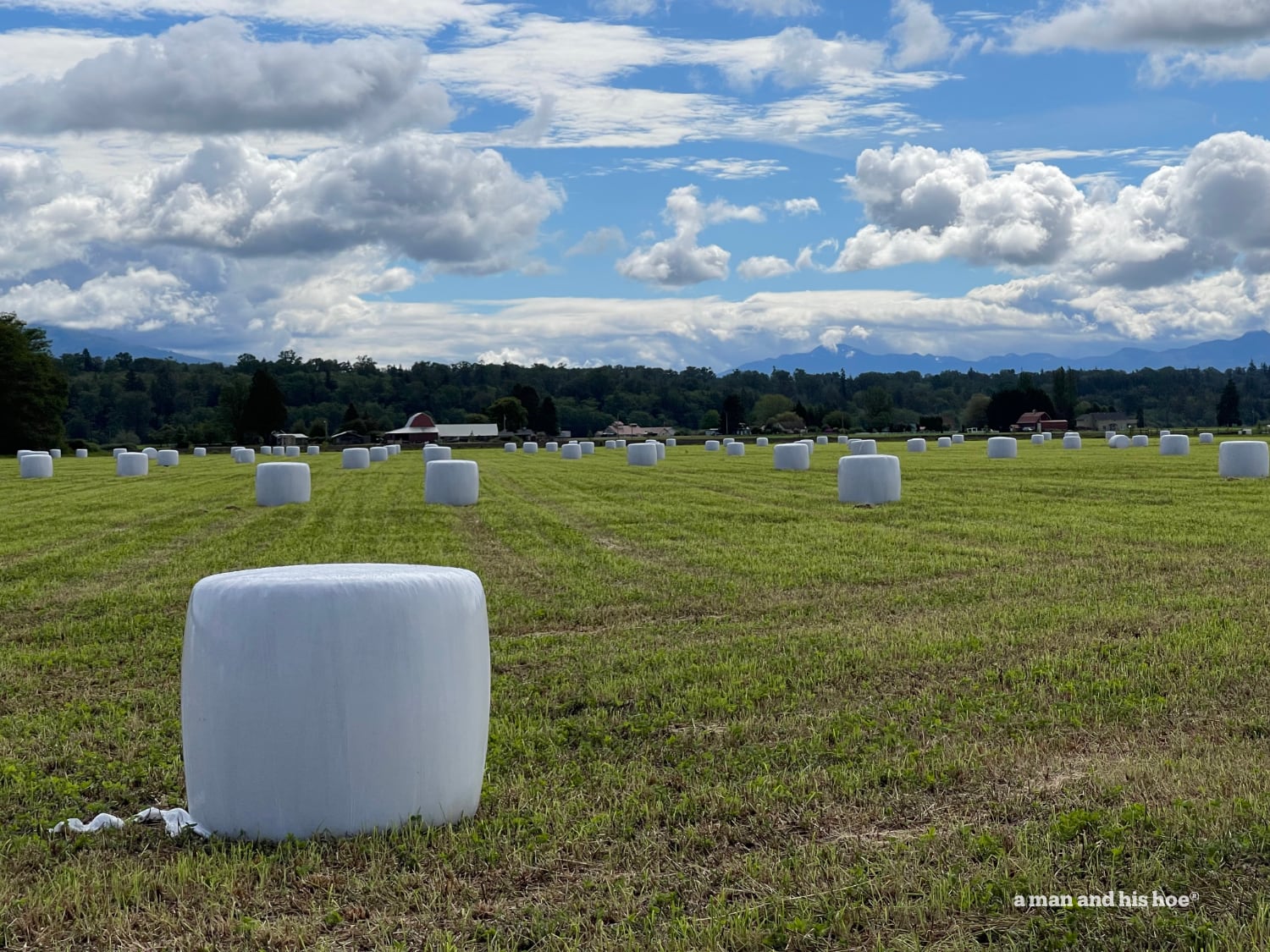
    Marshmallow harvest field

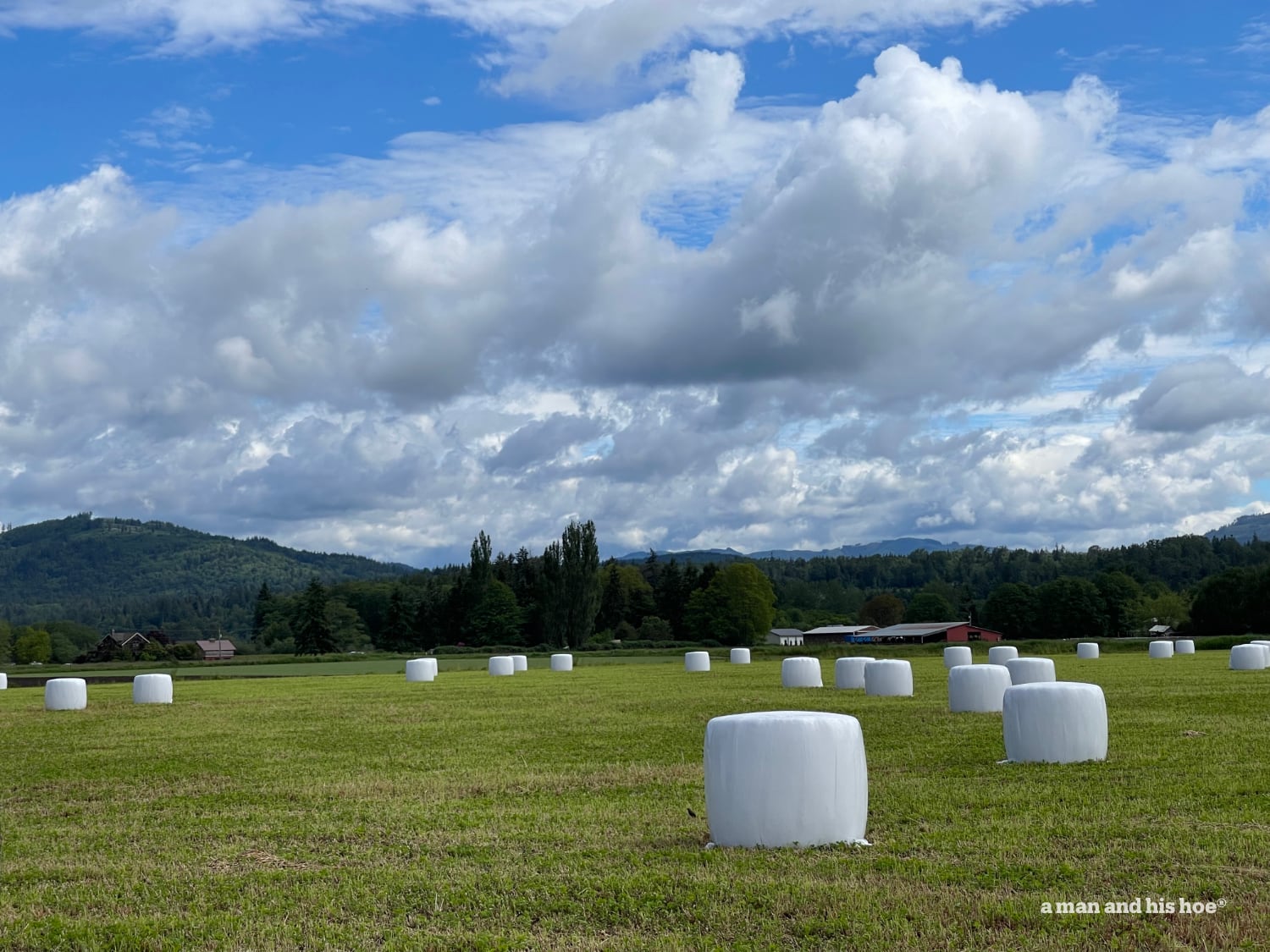
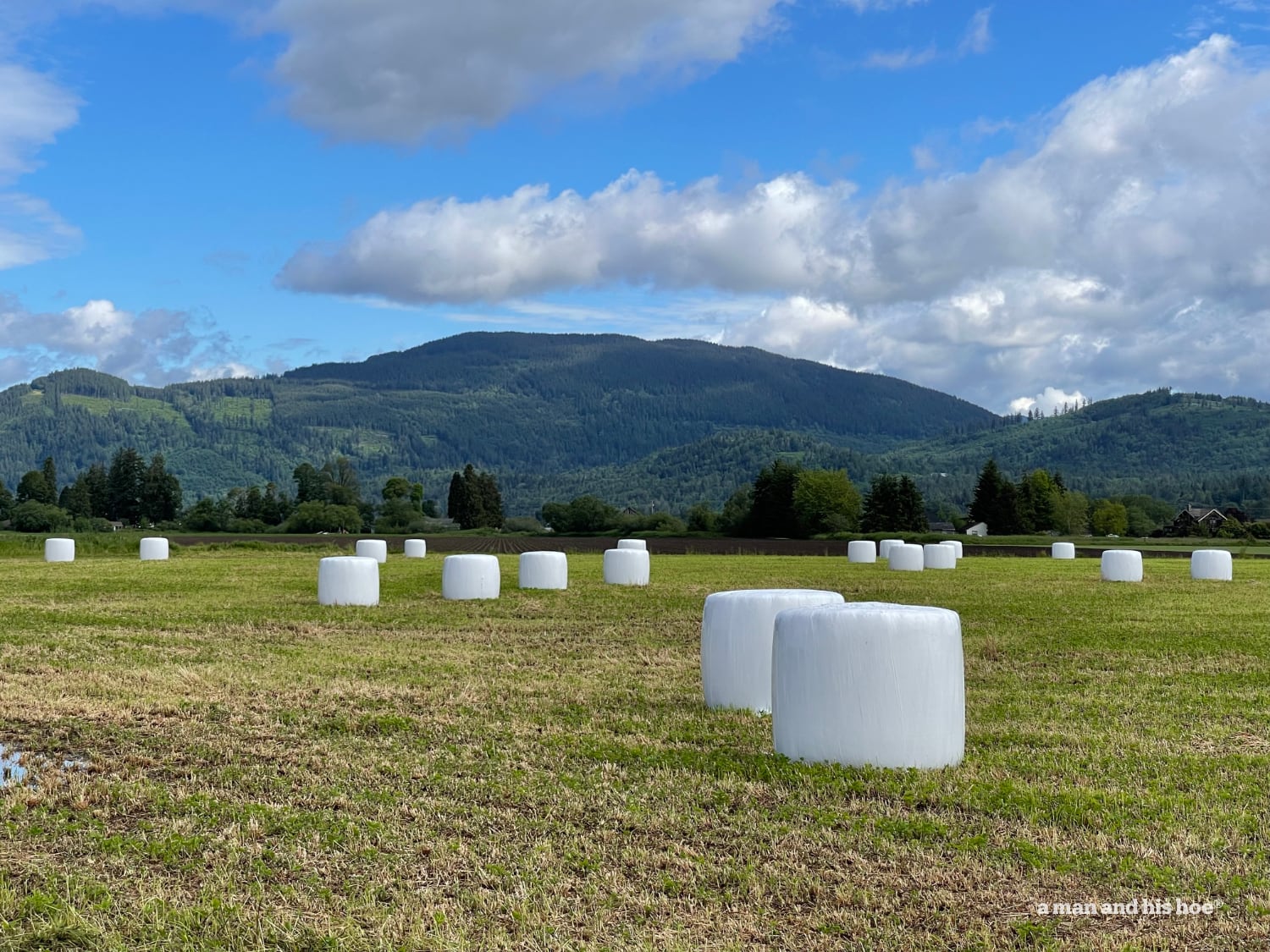
    It’s marshmallow harvest season in the Skagit Valley. Marshmallow berries in the marshmallow fields are plump and ready to be picked. Marshmallow berries are the largest of all berries. In the mild Skagit Valley climate they grow to epic proportions.

    Even though they are so huge, they are so light that they can be hand picked and stacked onto the marshmallow trailers.

    Marshmallow farmers in Skagit County are a major grower of marshmallows. From the vast marshmallow fields, Farmers haul the marshmallow berries to marshmallow packing plants. Dedicated workers in the packing plants cut the huge marshmallow berries into bite size marshmallows and place them into bags you find in your local store.

    Despite all the rain this spring, this year looks like a good year for harvesting marshmallows. And from how plump this year’s marshmallows are, this year’s crop will be a great tasting crop.

    So how can you tell if the marshmallows you buy are fresh? Look for the harvest date on the bag. You’ll find it in tiny print somewhere. By law, marshmallow packers must include the harvest date on the package.

    Marshmallow farmers in the Skagit Valley harvest marshmallow berries from June into August. So if you want the freshest marshmallows buy them from mid June through August.

  • Remembering the Sun

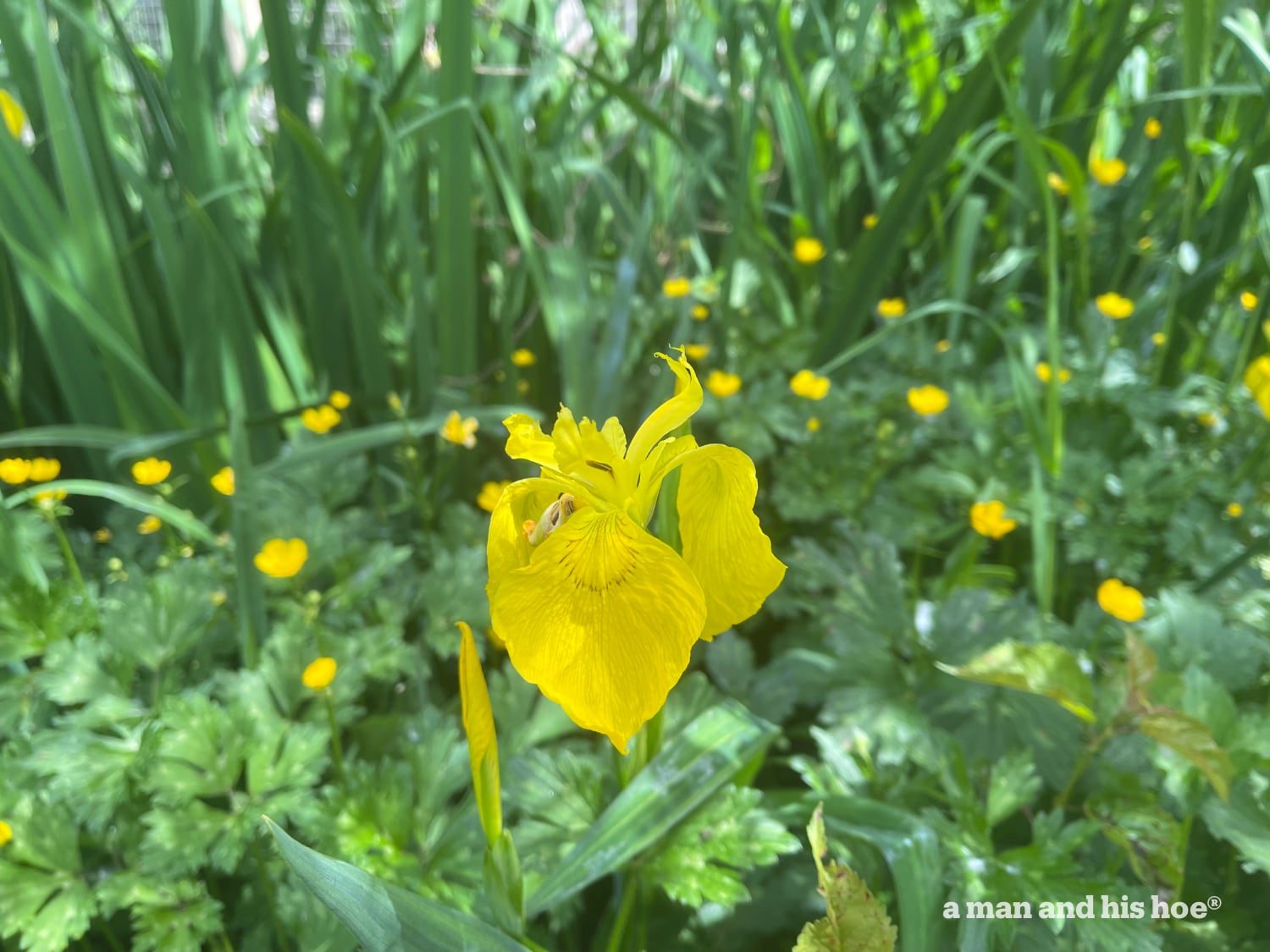
    Blooming iris on a sunny day

    I need to take pictures when the sun is out so on days like today when the rain pours all day long I can remember the sun. According to the National Weather Service, Seattle had 5 hours in all of May when it was 70ºF or higher. In a normal year there are 80 to over a 100 hours of 70ºF weather in May. So you can see how off we are this year.

    Spider on a log

    What do the spiders think of all this cool, rainy weather? They can always crawl into a crack to escape the steady rain drops.

    Snow on her nest

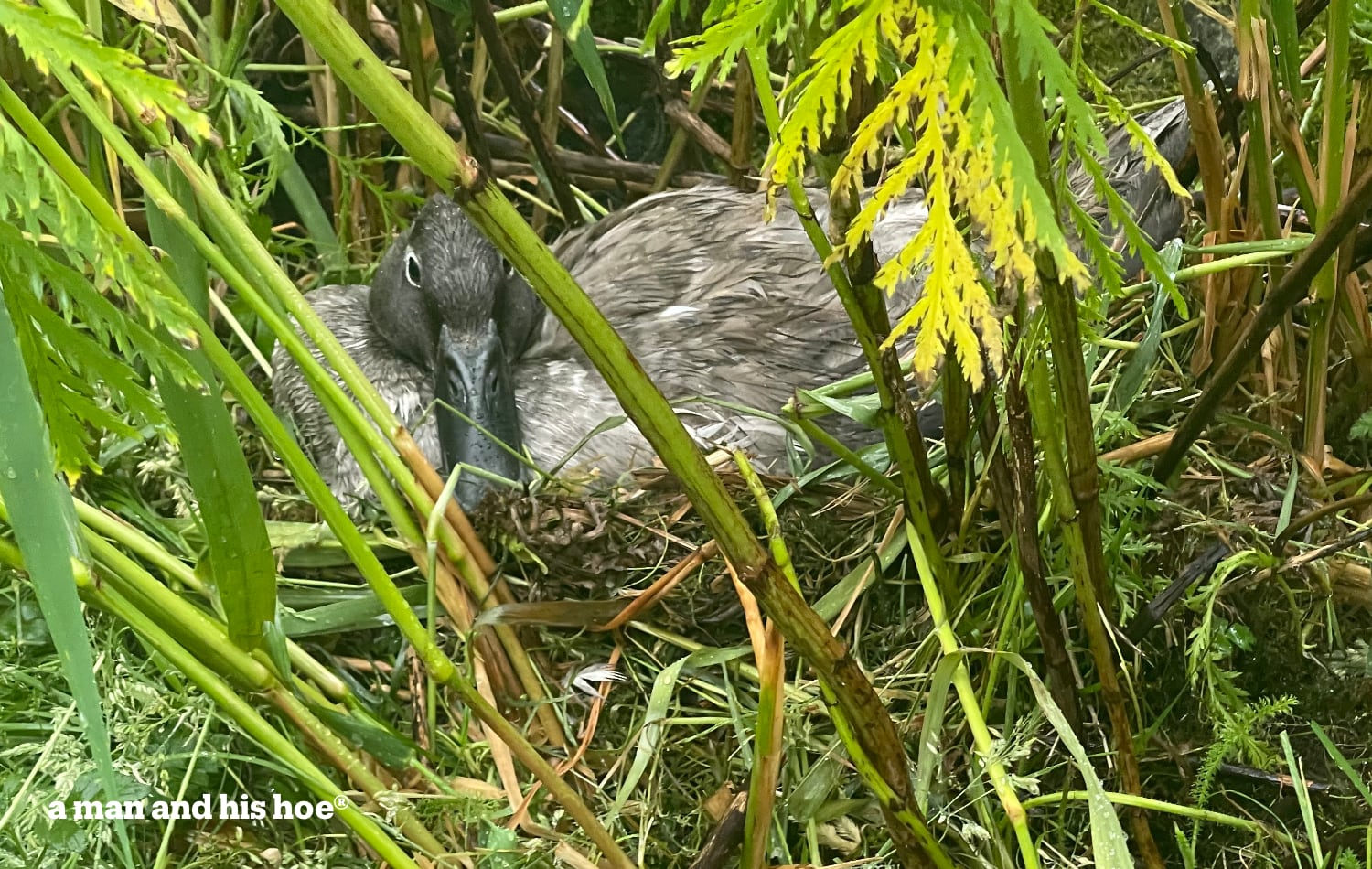
    Snow waits patiently on her nest, waiting for her eggs to hatch. She picked a perfect place to hide.

    Chicken in meadow

    When it isn’t pouring rain, I do like to let the chickens enjoy the nice weather. Do they compare this spring with sunny springs from years past?

    On a totally, not a man and his hoe type of topic, with all the horrific shootings happening recently, I decided to get the latest numbers on gunfire deaths in Japan. And for that I turned to a reliable source, the National Police Agency of Japan. So these are the statistics for gunfire deaths in Japan from 2017 through 2021. The English labels for the rows is on the right.

    Gunfire deaths in Japan 2017 through 2021.

    The figure that popped out to me was that in all of 2021 there was just one death by gunfire in all of Japan. If the US had the same ratio of gunfire deaths, there would have been just 3 deaths by gunfire in the US during all of 2021. The number of gunfire homicides in the US during 2021? 19,384. A far cry from 3.

    The goal of the National Police Agency of Japan is to have zero gunfire deaths. They are almost there.

    Letting children get gunned down in elementary schools is a choice not an inevitability. Some countries choose to let this happen, others do not.

  • From Me to You

    Bee in thimble berry flower

    From me to you, a photo of a bee gathering nectar and pollen from a Thimble Berry flower. Cool weather still dominates here with the occasional warm, sunny day breaking the wet, cloudy days. I’m sure the bees are wanting warmer weather more than we humans.

    Baby cherry fruit

    Despite the cool spring, the bees did pollinate many of the cherry. The proof is the green cherry fruit where white cherry blossoms used to be.

    Seven duck eggs in next

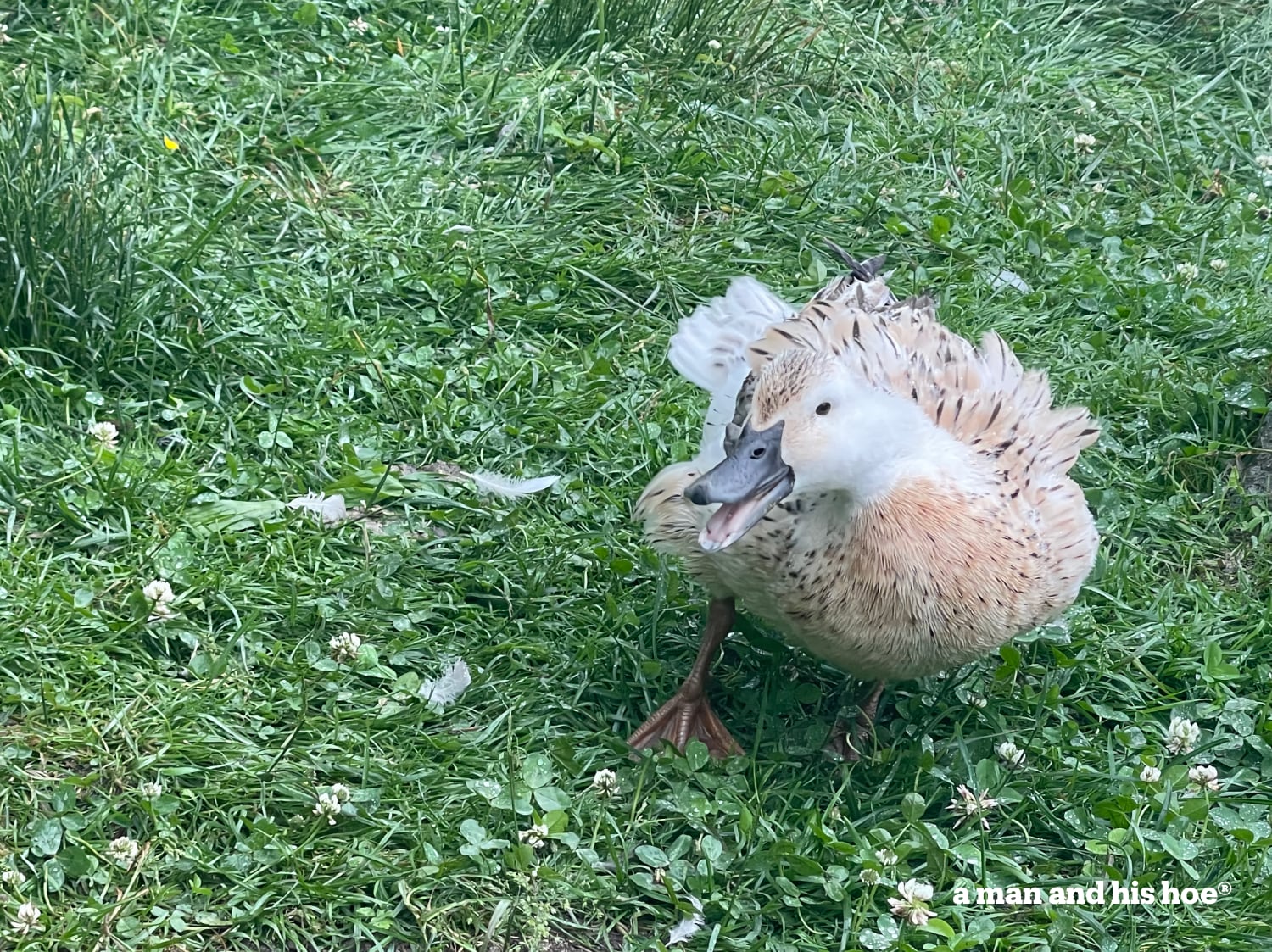
    And the three duck eggs in the second duck nest are now seven. So how many duck eggs will the ducks lay before they decide it is time to incubate them?

    Chickens foraging in the grass

    The chickens do enjoy foraging in the meadow. But the bob cat is back, so how much time to let the chickens roam is something to consider. Two nights ago the dogs were still out at 2 in the morning. It was too quiet. Something wasn’t right. I grabbed a flashlight and went looking for them. I found them at the gate, looking up at the archway. And on the top of the archway was a large bobcat.

    When I aimed the flashlight at the bobcat, it jumped off the arch onto the roof of the garden shed and disappeared into the neighbor’s woods.

    I did find it odd that the dogs were so quiet. Normally if they corner something in a tree like a squirrel or raccoon, they bark constantly. They were eerily quiet with the bobcat.

    So how do these pictures get from me to you? When you look up into the sky, do you imagine that at some point the pictures I take were at some point radio waves bouncing around 550 kilometers (340 miles) up in the sky? They go further into space than the International Space Station.

    From me to you, words and photos are streamed from an antenna into space.

    So how do my words and photos get from me to you? I use my iPhone to take the photos. I edit the photos and words on my MacBook. From my MacBook the words and photos get beamed as radio waves from our StarLink antenna to a StarLink satellite orbiting the earth. From there they get beamed back to a StarLink ground station and sent to our host company’s servers, and sent on to you.

    Starlink satellites orbiting the earth pick up the radio waves from me.

    This morning, there are 1,877 functioning StarLink satellites orbiting the earth. Each one circles the earth in 90 to 95 minutes. Which means they are overhead for just a few minutes. If I could grab a tether from one, I could be in Tokyo in 12 minutes.

    Every little white dot is a StarLink satellite orbiting the earth. The long strands of satellites are recently launched satellites which are still climbing. As they reach their final orbiting height they will spread out and blend in with all the other orbiting satellites.

    The hexagon cells are areas where StarLink provides service.

    Neary StarLink satellites which pick up the radio waves from me to you.

    Our StarLink antenna tilts north, so it mostly communicates with StarLink satellites zipping across southern British Columbia. Which in turn communicate with ground stations in places like Redmond, North Bend, and Brewster. And this happens in millionths of a second.

    So that is how my words and pictures get to you.