• Apple Shareholder Proposal Submitted

    On September 8, 2026, I submitted the following shareholder proposal to Apple Inc., regarding the renaming of Lake Ontario and The Gulf of Mexico. I asked in the proposal that the names “Gulf of Mexico” and “Lake Ontario” be restored to Apple Maps.

    This is the proposal and supporting statement:

    Resolved: Shareholders request that the Board of Directors of Apple Inc. take appropriate steps to restore “Gulf of Mexico” and “Lake Ontario” as the primary names displayed in Apple Maps for users in the United States, while permitting supplementary display of alternative names where appropriate or legally required.

    Supporting Statement

    Apple Maps is a global geographic information service whose value depends on accuracy, consistency, and the confidence users place in the information it presents.

    Apple has replaced the longstanding names Gulf of Mexico and Lake Ontario with “Gulf of America” and “Lake America” for U.S. users. The proponent believes these changes unnecessarily associate Apple with politically contested naming decisions and undermine the trust of customers who expect a mapping service to reflect established geographic usage.

    The name Ontario is derived from an Indigenous Iroquoian word and predates the creation of both the United States and Canada. It reflects the history, languages, and enduring relationship of Indigenous peoples with the lake. The Mohawk Council of Akwesasne and Saint Regis Mohawk Tribe have publicly opposed the renaming, emphasizing the cultural significance of the original name.

    The proponent considers the replacement of this Indigenous-derived name with “Lake America” an affront to Indigenous peoples and their cultural heritage. It disregards the historical identity of a lake that Indigenous nations named and knew long before modern national borders existed. Apple should not participate in the erasure of that history merely to conform to a politically motivated naming decision.

    Lake Ontario is also shared by the United States and Canada. Neither country has exclusive authority over its international identity. Similarly, the Gulf of Mexico is a longstanding geographic name recognized internationally and associated with multiple countries.

    Restoring the established names would not prevent Apple from acknowledging alternative governmental designations. Such names could be displayed secondarily where appropriate, without replacing the primary names familiar to generations of users.

    The requested action would demonstrate respect for Indigenous heritage, established geographic usage, international neighbors, and Apple’s global customer base. It would also reduce the reputational risks associated with adopting politically contested names.

    No federal law requires Apple to use these alternative geographic names. Apple therefore retains the discretion to restore the established names as the primary labels. This proposal asks the Board to exercise that discretion in a manner that appropriately considers historical accuracy, Indigenous cultural heritage, international usage, customer trust, and reputational risk.
  • Don’t believe everything you think

    Independence

    While reading Pema Chödrön’s Another Kind of Freedom this morning, I smiled when I read, “Don’t believe everything you think.” What a good way to make light of the thoughts that pop in and out of our mind.

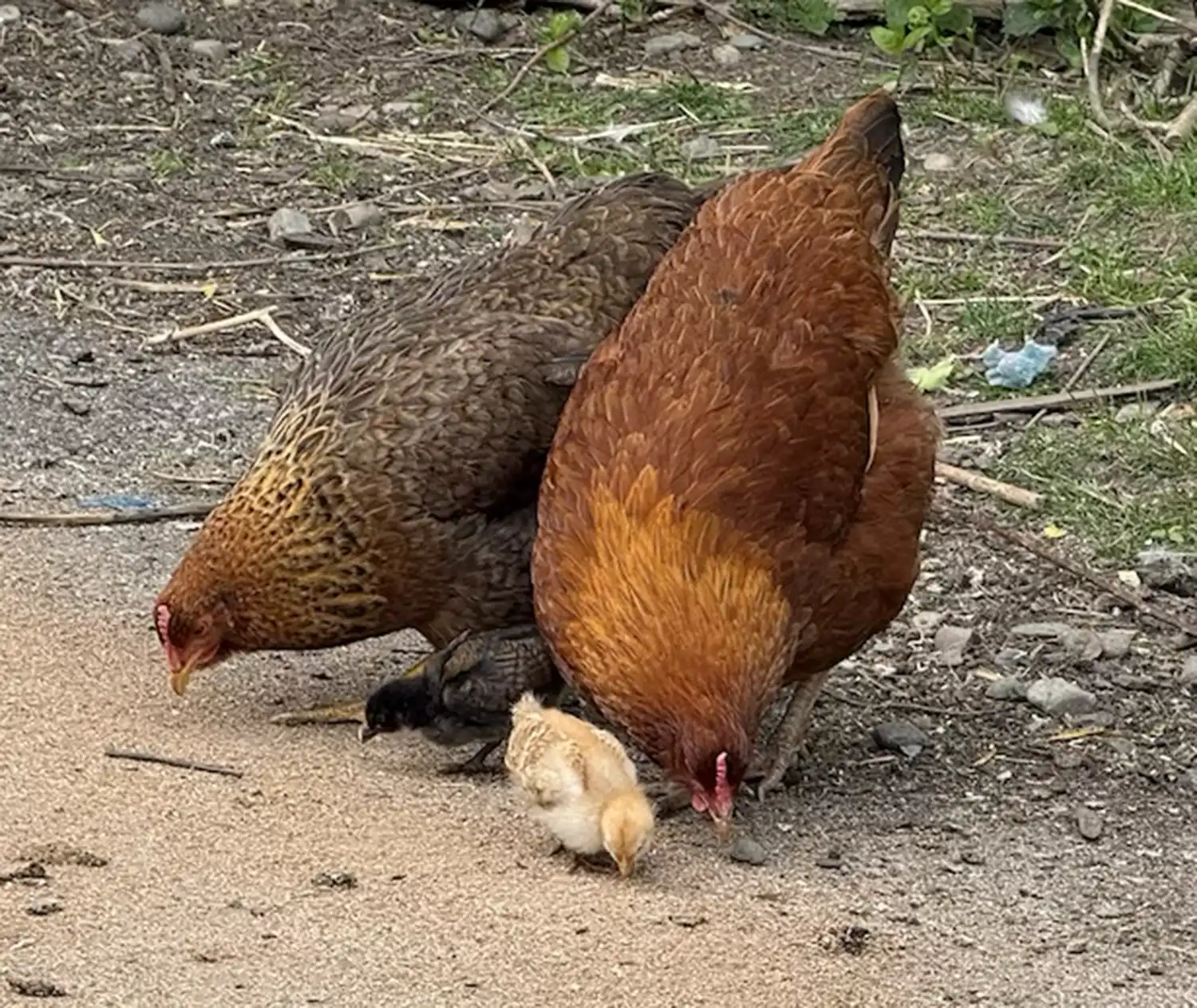
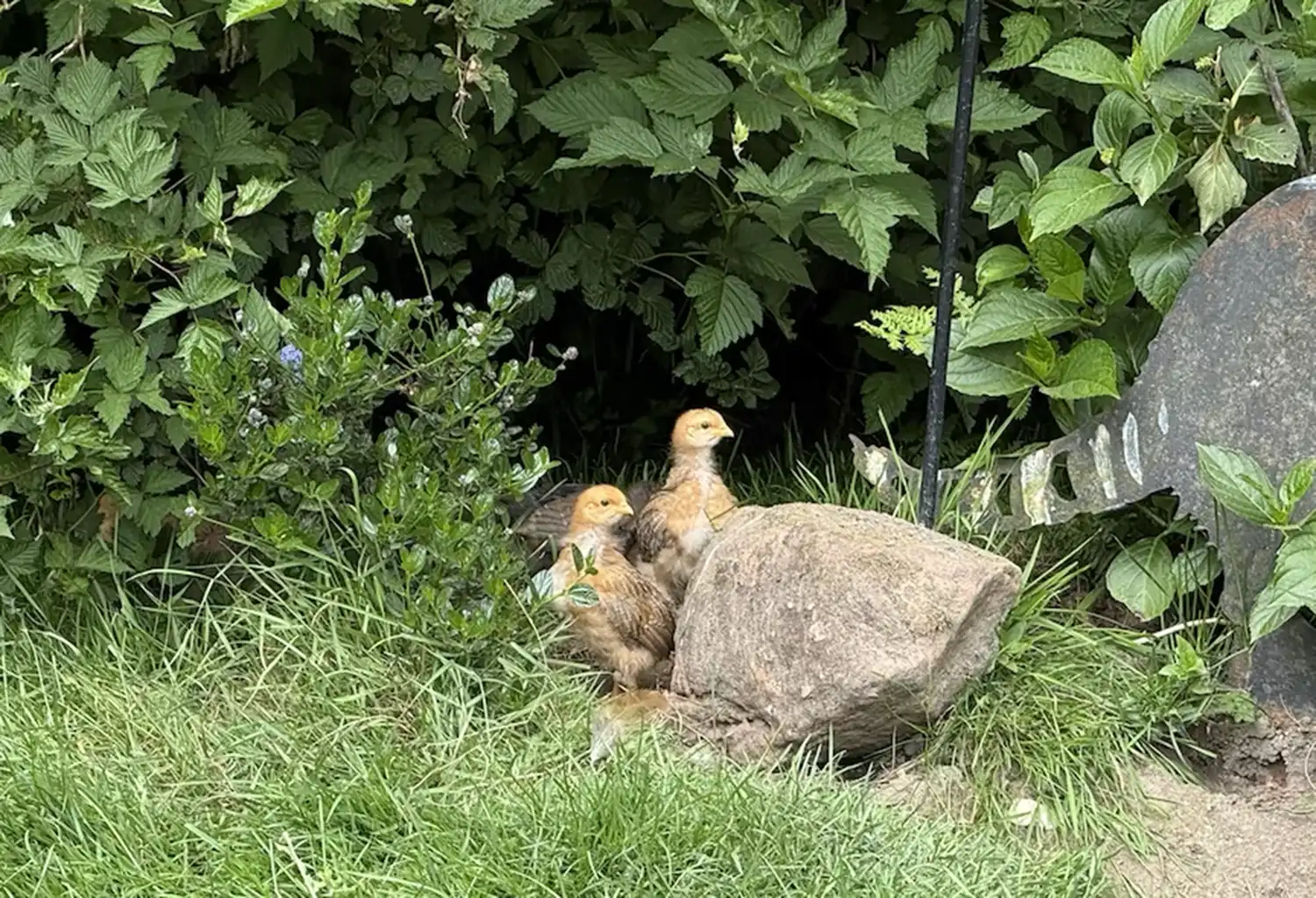
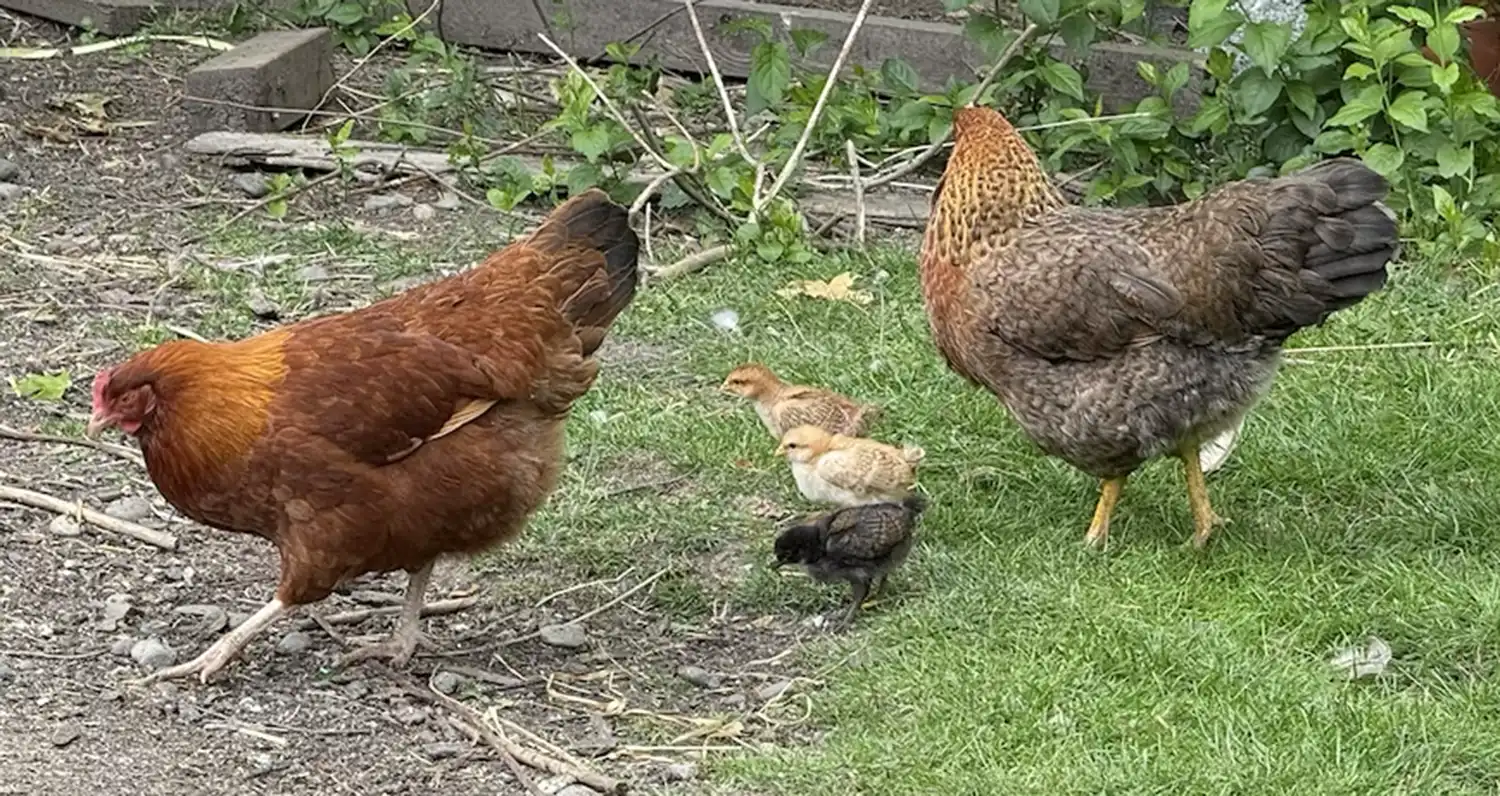
    It’s the longest day of the year. The chicks are growing up fast. On their way to independence. Every year I have hens that sit on the same nest and hatch a brood together.

    Co-parenting

    They end up co-parenting their shared broods. The chicks don’t care if they have one mother, two mothers, or three.

    Co-parenting

    The chicks bond with both hens and go back and forth between them.

    Summer Solstice is a mix of happiness and sadness for me. Summer feels like it is just getting started, but it’s all downhill from here, shortening days, the knowing that darkness is approaching.

    Bee on a flower

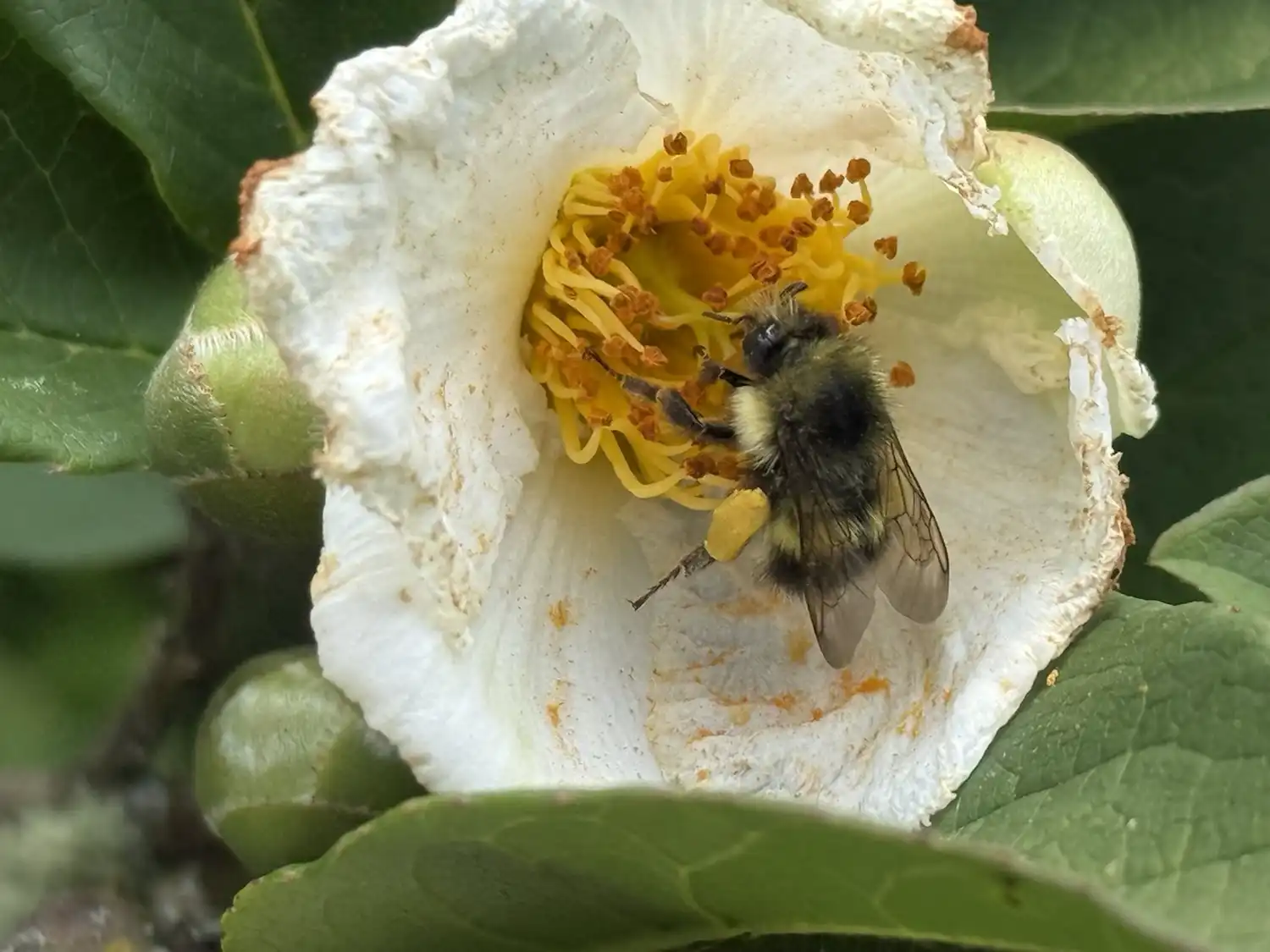
    It’s prime bee season. I think it would be lovely to be a bee. To live your life in blossoms, being able to plunge into them, bury your whole head into the flower to find its nectar. Though I suppose a bee allergic to pollen wouldn’t enjoy the experience. Though I doubt there are any such bees.

    In any case, a bee can’t sneeze. They don’t breathe through a nose. They breathe through tiny openings called spiracles along the sides of their bodies.

    Happy Summer Solstice day for those in the Northern Hemisphere. And for those of you in the Southern Hemisphere, the days will be getting longer now.

  • There’s Always Hope

    California Lilac

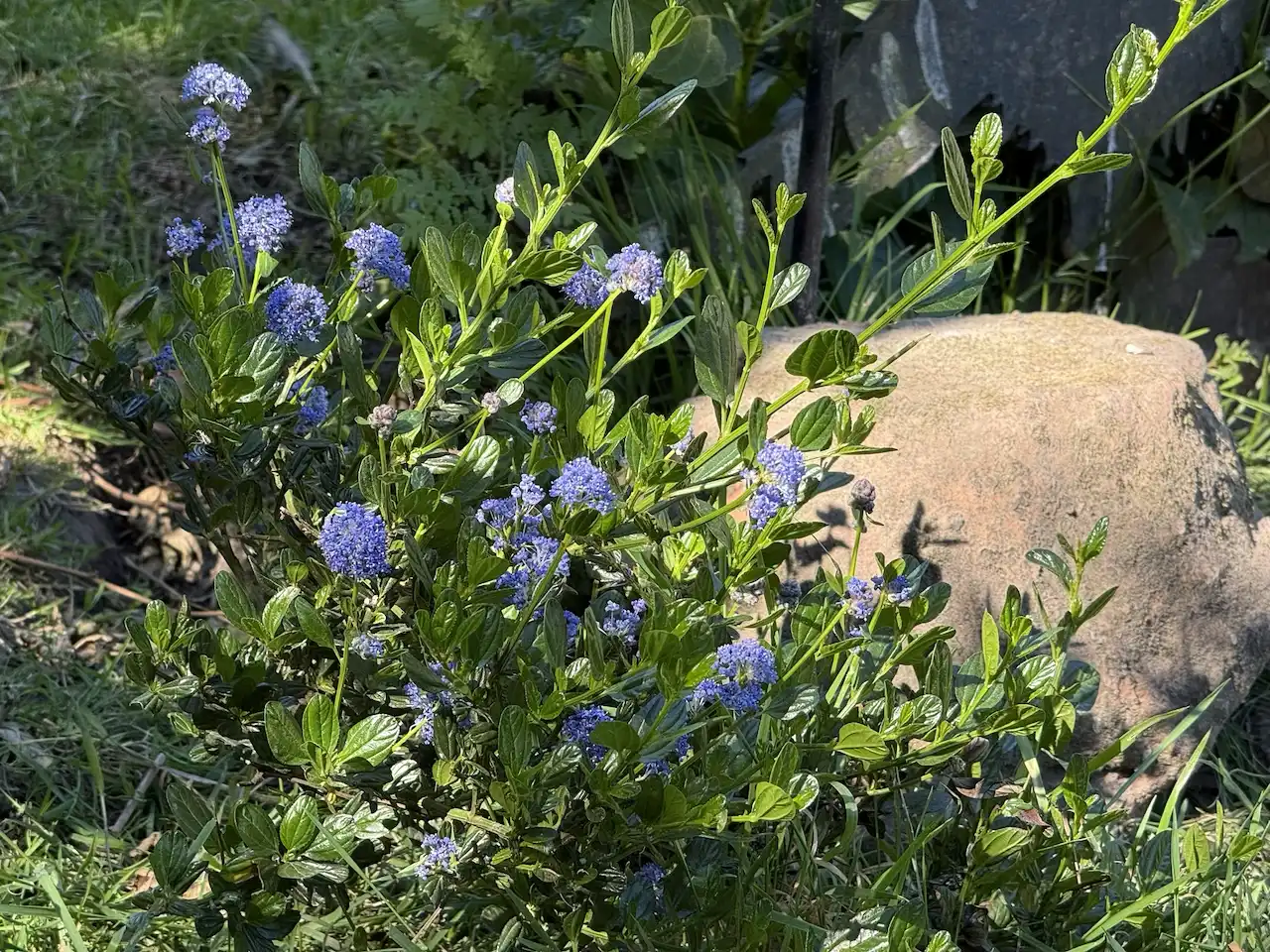
    Five or six winters ago, a long cold spell killed our large California Lilac. In the summer bees by the thousands used to buzz around the bush, feasting on the flowers which bloomed all summer long.

    We waited two years in vain for any growth to appear on the bare stems. It was a sad day when we cut down the dead bush. Fearing another deep freeze, we didn’t replace it.

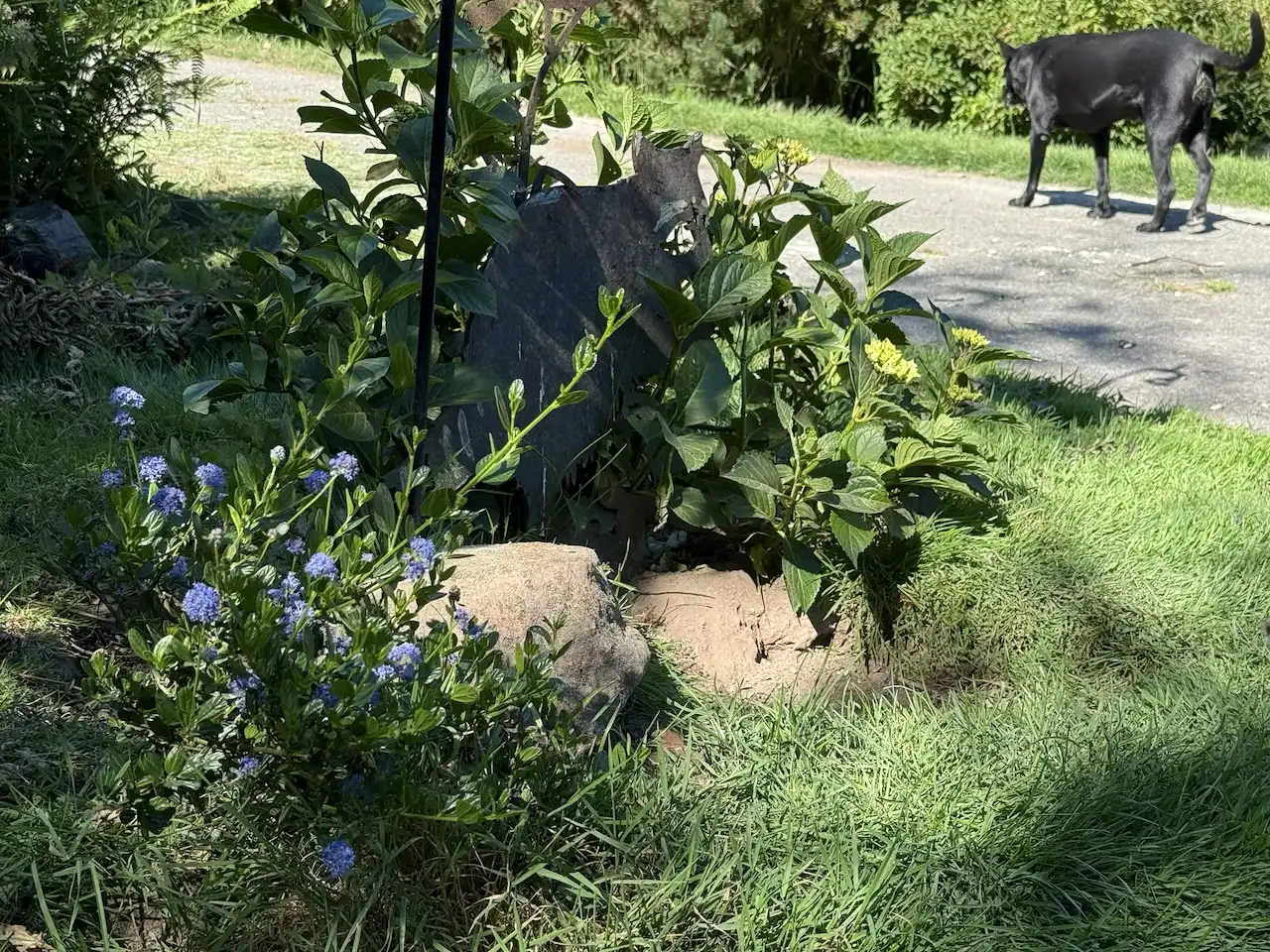
    Imagine my surprise when this spring I saw a sprig of the California Lilac poke out of the ground. It’s now in bloom, a little bush with a lot of hope. What were the roots doing all these years? Lying dormant? Feeling how cold it got each winter before they were assured that such deadly winters were a thing of the past?

    California Lilac

    In a few more years, it should be of a good size. Hopefully it will regain the stature it once had. And be a gathering spot for thousands of bees again.

    Rooster in the shade

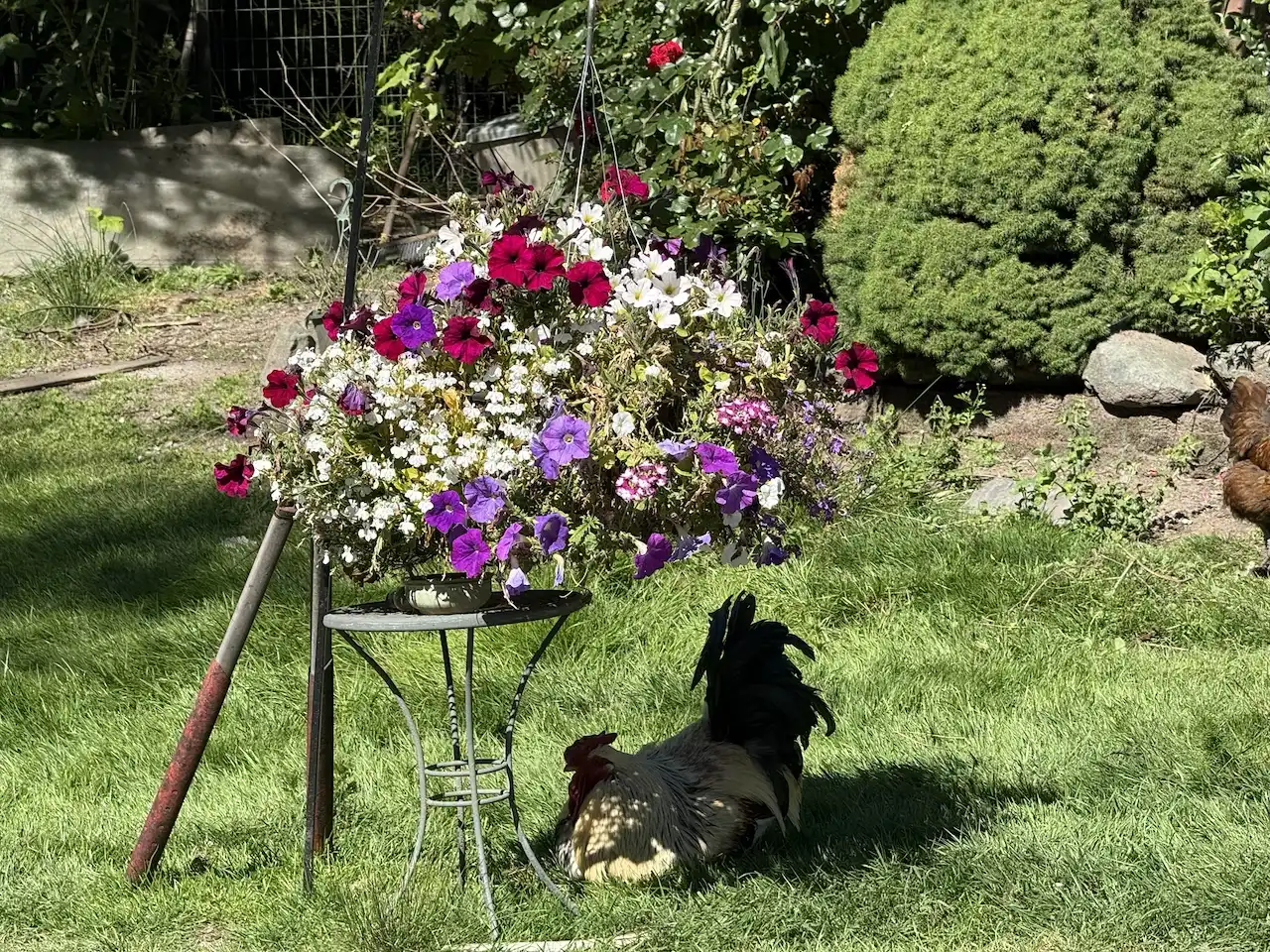
    On a warm, sunny day like today, the shade of a hanging flower pot makes a great place for a rooster to chill.

  • June Rose

    June rose

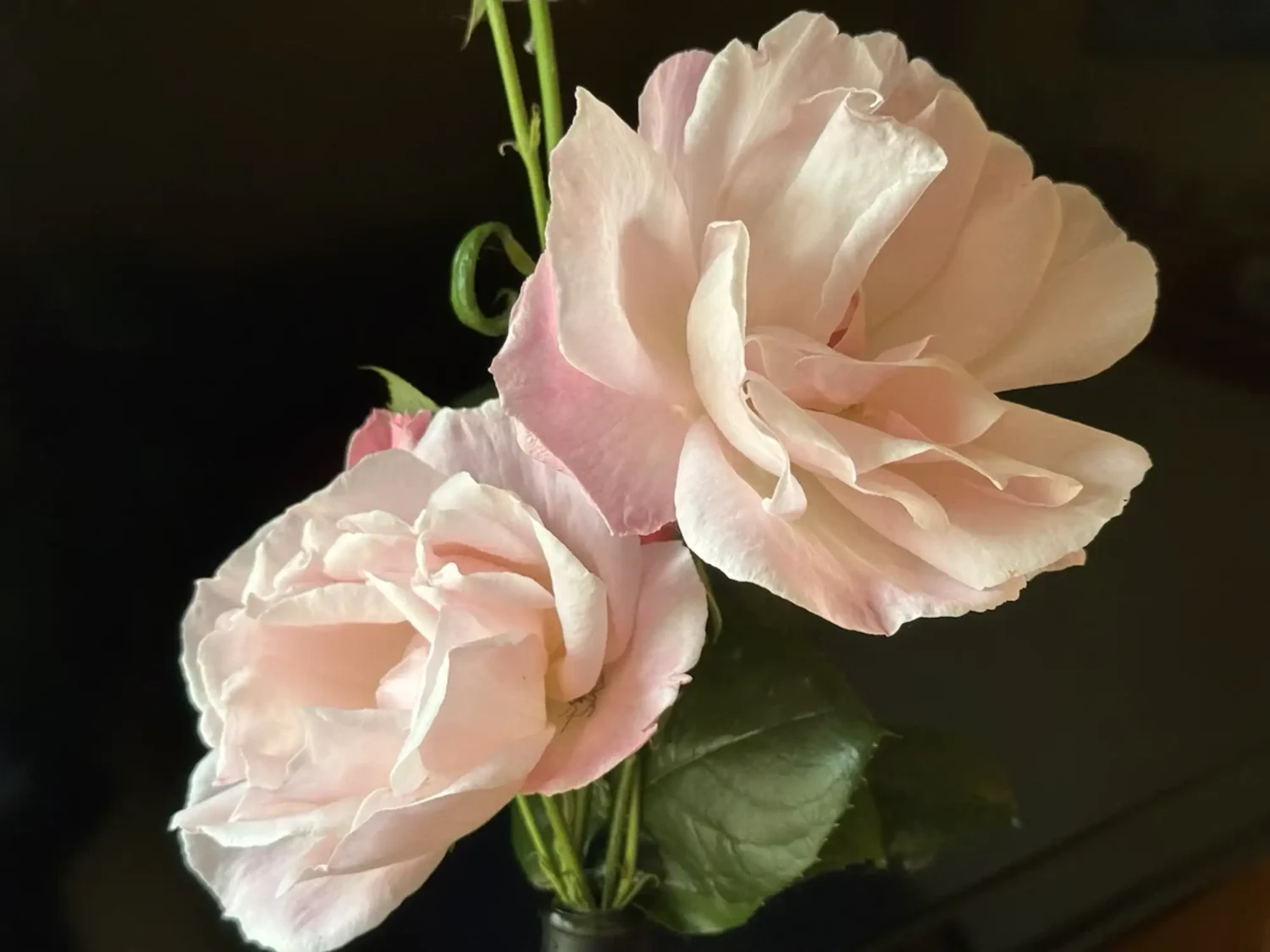
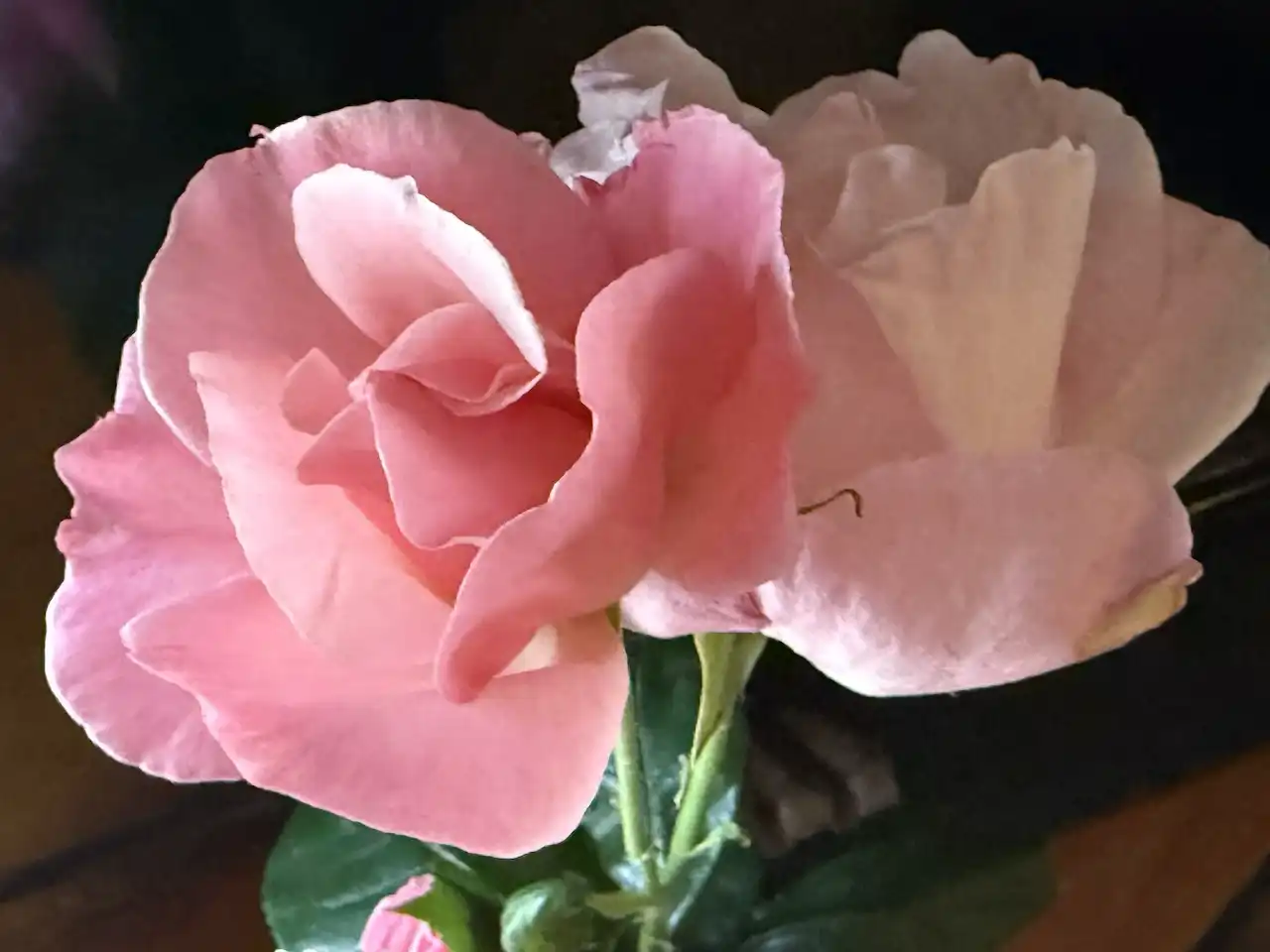
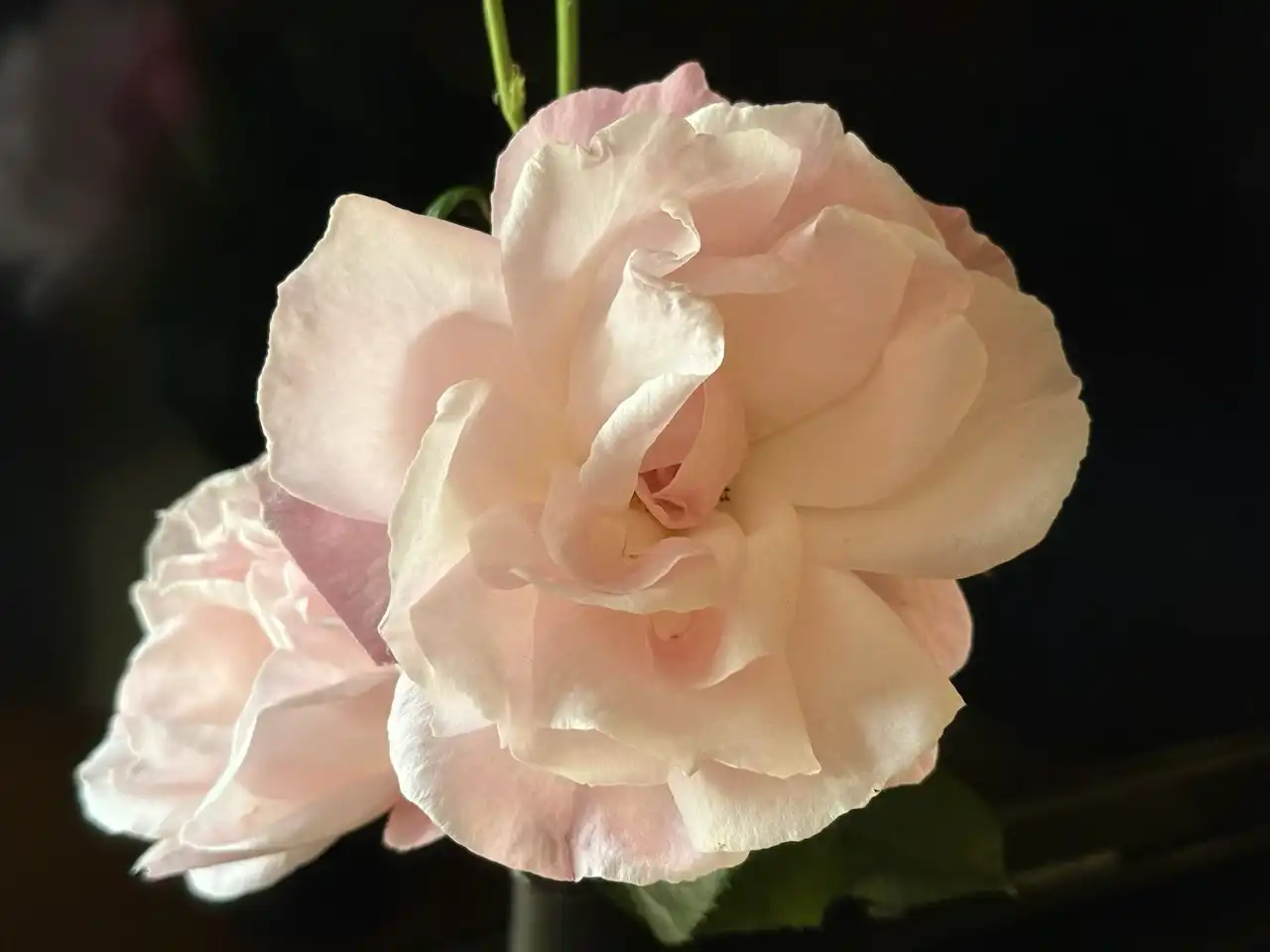
    A family member needed a home for a small rose plant years ago. We planted it in a spot tucked away. Last year I pruned it heavily. I just happened to look its way yesterday and went running to get a scissors to bring these massive, pink, sweet-scented flowers indoors to enjoy.

    June rose
    June rose

    It’s time to get back to maintaining this site. During this long hiatus, I have been deep into programming a commercial WordPress site. I won’t bore you with the details, but “less is more” is the key to making a responsive, nimble, easy-to-use site.

    Among programmers, a maxim attributed to Robert C. Martin is, “The fastest code is the code that never runs.” As I was whittling away at the plugins and code used on this commercial site, I hit an “ah-ha” moment when I discovered that an often-used plugin to speed up websites was actually making each page load 100 milliseconds longer. I’d optimized the site so much that the plugin to speed things up no longer made sense.

    Another moment of clarity came when I looked at the substantial SEO (search engine optimization) plugin the site used. It promises to do a lot, and it makes it sound like search engines will ignore your site if you don’t use it. But when I discovered that all search engines look for are a few bits of descriptive information in your output, and that it takes just a few lines of code to insert those into all your pages, I chucked the massive SEO plugin and instantly sped up every page.

    Now I have the wherewithal to devote time to this site again—to share the beauty of nature that surrounds me. It’s so easy to take it for granted. Out my window, all I see is nature. I can step out of the house and be in the woods, where I and our two dogs are the only visitors on the paths that meander through the trees.

    There is too much beauty and wonder not to share.

    So, it is back to posting and applying what I’ve learned to this site.

  • Mid-May

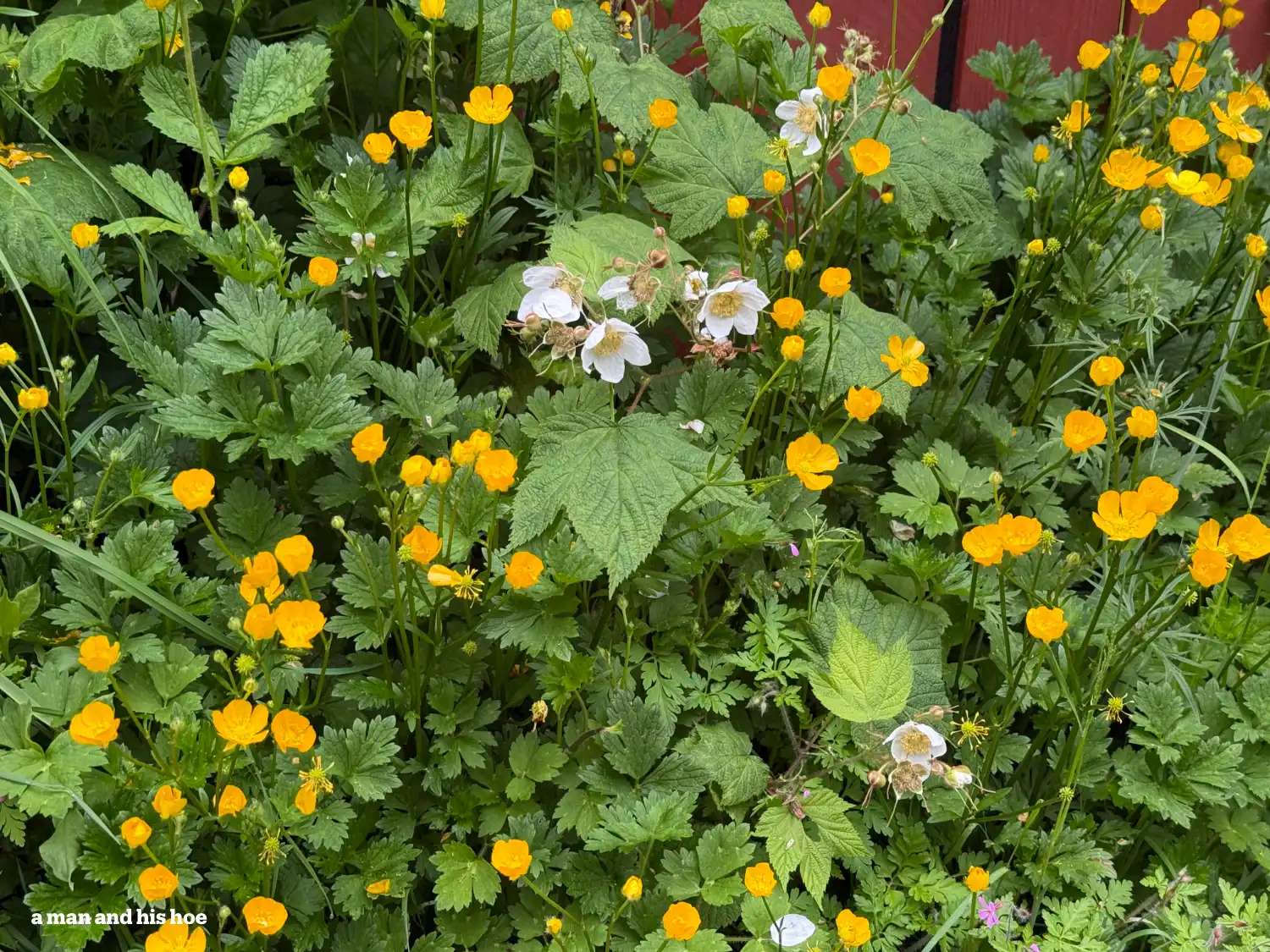
    Herb robert, buttercup, thimble berry

    It is mid-May. Spring is in full force. Buttercup, thimble berry, herb robert bloom. This is a cloudy, drizzly week, with intermittent sunshine. Perfect for working the garden. Potatoes and onions grow vigorously. I’m clearing a patch for American Giant sunflowers and corn. However, the packet of American Giant sunflower seeds warms me that they can reach 16 feet. “A perfect living wall,” the packet says.

    “Cut the fresh flowers in the morning, just after they open,” the packet instructs. But if the flowers are up there, 16 feet high in the sky, that will be a feat to perform. But that will be a mid-August problem, not a mid-May one.

    Herb Robert – a rather poetic name for a plant. Geranium robertianum, a species of wild geranium with small pink flowers and a strong, somewhat unpleasant odor. My name for it is stink weed.

    Some say the name comes from Robert of Molesme (1028-1111), a French abbot and founder of the Cistercian order. He had extensive herbal knowledge and healing, and many thought the plant had medicinal properties, particularly for wounds and infections.

    Some say it is from the Latin ruber which means red.

    I’ll go with the Robert of Molesme version.

    Molesme Abbey

    Here is the Molesme Abbey in Molesme, France. Founded in 1075 by Saint Robert of Molesme. When I looked up the name of the little purple flowers I call stink weed, the last thing I expected to be looking up is an abbey in a small town in eastern France.

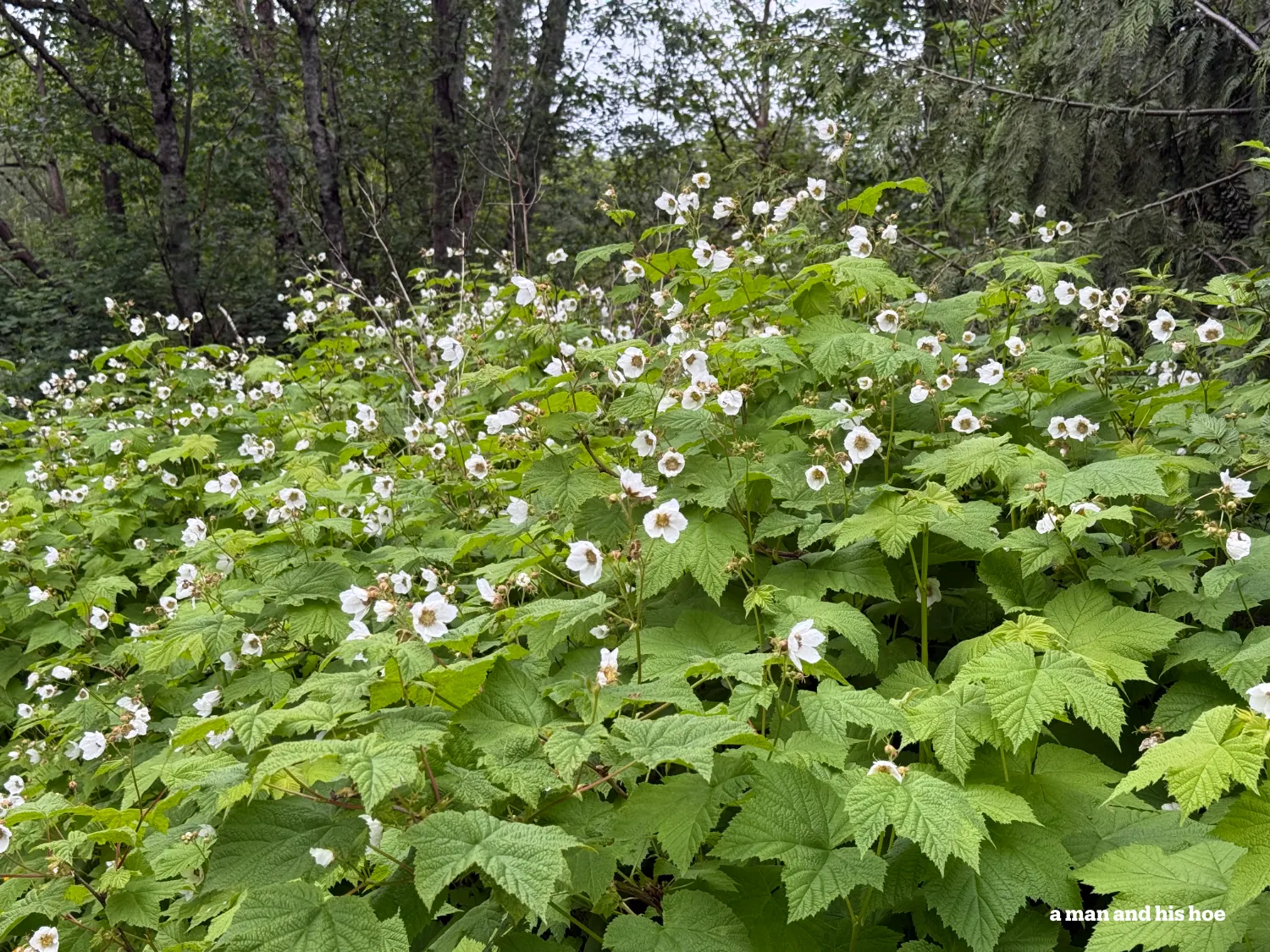
    Thimble berry blossoms

    I do love thimble berries. The bushes can take over, but the white flowers are worth it. The pink, fragile berries divine, a July delight to look forward on this day in mid-May.