• More Than I Can Count

    CherryBlossomsA

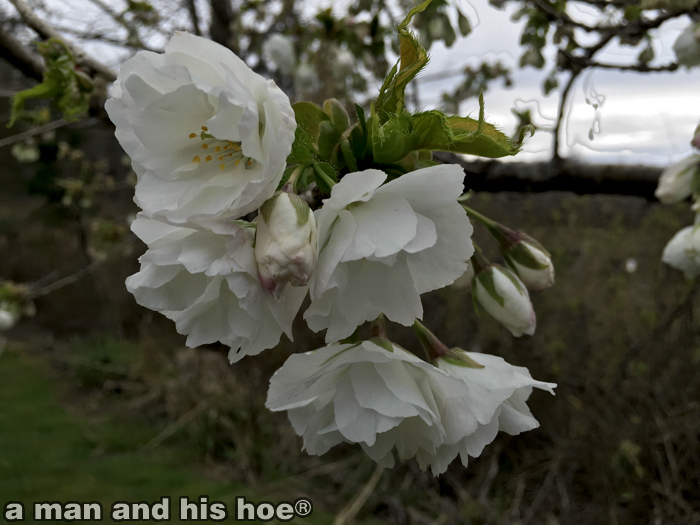
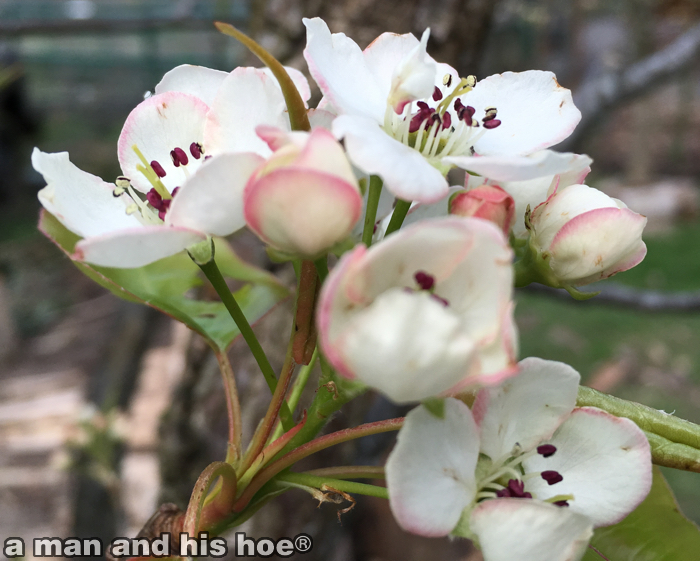
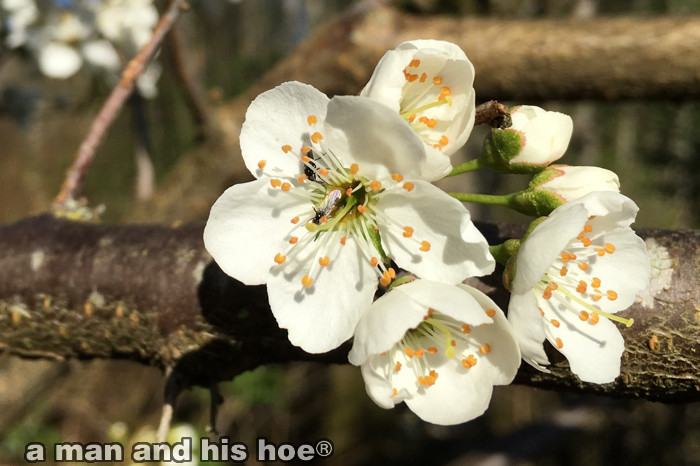
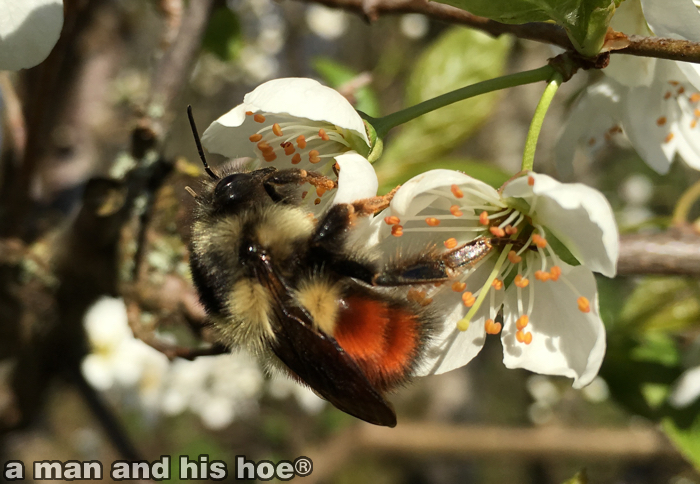
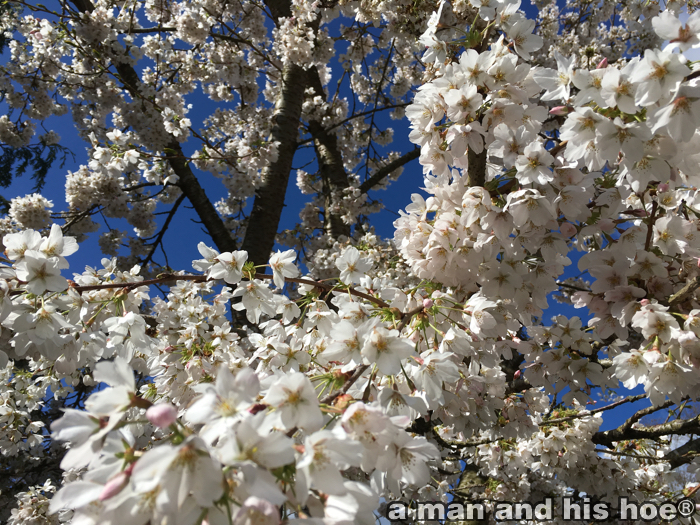
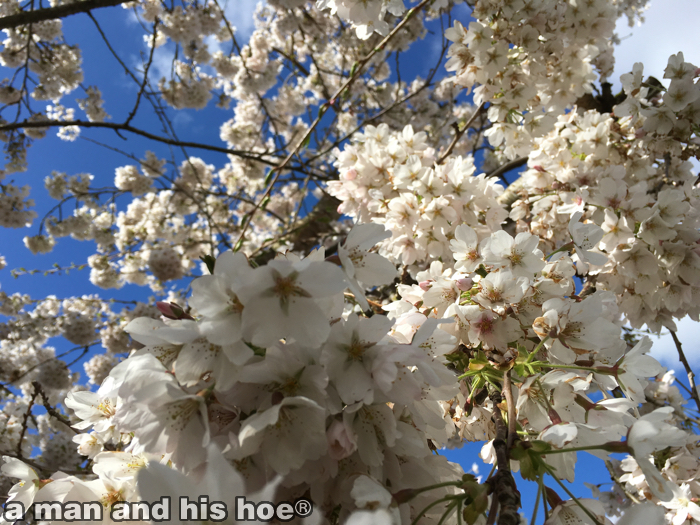
    All the blossoms on the cherry tree are now open. On a sunny day like today, it’s a favorite spot for the bees. It would take one bee days to visit every flower on a tree like this. It makes you wonder if back at the hive they don’t have contests to see who can visit the most number of flowers on a single tree. Investigate closer, and some of the bees that buzz about might be keeping score to keep the competing bees honest.

    “You did not visit 33,752 flowers on that tree because there are only 32,132 flowers on the whole tree!”

    Or do they have certain honeycombs reserved for single source honey? “Yes, honeycomb 27 is all single sourced from the three hundred year old wild cherry on the other side of the pond. If you are coming from the gardens, use honeycombs 7 and 13.”

    CherryBlossomsB

    It’s odd to think that any honey you eat has gone through the stomachs of at least two bees. There is the worker bee who drinks the nectar from the flowers so the enzymes in its stomach can start processing the nectar into honey, and then regurgitates in the hive so a hive bee can eat it, process it some more in its stomach, before it regurgitates it in a honeycomb. And then the hive bees flap their wings like crazy to evaporite the water so the twice eaten, twice regurgitated (vomited) nectar can become the honey we humans like to eat. Almost makes you want to boil honey before eating it. Makes you wonder what delectable food products humans could make by upchucking and re-ingesting and upchucking food. Once something has been up and down the hatch a few times, it might not be bad. It works for bees. It could be a whole new way of cooking. Bee cuisine by humans. Call it Cuisine a la Anthophila and no one will be the wiser. Probiotics Plus?

    ShallotsAndGarlics

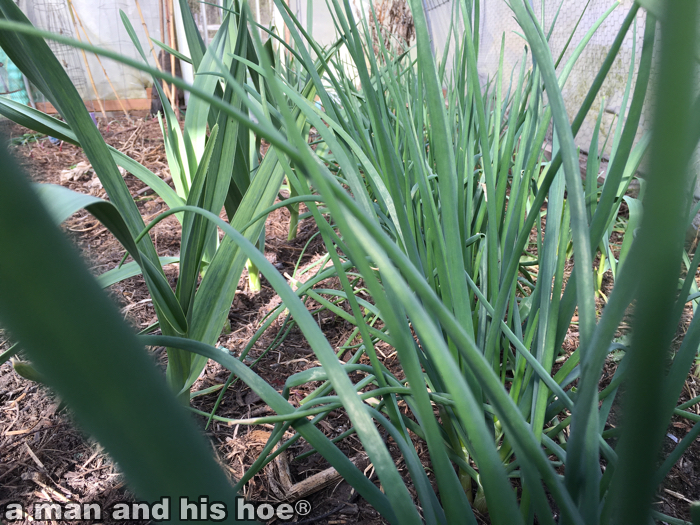
    Things are much quieter in the hoop house where some of the shallots and garlic are growing. With luck, some will be ready when Bow Little Market starts in June.

  • Mother and Daughter

    MotherDaughterA

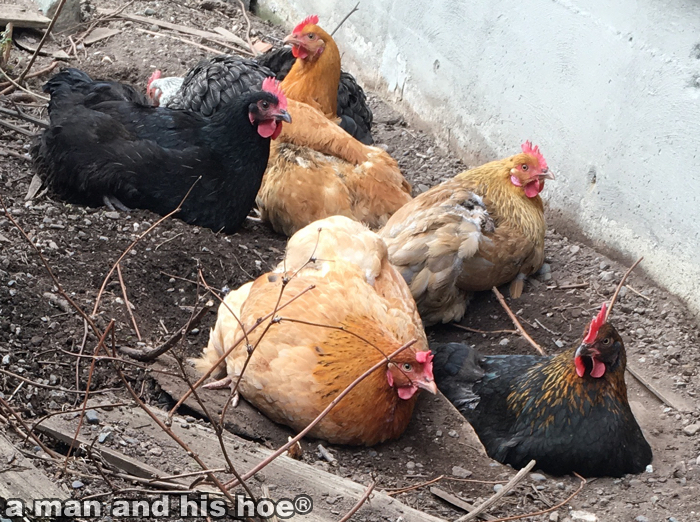
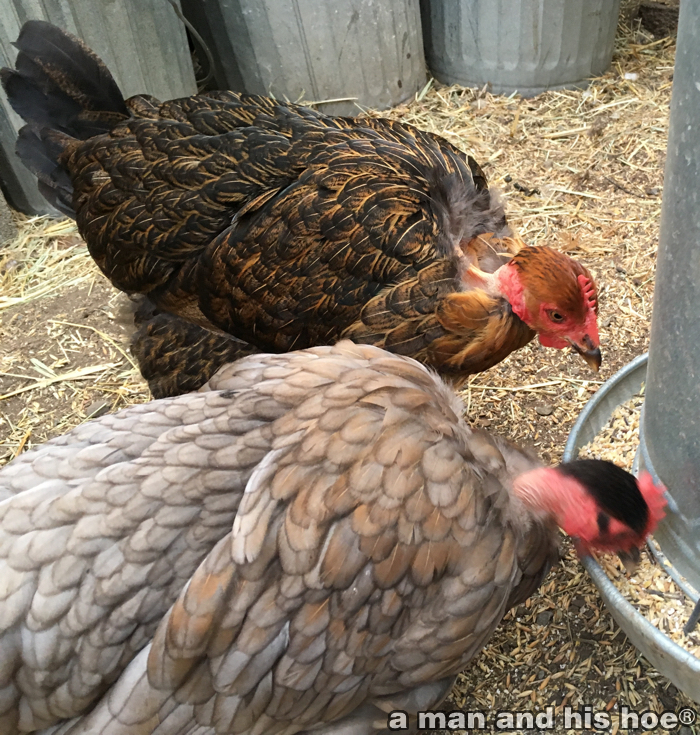
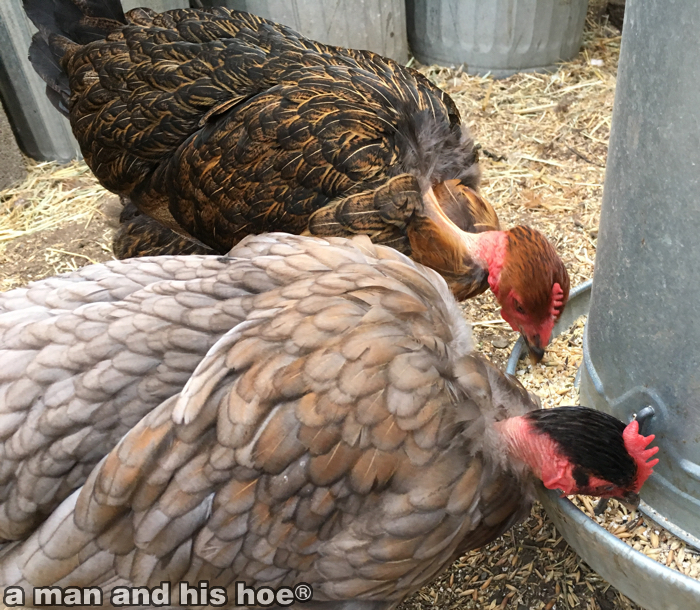
    Mother and daughter, Hazel and Special, shared breakfast together this morning. Hazel, the dark hen, raised a clutche last year. She was an outstanding mother, and I hope she raises a clutch or two this year too.

    Special will be a year old soon, and with her eardrum shattering voice, if she decides to raise chicks, I can hear her scolding them now. She’s apt to be quite the tiger mom. I can picture it already, me working in the garden and hearing her cries, making me wonder, what have her chicks done now?

    MotherDaughterB
    SpecialAsBabyA

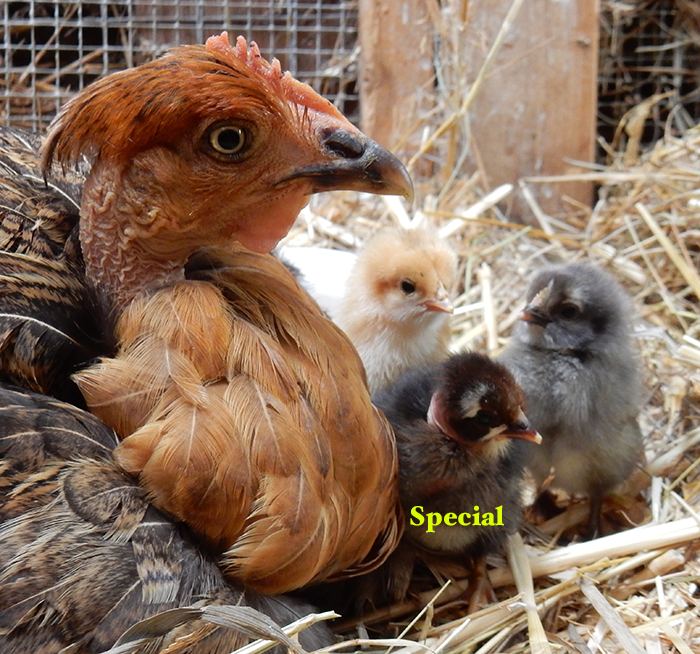
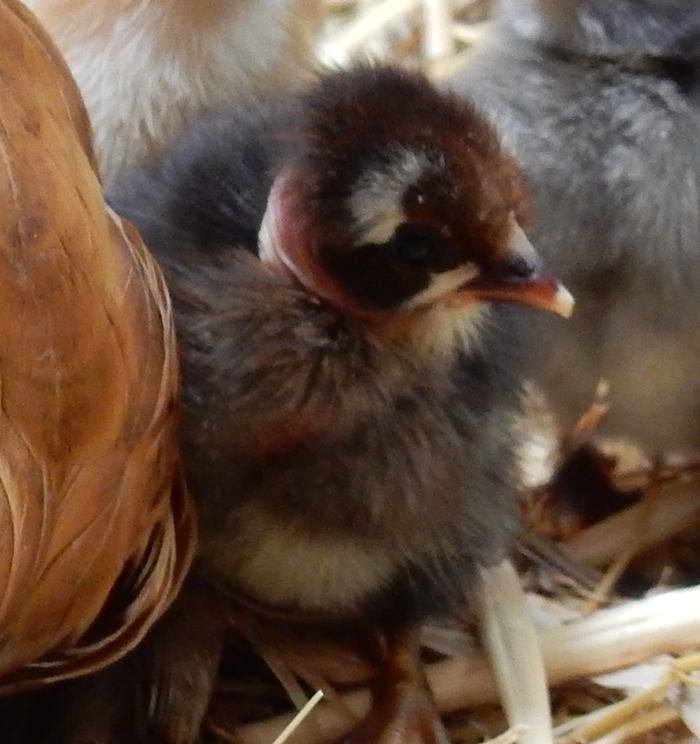
    Here are pictures of Special as a baby chick. She was so adorable and looked like a chick dressed up as a clown. You can see her mother thought she was special too.

    SpecialAsBabyB

  • Something New to Be Happy

    ThimbleBerryLeaves

    The thimbleberry’s are unfolding their new leaves. This time of year, there’s something new to see everywhere you look. If you have a flock of hens, don’t forget to give them new nests from time to time. It’s not enough to keep their nests clean and add new straw to them.

    UngetsuhimeOnNewNest

    Just like you don’t like to shop at the same store or eat at the same restaurant all the time, hens appreciate new nests in new spots. My sweet husband set up several new nests above some older ones. The next day, hens were already trying them out. Here’s Ungetsu-hime 雲月姫 about to lay an egg in one of them today.

    “Hmm, the view is better from up here.”

    “Wow, look at the nice curvature this nest has!”

    “Black, always was my color.”

    Who knows what attracts them to new nests. Just like you get tired of that new outfit you’ve been wearing the last few months, hens get tired of nests. New ones in new places make them happy. You want delicious eggs, you need happy hens.

  • Down Her Hatch

    CherryBlossoms

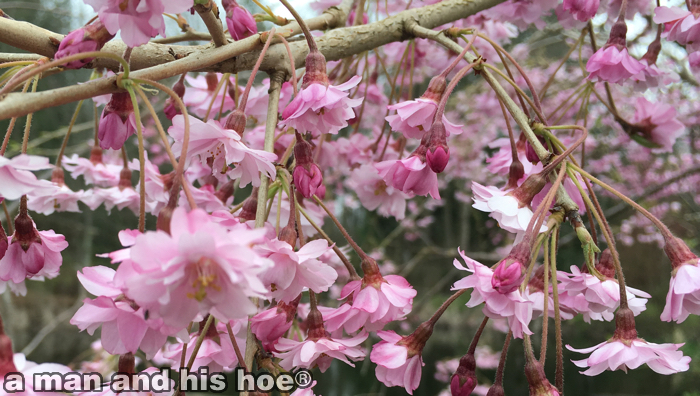
    The cherry blossoms are in full bloom. Add a little blue to the sky, and it takes your breath away. If you’re outside, it’s impossible not to be entertained. One moment, it’s the cherry blossoms dancing their hearts out in the brisk spring wind. The next moment, it’s a hen gobbling down a field mouse.

    MidgeWithMouseA

    I rushed to take some pictures, but she was too fast. Before I could get my camera on her, the mouse was almost down her hatch. If you look closely, you can see the tail of the field mouse dangling out her beak.

    MidgeWithMouseB

    How do they do this? Chickens have hawk like eyes and are wickedly fast. If they spot a field mouse in the brush, it doesn’t stand a chance. One or two strikes with their strong beak, and the poor field mouse is dead. When they catch a field mouse, they have to gobble it as fast as possible, or another hen will steal it.

    Watching my chickens run about, it makes me wonder where the idea for vegetarian chicken feed came from? Not from someone who has spent any time observing chickens in the field. These are brilliant, capable hunters.

  • No Shame

    BleedingHeartLeaves

    The bleeding hearts are spreading their lacy leaves. This morning their leaves are jeweled with yesterday’s raindrops. Before long, their pink flowers will dangle gracefully. Back in 2006, when we brought BB and Echo to live with us, Echo had his first encounter with bleeding hearts. His smile and playful, wagging tail are no longer with us, but the fond memories of him sniffing the bleeding hearts still delights.

    EchoAndBleedingHeart

    I’m laughing frequently these days reading Fukuoka’s The One-Straw Revolution. His insight into nature and the ridiculously complex systems we’ve made to feed ourselves is a good read. I haven’t laughed so much in a long time.

    “The world used to be simple. You merely noticed in passing that you got wet by brushing against the drops of dew while meandering through the meadow. But from the time people undertook to explain this one drop of dew scientifically, they trapped themselves in the endless hell of the intellect.”
    Excerpt From: Masanobu Fukuoka, Larry Korn, Wendell Berry & Frances Moore Lappe. “The One-Straw Revolution.”

    One of our cherry trees is in full bloom. There are just a few shy buds working up the courage to expose their delicate petals. Even cherry blossoms have personality. Some are unabashed tarts, too eager to show their wares. “Tickle me, tickle me,” they sing with no shame. The modest ones need to be coaxed to furl their skirts open.

    CherryBlossoms

    Below the cherry trees, the chickens wait. You won’t read about this in chicken handbooks, but cherry blossoms are a spring time treat for chickens. In a few weeks as the cherry blossoms fall as thick as snow, the chickens will feast on them. If you close your eyes and taste their eggs during this brief time, you can pick up the hint of cherry blossoms on your tongue.