• In the Hunting Stream

    InTheStream

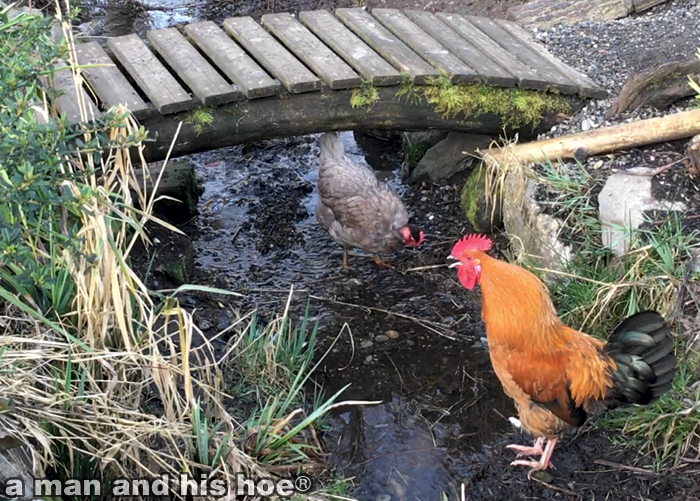
    Special is being courted, but she’s far more interested in seeing what juicy morsels she can dig up in the stream than she is by the young rooster’s performance. Chickens enjoy hunting in streams. It’s not something you read about in books about chickens is it? “Be sure and provide chickens with a hunting stream.” Have you ever read that? Actually, you rarely read that chickens are adept hunters. I’m glad they are small birds. We’d be on their menu if they were giants.

    FreshlyCutWood

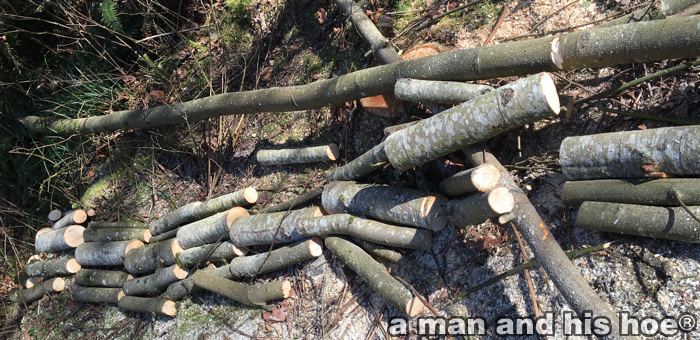
    Bit by bit, we’re preparing for next winter. There is a slow, steady beauty to cutting wood and stacking it. You spend all spring and summer cutting and stacking it, only to slowly tear down the stacks through fall and winter.

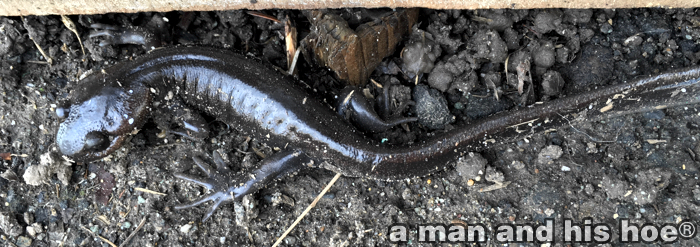
    NorthwesternSalamander

    We had a surprise this afternoon when we accidentally uncovered a wintering northwestern salamander. Before covering it up again, I took a picture. With the pond and woods, there seem to be plenty of these salamanders around. It’s always a joy to see one.

  • Pushing It

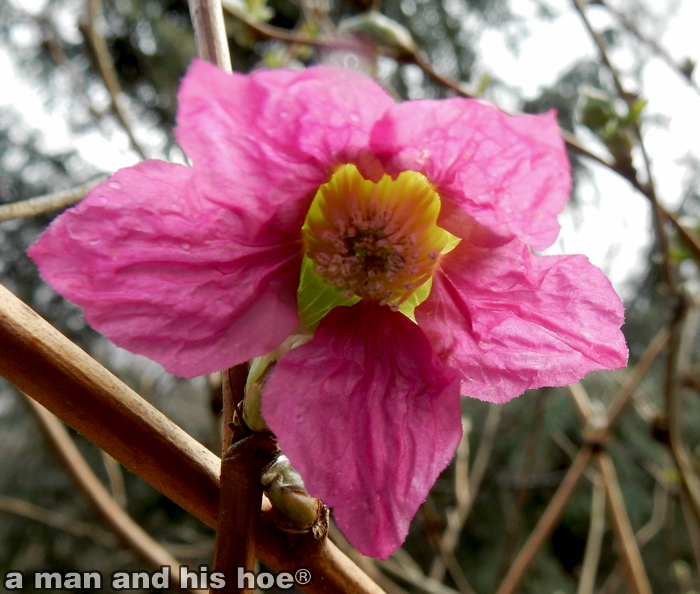
    PlumBlossomsA

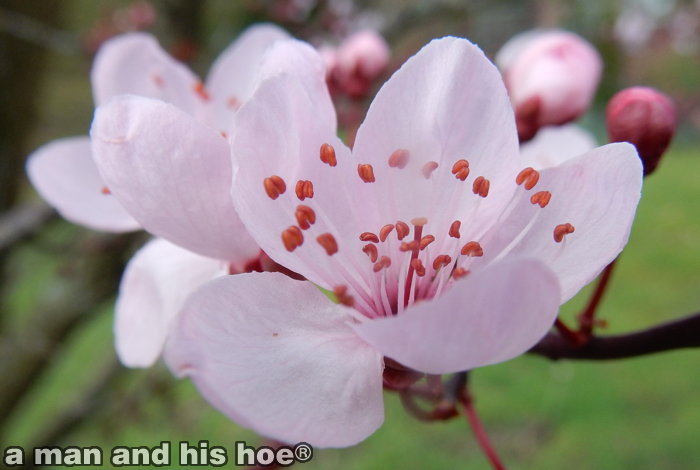
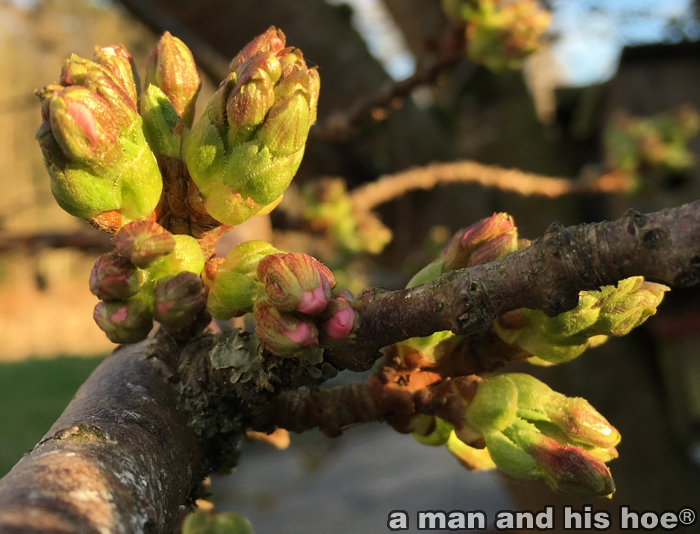
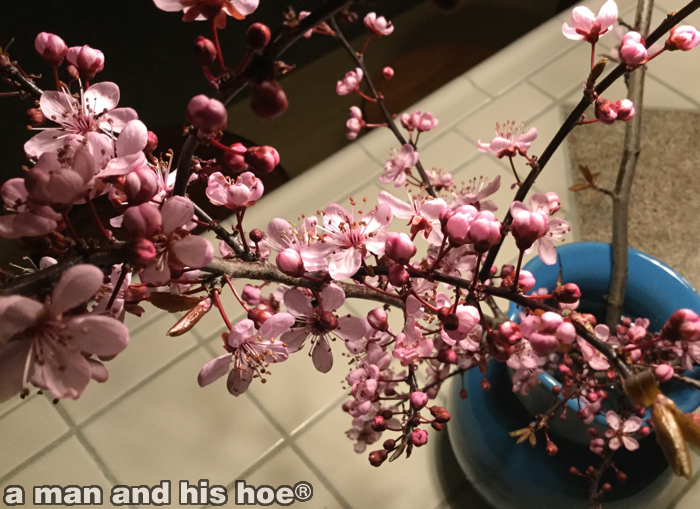
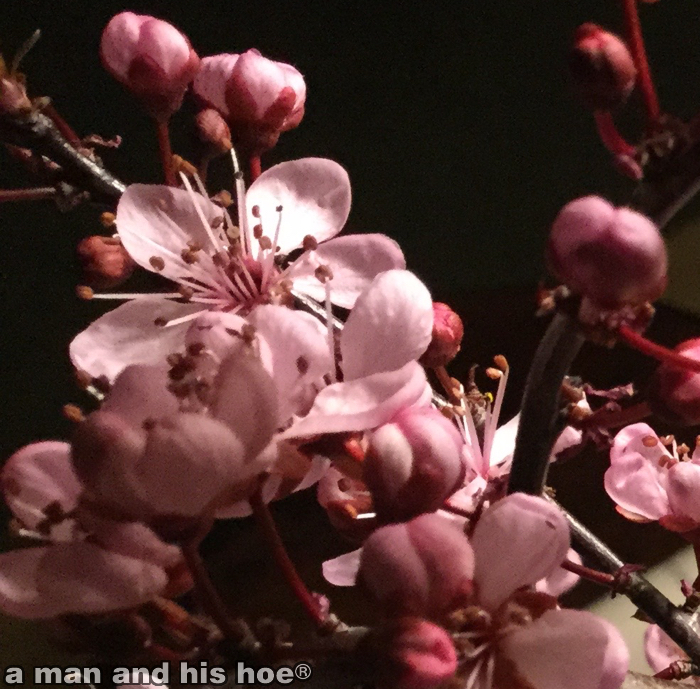
    So many of the fruits we love to eat are so beautiful long before they become fruits. The plum branches we pruned bloomed when we brought them indoors. Soon they will be blooming outdoors too.
    PlumBlossomsB
    KohlrabiPlanting

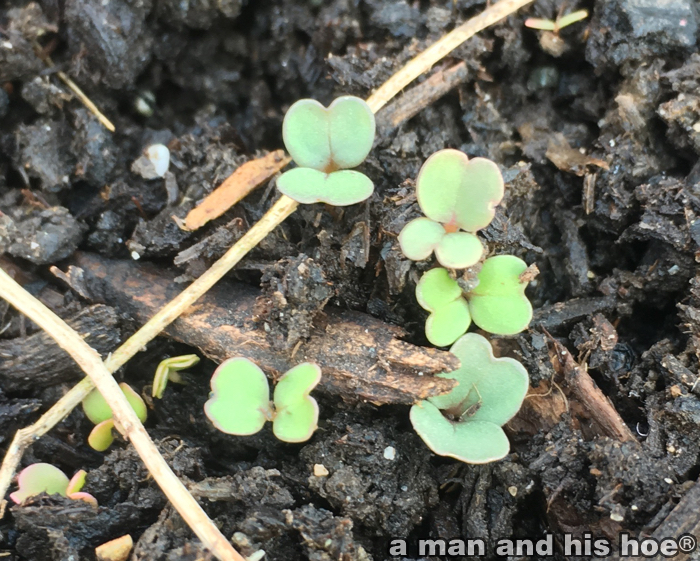
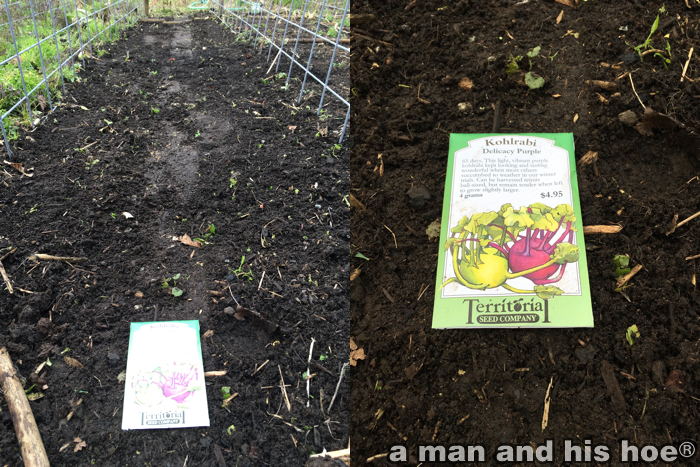
    I’m pushing it, planting vegetables already. But in the garden I see the new leaves of last year’s vegetables which seeded: baby leaves of ruby streaks and kale poking out of the ground. If those seeds are sprouting, with luck the rows of kohlrabi I planted this afternoon will sprout too.

    The earth is alive with worms, bugs, and tiny winged things. Under the microscope this afternoon I saw a million creatures in a drop of soil: bacteria, fungi, amoebae, and nematodes. I’ve got to figure out how to hover over the delicate soil so I can weed and plant without compressing it. It is so full of life, that I take one step and a million creatures gasp under the weight of my foot, “I can’t breathe! I can’t breathe!” Helium wings? Zip lines strung a few feet above the earth so I can fly over it without putting any weight on the soft earth? Tilling is madness when your soil is alive. The earthworms, and bugs, and fungi, and bacteria, and nematodes, and micro arthropods fluff the soil with all their burrowing and scurrying about and chasing after each other, that the soil is airier and lighter than any tilling could possibly accomplish.
  • From the Core

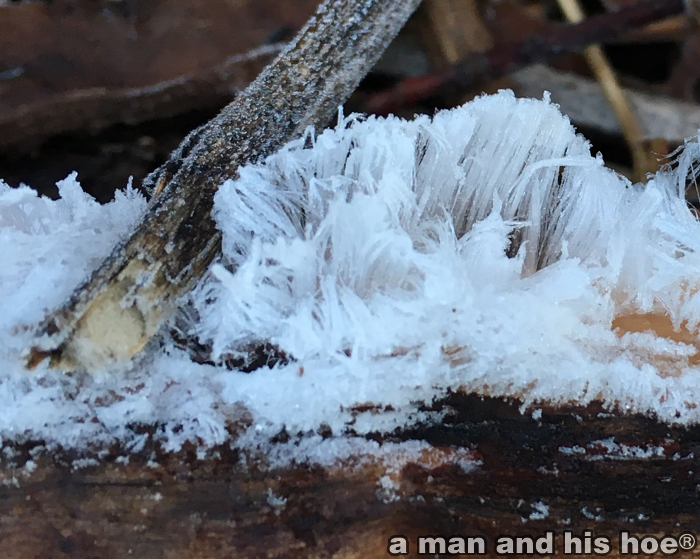
    MorningHoarFrost

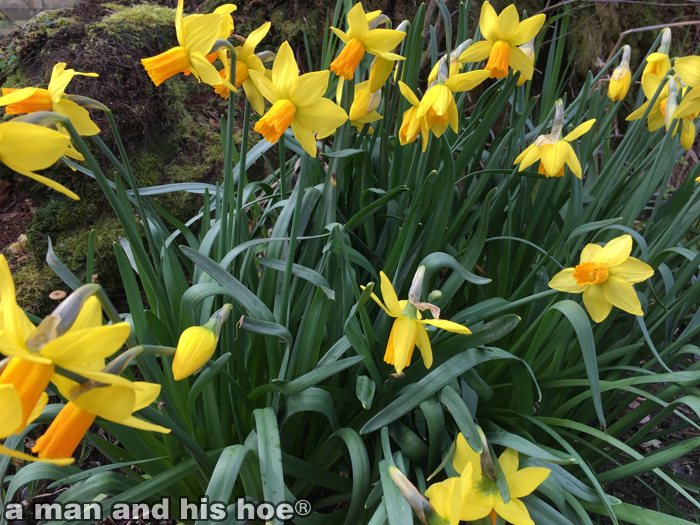
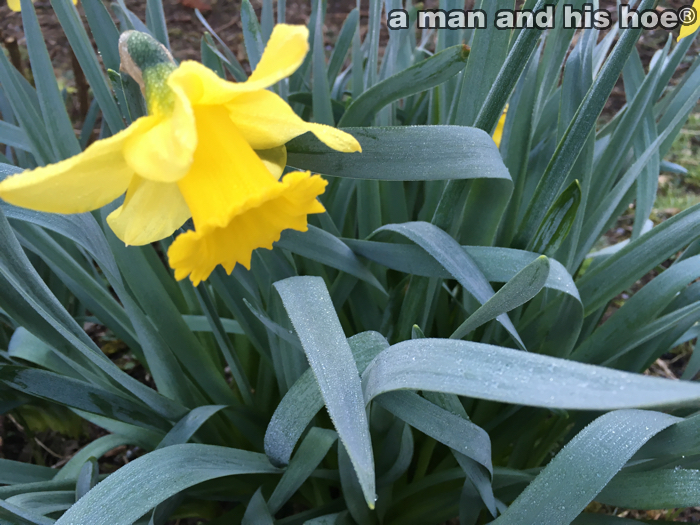
    A frosty morning after a clear night. Even the daffodil leaves are dusted with frost, giving their green leaves a muted hue.

    FrostOnDaffodils
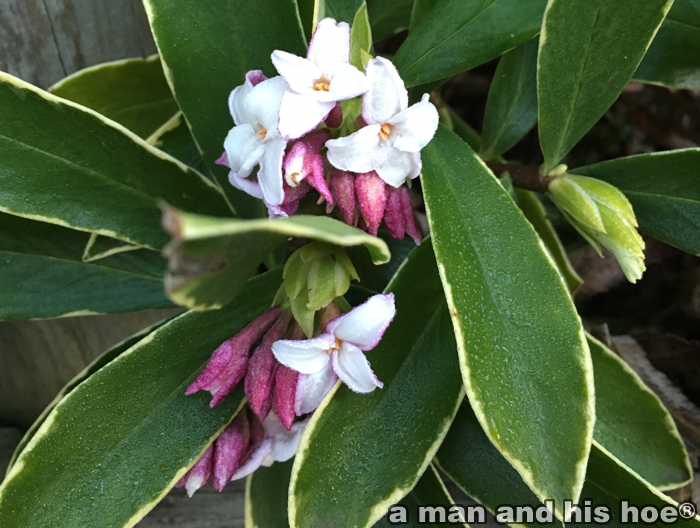
    SweetDaphne
    WhereBranchesSpringFrom

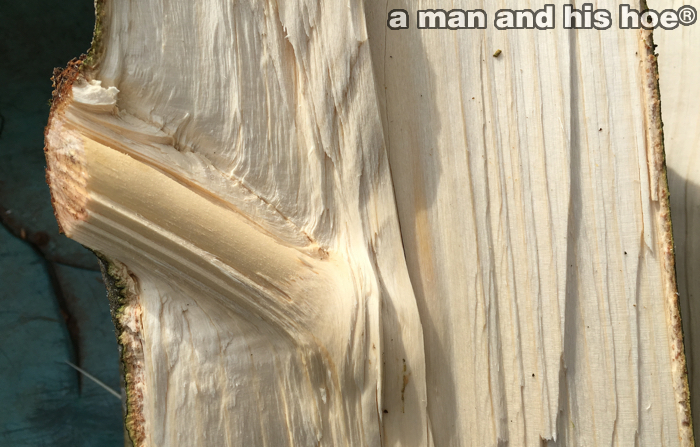
    Where do branches come from? Split a tree apart and it’s clear they come from the core. So when you look up at a tree and gaze at its branches, you can picture them penetrating to the core of the tree. That’s where branches come from.

    HensInBrush

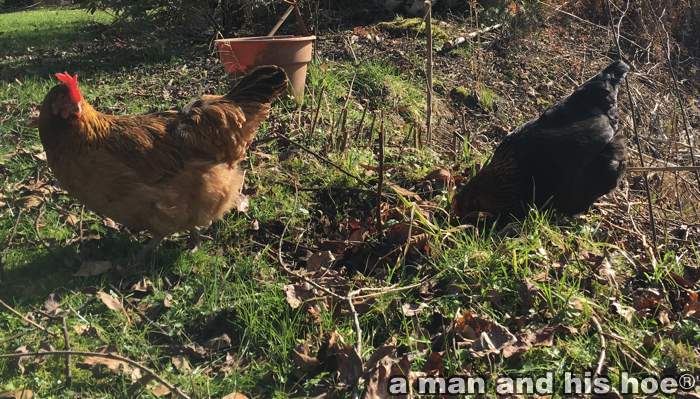
    Where branches come from isn’t on the minds of these hens. They’re busy looking for good things to eat in the warming spring earth. I saw a garden snake slithering through the brush today. I don’t think I’ve ever seen a garden snake in February before.

  • Special’s Voice

    SpecialCalling

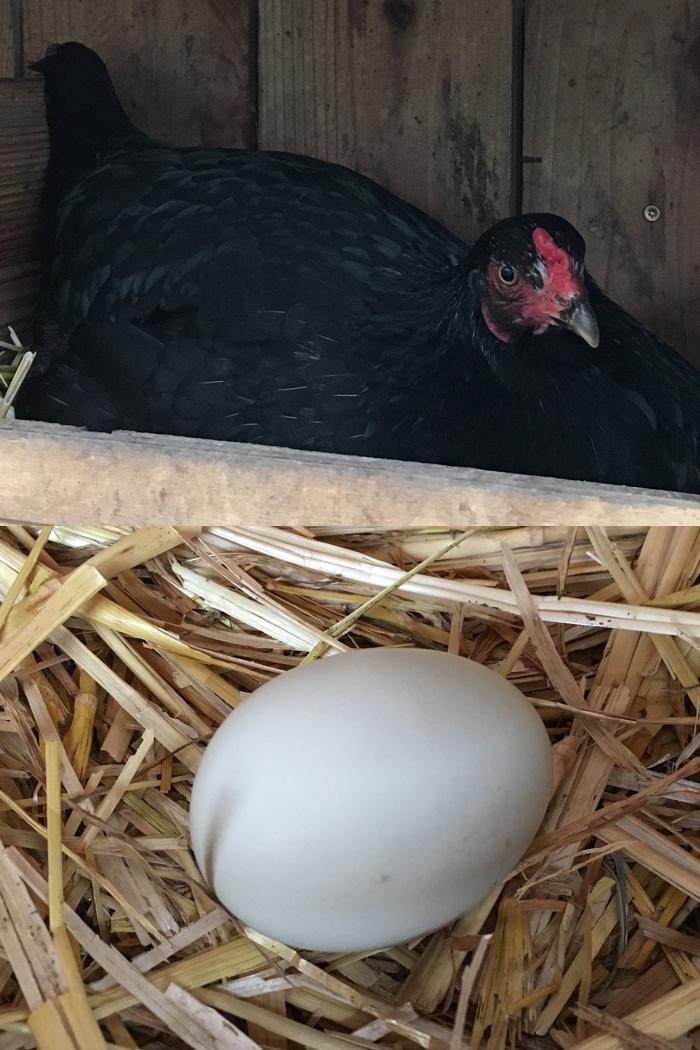
    Special, one of Hazel’s chicks, has a call all her own. There is no doubt who has laid an egg or who has something to say when she opens her mouth. “Special, what are you up to now?” I think when I hear her call from the other side of the garden. She may have missed her calling to sing in a punk band.

    [wpvideo UgSSA1F3]

  • What to Do with Tree Bones

    TreeBones1

    A stack of tree bones lie on the ground, left overs from pruning a plum tree. What to do with tree bones? The thicker bones can be turned into coasters. Cut the coasters from the same bone, and you can later stack them and they’ll look like a single log.

    TreeBones2

    They also make good firewood. Next fall or winter, this pile of tree bones, dried through the summer, will keep the house warm for a cozy evening. When you cut and stack these hard tree bones, it’s hard to imagine that most of the material in them came out of thin air. But it’s what plants and trees do, breathe in the carbon out of the air and turn it into mass. When I burn it, most of the mass will go back into the air, only to be sucked in and made into mass by other trees and plants. When humans die, we often say, “Ashes to ashes, dust to dust.” When trees and plants die, we should say, “Gasses to gasses, water to water.”

    TreeBones3