• Potato Blossoms in May?

    Potatoes20150521A

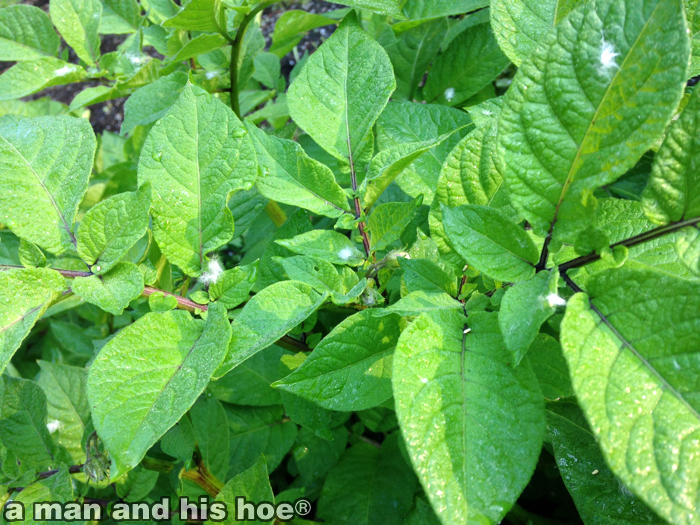
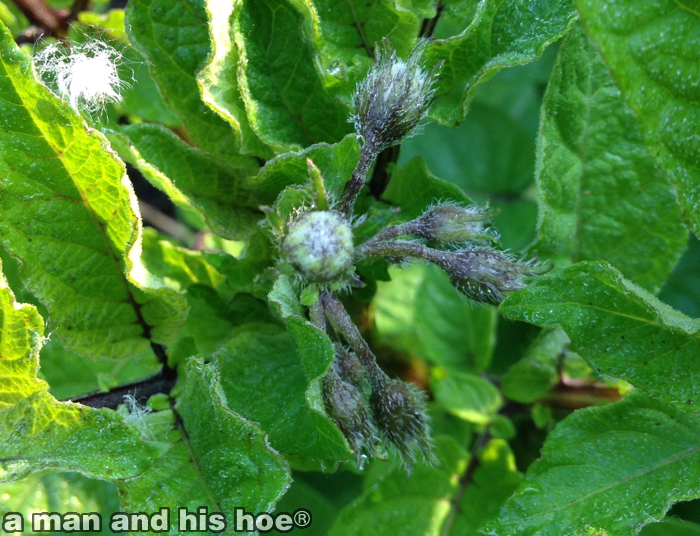
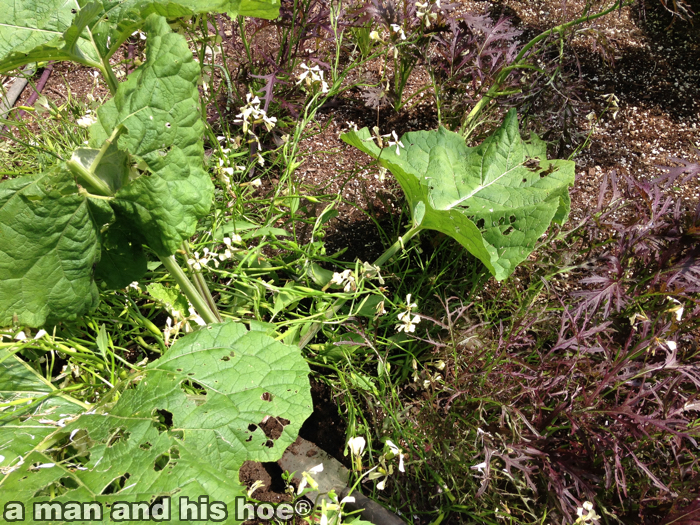
    WoodPrarieFarmPotatoesIn the valley, the large scale potato farmers are starting to till and spray and plant their fields. The first row of potatoes I planted March 17 are putting out flower buds. They should be in bloom soon. I spaced my potatoes over a six week period so I should have a long potato blossom season with purple, pink, and white blossoms. Wood Prairie Farm in Maine even sells a selection of potatoes, Organic Certified Potato Blossom Festival chosen for “their exceptional blossom beauty and fragrance”. I’m waiting to read the novel where the dashing prince is smitten by the beauty whose sweet fragrance is as soft and pure as the fragrance of potato blossoms.

    Potatoes20150521B
    SalmonBerryRipening

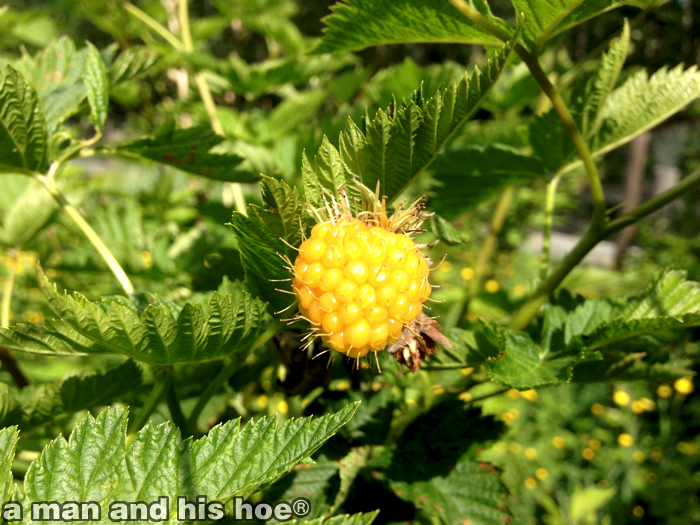
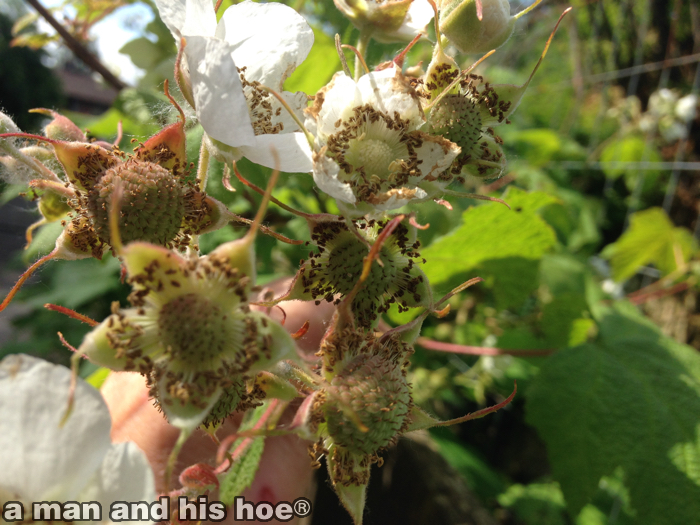
    Berry season is fast approaching too. Thanks to the many native bees who work tirelessly, the salmon and thimble berries are filling out and taking on color. When you bite into a berry, close your eyes and think of all the prickly bee feet that walked all over the flower and pollinated it while collecting pollen. You owe them a favor.

    ThimbleBerryStarts

  • Out of the Garden Today – May 19, 2015

    OutOfTheGarden20150519A

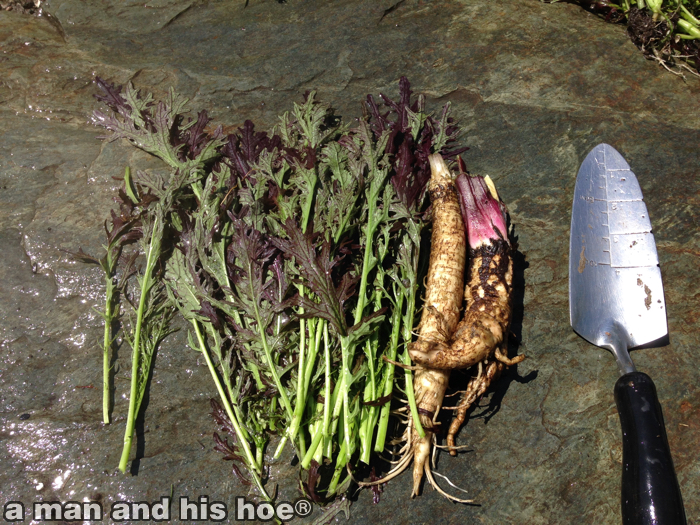
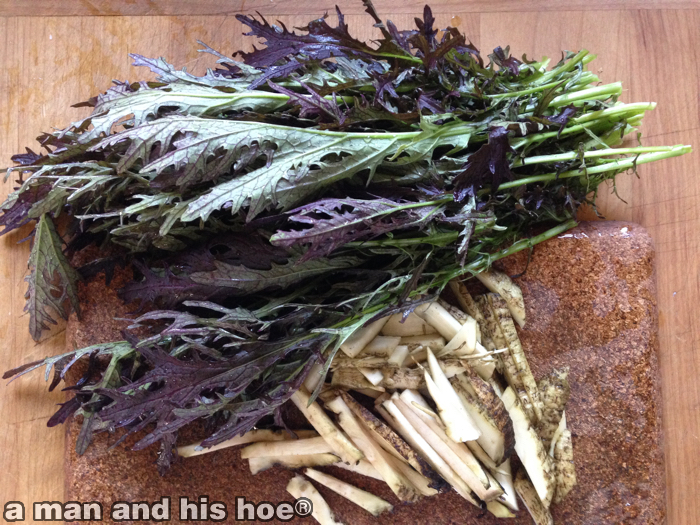
    It’s nothing like picking out produce in a grocery store, but this tangle of vegetation is where lunch starts. A bit of weeding and I have the ingredients for making a great fried rice lunch: ruby streaks mustard greens and gobo (burdock root).

    OutOfTheGarden20150519B
    OutOfTheGarden20150519C

  • Ancient Shared Genes?

    LaneInTheMorningA

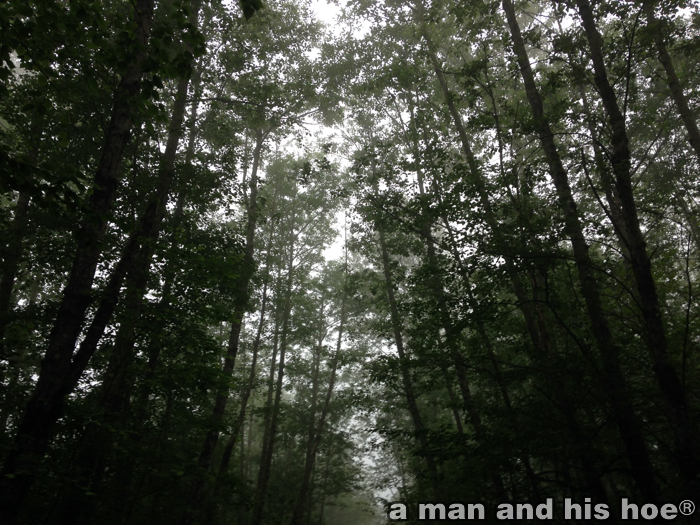
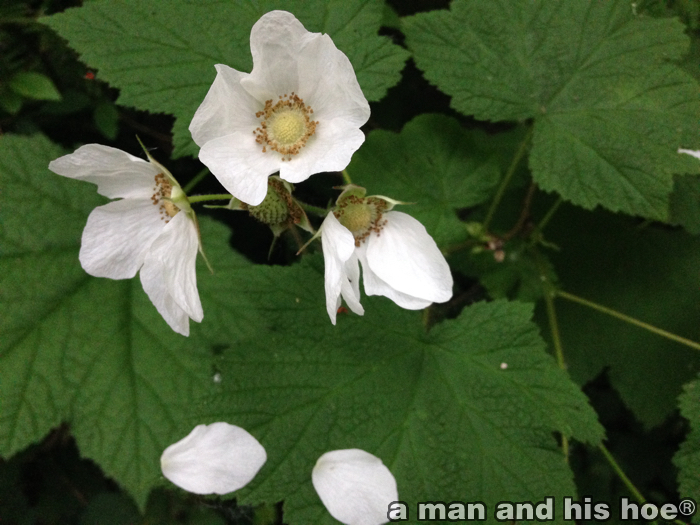
    A cool, foggy morning gives no hint of the sunny day to come. In the woods, the thimble berry flowers are blooming, with their petals falling like big snowflakes.

    LaneInTheMorningB
    LaneInTheMorningC

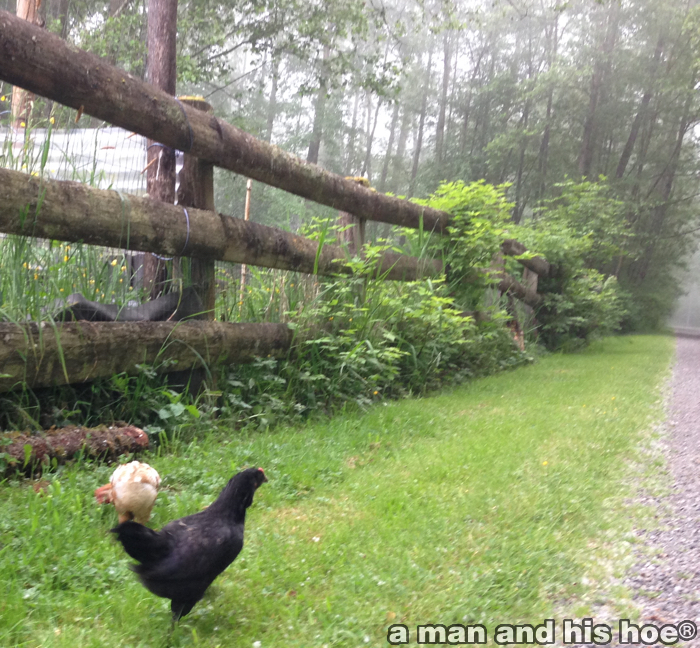
    Two young roosters are off on their own. Two months old, they are spending more time with each other than with their sisters. As roosters become juveniles, they spend more time together than they do with their girls, not too different than human boys of a certain age. The genes that tell little boys to avoid little girls must be a billion years old, and date back to a very distant ancestor both chickens and humans share.

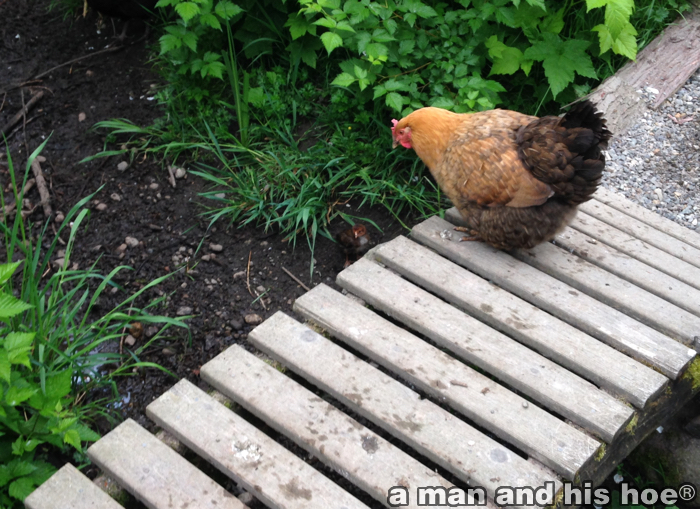
    Another ancient shared set of genes, are those which make little children to play in the mud. Miasa-hime looks down off the bridge at her chicks which are running around in the creek bed. They are next to impossible to see, but two of her chicks are visible in this picture. They are close to the edge of the bridge. One is a few planks to the left of her feet. The other is hidden in the grass toward the lower left of the picture. Mother hens have many of the same problems human parents have with their children.

    OnABridgeC

  • They Want It Green

    PerfectChickenWorld

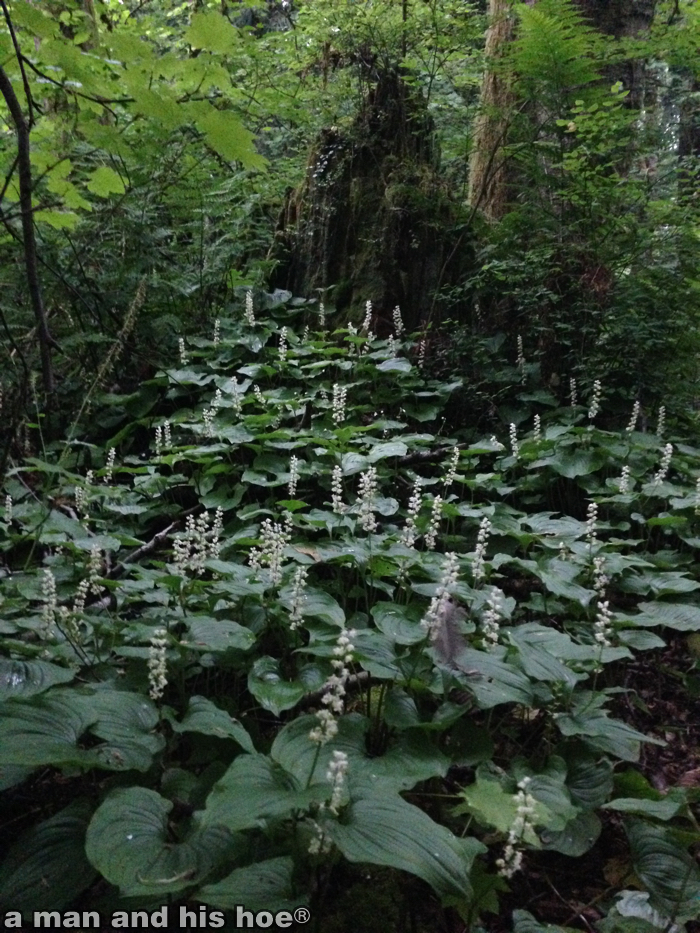
    “Yeah, I want to go in there!” That is what flashes through a chicken’s mind when it sees thick brush. Chickens love forests. They love woods. They love tall grasses and thick brush. It’s not surprising, considering that they are descended from jungle fowl.

    Why do chickens love wooded areas so much? Because they are full of food, and provide a fair amount of protection. Most hawks and eagles have a hard time navigating through dense brush. And if they sense a ground predator, the thick brush gives them many escape routes.

    In every teaspoon of soil, provided it hasn’t been harmed by fungicides, pesticides, and fertilizers, are billions of bacteria and fungi, up to 25,000 species of fungi and 75,000 species of bacteria. There are some 10,425 different species of birds world wide. In every teaspoon of healthy soil there are many more species of bacteria and fungi than there are of birds throughout the entire world. Amazing when you think about it. All that diversity of life right below your toes.

    This vast variety of bacteria and fungi attract a huge variety of larger organisms which feed on them. A chicken scratching through the forest floor finds an endless variety of little creatures to eat, far greater diversity than you will ever find in any restaurant in any city on earth. A chicken in the forest is enjoying a smorsgabord, the likes of which you will never enjoy. They get to savor more dishes in just a few hours of foraging in the woods, than you may eat in a lifetime. That’s why chickens love the woods.

    PerfectChickenWorldA
    PerfectChickenWorldC
    PerfectChickenWorldB

  • How Is Skunky Now?

    Skunky20150402

    Remember Skunky? This is what she looked like with her mother on April 2, just a few days after she hatched. And below is what she looks like today, at nearly two months. She’s quite transformed. Gone are the prominent skunk like stripes on her face and back. She spends much of the day in the forest, running around with her brothers and sisters. Trying to photograph her is a challenge. Young chickens rarely sit still. By the time you’ve found them in the thick brush and focused your camera on them, they are gone. They’ve got too many things to do. Posing for a picture isn’t one of them.

    Skunkky20150519A
    SkunkysForest
    Skunkky20150519B
    Skunkky20150519C

    Happy, Happy, Happy