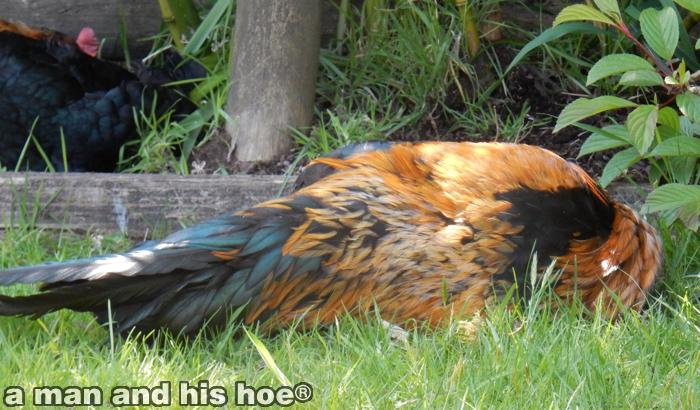
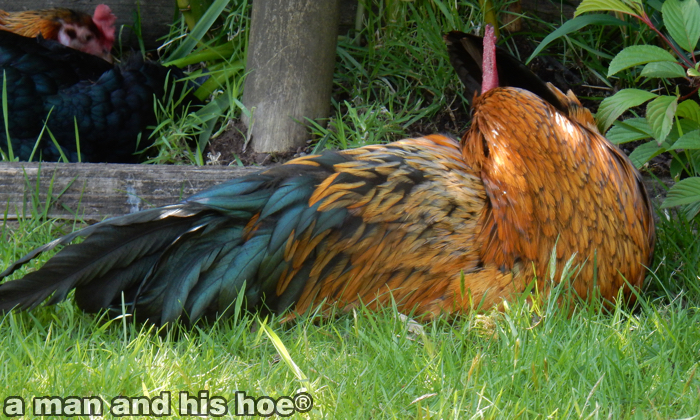
King Richard looks like he’s dead. He’s found a shady spot to take a long nap. See, he’s raised his head to preen and check on what the nearby hens are doing.
every day is a good day
King Richard looks like he’s dead. He’s found a shady spot to take a long nap. See, he’s raised his head to preen and check on what the nearby hens are doing.
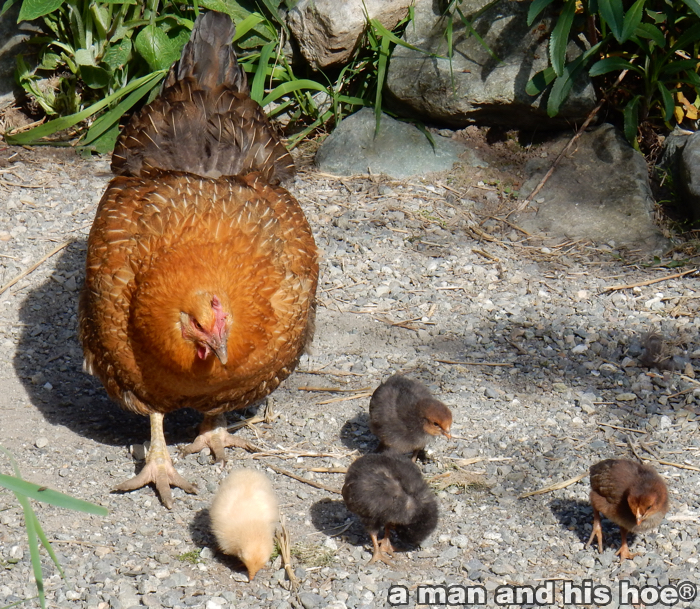
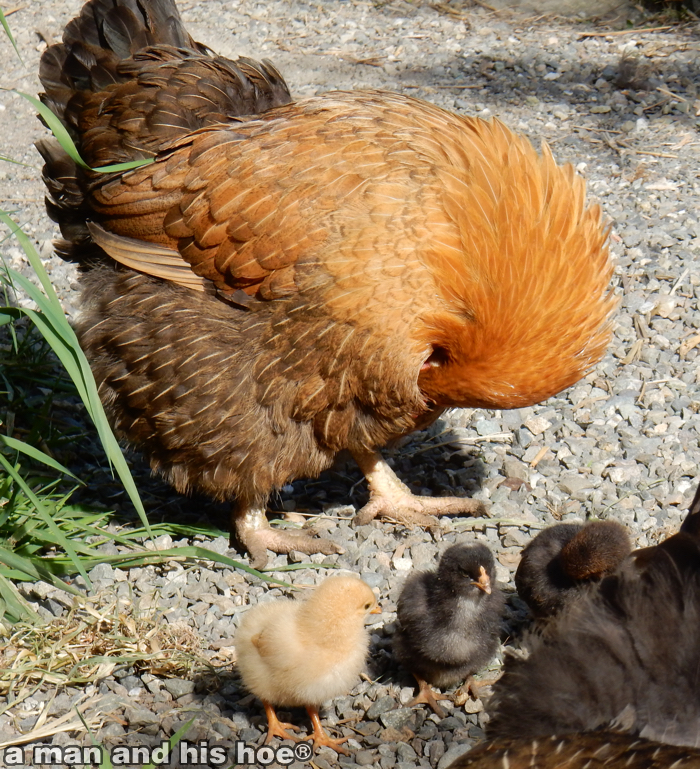
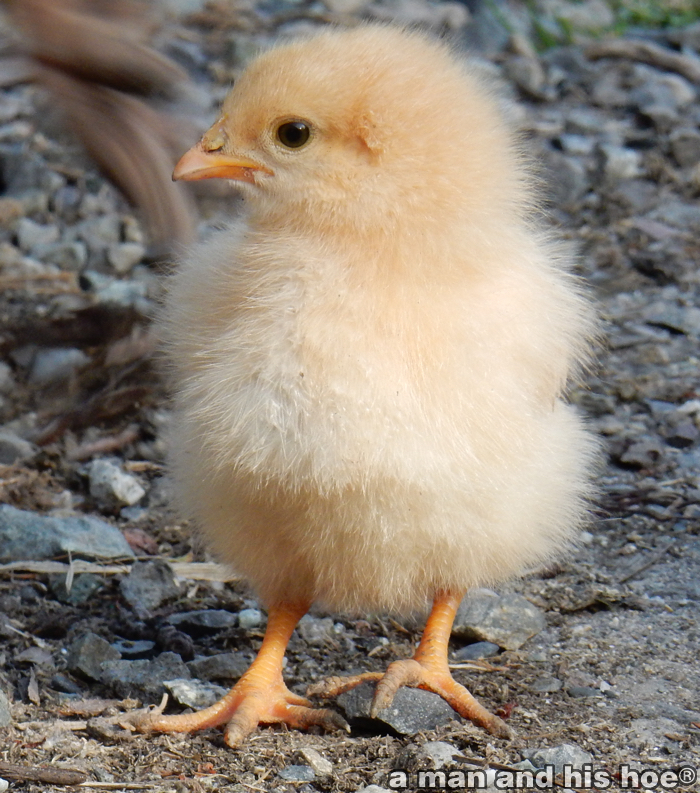
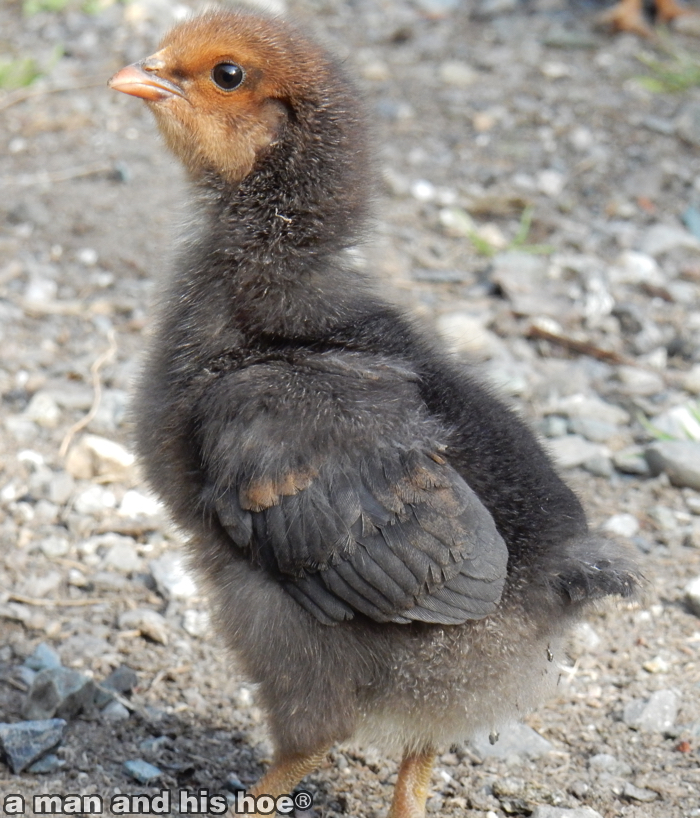
Miasa is slowly taking her one week old chicks in for the night. They’re still tiny but so full of personality. When their mother pauses to groom her feathers, the chicks pose for me. Even at just a week old, they bloom with distinct personalities.

The bees have no shortage of food. There are plants and trees in bloom all over the place. Having plenty of food for the bees from early spring through fall is very helpful for growing crops which need pollinating. You can’t just put out a “help wanted” sign and expect the bees to arrive. They need to be fed all season long. They can’t hang out in their dens waiting for your crops to bloom. They have their lives to live. Have plenty of flowers all the time, and you can guarantee a healthy population of bees to pollinate your crops.



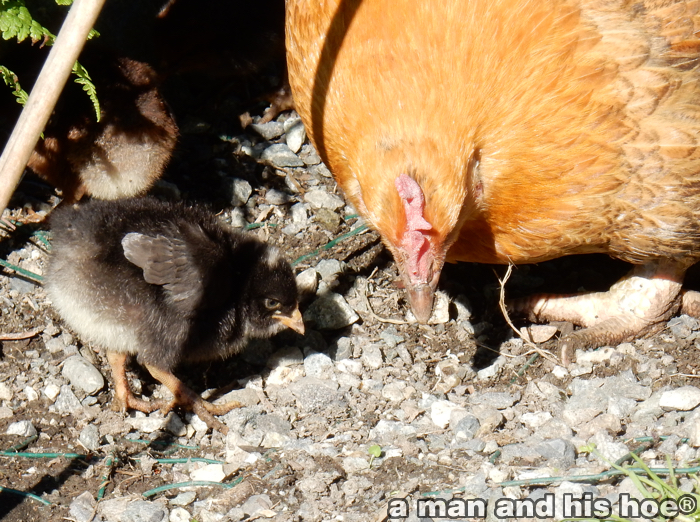
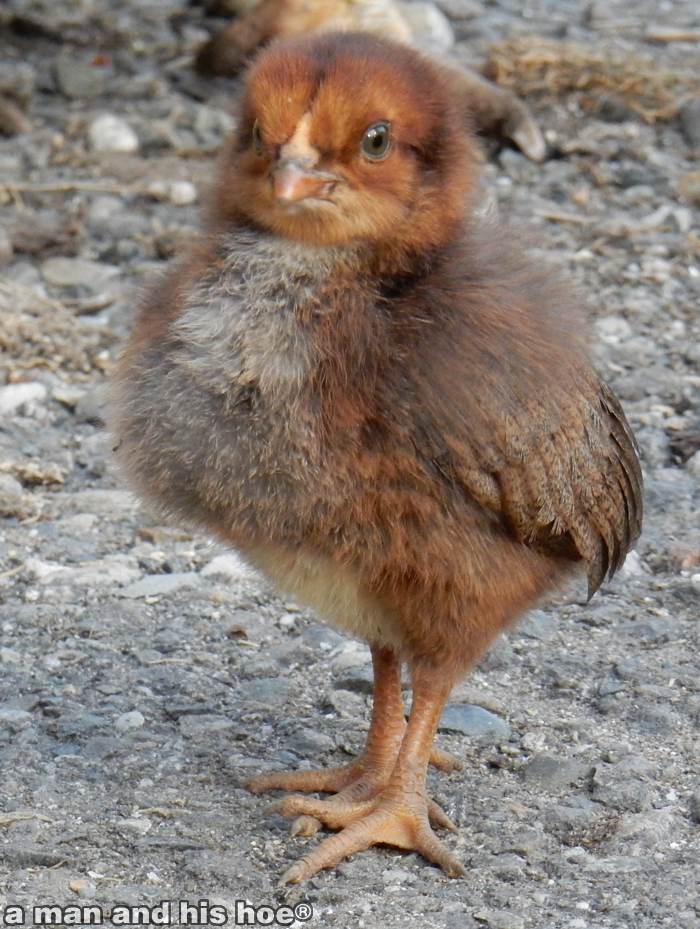
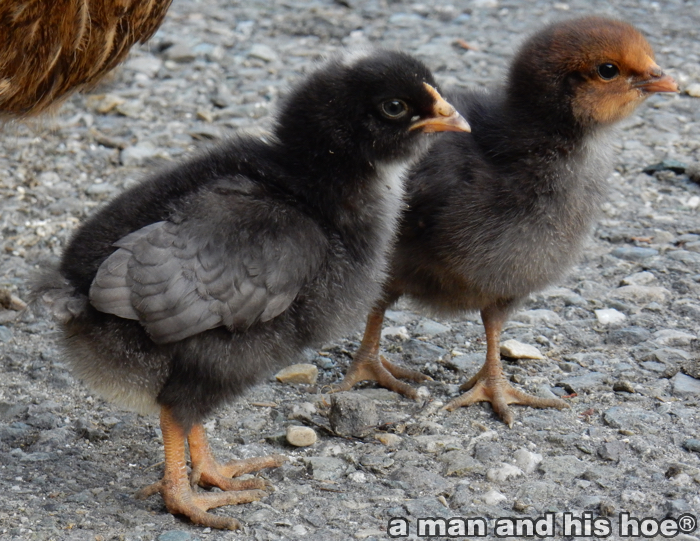
A baby chick’s time with its mother is all about learning. Can I eat that? What about that wriggly thing? That part is pretty easy to teach. For a chicken, if it moves and can fit in your mouth, it’s food. The more important lessons to learn are how to watch for danger. A shadow in the sky, something moving in the brush, a rooster or hen sounding an alarm, a mother hen teaches her chicks how to hide and be perfectly still. These chicks were born five days ago.
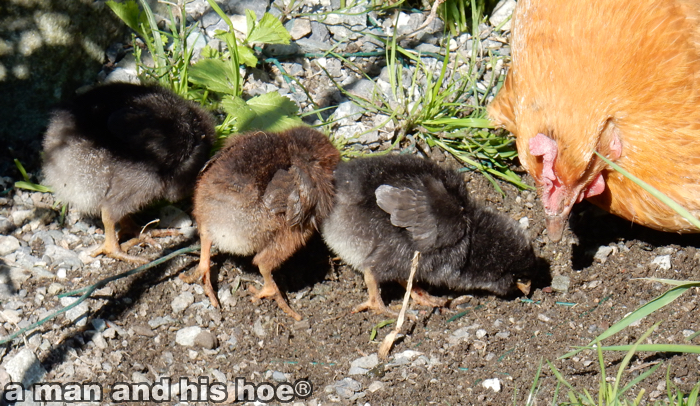
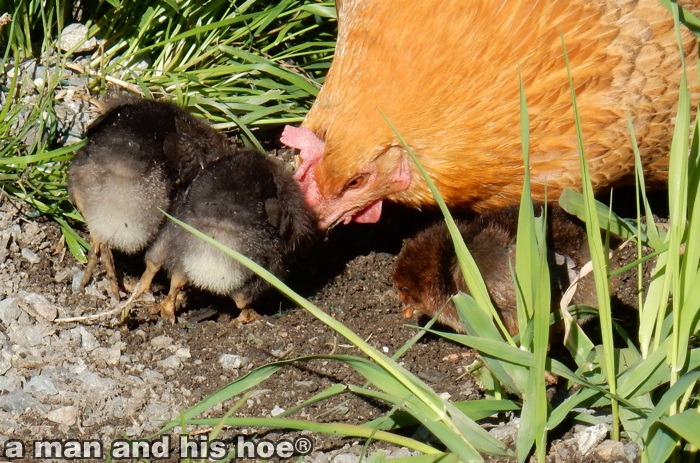
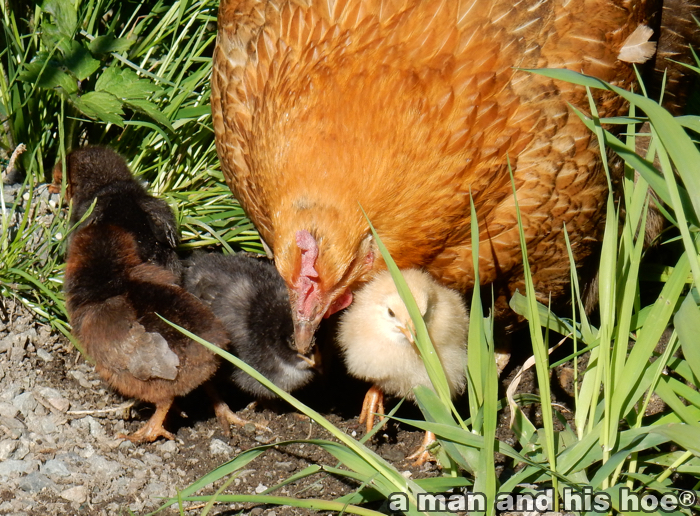
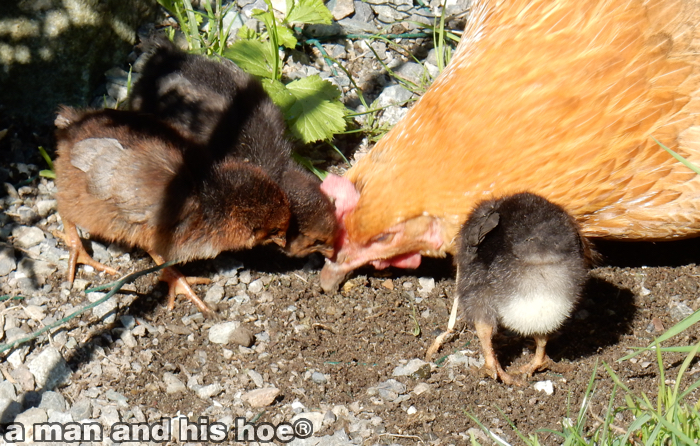
Compared to birds whose chicks are helpless in their nests for a long time and who need food delivered to them constantly, chickens have it easy. Within one or two days of hatching, baby chickens are ready to follow their mother wherever she goes. She can go scratching for food, her chicks in tow, and she doesn’t have to take food back to the nest.
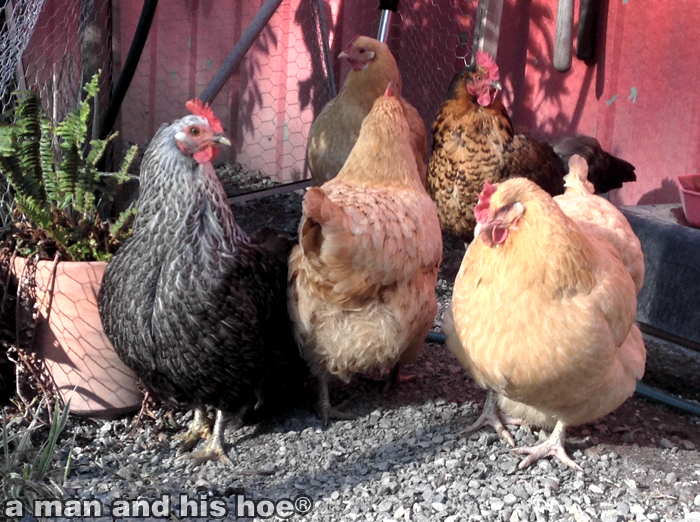
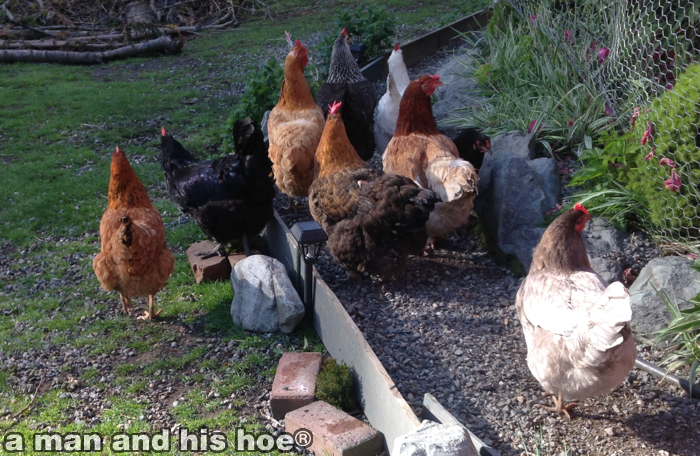
Late in the afternoon, the hens gather before heading into the chicken yard and their roost for the night. Chickens don’t wear watches or bother to check what time it is on cel phones either. Sun worshippers, they head in when the sun dips low in the sky. In the winter they are indoors by four in the afternoon. In mid summer, they are out until eight or later. They make up for the short summer nights by taking long afternoon naps as they soak in the warm sunshine.