• After the Storm

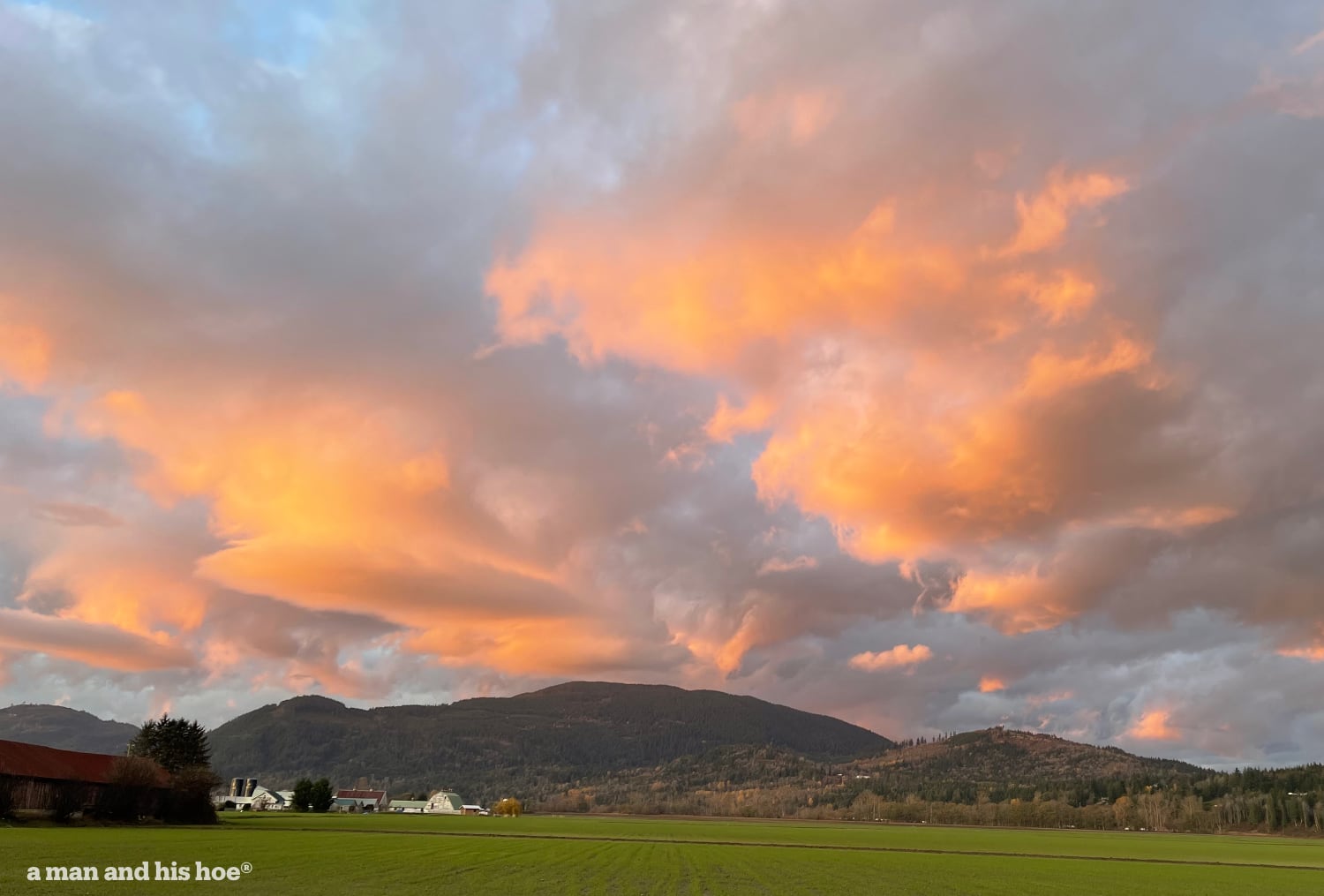
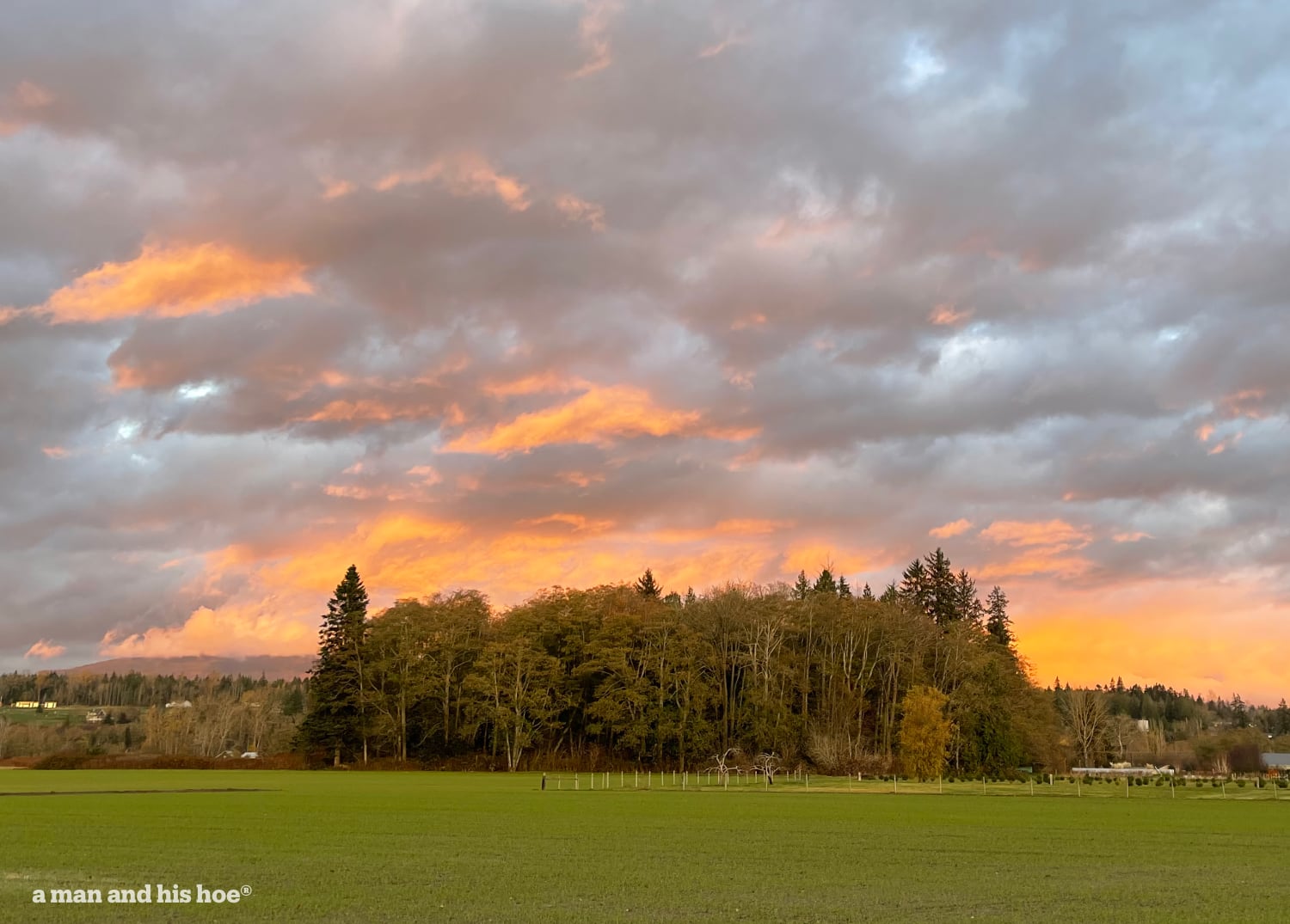
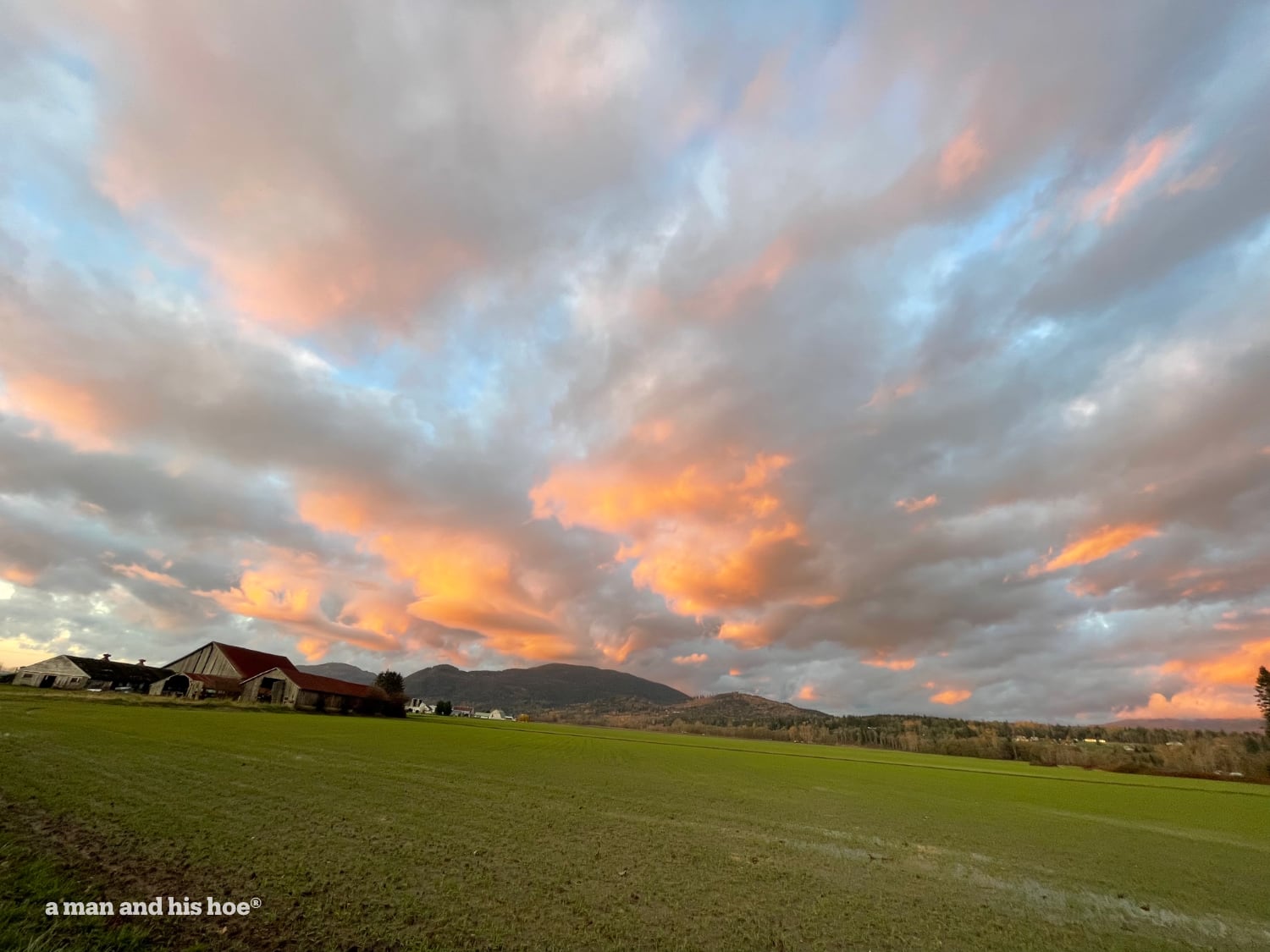
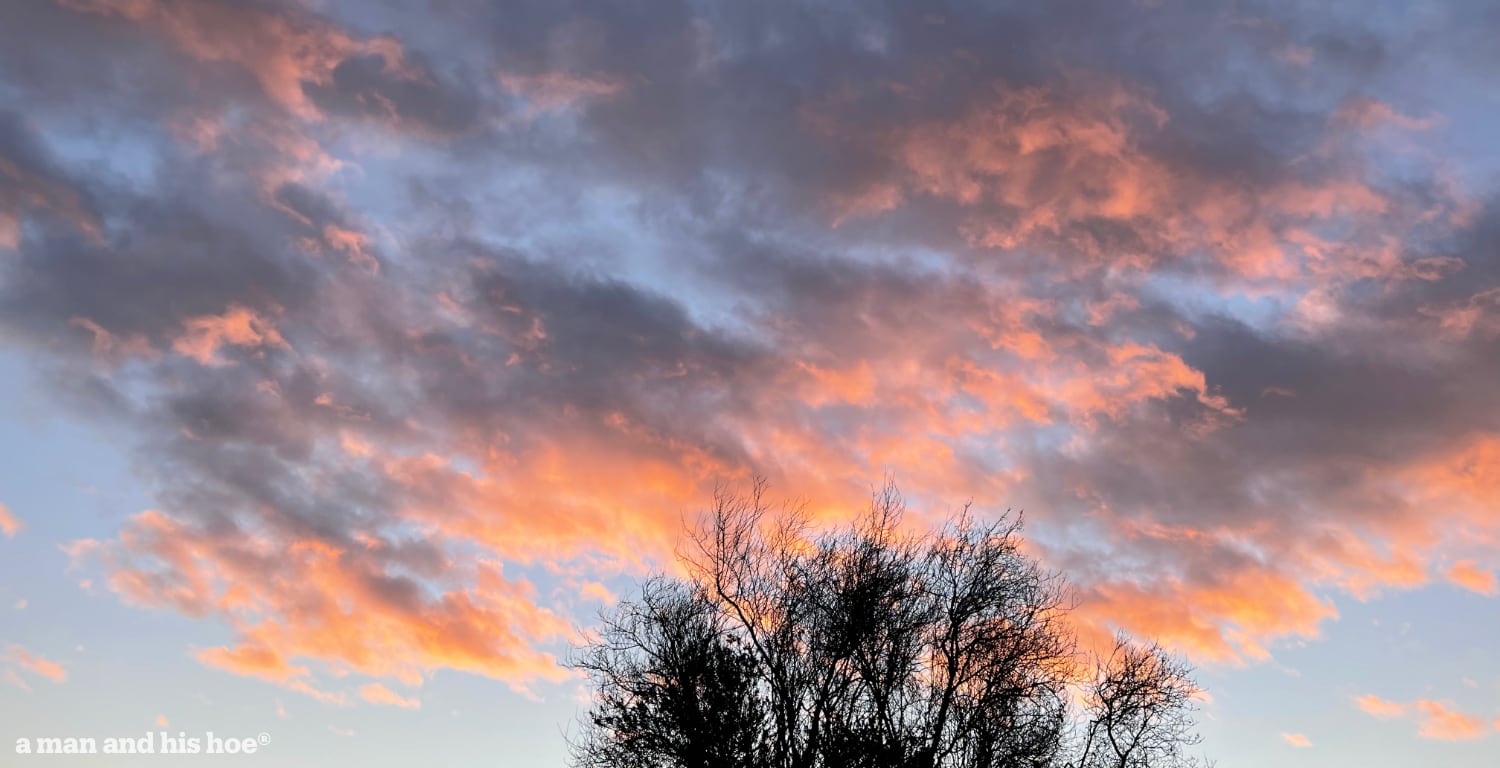
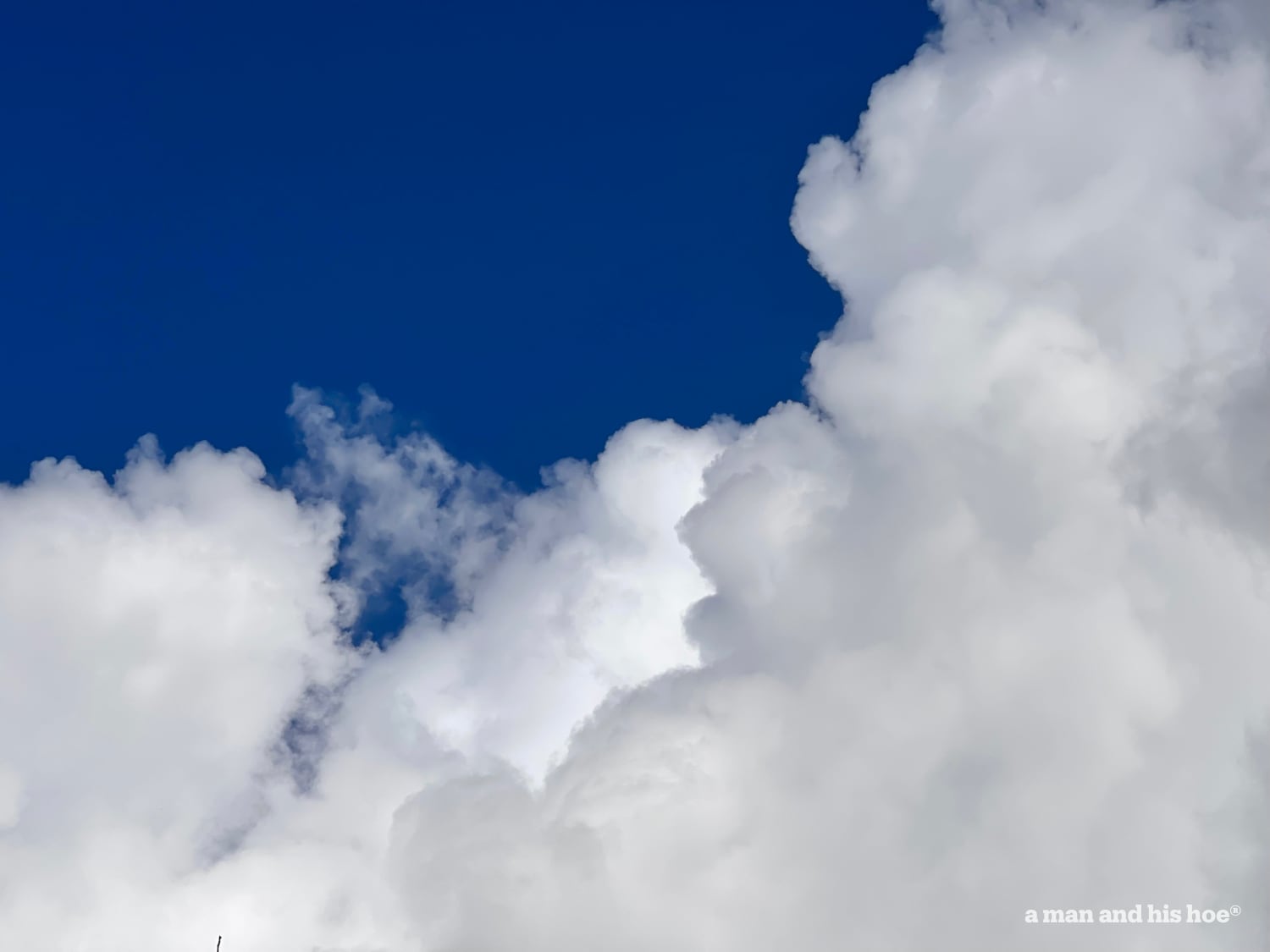
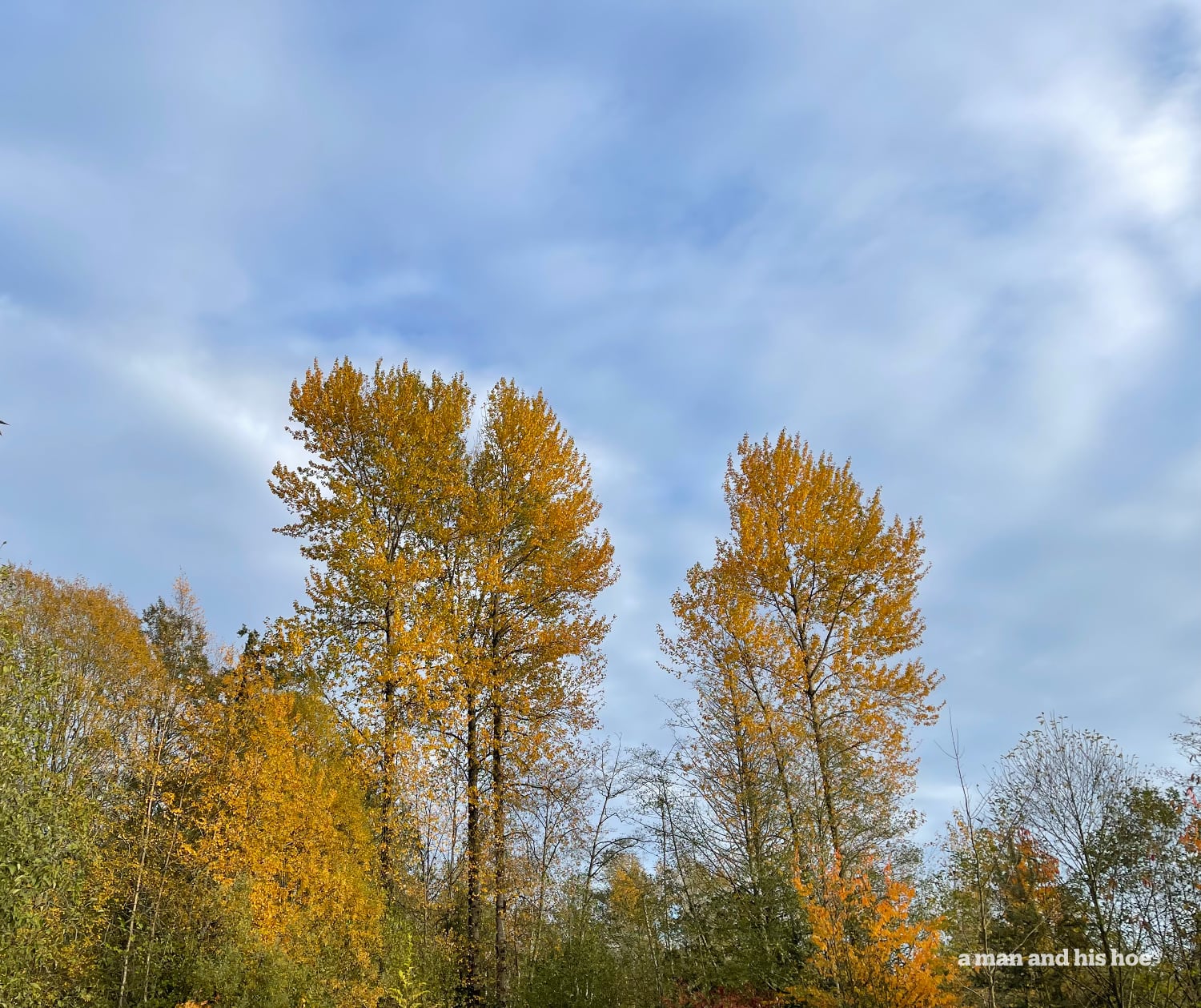
    clouds after the storm against a blue sky

    After the storm of Sunday and Monday, yesterday was so bright and blue it made the previous days of stormy weather seem like a dream. Did it really rain so much? Did the roads flood and the hillsides collapse?

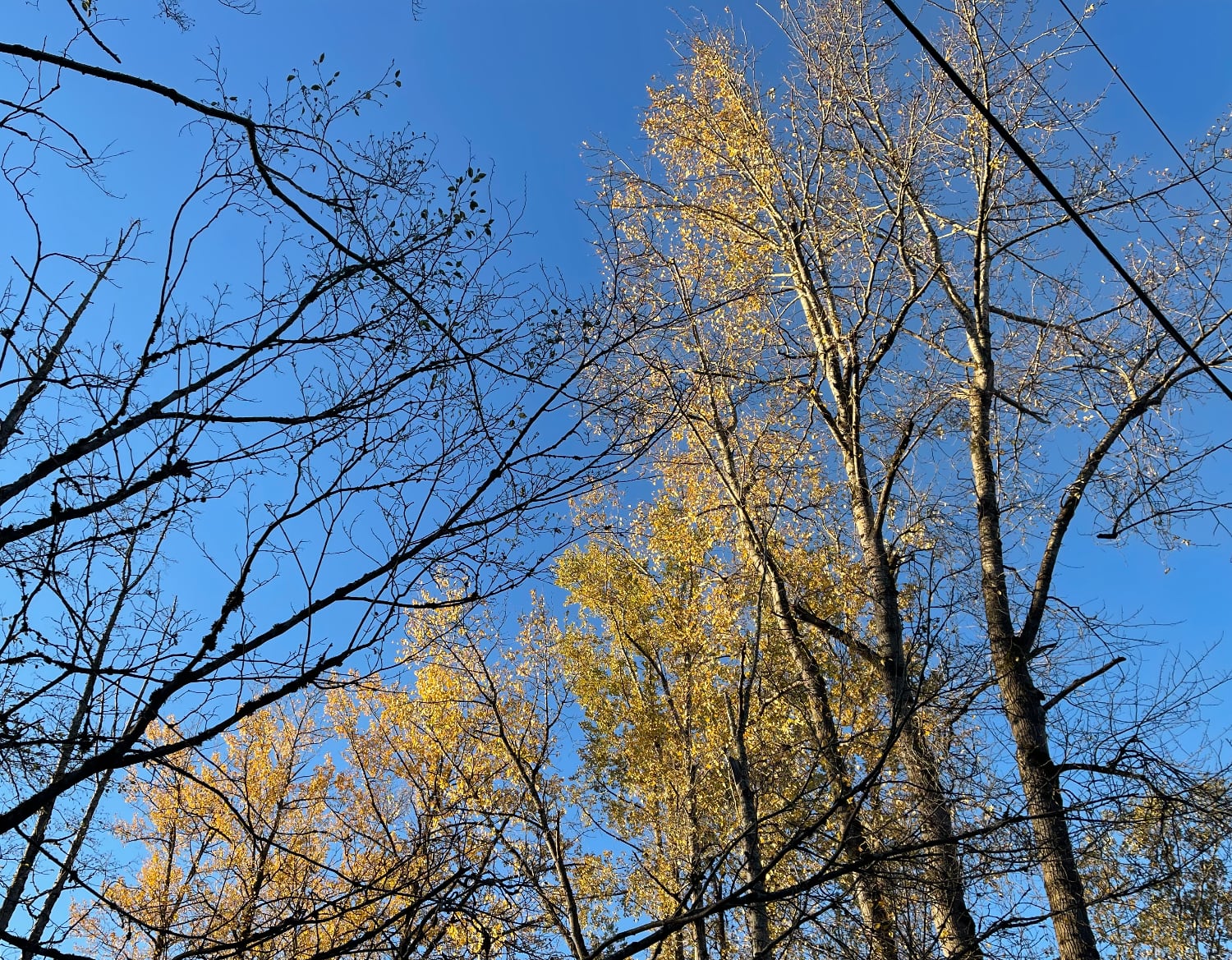
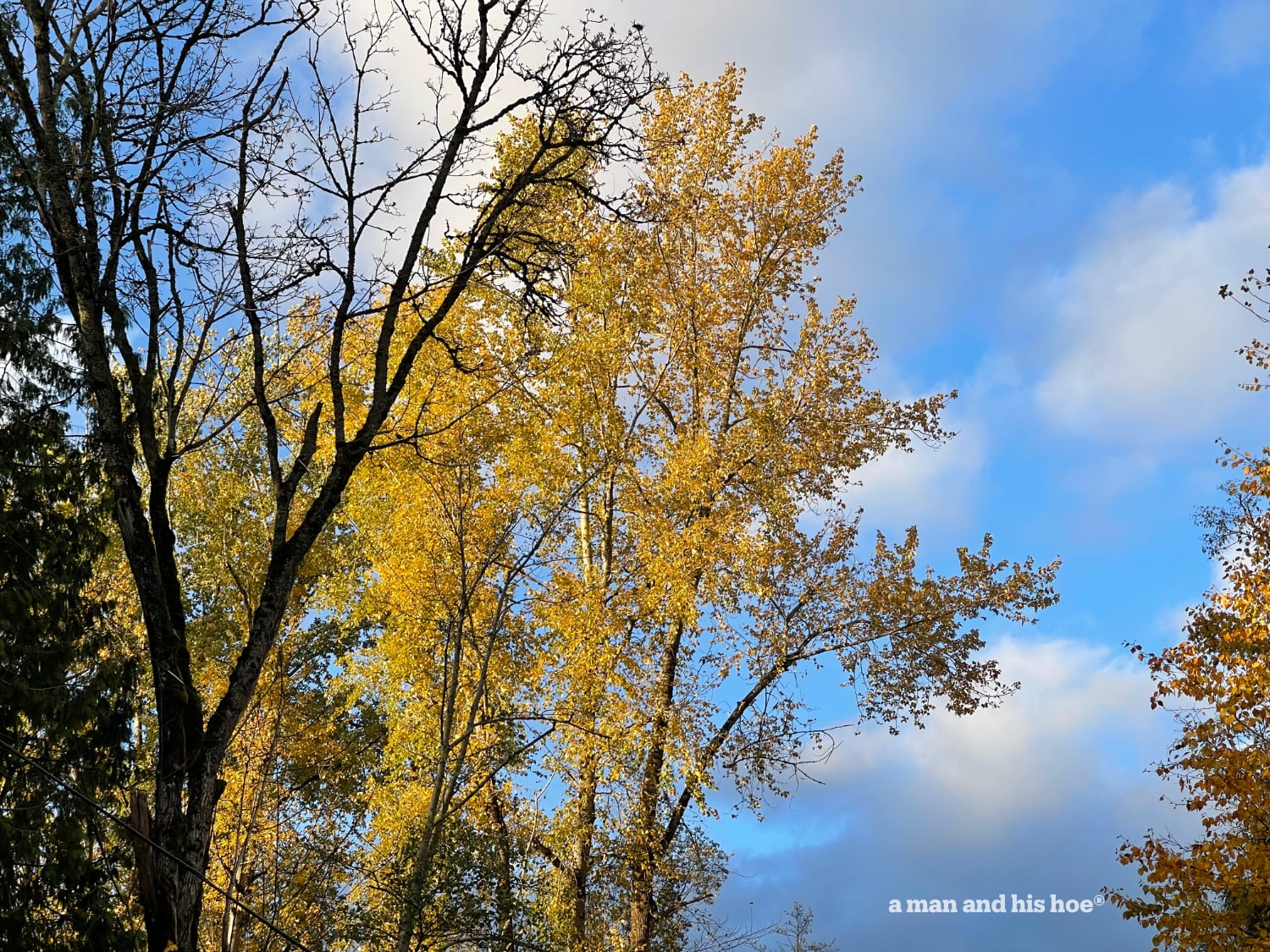
    A few cottonwoods still wave their gold leaves against the blue sky. During the windy days their leaves rained down like confetti.

    cottonwood fall leaves
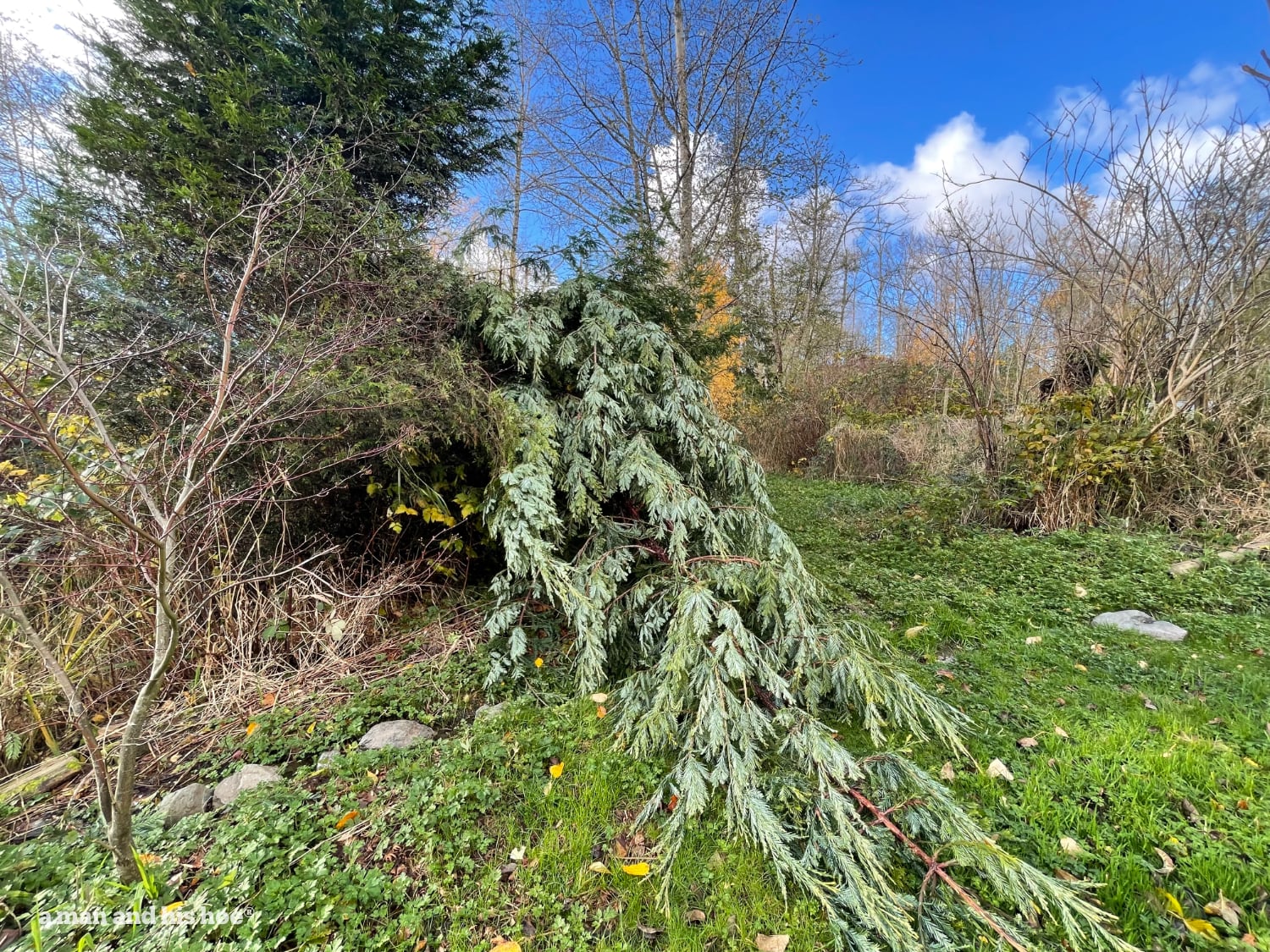
    storm fallen redwood tree

    We didn’t escape unscathed. A beloved redwood snapped in two. I had visions of the tree reaching 300 feet and higher, provided I live to be two hundred or so. The redwood will send up another shoot and eventually reach the sky. It may still happen.

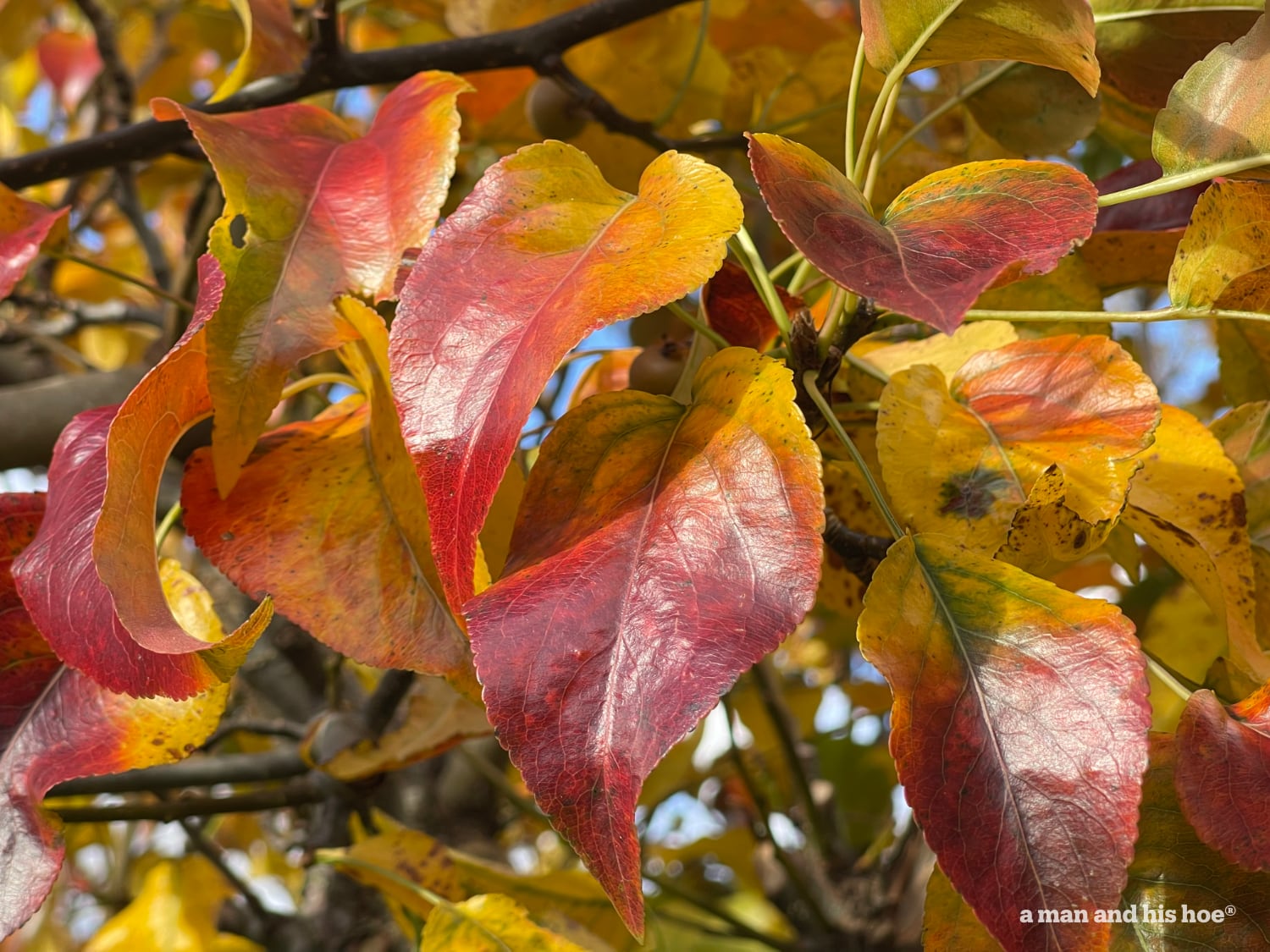
    pear autumn leaves
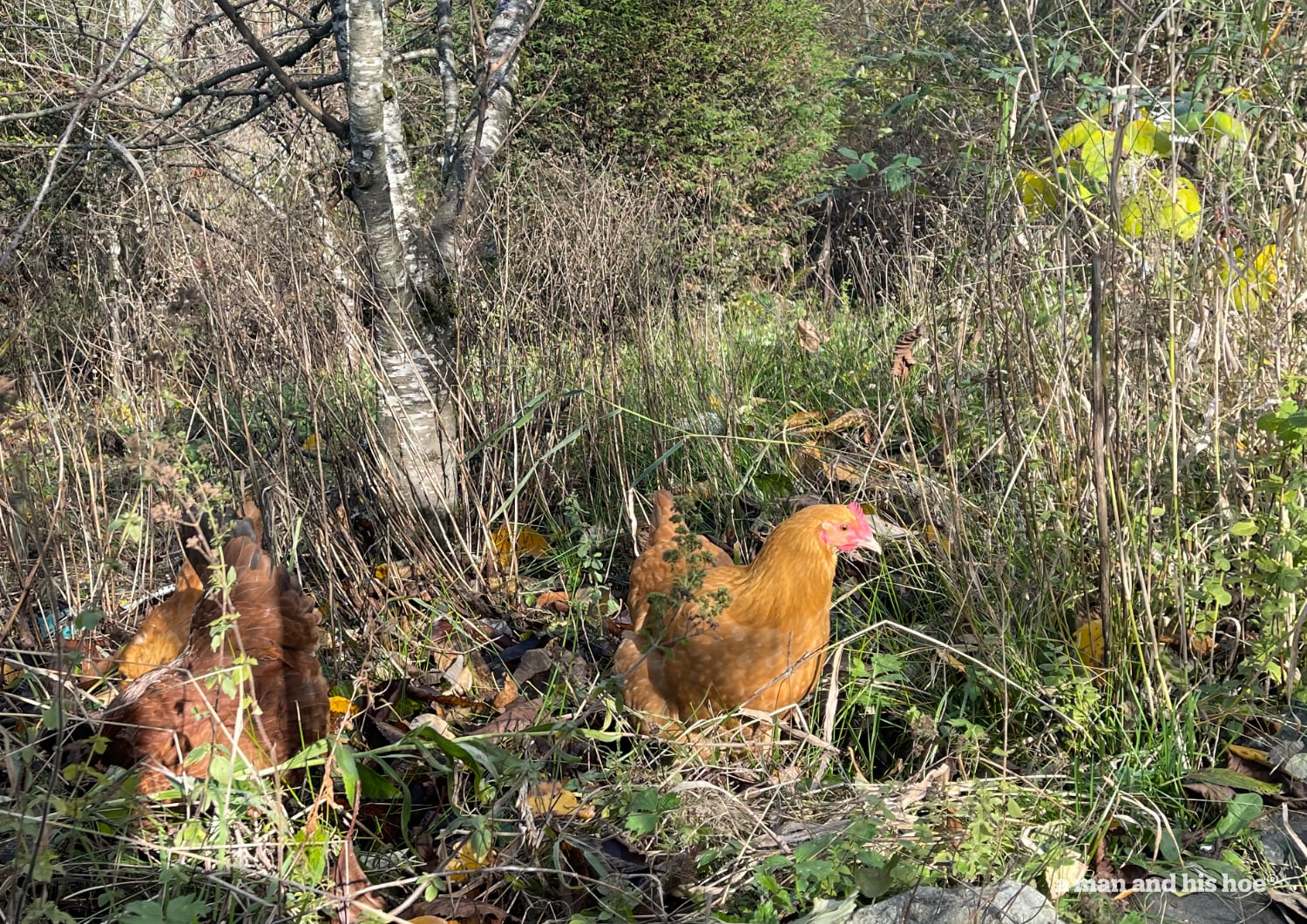
    chickens in a sunny garden

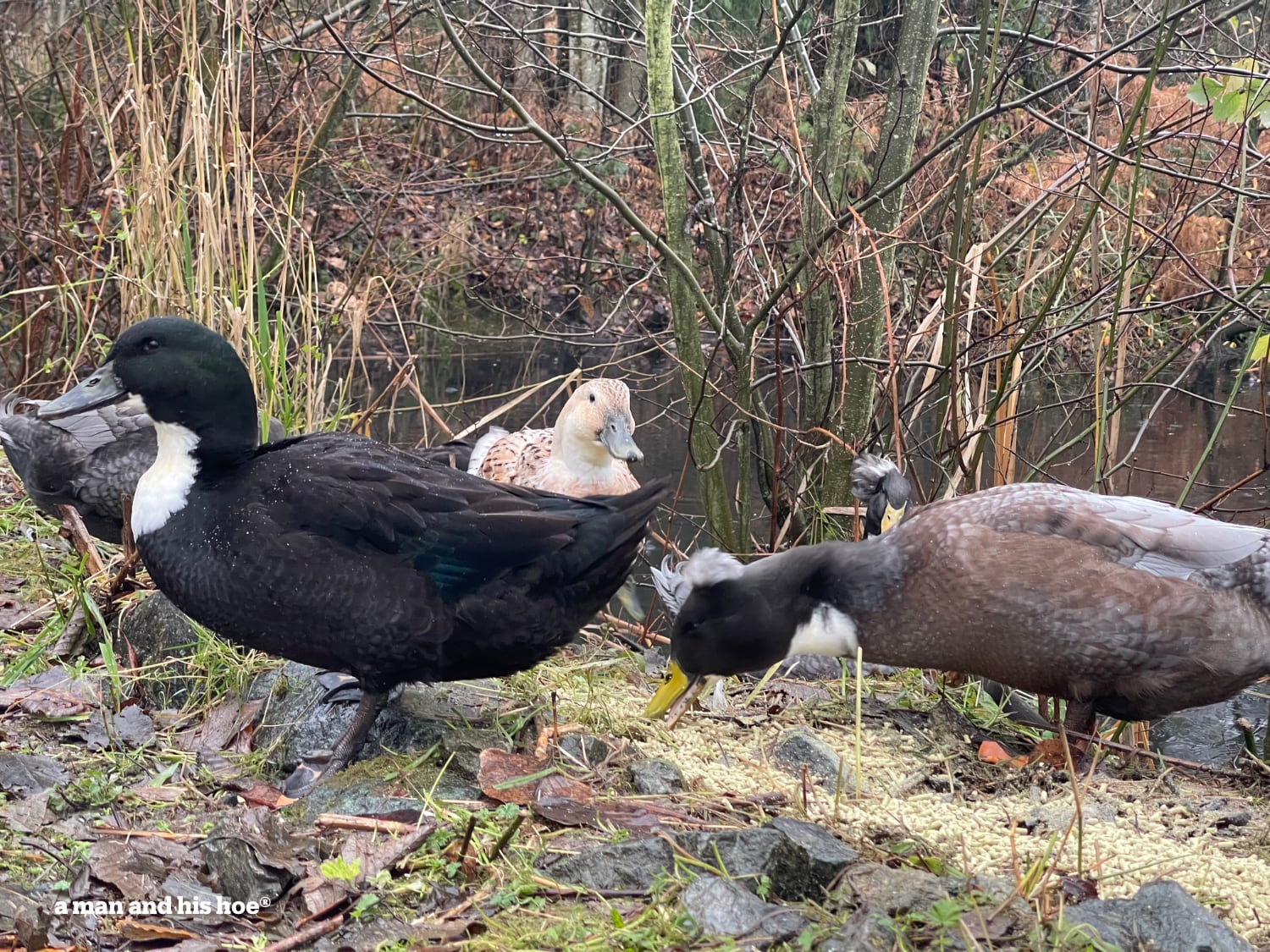
    The chickens enjoyed a break from the rainy days. It’s rained every day in November until yesterday. They can finally forage without getting wet. Even the ducks were sunning themselves on a sunny bank of the pond yesterday. I guess the weather can get too wet even for them.

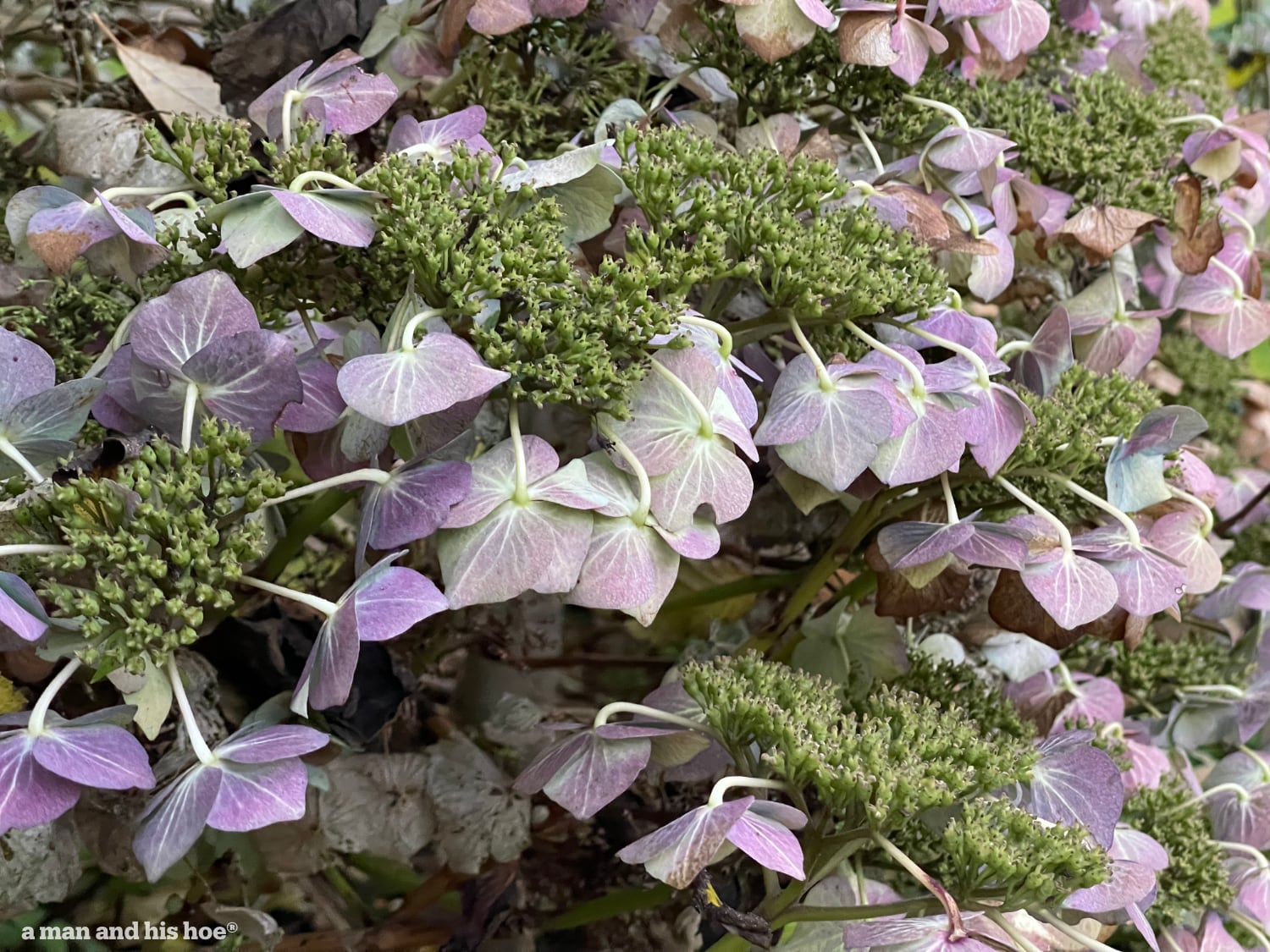
    dried hydrangea flowers
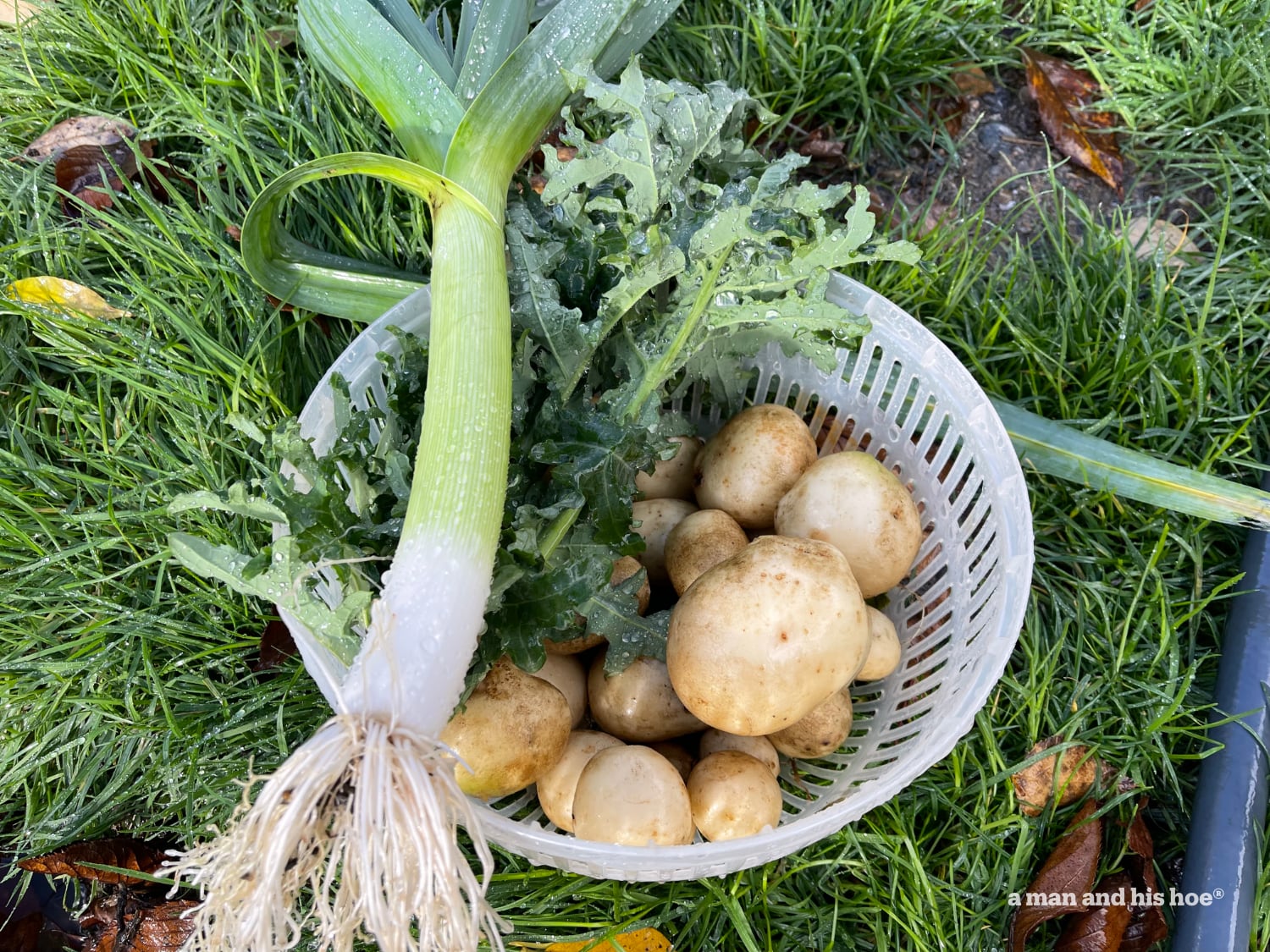
    potatoes, kale, and leek

    Potatoes, leek, and kale. They are late fall and winter staples. I decided to leave the potatoes in the ground instead of digging them all up. It’s an experiment to see if the ground is as good a storage place for them as anywhere. I suspect that they’ll be fine through December, which is about when I will have dug them all up. By mid January or February, they will probably be sending out roots and become inedible as they start to grow. Potatoes turn into this odd glassy, crisp texture when they start to grow. Not pleasant to eat at all.

    As mornings turn cold and frosty, the kale becomes ever sweeter. Kale picked on a snow day is about the best kale you’ll ever eat. Sugar is the kale’s antifreeze, so mid-winter kale, picked on an icy day, is comfort food.

  • Dark, dark, dark


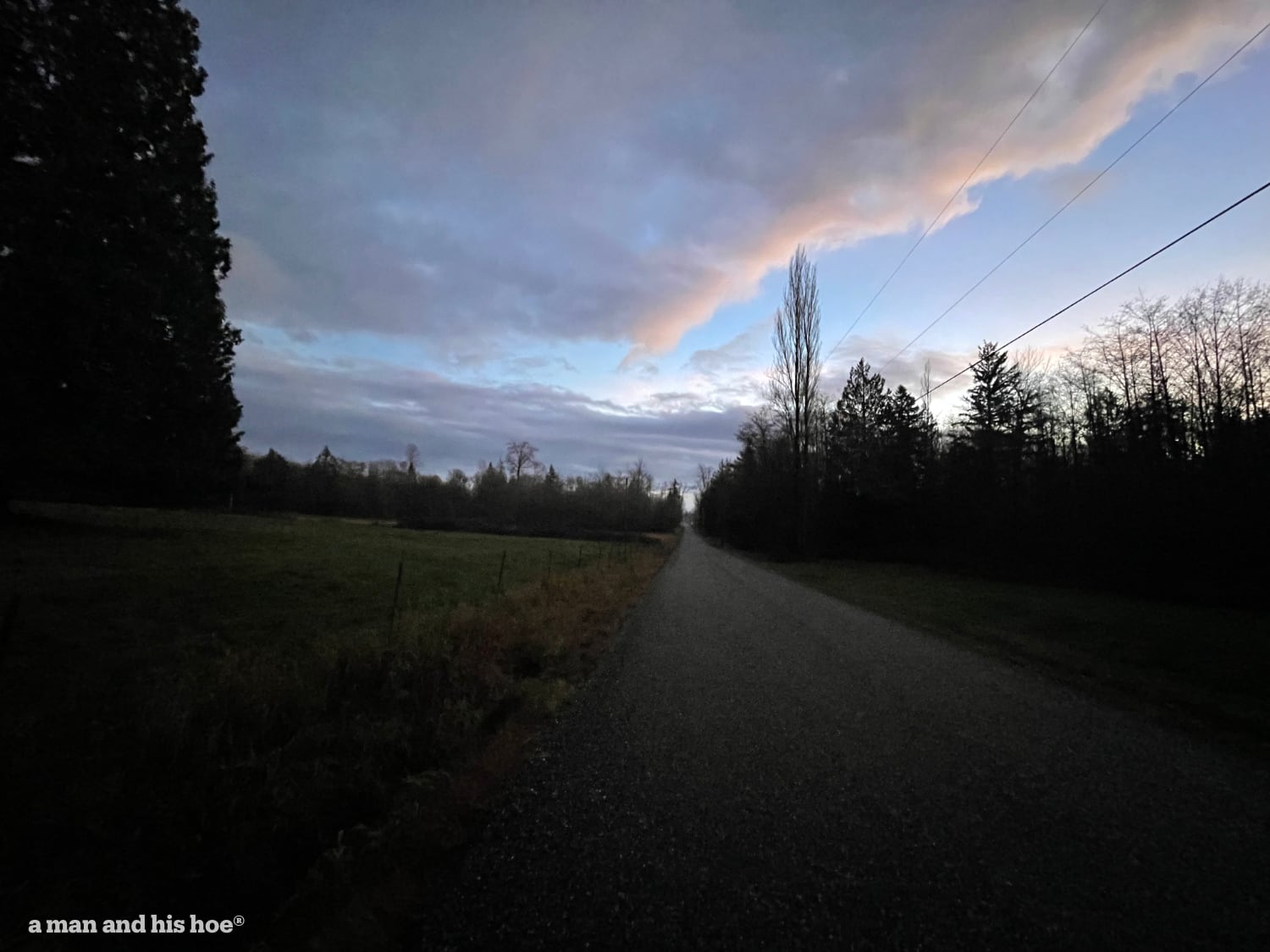
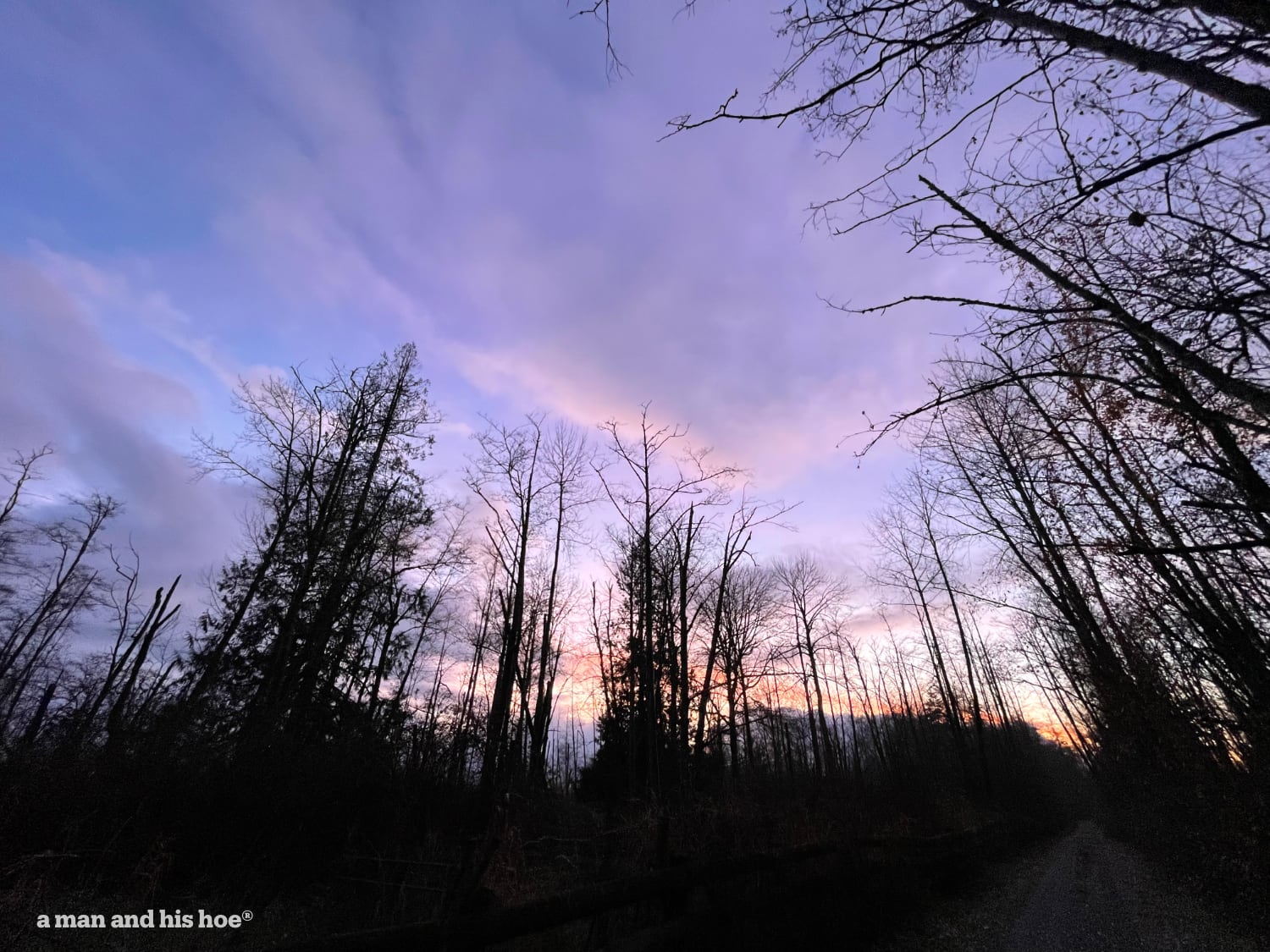
    The cottonwoods have turned. As colorful as they are, standing tall against the sky, they aren’t an honest depiction of what this season is like. To convey this season, I should post pictures of near total darkness. It’s dark in the morning. It’s dark by late afternoon. It’s dark most days with heavy clouds obscuring the mountains and the sun.


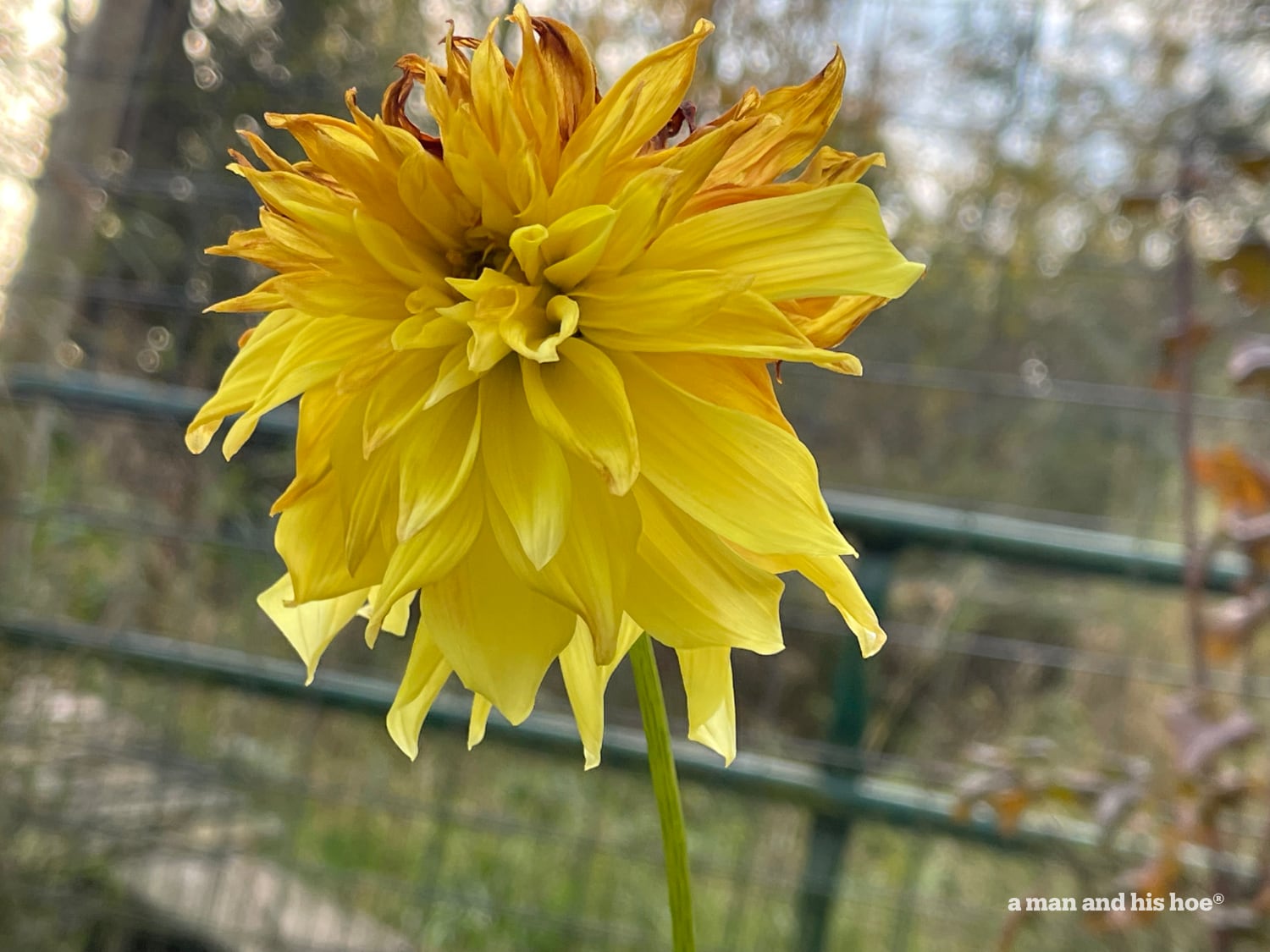
    One last Dahlia adds some brightness. Each day is darker than the day before, but in just five and a half weeks the days will start to lengthen. We humans can’t help but have at least one toe in the future. The swans are back, foraging in the fields. They just arrived, but are some of them already planning their trips back north? Are some counting the days until they can go home?


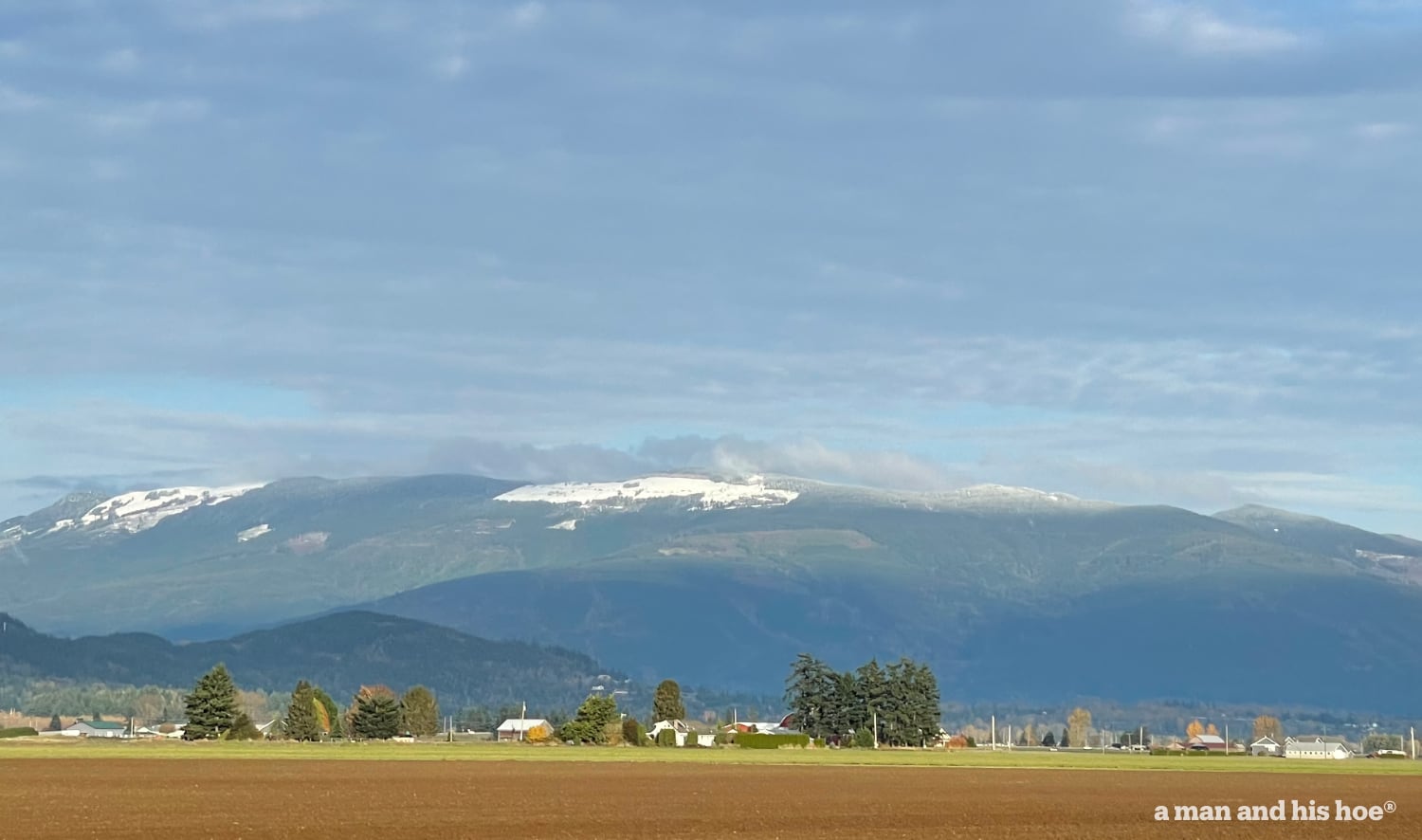
    Snow is back on the foothills. On cloudy days, it’s impossible to see how low or how high up the hills the snow is. But when the clouds part, it’s easy to picture foxes playing in fresh snow high up on the foothills.

  • First Frost


    If you’re not satisfied with enough, you’ll never be satisfied with more. There are a number of variations of this saying by Epicurus. The insight is as meaningful now as when Epicurus said it thousands of years ago.

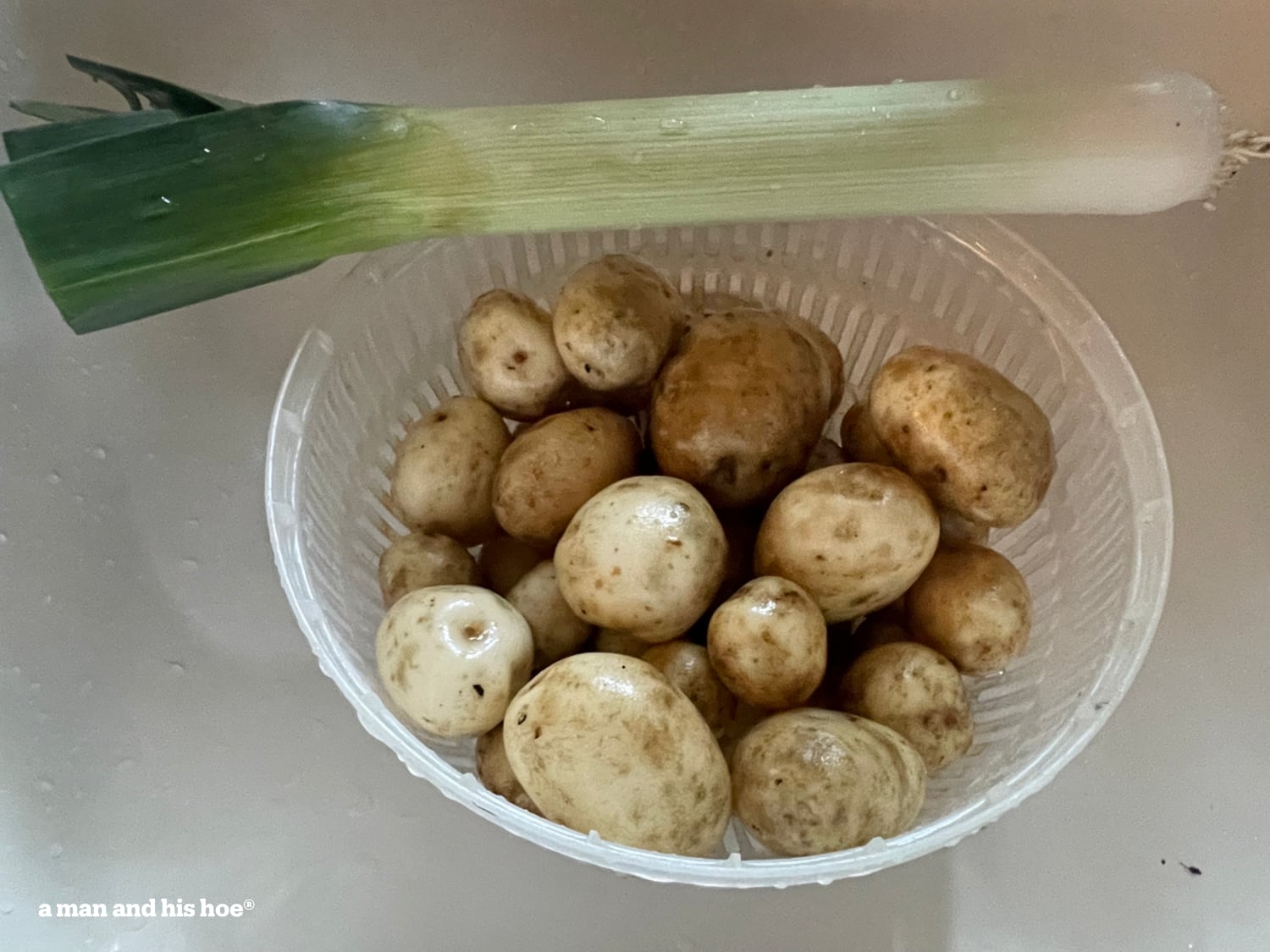
    One potato satisfies me, so when I bring in a basket of potatoes from the garden, I have no problems being equally satisfied. And there is a fat leak as well.


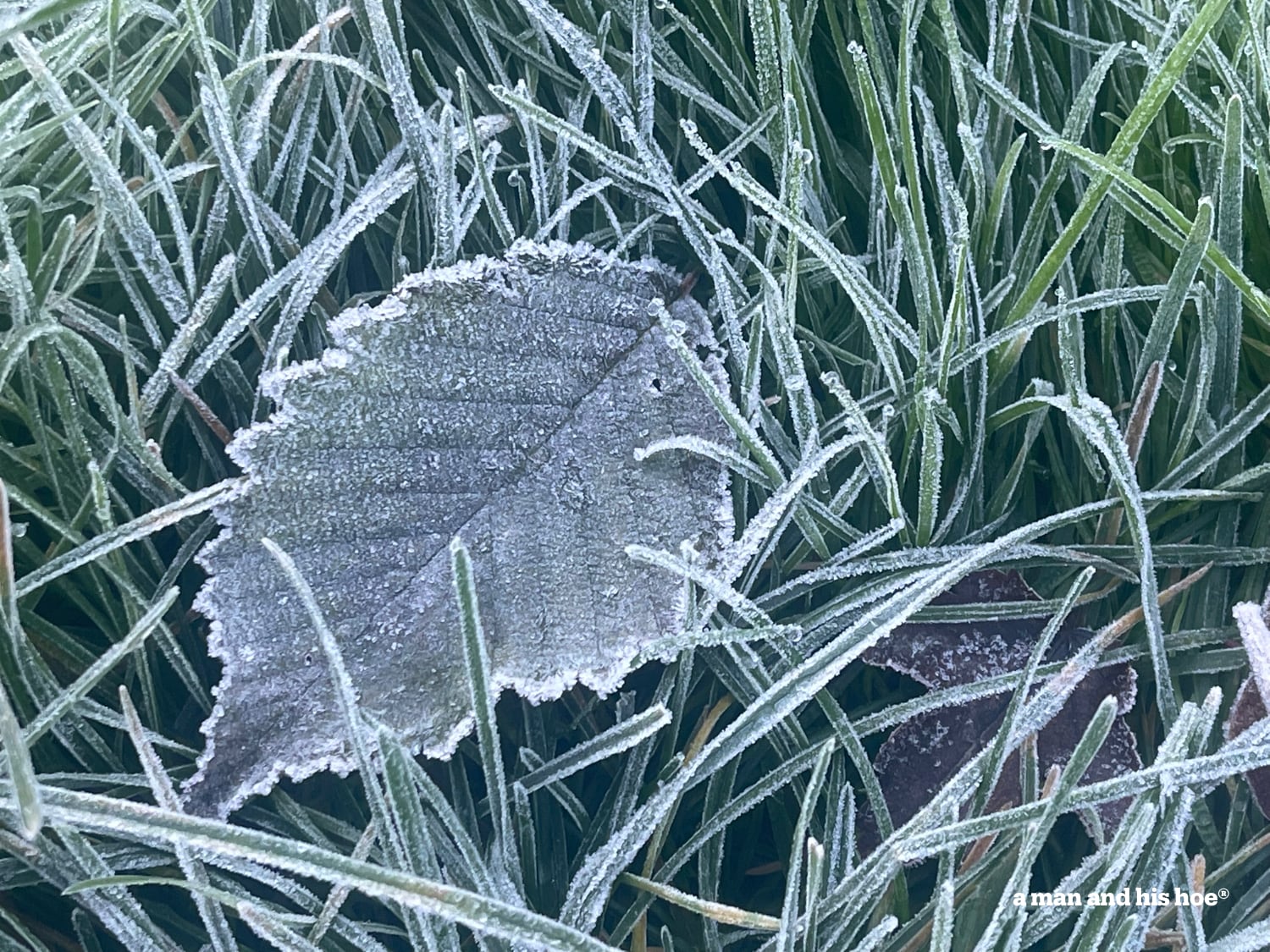
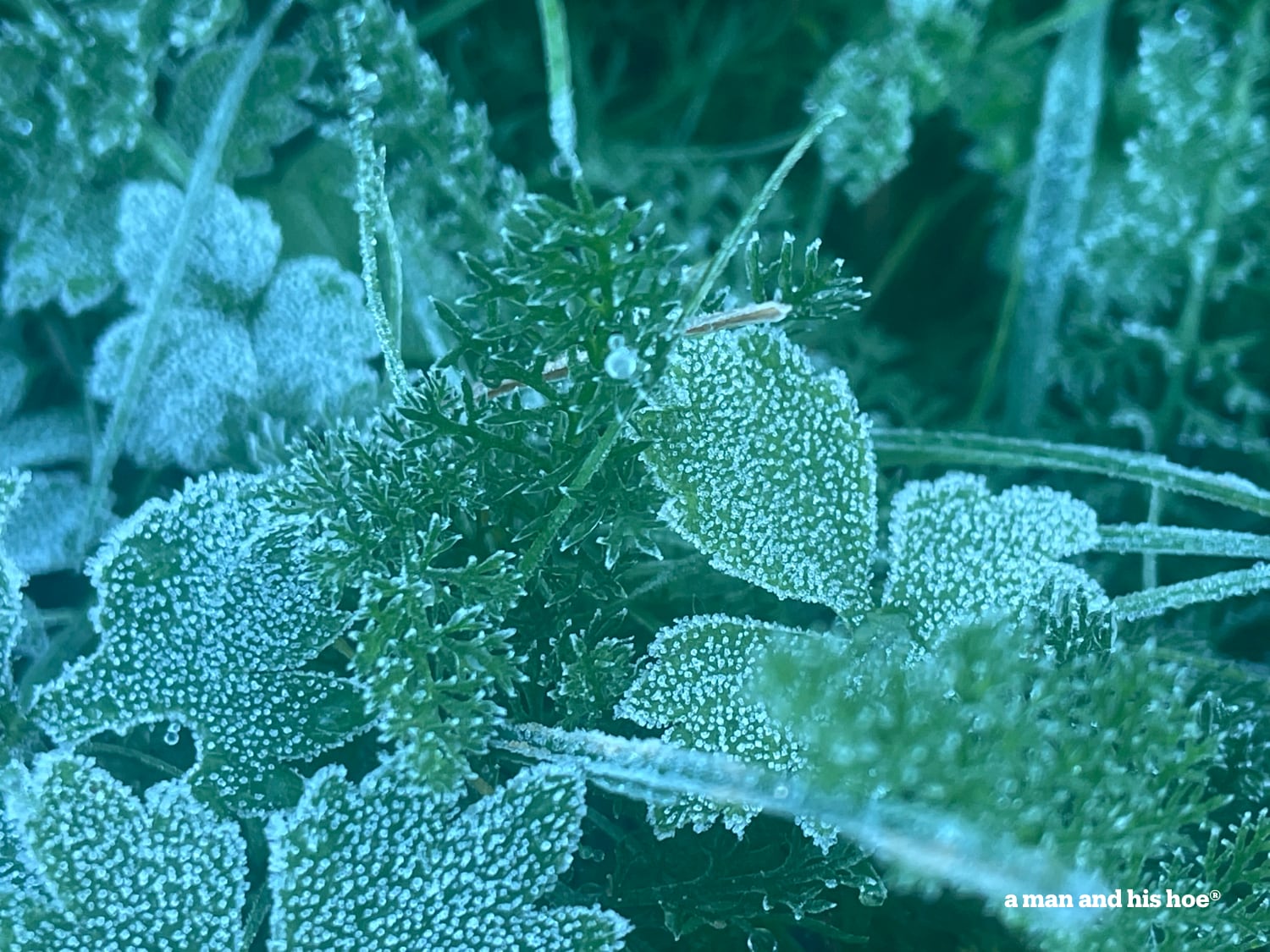
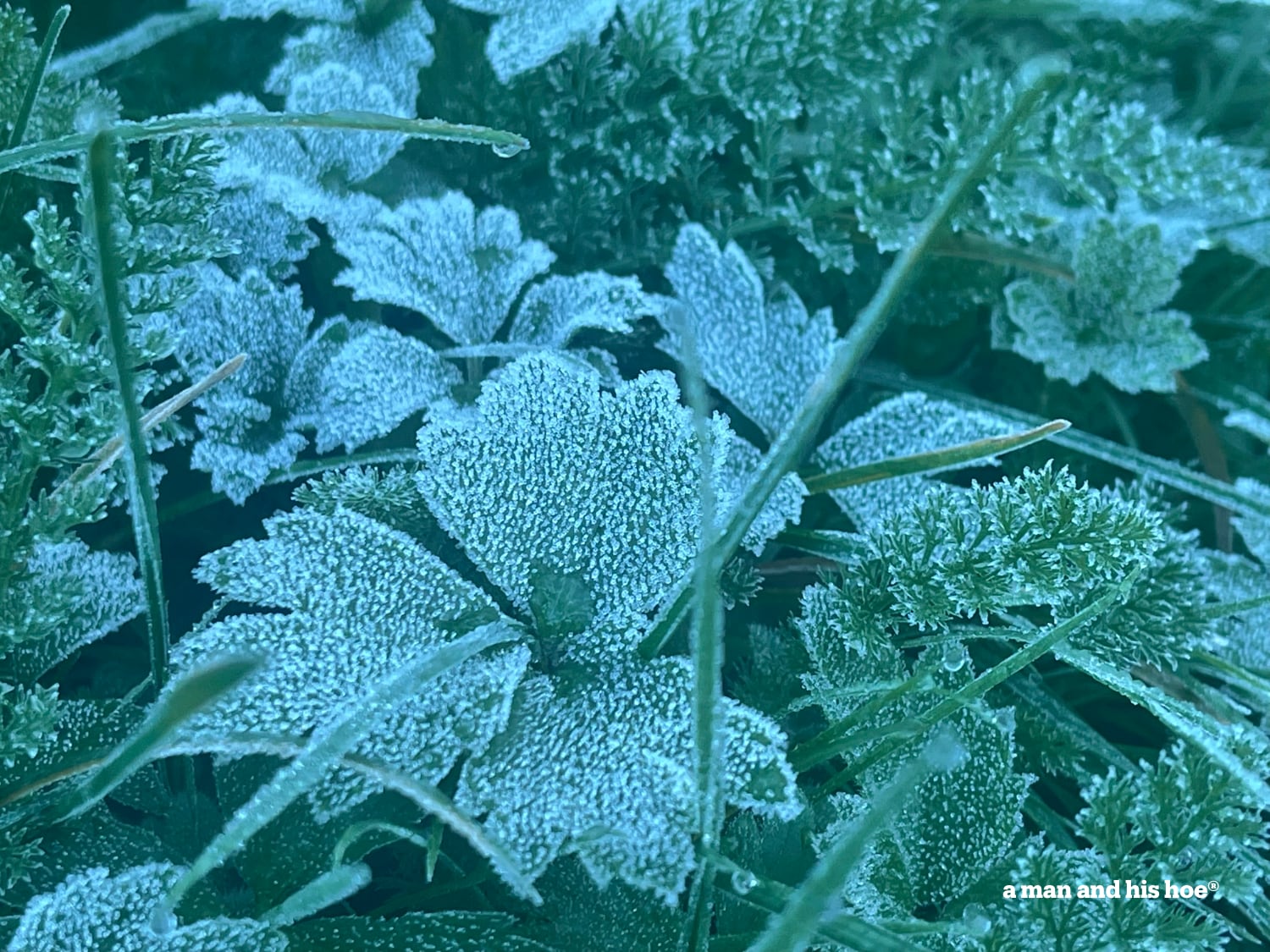
    The first frost of the season happened this morning. Each fall, the first frost of the season is as delightful as all the first frosts of years past. They are a sharp reminder that winter is coming. Touch the frosty grass and your fingers sting from the cold. First frost mornings are transformative.


  • Return of the Snow Geese


    Each day brings brighter colors. The pear leaves are at their peak. This year, the fall colors are unfolding over many weeks. Many trees have yet to turn. Others have nearly dropped all their leaves.


    Wednesday afternoon I saw a few filaments of snow geese in the sky. Thursday on our way home from running errands, the snow geese fell out of the sky like snow. The arrival of the snow geese marks the beginning of winter in a way. Soon the swans will follow.

    Watching snow geese fly in from the north is a spectacle. Just when you think the last of them have made it, more strands of snow geese, stretching for miles appear against the gray clouds. Hour by hour, they keep flying in and landing, until the fields are as white as snow.

    The swans are probably glad the snow geese have left the tundra. Until they join them in a few weeks, they can enjoy peace and quiet. If you like the hustle and bustle of the city, snow geese are your birds. They can’t shut up. If you’re a snow goose, you don’t know what it is to be still and hear nothing.


  • Sunny Interlude


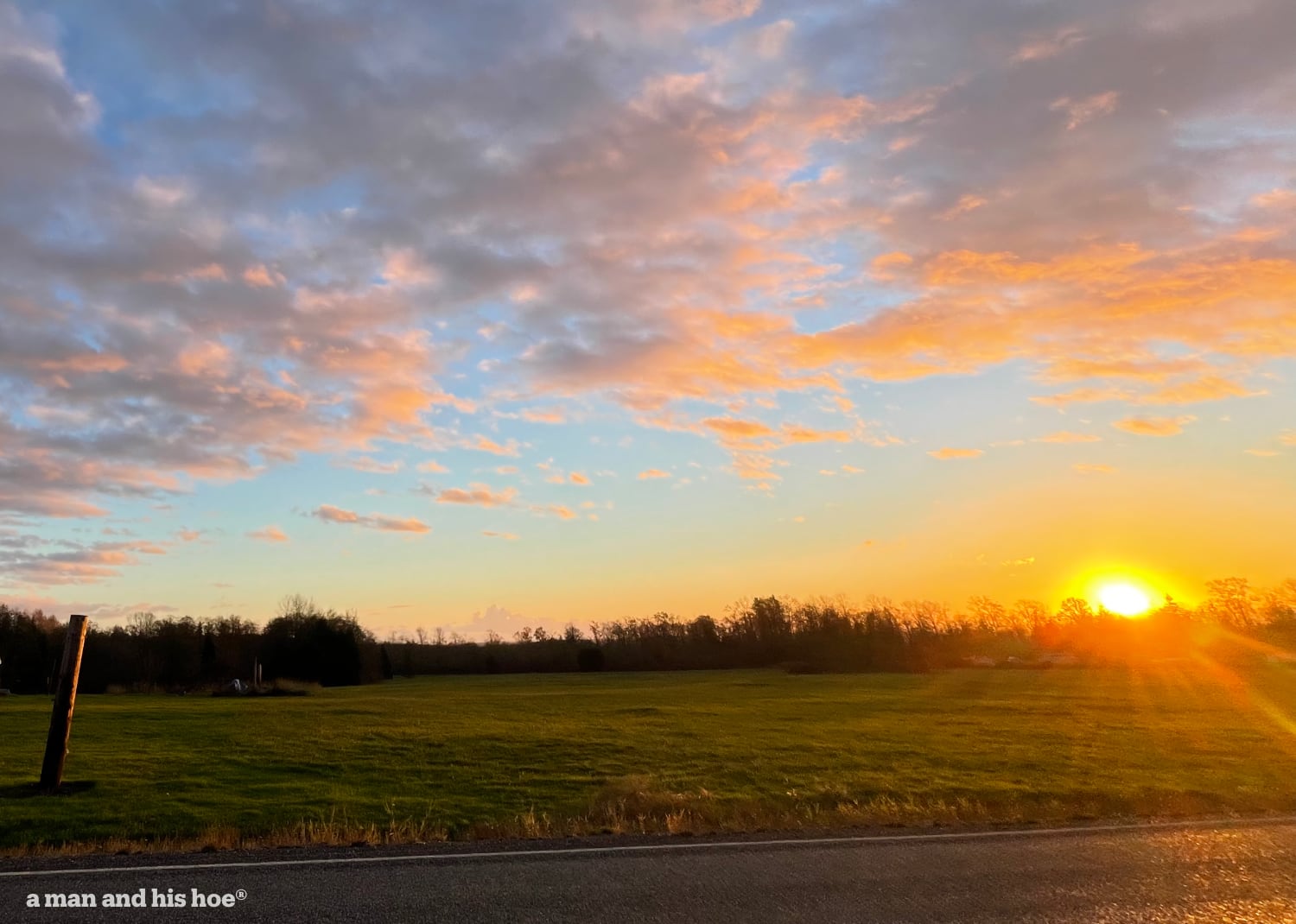
    Sunshine appeared this morning. Life has a different quality this time of year. It’s dark when I wake up. It’s dark early in the evening. It’s a comfort knowing that by the end of February, the days will be longer than they are now. I’m old enough that February doesn’t seem that far off in mid October.


    We’ve yet to reach peak color of fall. The alders, cottonwoods, and mimosa are still quite green. The maples, witch hazels, and a few other trees are already brilliant.


    There’s always something to reflect on. This week it is my carelessness at not considering how clever an owl can be. The netting and fencing which kept the hawks and eagles at bay from the ducks in the garden were no match for a wily Barred Owl. Mid morning on a recent day, it stealthily slipped into the garden and did in three of the ducks. I moved the remaining duck which escaped unscathed to the pond to be with the ducks there.

    The tragedy of an owl is that they eat very little of a bird. Mostly the brains and some of the organs. So unlike a hawk or eagle which is satisfied with a single bird, an owl can quickly do in many.

    A harsh lesson learned, I’ll need to strengthen protection in the garden before I place ducks there again.