• Snacking on Cherry Blossoms

    RubyAfterCherryBlossomA

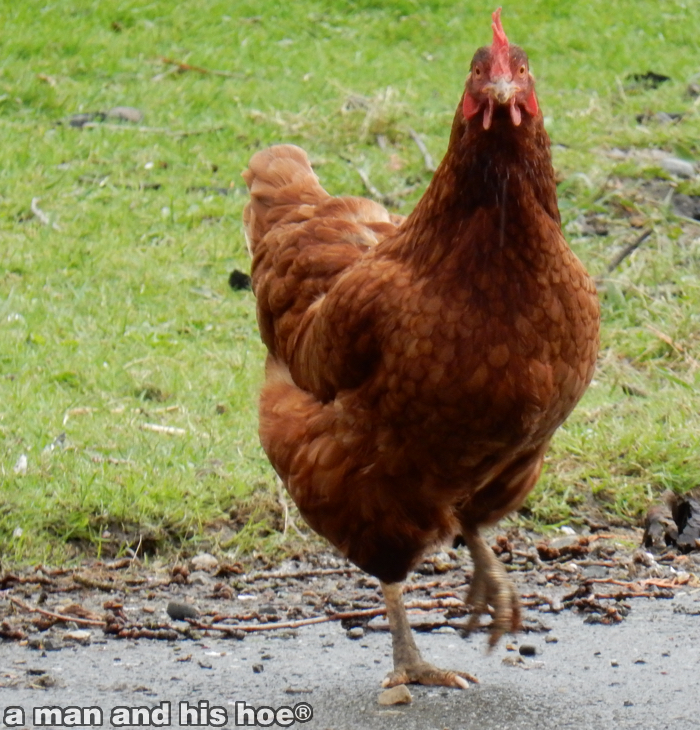
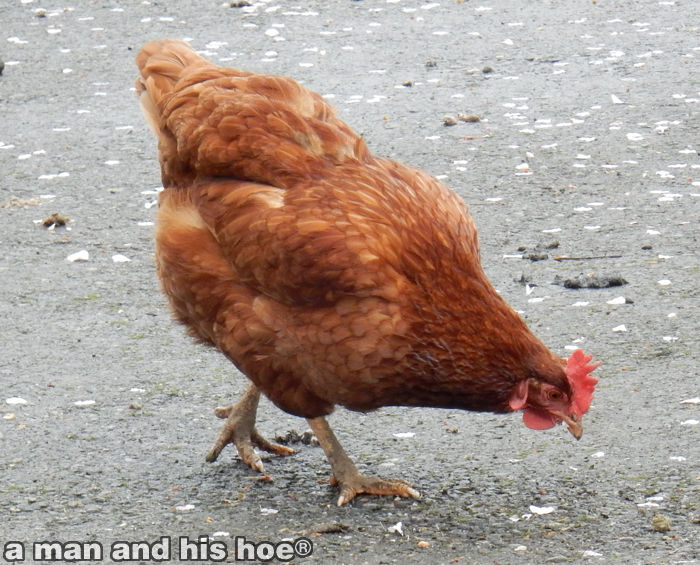
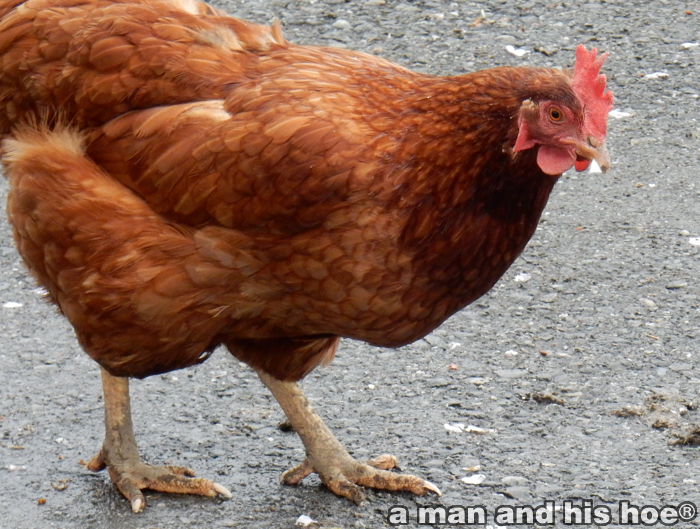
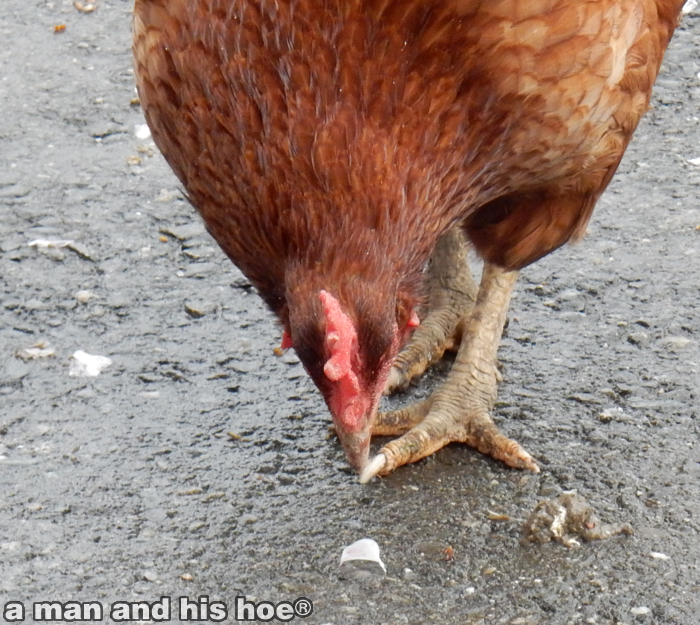
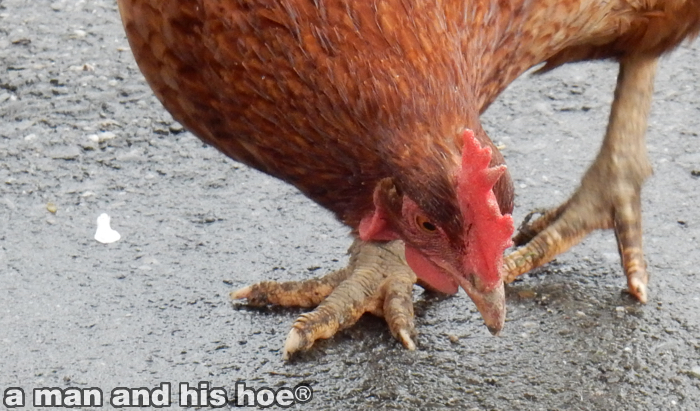
    The wind and rains of the last few days have driven many of the cherry blossom petals to the ground. For a brief time every spring, the chickens get to feast on cherry blossom petals as they fall to the ground. The cherry branches aren’t that high. If they wanted, the chickens could fly up into the branches and feast on cherry blossom petals, but they don’t. They wait for them to flutter to the ground.

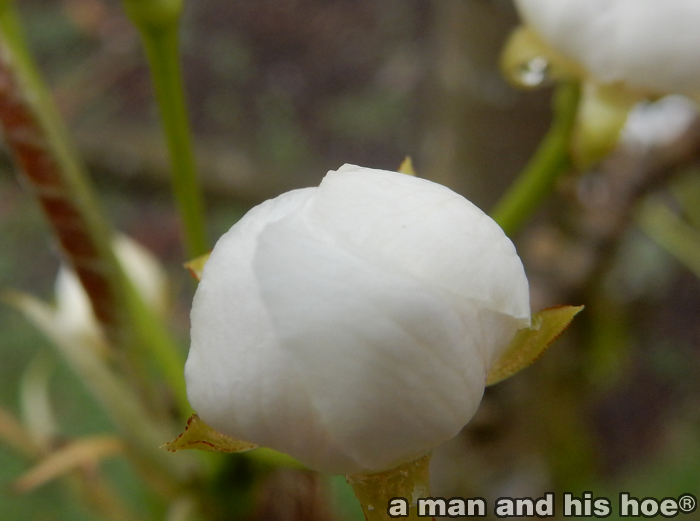
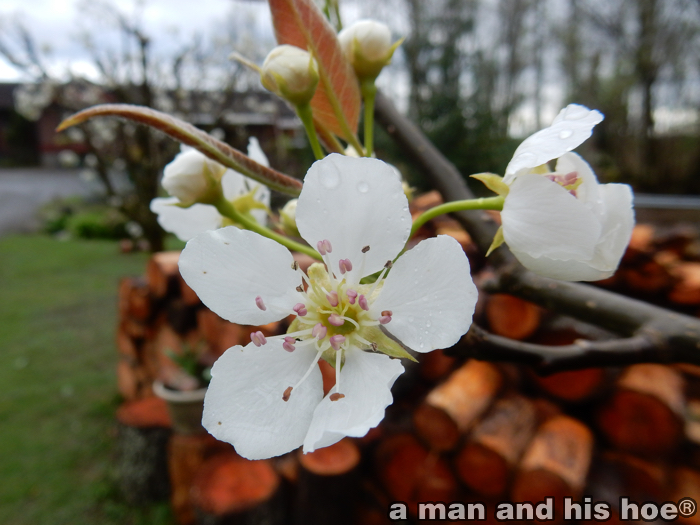
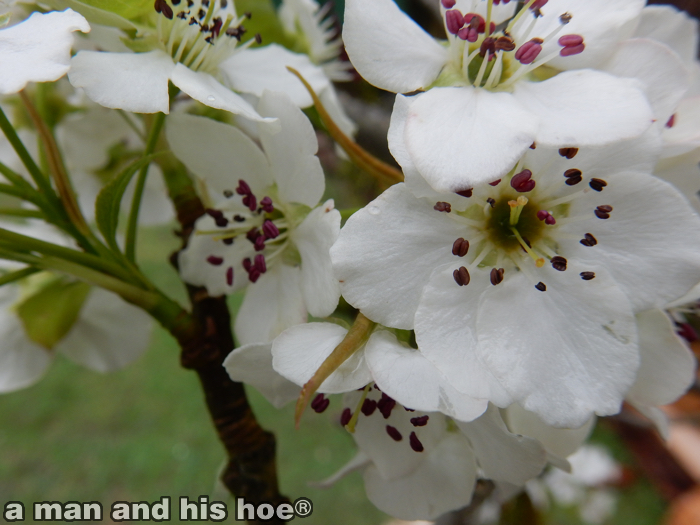
    Next to come are the pear blossom petals, followed by the apple blossom petals, a whole season of sweet petals to enjoy.

    RubyAfterCherryBlossomB
    RubyAfterCherryBlossomC
    RubyAfterCherryBlossomD
    RubyAfterCherryBlossomE

  • Eggs and More Eggs

    Egss150319

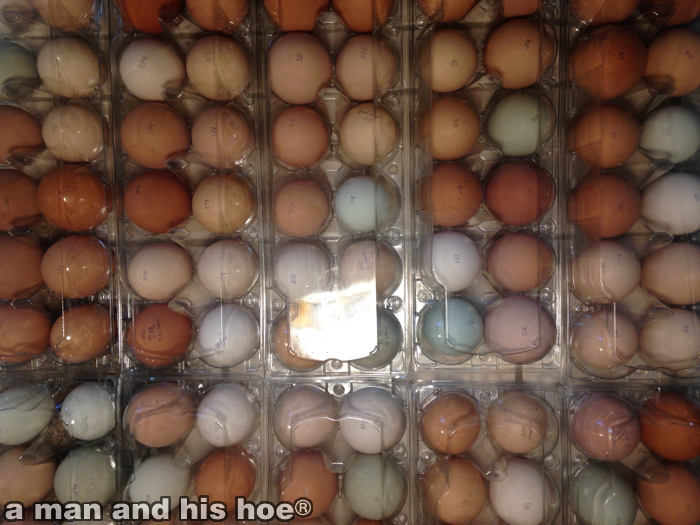
    The counter is covered with eggs ready for market. Such a variety of colors and shades and shapes and sizes. Every hen is unique. Every egg is unique. Every egg every hen lays is slightly different from the one she laid before. That’s the way nature is. Why make anything twice? Make everything different. Try all possibilities.

  • Blooming Skunks

    SkunkCabbage150318A

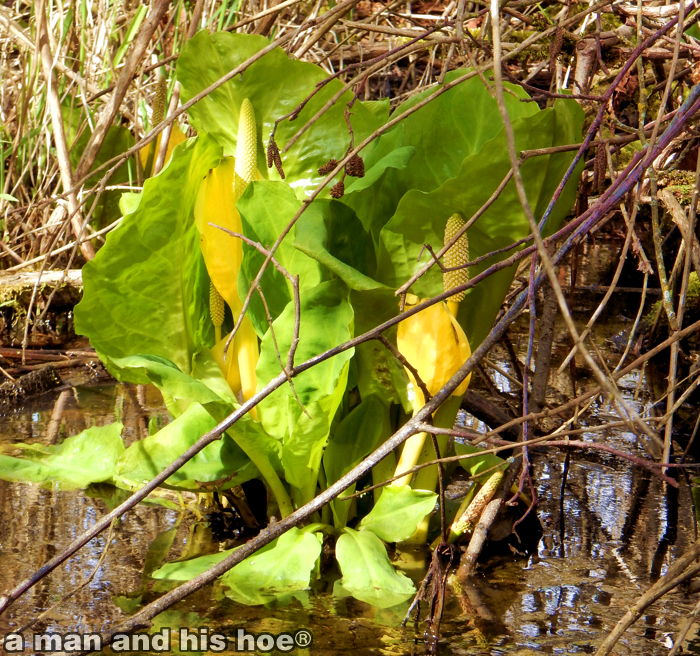
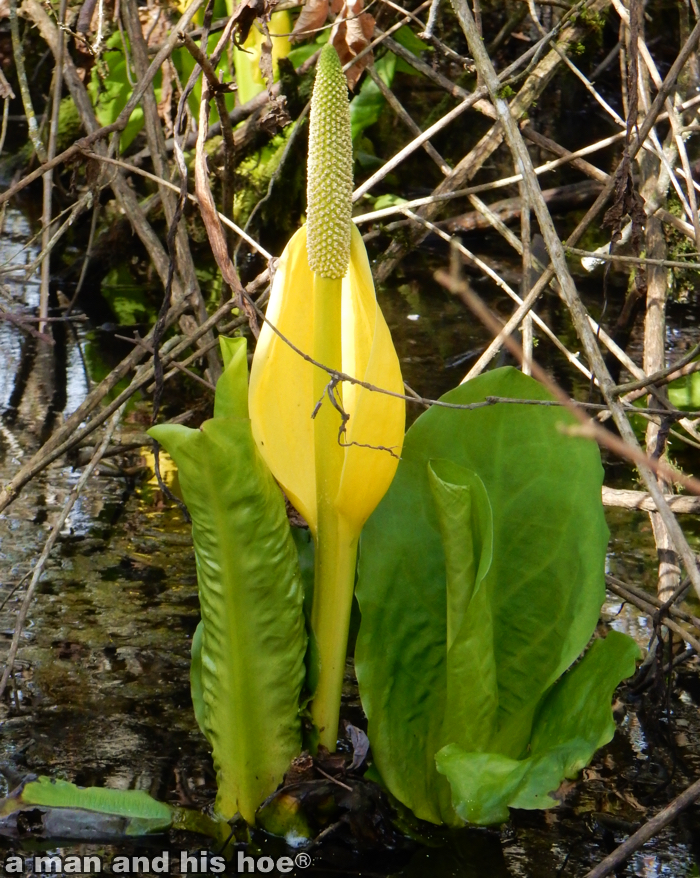
    Skunk cabbage, that is. The skunk cabbage in the wet woods are in bloom. Lysichiton americanus are a sure sign that spring is well underway. Evidently bears dig them up and eat the roots as a laxative after their long winter hibernations. After sleeping most of the winter, you probably need a strong laxative to get your system working again.
    SkunkCabbage150318B

    Skunk cabbage grow along the Pacific from Alaska to as far south as Santa Cruz county in California. Before rushing out into the woods to dig up your natural laxative, read up on it. Skunk cabbage does contain calcium oxalate crystals which can cause your mouth to burn and is fatal in large doses.

    Skunk cabbage is an arum which is group of plants known for their flowers which are produced in a spadix surrounded by a coloured spathe. They are poisonous and contain significant amounts of calcium oxalate.

    In grade school I used to bike out into the countryside and hike in the forests. One day I found a beautiful plant, which was a Japanese type of Jack in the Pulpit. I took it home, and the root looked so delicious that I cut it up, and my mother and I nibbled at it. It tasted good, but it wasn’t long before our tongues and mouths were prickly. It was an odd sensation of being pricked by thousands of tiny needles and being numb at the same time. Fortunately, the sensations didn’t last long, and we lived. When in doubt, don’t.
  • Early Morning Egg

    Coullette150318

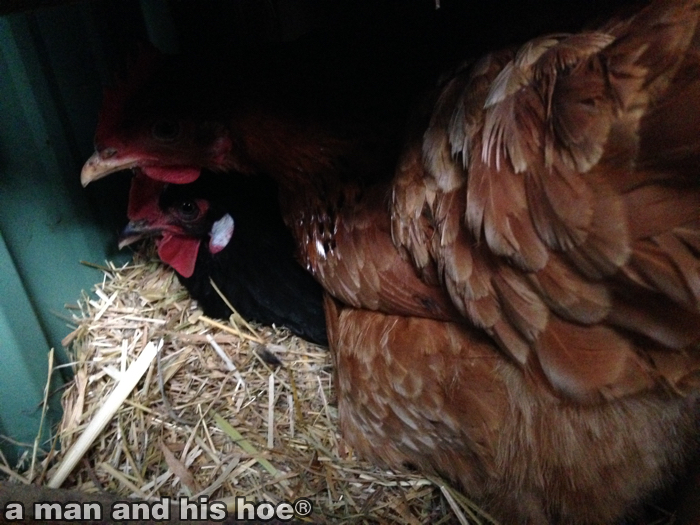
    Collette has just laid an egg. Hens tend to do most of their egg laying in the morning and early afternoon. Is she a sitter or a walker? After laying an egg, hens often shift the egg into position with their beaks. Then they either sit down to spend some bonding time with the egg, or they walk away. This morning, Collette was a walker.

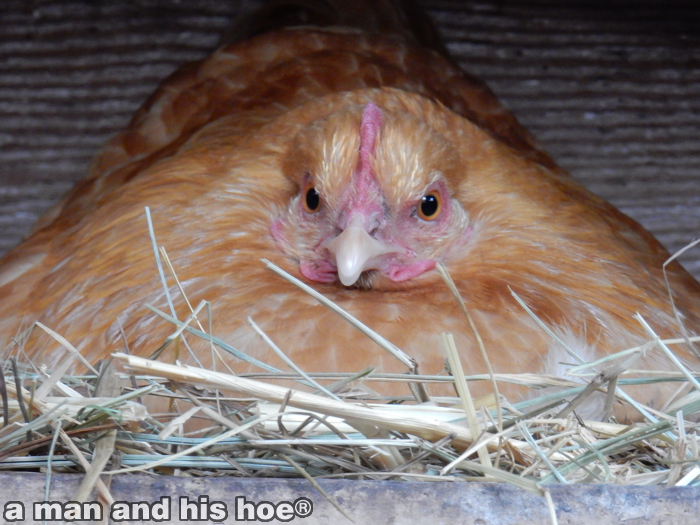
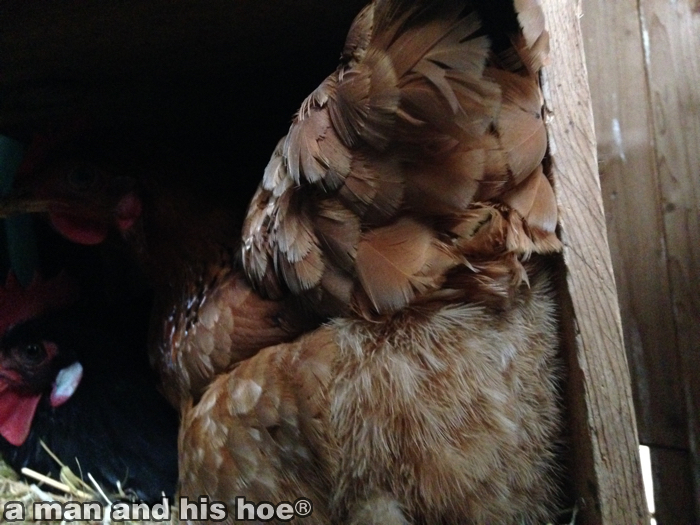
    In the nest next to her, Buttercup is sitting on her eggs. In about two more weeks, she should have a clutch of chicks to tend. She seems annoyed that I’m taking her picture this morning. She’d probably be pissed if she knew I was going to post her photo online. Is it animal cruelty to post photos of animals online without getting their permission? The more technical we become, the more moral dilemmas we have to slice.

    Buttercup150318

  • One Potato, Two Potato …

    BillyWalkingOnPath
    AllBlue01

    Billy is happy to see me bring out a basket of potatoes to plant. Chickens love potatoes. You can plant rows and rows of potatoes, but if you let chickens into your potato beds, you will be lucky to see a handful of potatoes at the end of the season. Last year they had a steady feast in July and August. This year it’s my turn to have some potatoes.

    These are All Blue potatoes. Later I’ll be planting Mountain Rose, Nicola, Satina, and Yukon Gold. The chickens will get their fair share.

    AllBlue02