• Out of the Garden Today – June 18, 2014

    In his Parasites, Killing Their Host – The Food Industry’s Solution to Obesity article yesterday, New York Time’s op-ed writer, Mark Bittman describes how food corporations are killing their customers by producing highly processed food that is causing the obesity and diabetes epidemic.

    Aware that finding solutions to this epidemic is important, some of these food corporations want to re-engineer their food and work with communities to solve the epidemic. Of course, much of this new food is highly processed and as far from real food as the many of the products that line supermarket shelves today.

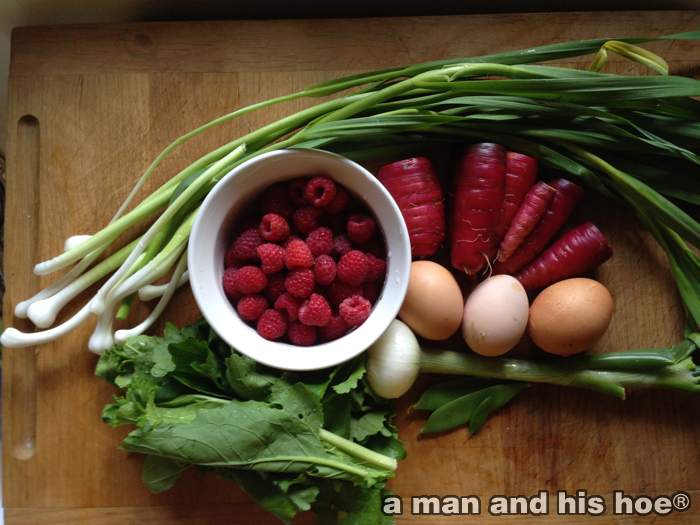
    OutOfTheGarden20140618A
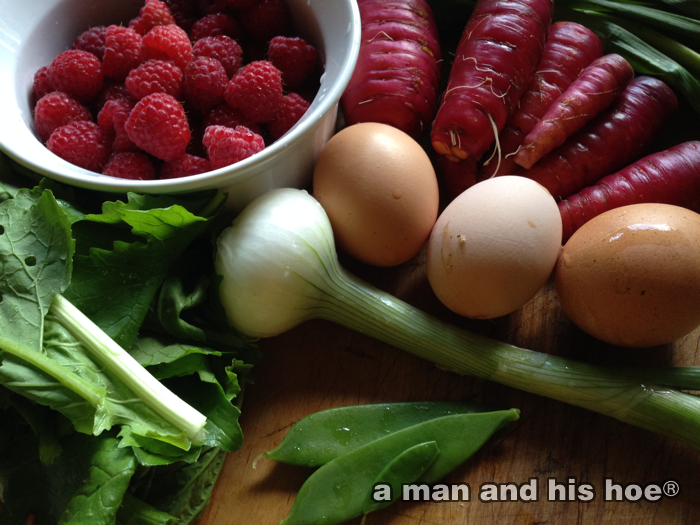
    OutOfTheGarden20140618B
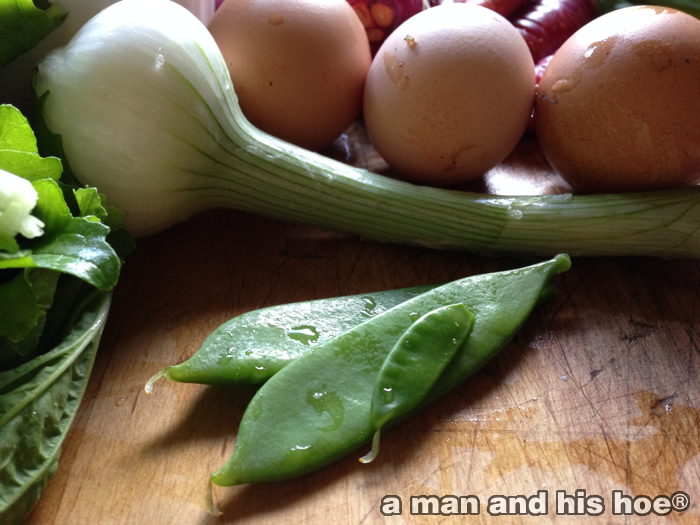
    OutOfTheGarden20140618C

    A more long term solution is to enable everyone to have easy access to real food, fresh out of the garden like I have every day. When you have real food this sumptuous, settling for something that comes out of can or box doesn’t cross your mind. Even picking up produce picked a day or two or a week ago loses it’s appeal. Nothing compares to eating raspberries off the vine or munching on peas that you’ve just picked. Everyone should be able to do this.

    Organizations like Seattle Urban Farm Company and Urban Harvest show that this is possible. You can grow a lot of food in the city. And the more people eat real food, fresh out of the garden, the more they will demand it.

  • In the Woods Today

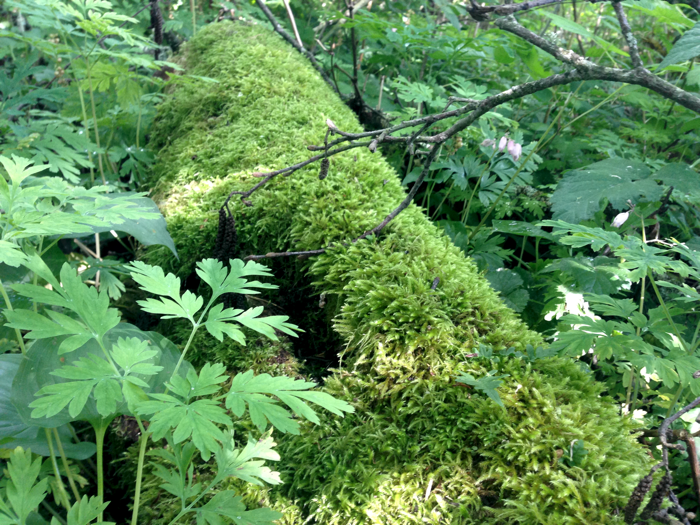
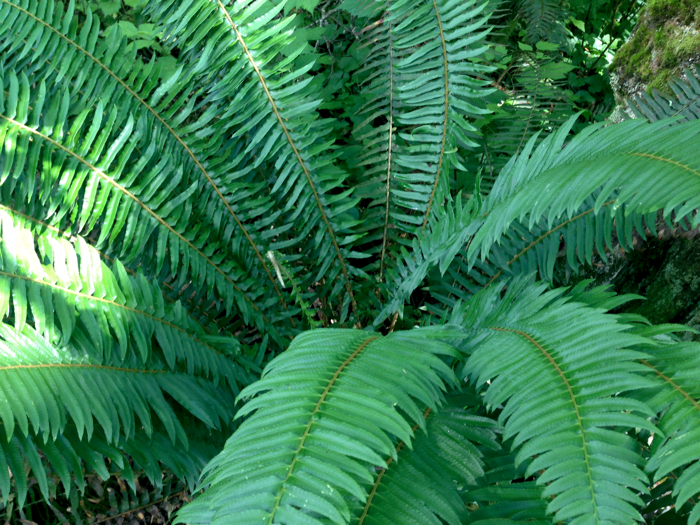
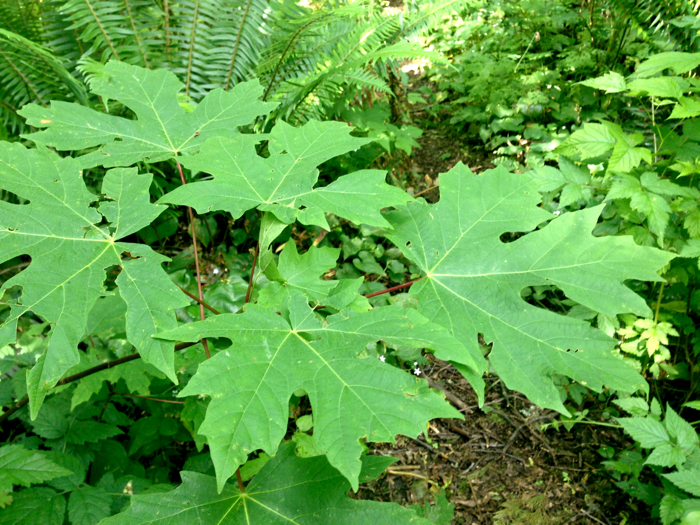
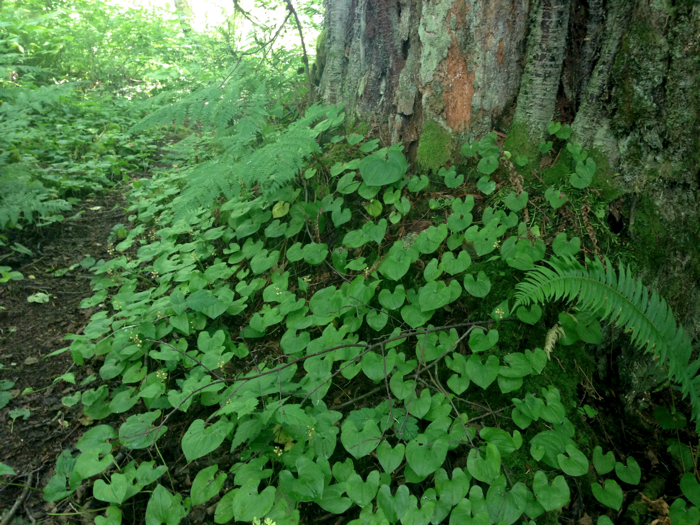
    Recent rains have made the woods cool and damp. The smell of decomposing leaves, twigs, and branches on the forest floor is so fresh. Any day is a good day for a walk through the woods. It takes just a few steps out of the house to be in the woods. It’s easy to take such luxury for granted.

    20140616ForestMoss
    20140616ForestFern

    Many years ago, I lived in a desert country for a time. The mountains and valleys were barren. Not a speck of green to the horizon and beyond. I’d close my eyes and dream of green. I met a local person who saw photographs of lush, green mountains of distant countries, and he told me that he thought the photographs weren’t real. Only knowing desert mountains, he thought that someone had painted the green on the photographs. It wasn’t until he traveled and saw the forested mountains for himself that he realized there are places in the world that are so green.

    20140616GiantMapleLeaves
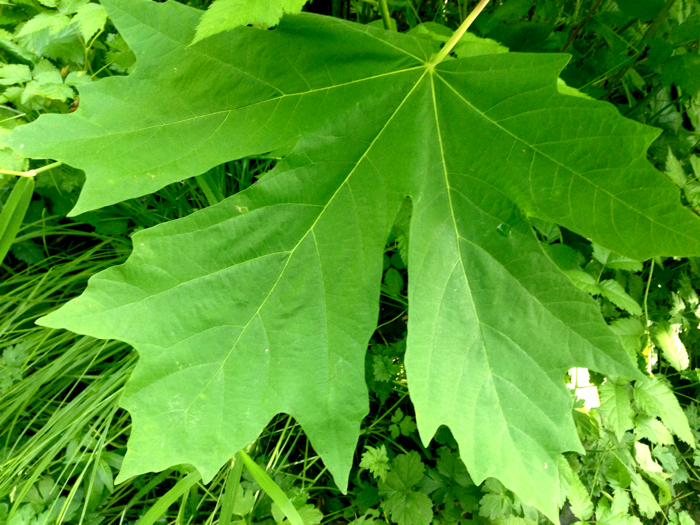
    20140616GiantMapleLeaf
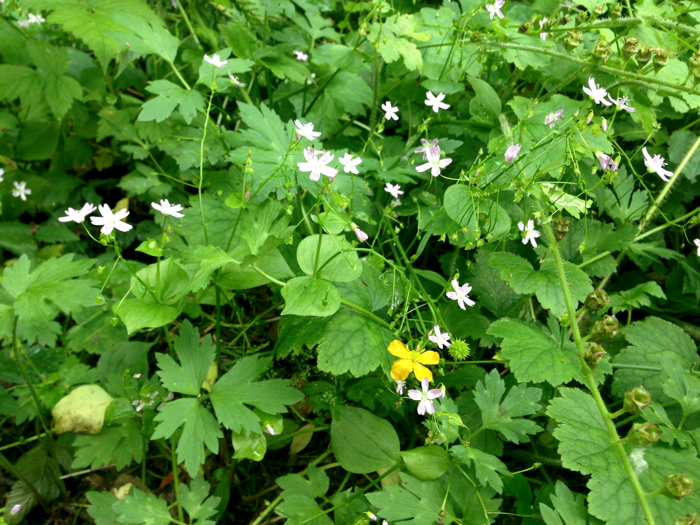
    20140616ForestFlowers
    20140616ForestFloor

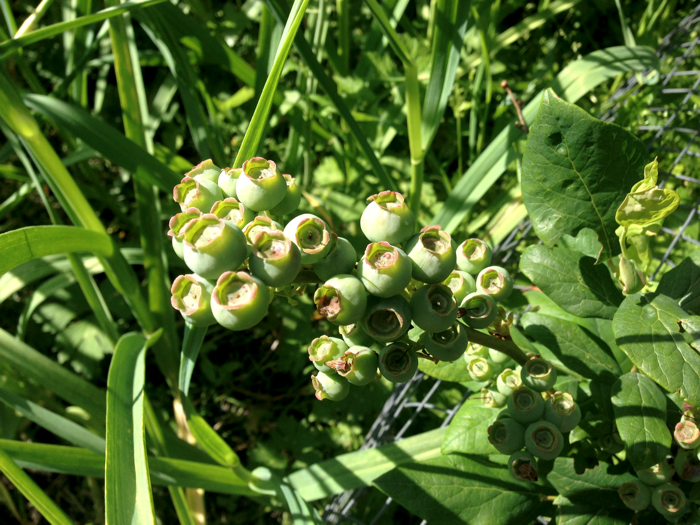
    Stepping out of the woods, I see that the blueberries are forming. This is how blueberries look like before they turn blue. Another month and they will be as blue as the sky.

    20140616GreenBlueberries

  • The Power of Tiny Things

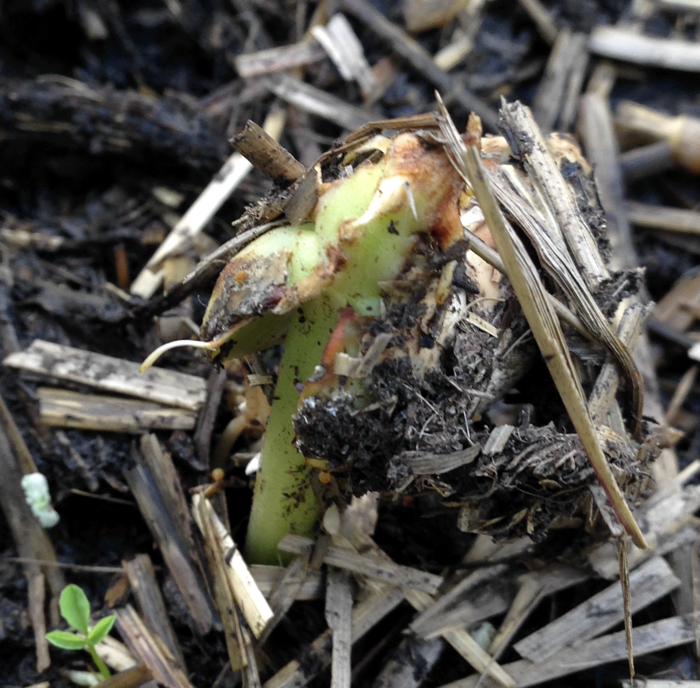
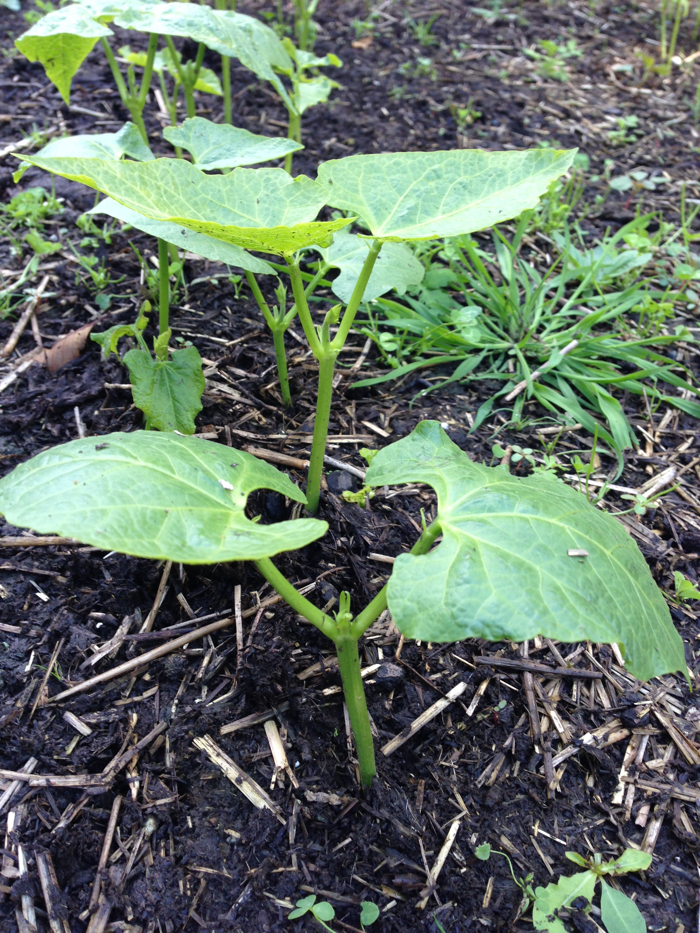
    Life is the story of the power of tiny things. Each of us started as tiny, infinitesimal specs. And yet we are now giants, roaming the earth, millions of times larger than when we first started. It’s the same with beans. Small, beautiful seeds, beans rise out of the earth, pushing aside heavy dirt and brush as they make their ascent toward the sun. They are among the champions of growth and energy, growing taller every day.

    PowerOfTinyThingsA
    PowerOfTinyThingsB
    PowerOfTinyThingsC

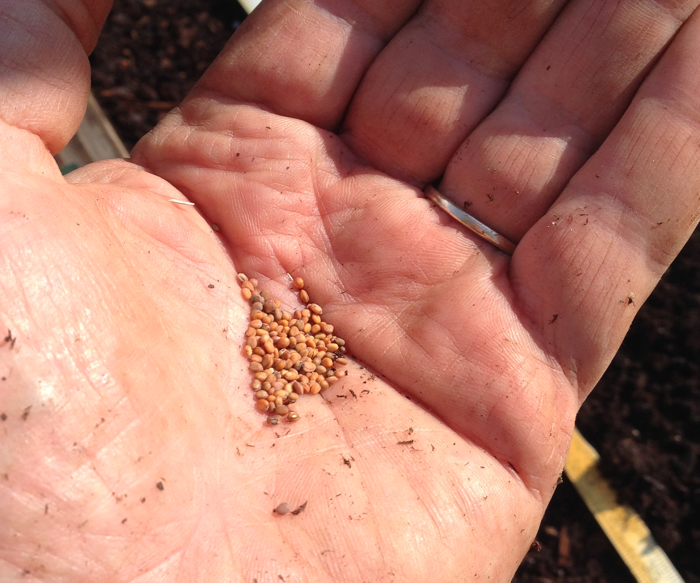
    With these tiny arugula seeds, I hold in my palm the makings of a hundred salads. There is enough energy in each seed to create an entire salad. With these seeds and just five weeks or so, and I can invite a small army of friends over for a small feast.

    Want to be amazed? Grow your own food … even if you just have space for a few pots on a window sill.

  • What Ripening Shallots Look Like

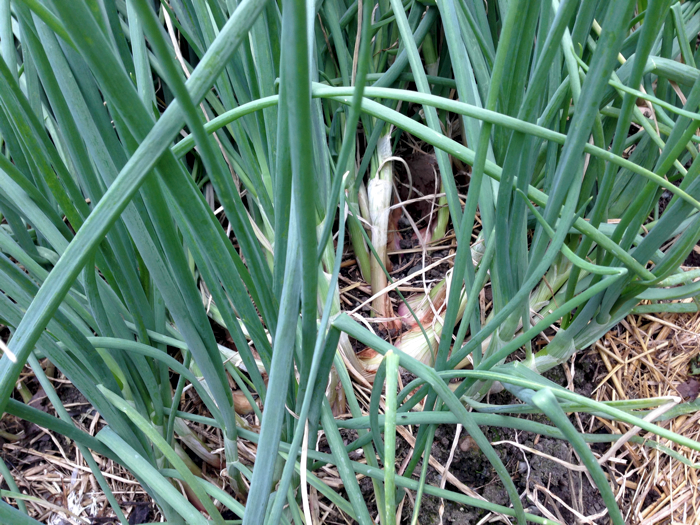
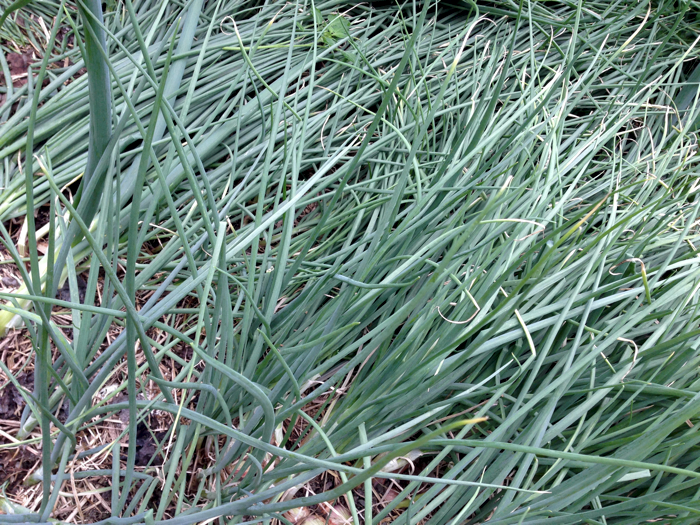
    The shallots are almost done. Their long, slender leaves are starting to lie down.

    Now I lay me down to sleep,
    I pray the Lord my soul to keep,
    If I shall die before I wake,
    I pray the Lord my soul to take.

    Their bulbs are firming, and I’m already picking them to eat. The great thing about growing your own produce is that you can eat it at all stages of life. Shallots are such amazing plants. Put one bulb in the garden, and three to six months later gather five or six. You can’t do that with your money in a bank. Not only that, along the way, they fill your garden with great beauty. Periodically, you can snip their leaves to use in salads or sauces. Even when they fall down and dry out as they ripen, they retain their beauty.

    Nature is not stingy. It will take one bulb or one seed and in a short time reward you with tens, hundreds, thousands or more.

    ShallotsRipening1
    ShallotsRipening2

  • Nature’s Thought of It Already and Gives It Freely

    NaturesPoles

    The tomatoes in the hoop house are tall enough to need supports. I could have gone down to a store and purchased some supports, but nature’s thought of it already, and isn’t charging me a penny. The bamboo are sending up tall shoots and so are the alders. Both of them make excellent tomato supports. Cut them to the length you need, and leave some of the side branches on. These side branches which stick upward, make excellent hooks to support the tomato leaves.

    At the end of the season, the supports can be added to the compost or cut up for kindling. Next year, nature will supply a fresh supply of supports so there is no need to try and save them through the winter.

    The wonderful thing about nature is that it is prolific. Thank god, it doesn’t have the mindset of the corporations which rule us, otherwise it would be demanding payment every time we take in a breath of air. Before it rained, it would want some coin before it let the raindrops fall. We’d have to pay it for every bee visit. Nature’s way is to give and give and give. Imagine how much we’d have to pay if the likes of AT&T or Comcast owned the sun, or Monsato owned the wind.

    NaturesPoles2