Author: theMan

  • Swift Forktails

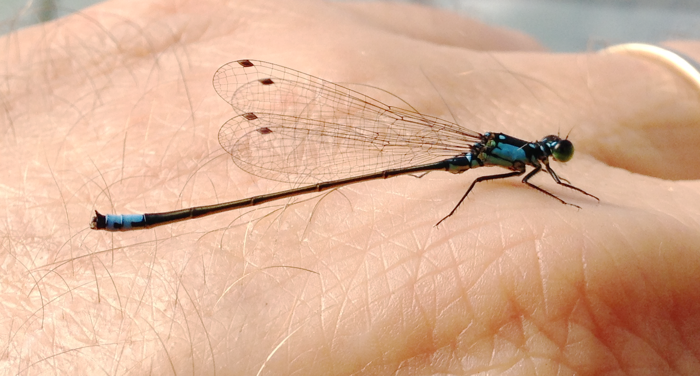
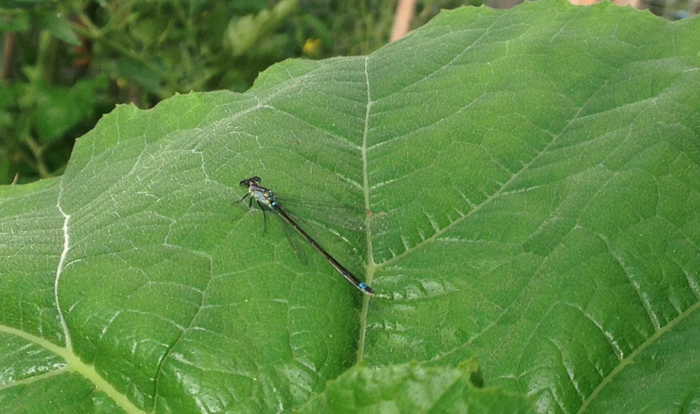
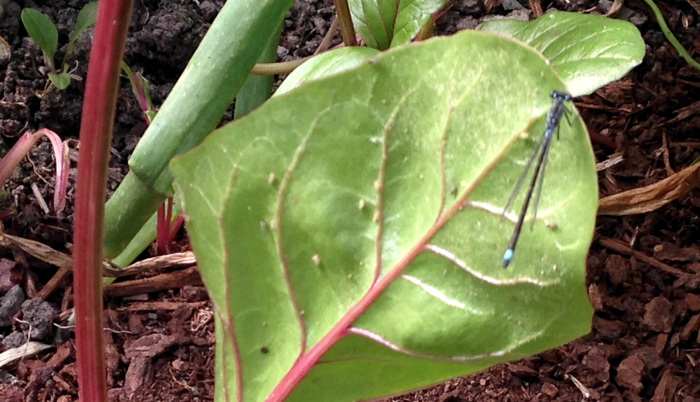
    One of the hoop houses has a healthy population of Swift Forktails, a type of damselfly. Swift Forktails are black with dabs of turquoise on the tips of their tails and their sides. They float through the air looking like flying gems.

    BlueDragonFlyA
    BlueDragonFlyB
    BlueDragonFlyC

    Related to dragonflies, damselflies eat many harmful insects and keep their numbers under control. And unlike pesticides, they don’t leave behind any chemicals that can harm you. You don’t have to worry about inhaling any harmful dust. You don’t have to worry about reapplying poisons. The damselflies will keep working all summer long and into the fall.

  • Summer Blooms

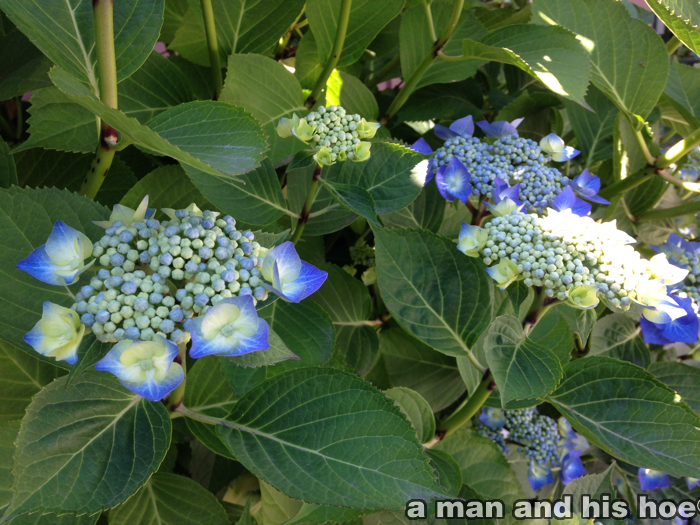
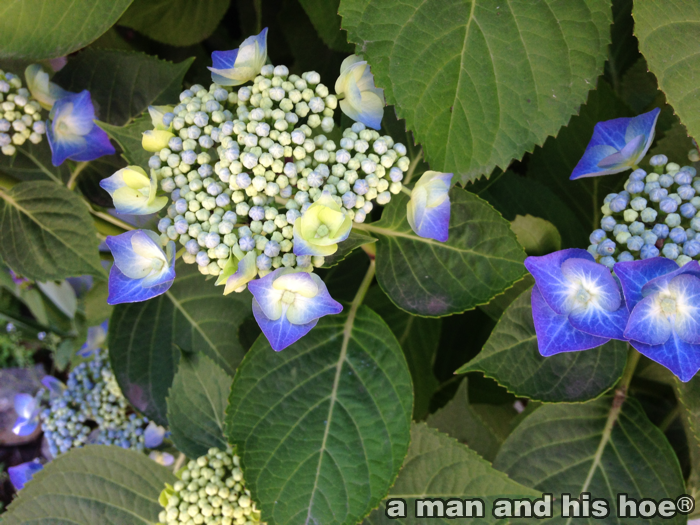
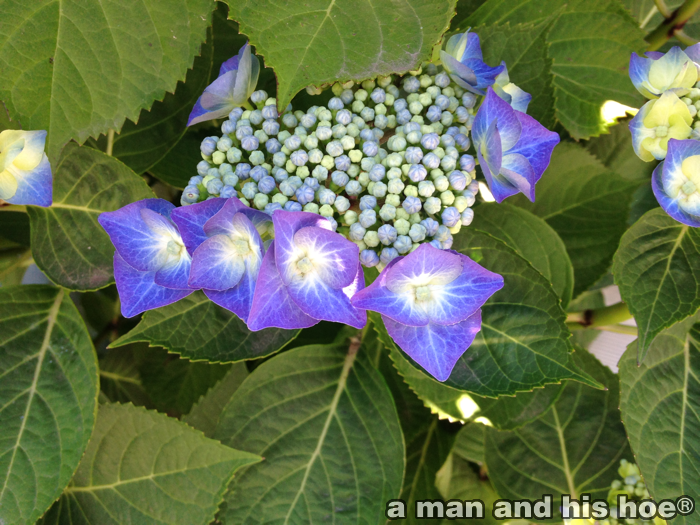
    I enjoy these hydrangea. Instead of blooming all at once, they open slowly, a few flowers at a time, which means they stay in bloom a long time.

    140707HydrangeaA
    140707HydrangeaB
    140707HydrangeaC

  • A Mother’s Love

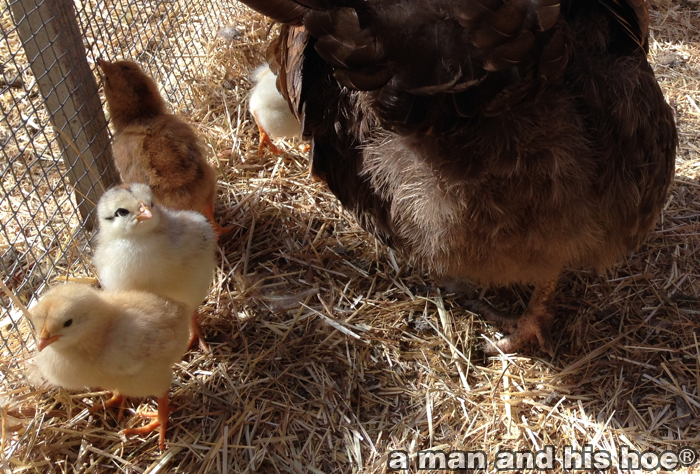
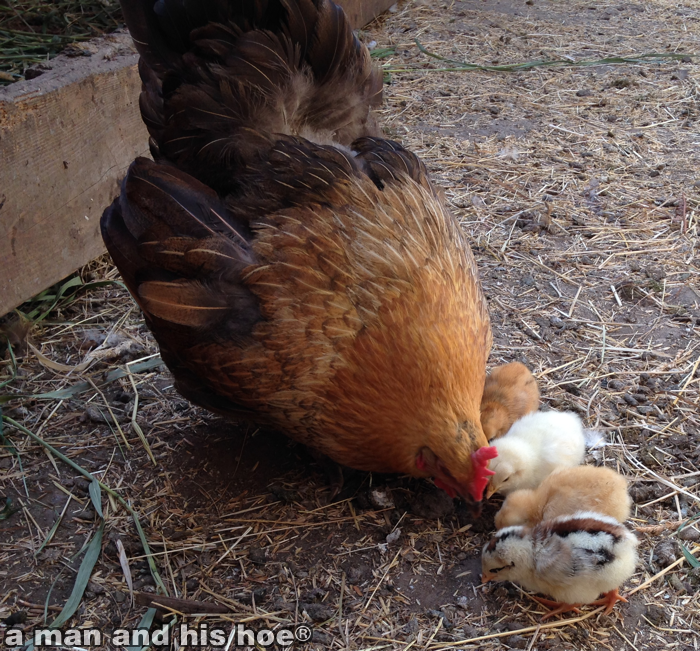
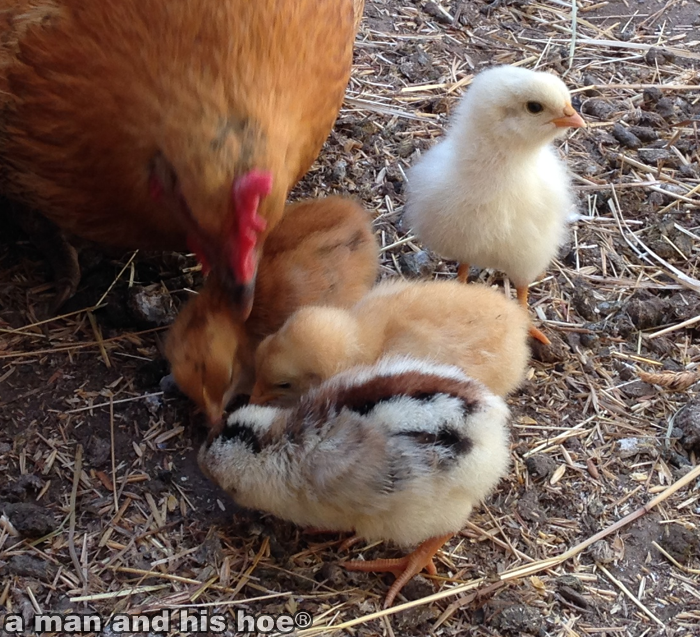
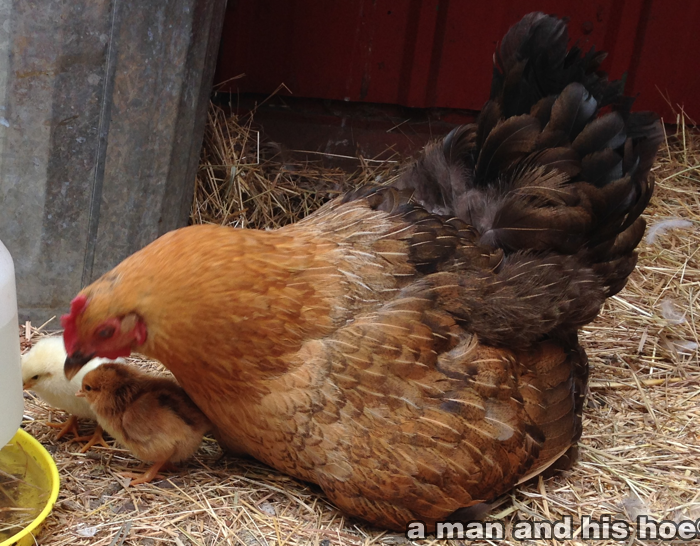
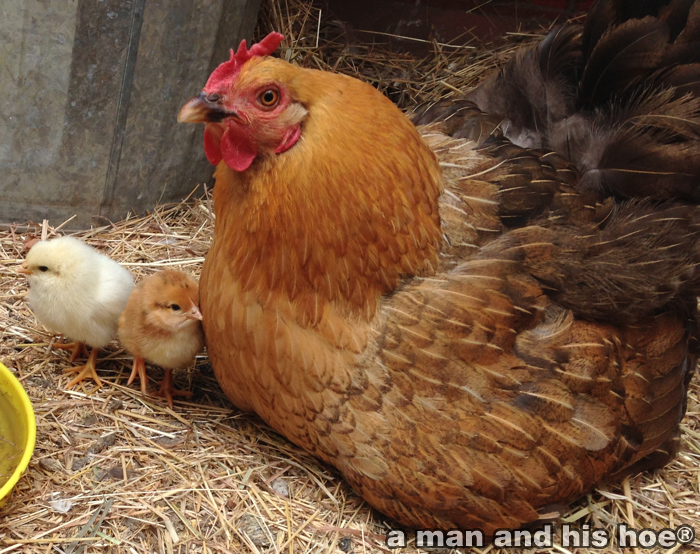
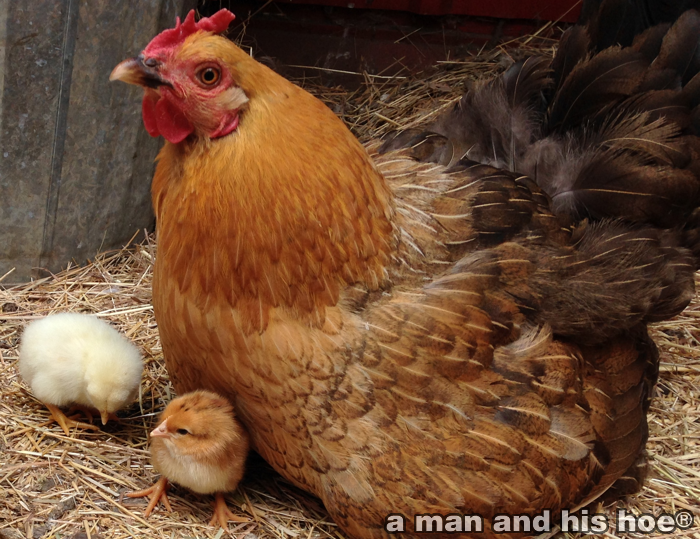
    These chicks, hatched yesterday, are getting a lesson about drinking from their attentive mother. Little chicks are very curious. They look at everything with wide eyes, but they stay close to their mother.

    140707MotherAndChicksA
    140707MotherAndChicks
    140707MotherAndChicksB

  • New Life

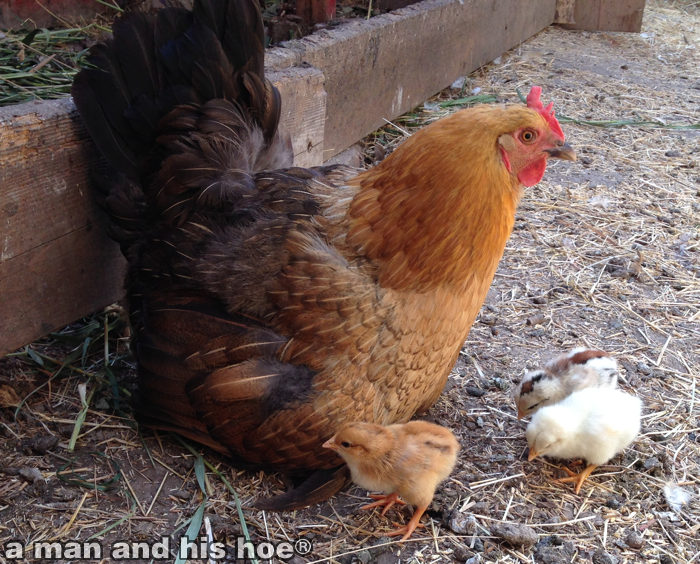
    The web is littered with videos showing the horrendous treatment many chickens receive on industrial farms. Here are some pictures of mother hens and their chicks which hatched earlier today. Rest assured, there are a few places where chicks are still hatched by their mothers and grow up knowing the loving care of those mothers.

    NewMothers140706A
    NewMothers140706B
    NewMothers140706C
    NewMothers140706D
    NewMothers140706E
    NewMothers140706F
    NewMothers140706G

  • Beauty of Vegetables

    BeautyOfVegetables-RhubarbA
    BeautyOfVegetables-RhubarbB

    Heading out to take some pictures of carrot flowers, I pause for a moment at one of the rhubarb plants. I find a calm forest underneath their expansive leaves.

    BeautyOfVegetables-RaspberryInSquashLeaf

    Next to the blooming carrots, a raspberry has fallen into the crevice of a squash leaf.

    BeautyOfVegetables-CarrotFlowerC
    BeautyOfVegetables-CarrotFlowerD

    Carrot flowers are spectacular, lacy creations. It would take a human with very nimble fingers hours and hours of delicate work to recreate a flowerhead like this. But carrots seem to do it effortlessly. They send up tall flower stalks and over a period of time these exquisite flowerheads simply unfold. They start out simple and get more and more complicated until they are in full bloom.

    The next time you bite into a carrot, take delight in knowing that the seed for that carrot came from a beautiful flower.

    BeautyOfVegetables-CarrotFlower
    BeautyOfVegetables-CarrotFlowerB
    BeautyOfVegetables-SoldierBeetle

    A red soldier beetle feeds on the nectar and pollen of the carrot flowers. Like many beneficial insects, even though this soldier beetle also eats aphids and other insects, it also needs the nectar and pollen of flowers. Which is why it is so important to have plenty of flowers. Instead of using poisons to manage pests, turn to flowers instead, and use the flowers to attract the insects which will manage the pests for you. The bees, the wasps, the other insects, the plants, the field mice, the earthworms and other organisms in the soil will all thank you for keeping your bit of earth free of pesticides.