Author: theMan

  • Bees Need Undisturbed Landscapes

    Few things have impacted the lives of bees, butterflies, and other wildlife more than modern agriculture. In the European Union, more than €41 billion has been spent since 1994 to improve the landscape for wildlife. But there have been few studies to see if this effort has been helpful.

    Margaret J. Couvillon, Roger Schürch, and Francis L.W. Ratnieks of the Laboratory of Apiculture and Social Insects, School of Life Sciences, University of Sussex, decided to study bees to see which landscapes they preferred for foraging.

    According to Professor Francis Ratnieks:

    Historically the British countryside has been good for wildlife including having many flowers to provide pollen and nectar for bees. But particularly since World World II the countryside is no longer as wildlife friendly as it used to be.

    Bees are the one animal which can tell you where they have been eating. They do this through the waggle dance bees perform when they return to their hive. Through the waggle dance, the bees tell other bees where and how far away they found good foraging. Only bees who’ve had a profitable forage do the waggle dance.

    Over two complete foraging years, the researches decoded 5,484 waggle dances of bees from hives on campus. The hives were less than a mile from Brighton, and so the bees had access to urban landscapes, farmland, and nature preserves. By studying the bees, the researches were able to survey nearly 100 square kilometers of land to see which areas the bees were foraging. Surveying that large an area would have been an herculean task involving many people, but by letting the bees tell them where they had gone, the researchers were able to do a thorough study.
    BeeMapChart

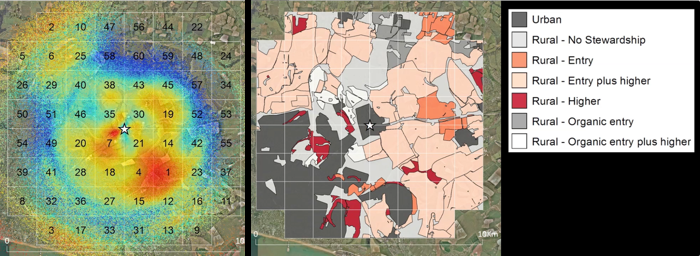
    They then plotted all the places the bees were foraging. They divided the area into 60 sections and plotted the foraging locations of the bees. The favorite foraging spot for the bees turned out to be the Castle Hill Nature Reserve.

    Next, the researches divided the landscape into seven broad categories of land types. They found that rural lands and those with a higher level of protection were where the bees foraged the most.

    Even though they only studied one insect, the bee, since many other insects forage where bees forage, they were able to see where many insects like to forage.

    As Dr. Margaret J. Couvillon says:

    The honeybees possess great potential for monitoring the landscape for flowers. One reason is because they forage at long distances, so in our study, the bees from a single location could survey and area of 100 kilometers square. … Here we have shown that listening to the bees may give us information that is relevant in helping them, such as knowing where they have gone to get their food. This makes the waggle dance more than just a honeybee behavior, it’s a powerful tool for ecology and conservation that may give us unique guidance to help let us sustain a more wildlife friendly world.

    Here is a video abstract of the study:


    And you’ll find abstracts of the study at these links:
  • Beauty Surrounds Us

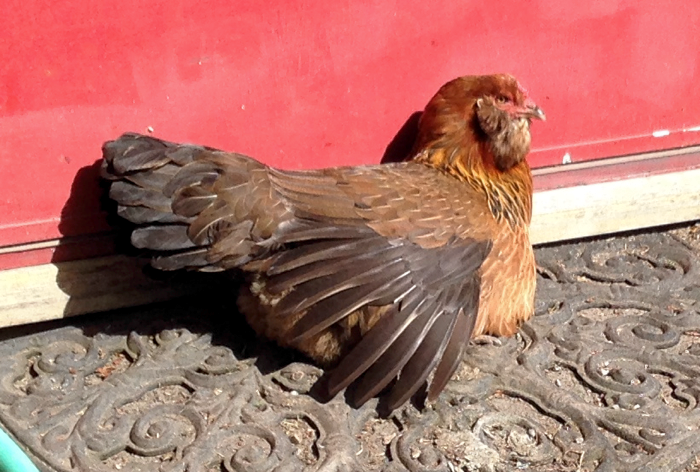
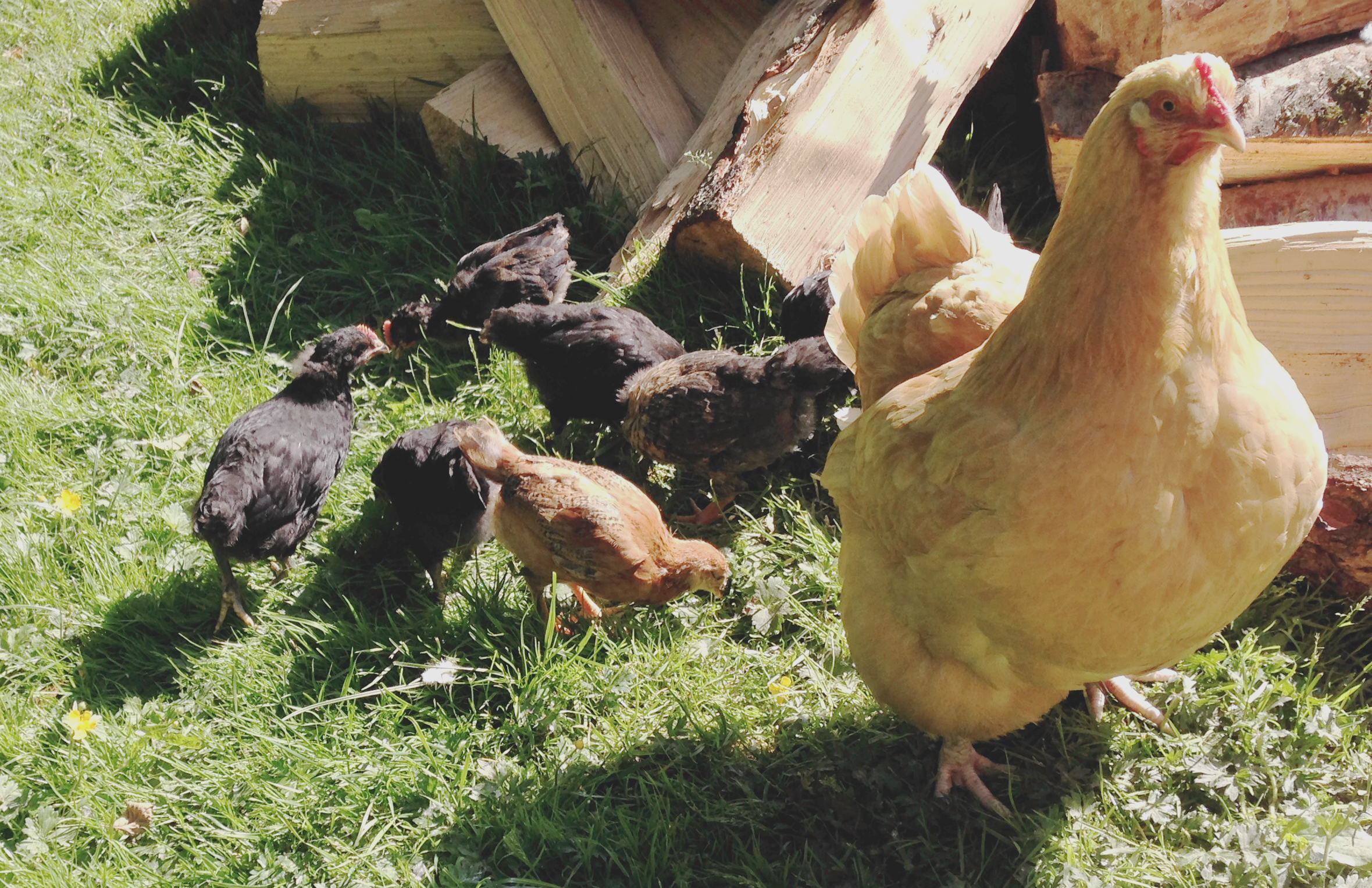
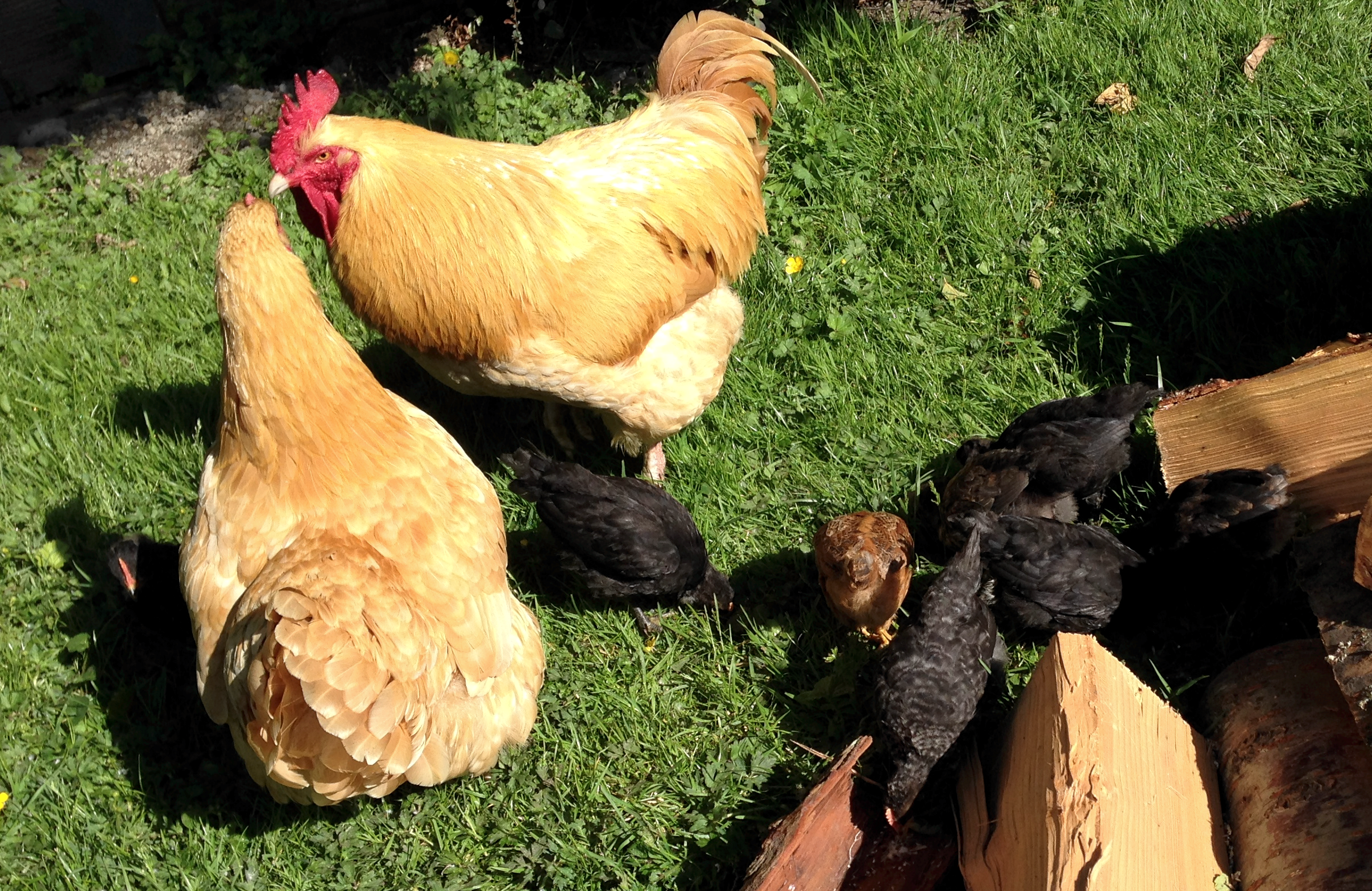
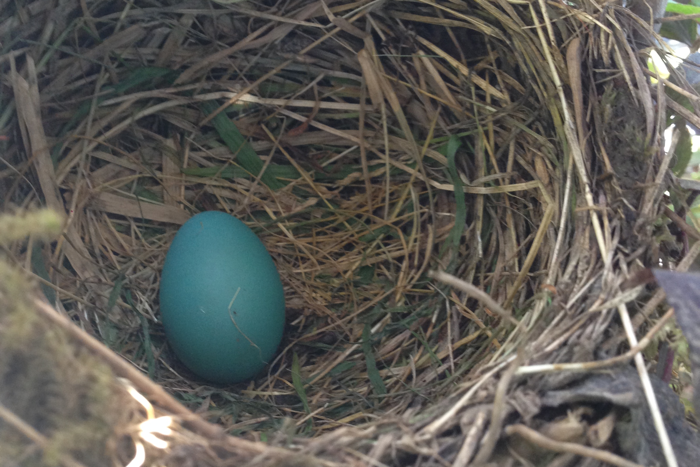
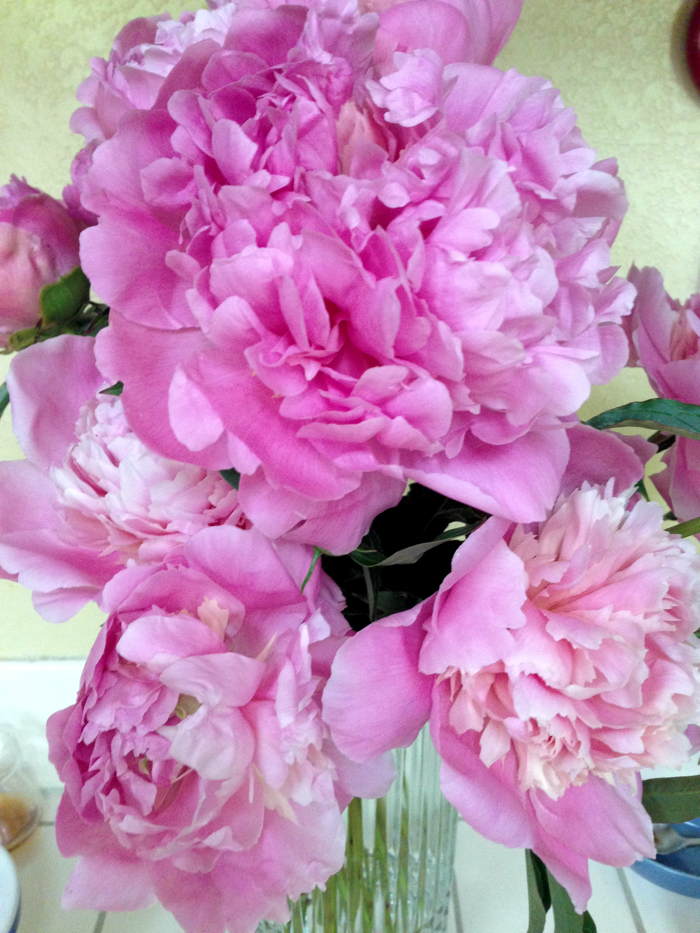
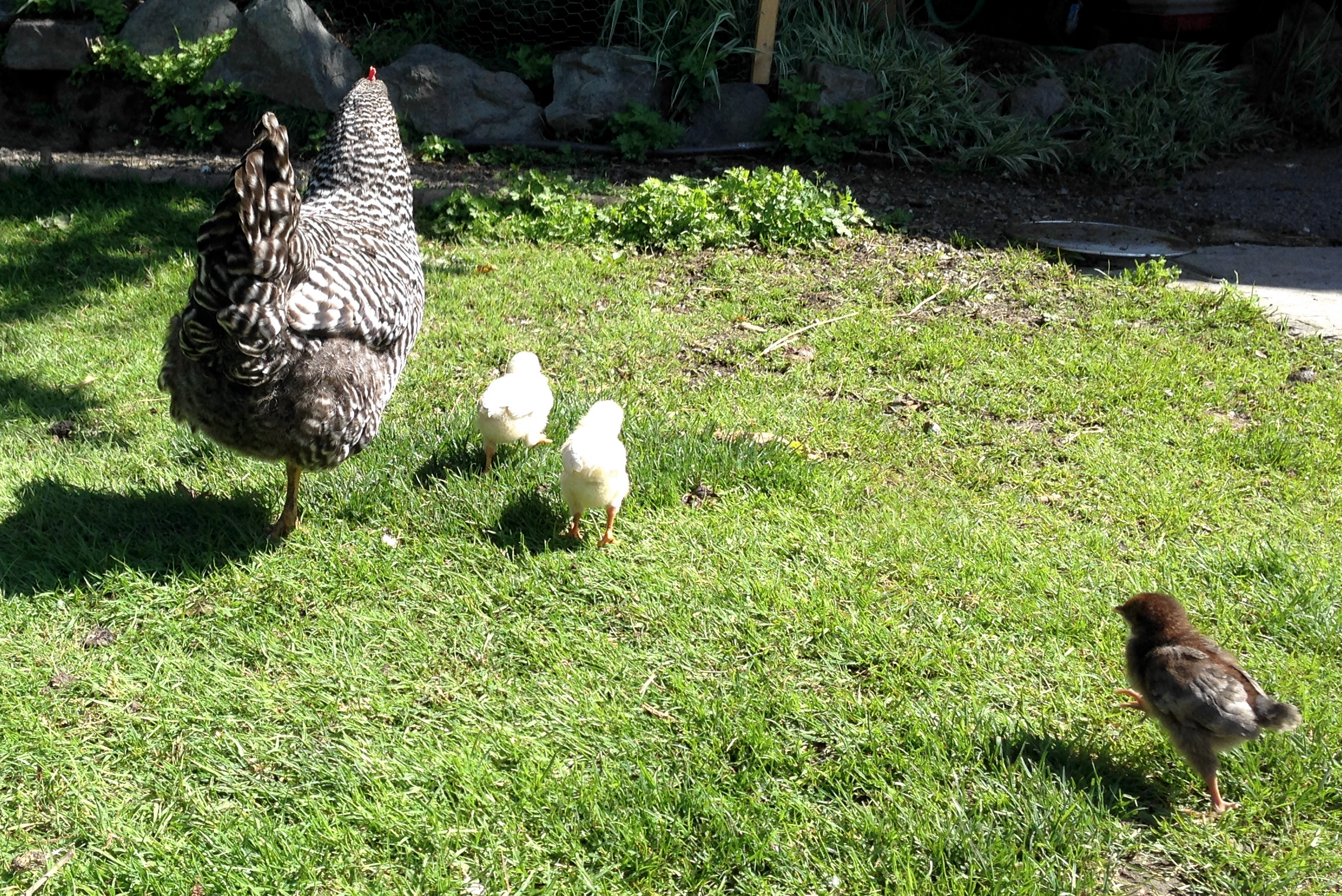
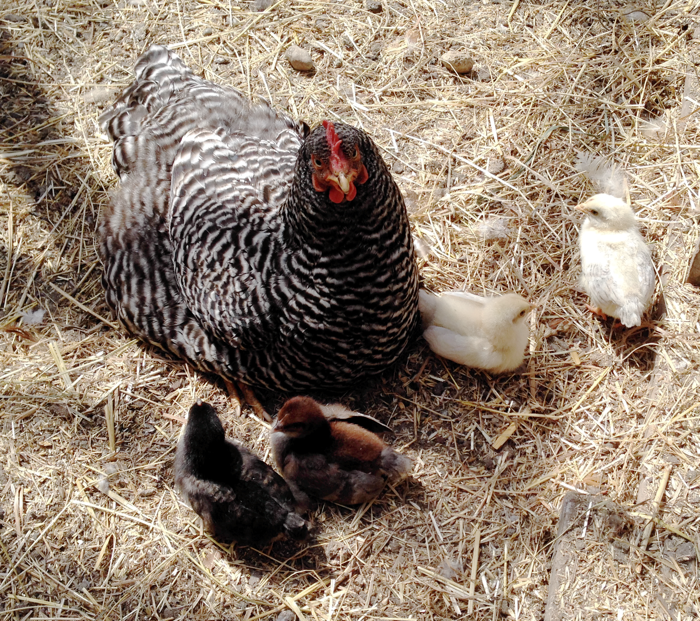
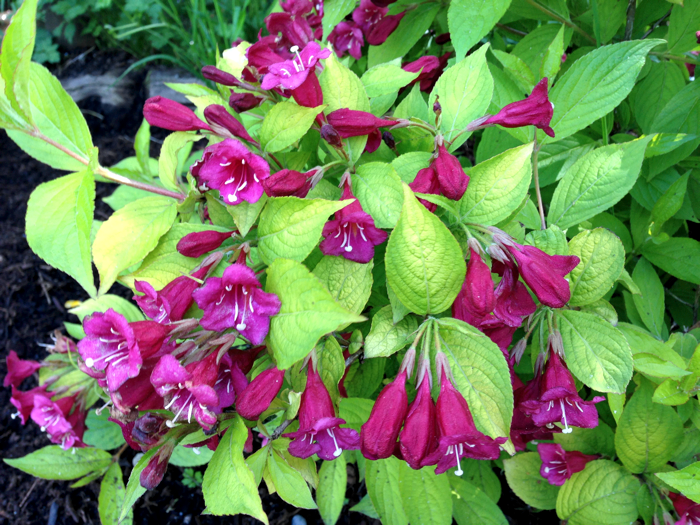
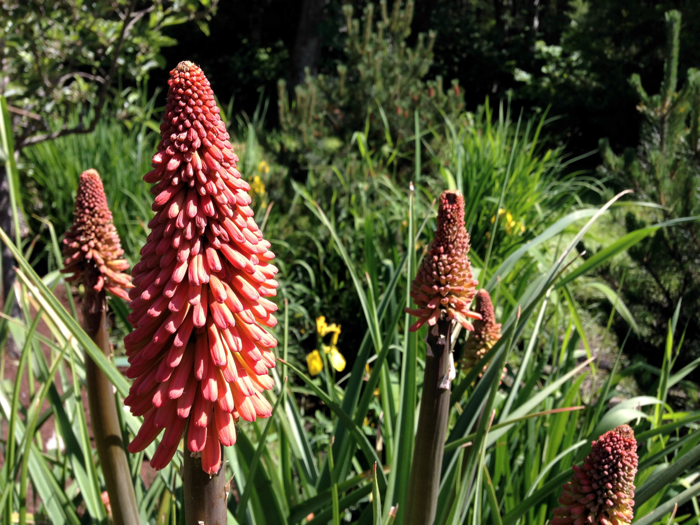
    Beauty surrounds us throughout the day. Today I found a robin’s egg in a nest, was handed a bouquet of peonies from the kind driver delivering planting soil, enjoyed watching a hen with her chicks as she rested with her chicks after exploring outdoors all morning, and took in the colors of plants in bloom. And these were just a few of the many beautiful things I saw today. Even now as I edit this page, I have a lovely cat resting on my arm.

    Think of all the beauty still left around you and be happy ~ Anne Frank
    Everything has beauty, but not everyone sees it. ~ Confucious
    Beauty is not caused. It is. ~ Emily Dickinson
    Everything changes, but beauty remains. ~ Kelly Clarkson
    Many eyes go through the meadow, but few see the flowers in it ~ Ralph Waldo Emerson

    RobinsEgg
    PeonyBouquet
    HenWithChicksOutExploring
    HenWithChicksResting
    FloweringBush
    RedFloweringBush
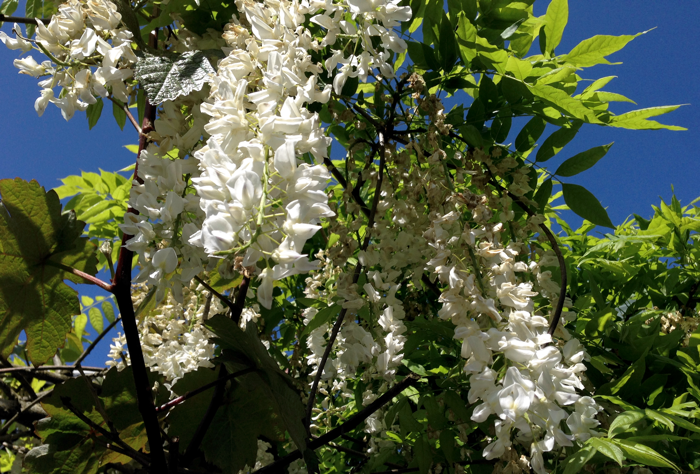
    WysteriaInFullBloom

  • Mother for a Month

    MotherWithChicks140429

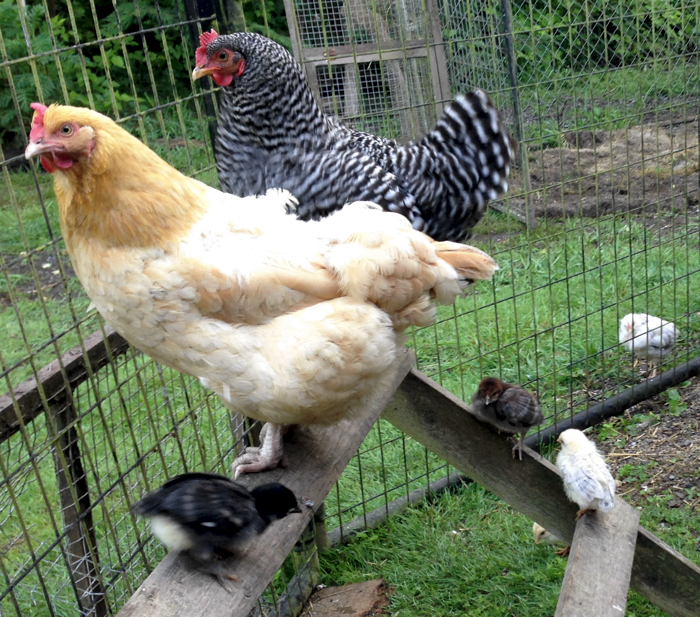
    A month ago she was looking out for eight tiny chicks. Now the eight chicks are a month old and getting more independent by the day. By now, they are too big to all fit under her when they sleep at night, but they still snuggle around her when they go to bed at night. She takes them out to forage before the sun is up, though I’m not sure if it’s her idea to get them up so early, or if it’s the chicks who wake her up.

    MotherWithChicks140529A
    MotherWithChicks140529B

  • What a Happy Chicken Looks Like

    Hmm, so what does a happy chicken look like? What does a happy chicken do?

    LuckyInPasture140528

    One thing chickens love doing is being outdoors. They love to meander through thick brush. And they’re not afraid to do it on their own. Chickens are communal birds in that they like to roost together, share a dirt bath, and gossip. At the same time, they need time to themselves. Watching these chickens behave, it makes me wonder how frustrated chickens must be which live in crowded conditions.

    ChickALongWayOff

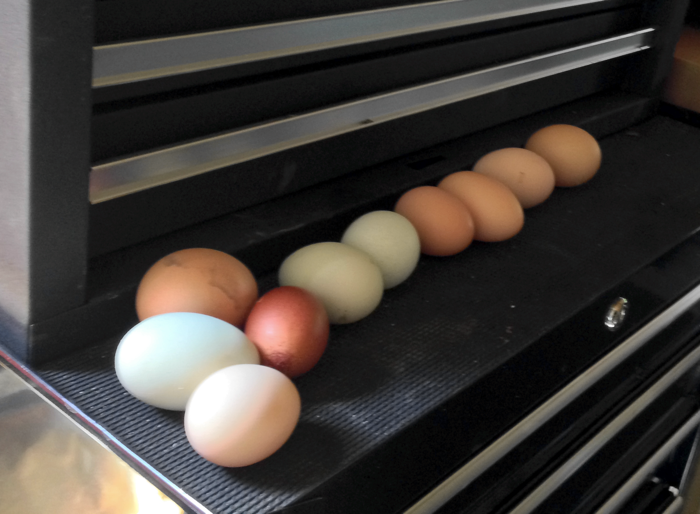
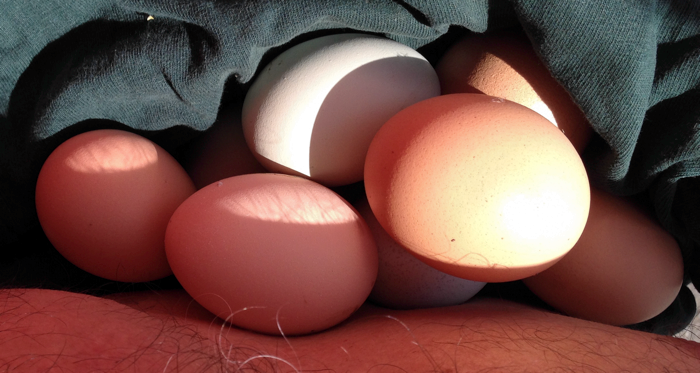
    Even when they are still very small, chicks will venture a long ways from their mothers and siblings. At times it can be a lot of work for the mother hen to keep track of her brood. This freedom is what chickens crave. They need all this room to roam in order to lay exquisite eggs like these.

    EggsFromHappyChickens

  • The Beauty of Food Growing

    RubyStreaks140527A

    Whether it be sprouting mustard greens, developing cherries, or stately garlic stalks, food that is beautiful. When you are lucky enough to see the whole process, from tiny seed or bulb to fully developed plant, cut and on your cutting board, the flavor of the plant is enhanced.

    As you eat it, you see all the many forms it took and the weeks or months or even years it took before it was ready to be eaten. You miss all that when everything you eat is purchased at a store. Even growing a few things, if you can, is worth the effort. Even if you fail, you’ll learn to appreciate that it’s not always an easy process producing fresh food.

    And if you’re lucky, you’ll get to see the many beautiful forms your produce goes through as it grows.

    Cherries140527A
    GarlicStalks140527A