Author: theMan

  • Snow in the Mountains, Swans on the Fields

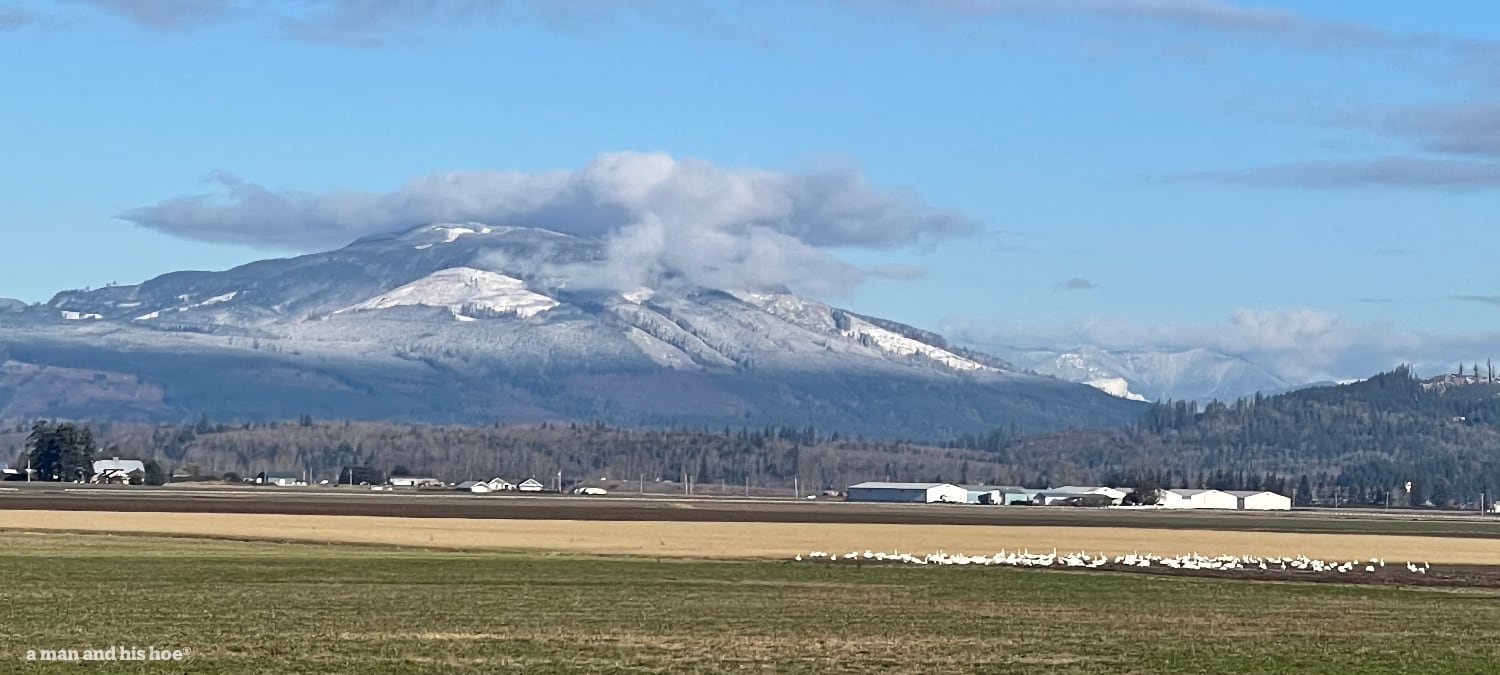
    Snowy mountains, swans on the fields

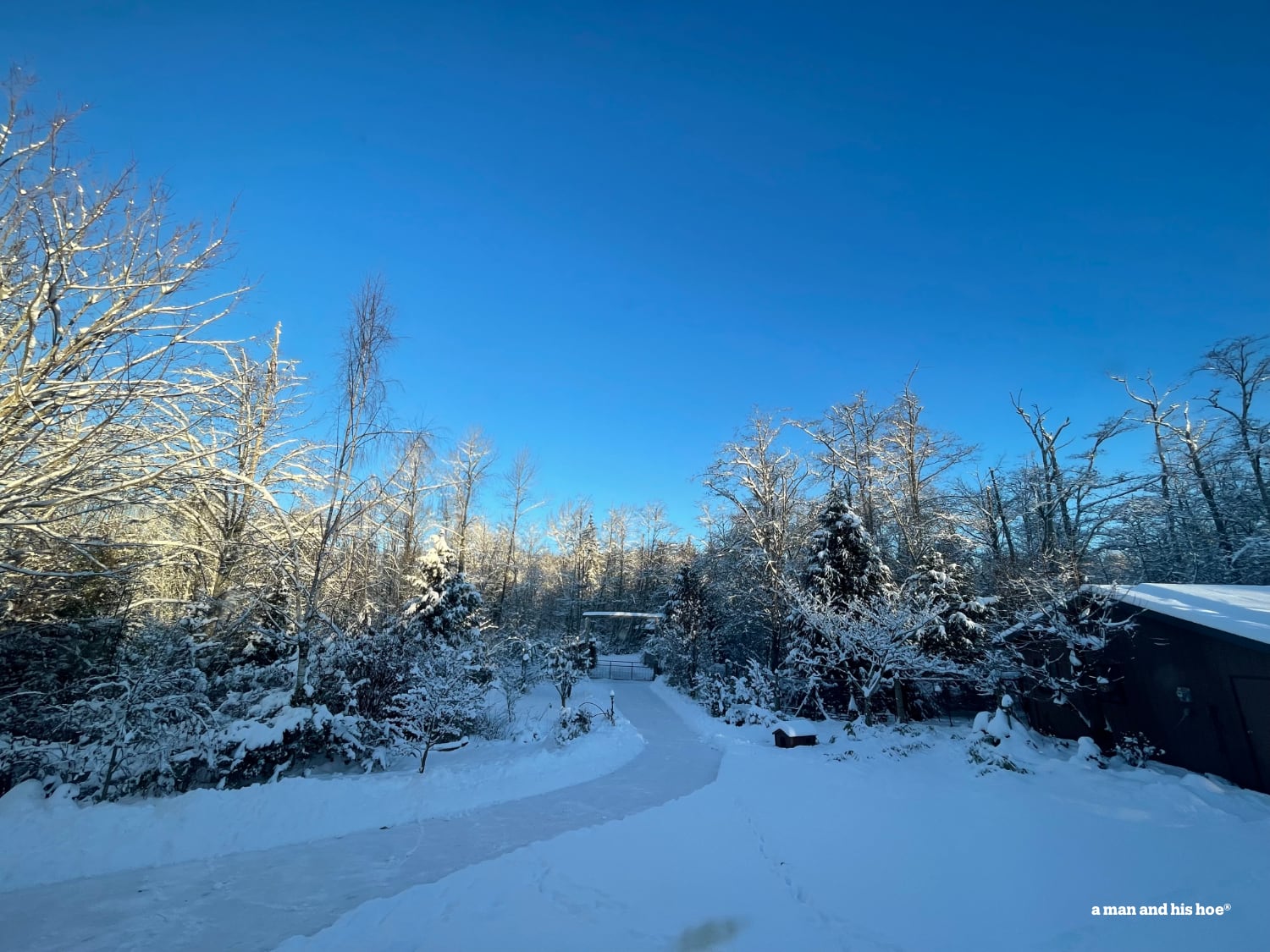
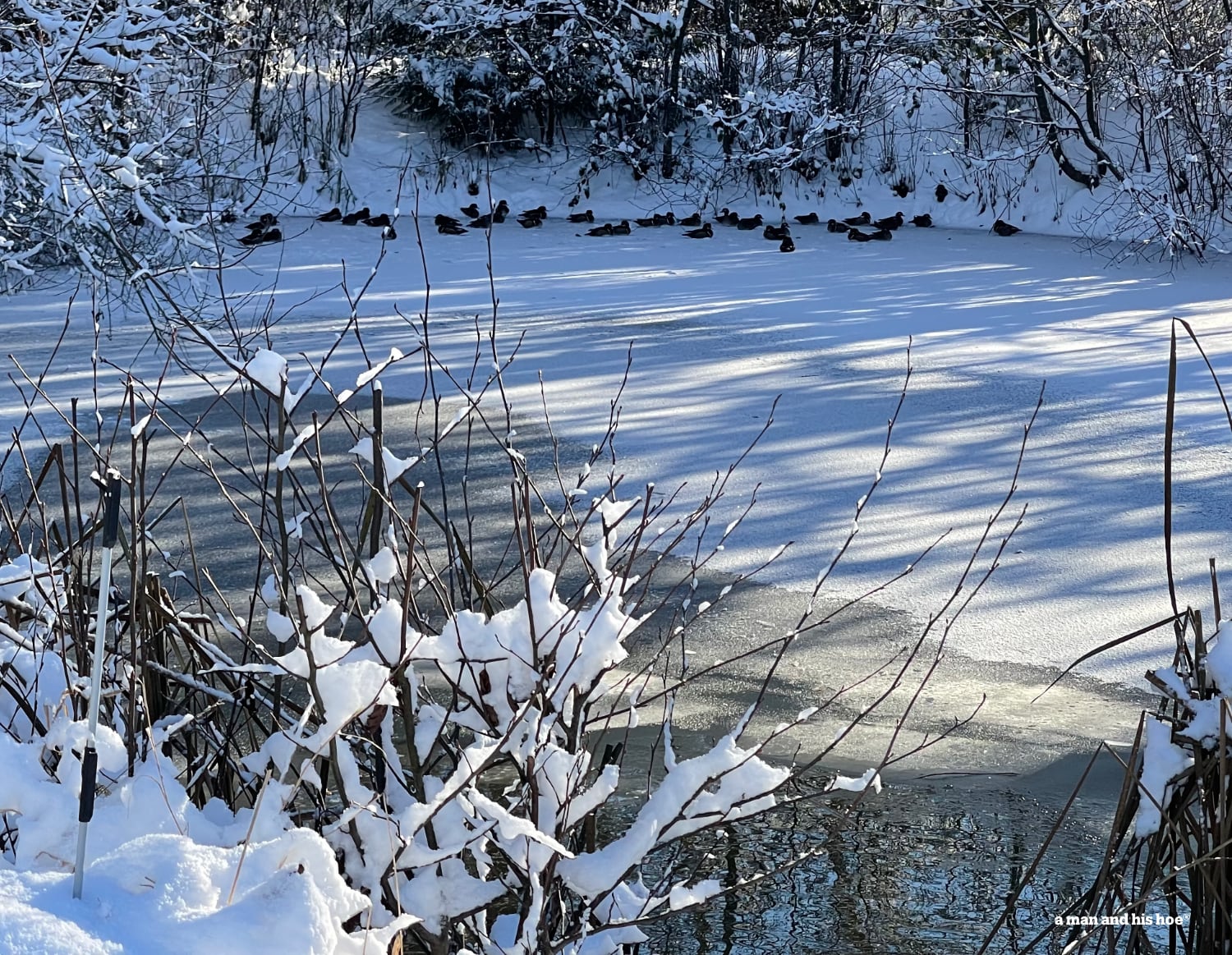
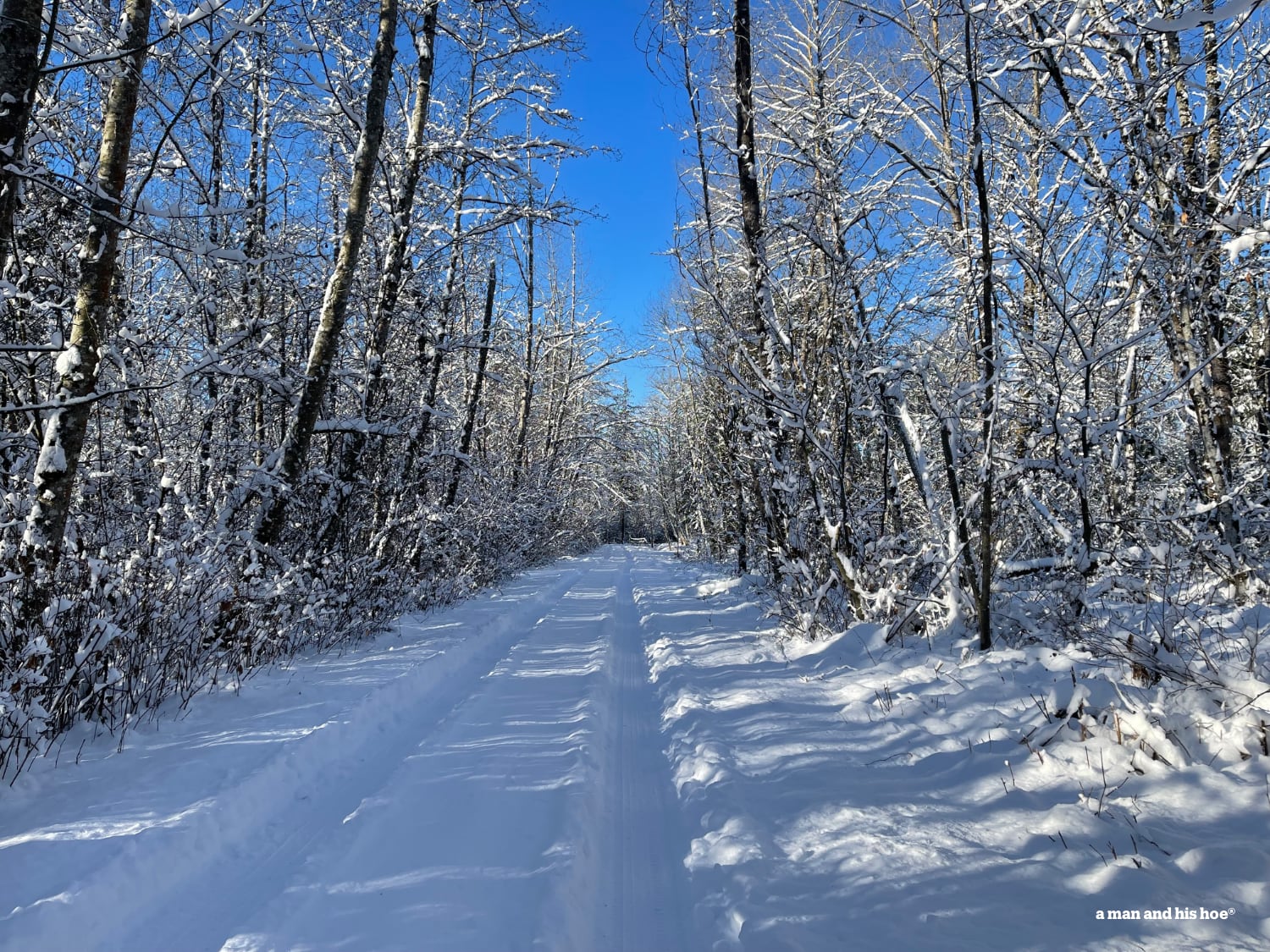
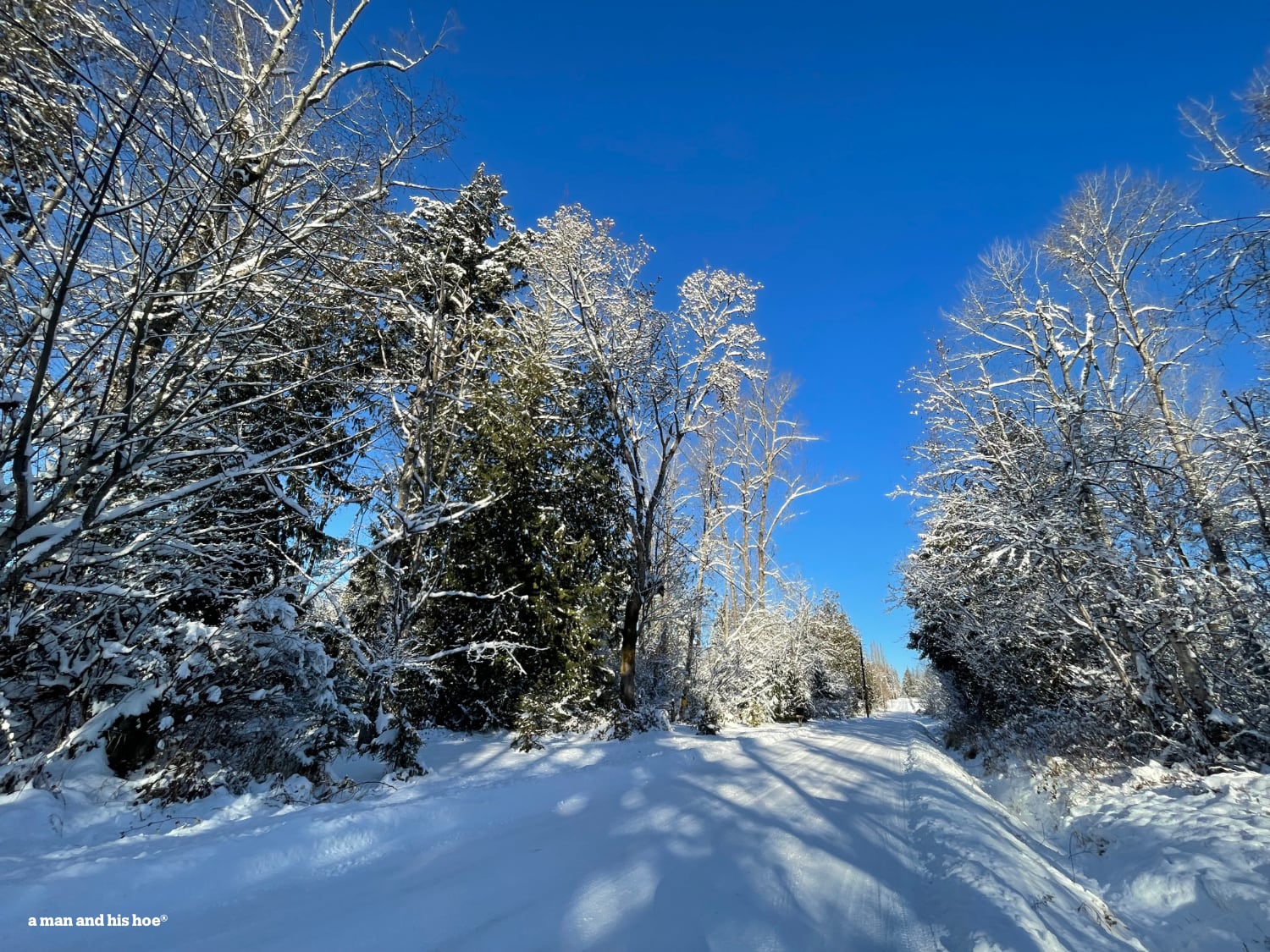
    It’s the darkest time of the year. Snow in the mountains and swans on the fields relieve some of the darkness. November started out very wet, but turned out being quite dry with plenty of sunshine. December is more of the same. Our current clouds and rains are forecast by Sunday to become days of sunshine with cold nights.

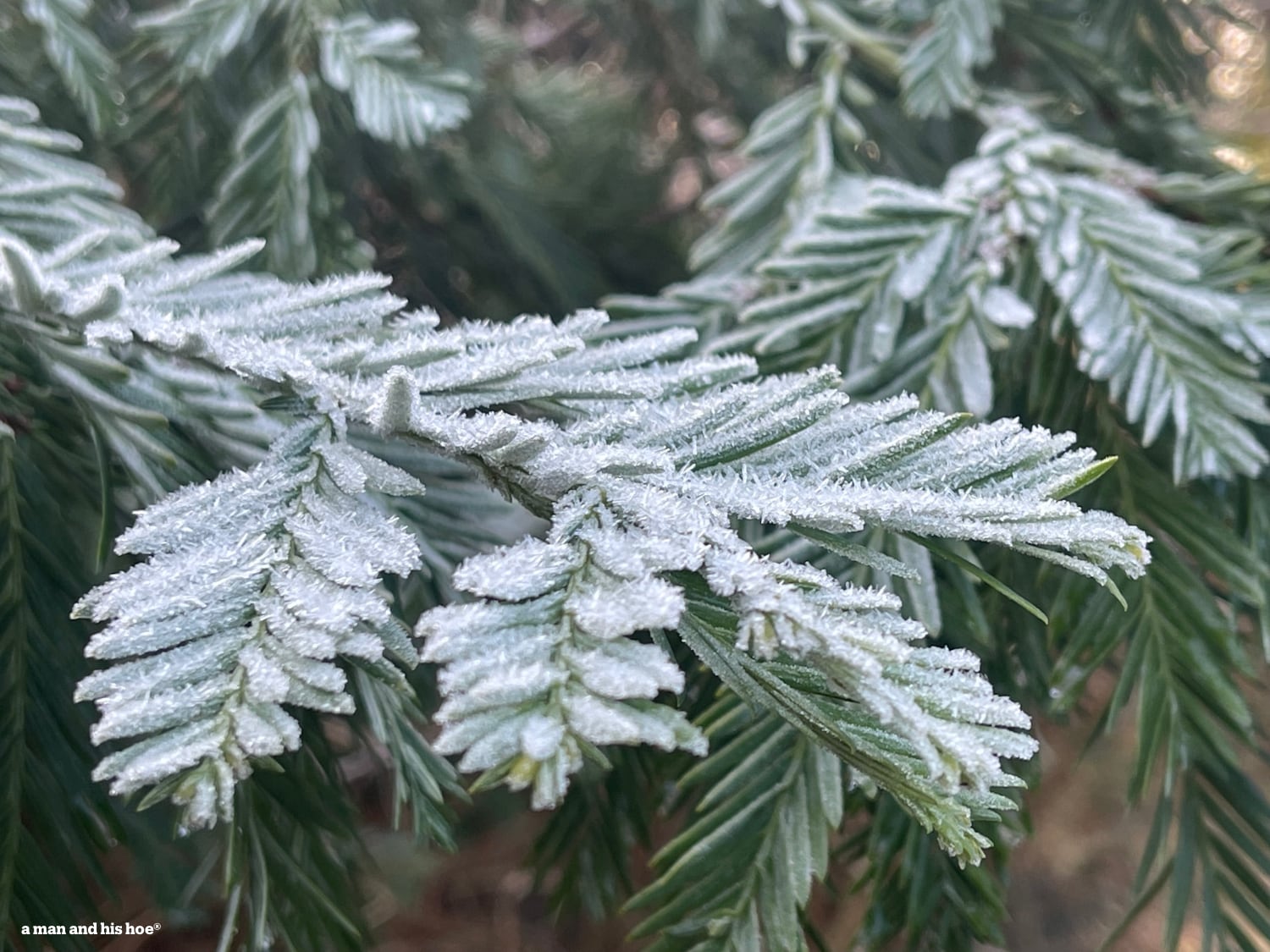
    Frost on redwood branches.

    We did have a cold spell with heavy frosts, a light snow, and sheets of ice on the ground. But that is past and cool, wet, dreary days of gray skies burden the soul.

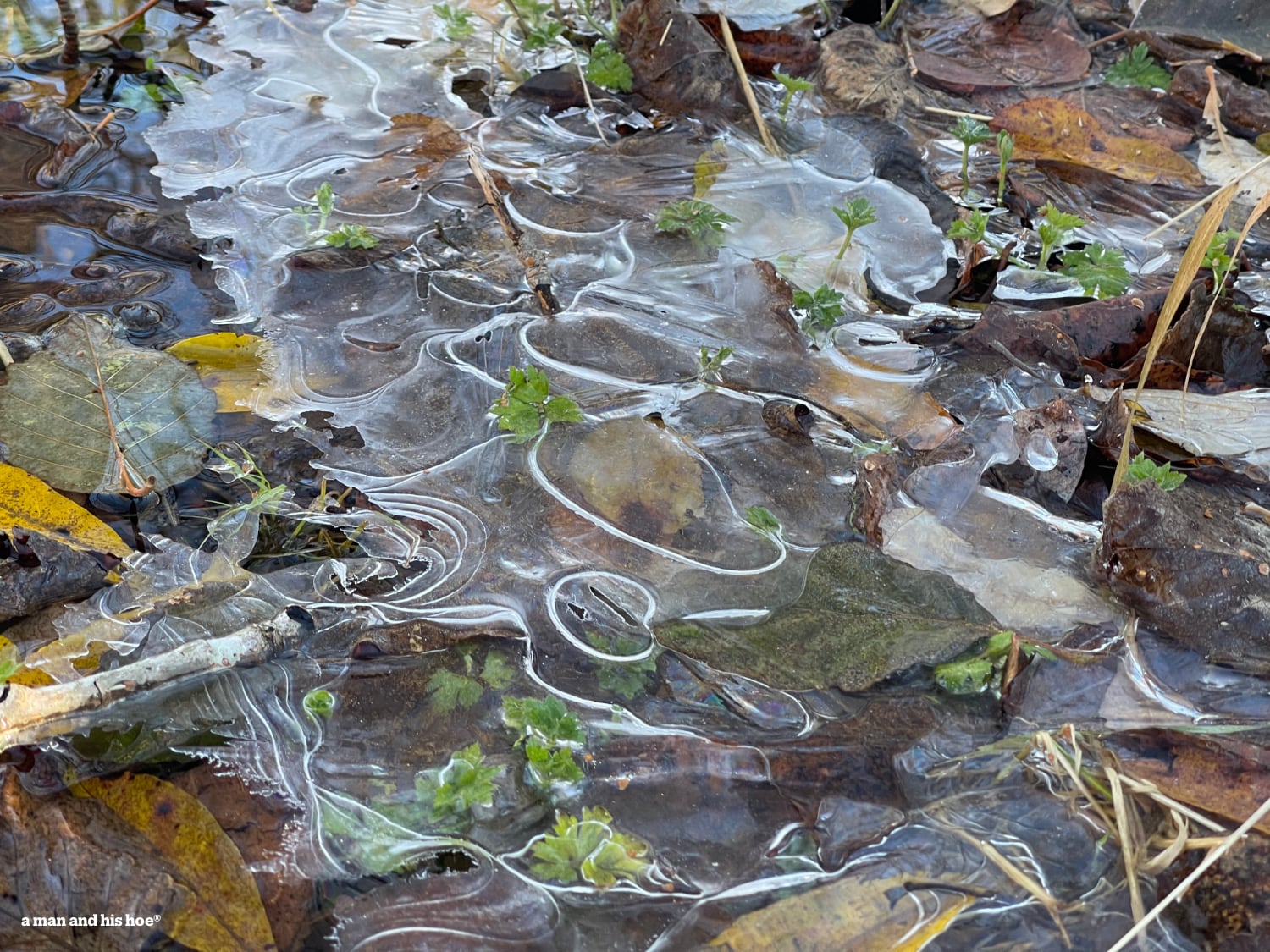
    Ice forms patterns on leaves.

    But even on the dreariest of days, beauty abounds. What are the physics that caused these swirling white lines to form on the ice. What mathematical formulas explain these circles and squiggles? I suppose to a mathematician the formulas are even more beautiful and haunting than the circles and squiggles. But you almost want to believe that a forest fairy took a feather in hand and drew these white lines in the ice as it formed.

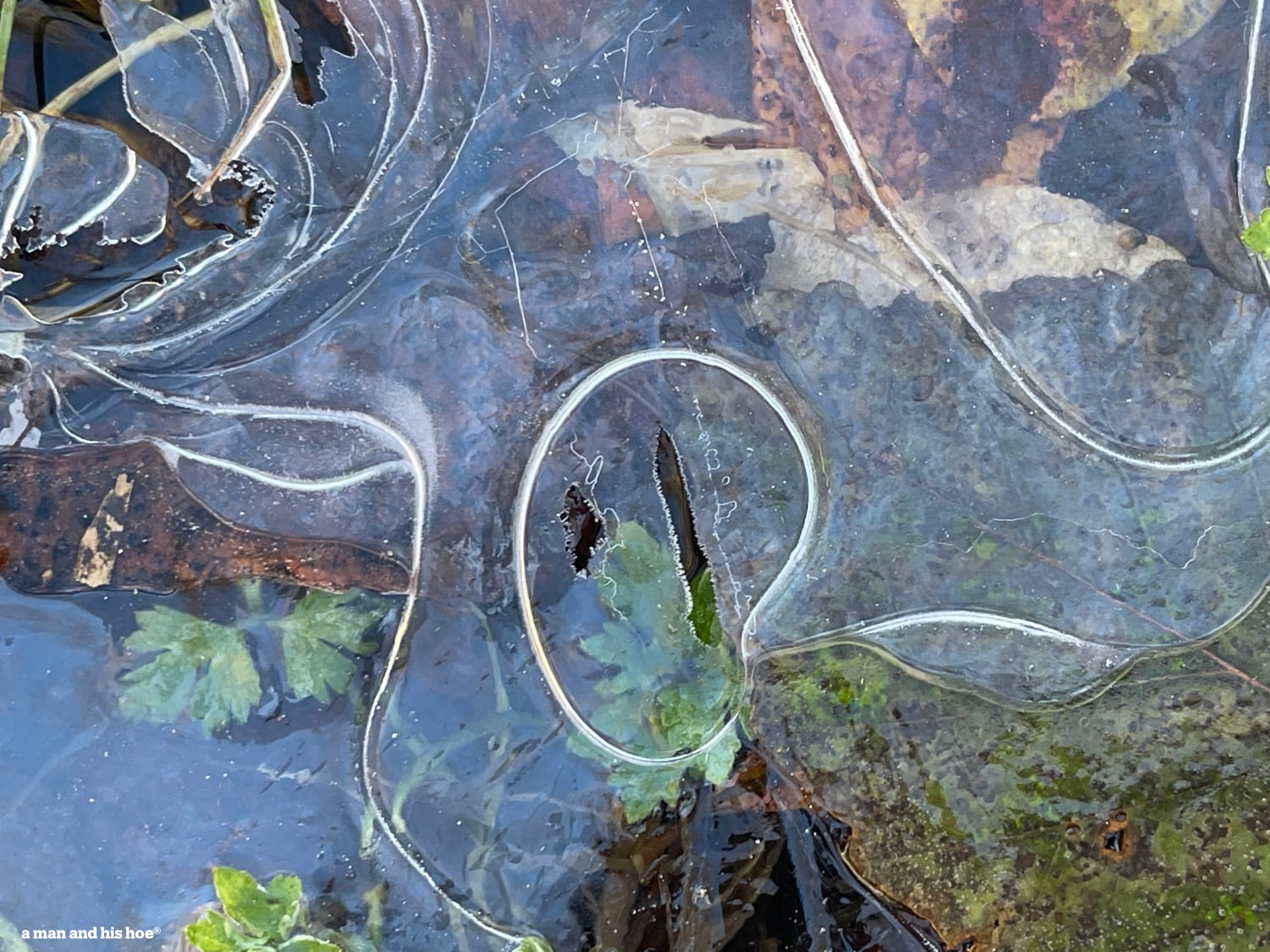
    White lines in ice.

    And if a forest fairy drew these circles and squiggles, maybe they mean something. Maybe they are a poem or a love letter the fairy left for another fairy to read.

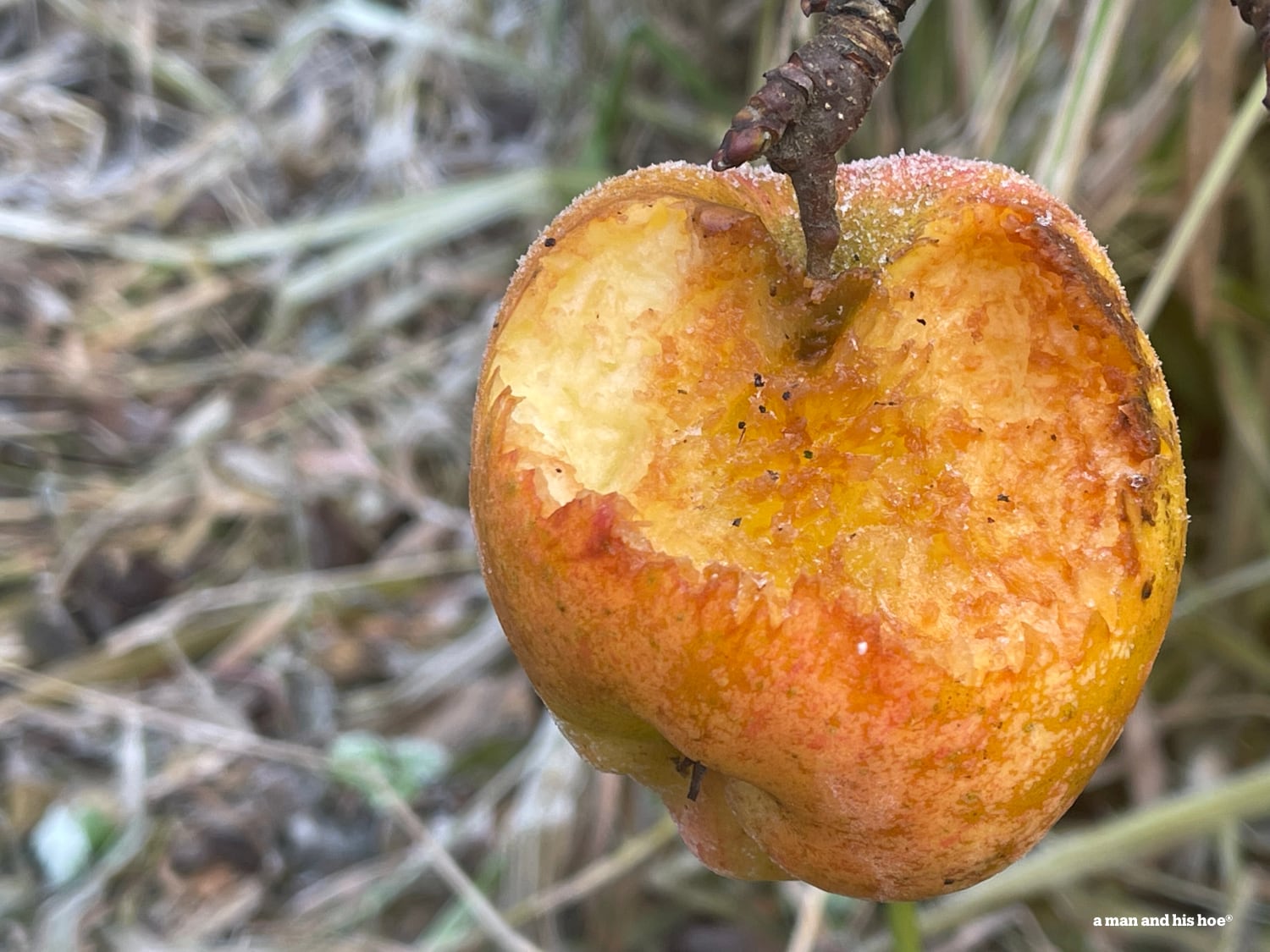
    Apple picked by wild birds.

    I always leave some apples for the winter birds to peck. Little by little they carve away at the apple. A pair of Pileated Woodpeckers are in the neighborhood. They like apples.

    Pileated: “having the feathers of the top of the head elongated and conspicuous,” 1728, from Latin pileatus “capped,” from pileus “conical felt cap without a brim,” which is perhaps from Greek pilos “felt; felt hat,” also “felt shoe, felt blanket,” or they may be from a common source (somewhat similar words are found in Germanic and Slavic). Beekes calls it “an old culture word of unknown origin.” Applied in natural history to sea urchins and certain birds, notably the pileated woodpecker, a large species of North America.

    From etymonline.com

    The first Pileated Woodpecker I saw was in a park in Seattle on Lake Washington. The sight of that magnificent bird clinging high above the ground to the trunk of a tree enthralled me. The black, white, and red of those birds is so brilliant. And their piercing calls are so distinctive.

    Ego 18 inch chainsaw.

    I don’t harp about products much, but after years of enduring gasoline powered chainsaws, I finally found a battery powered chainsaw large enough to handle the tasks I have. It’s an 18″ chainsaw from Ego. I’ve enjoyed the string trimmer they make so much that I felt comfortable getting their chainsaw.

    No more needing to make gasoline and oil blends. No more dealing with yanking on a starting rope to get the thing going. The most remarkable thing is how quiet it is. With a gasoline chain saw, the roar of the engine is deafening. Even when you’re not cutting, an idling chain saw is ear shattering loud.

    The only time the Ego chainsaw makes any noise is when the chain is running, and you can easily carry on a conversation with the amount of noise it makes. I used it yesterday to buck a log and it took just one job for me to see that I won’t be using a gasoline chainsaw again. This one also has a headlamp so that if you need to go out in the middle of the night to clear fallen branches or a tree, you can turn on the headlamp and see what you are cutting.

    Sometimes things get better.

  • First Frost of the Season

    Buddha with frosty head

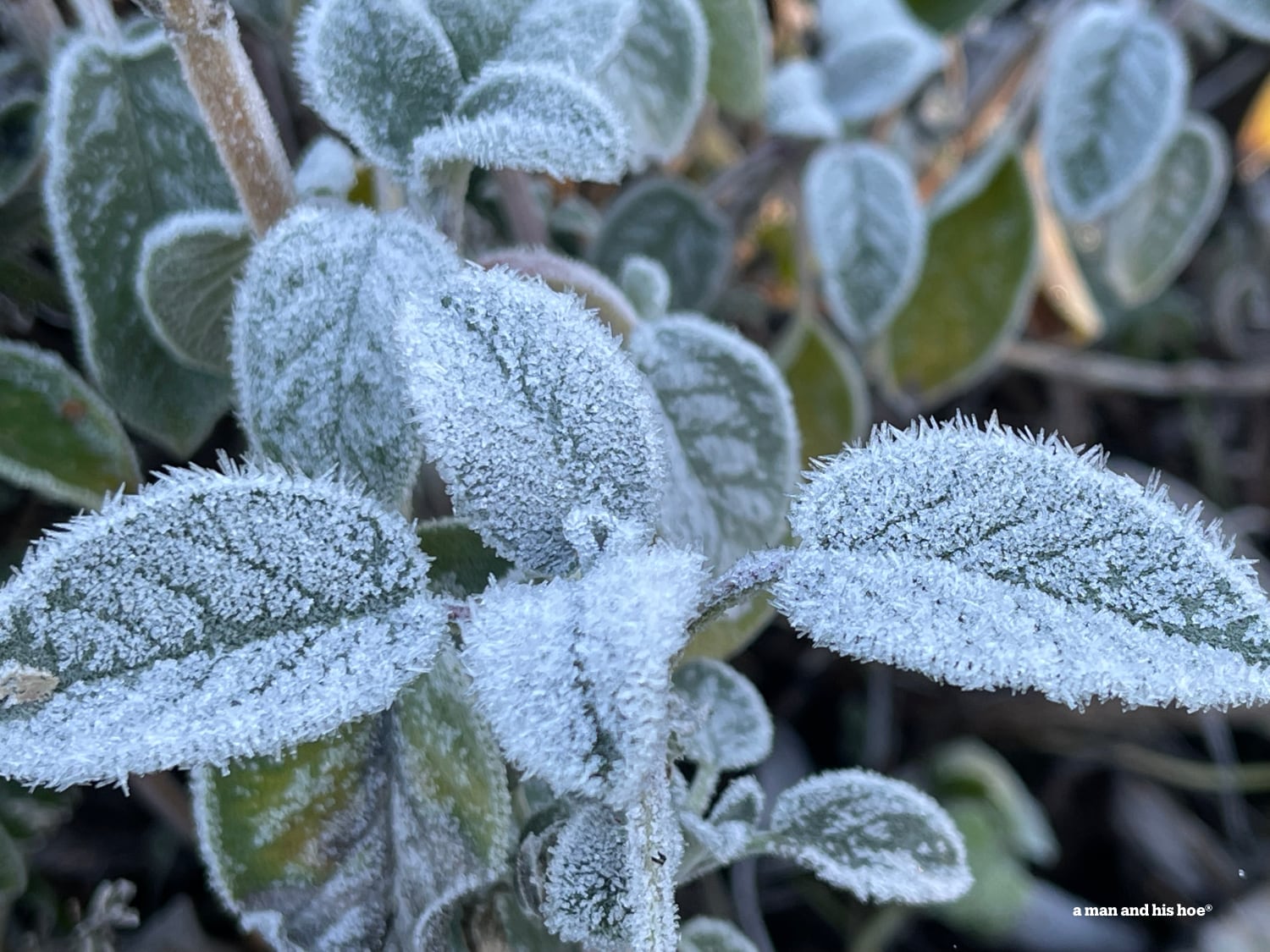
    The first frost of the season gave the little Buddha a frosty white head. This year was odd because we had our first snow of the season the night of the 7th, before our first frost. The sun melted the snow yesterday, and this morning our first frost prickled the leaves and the head of this patient Buddha.

    Frost on sage

    It feels like winter. According to the traditional Chinese solar term calendar, yesterday was the start of winter, the 19th of the 24 solar terms in a year. 立冬, which translates to “winter standing up.” I can go along with that.

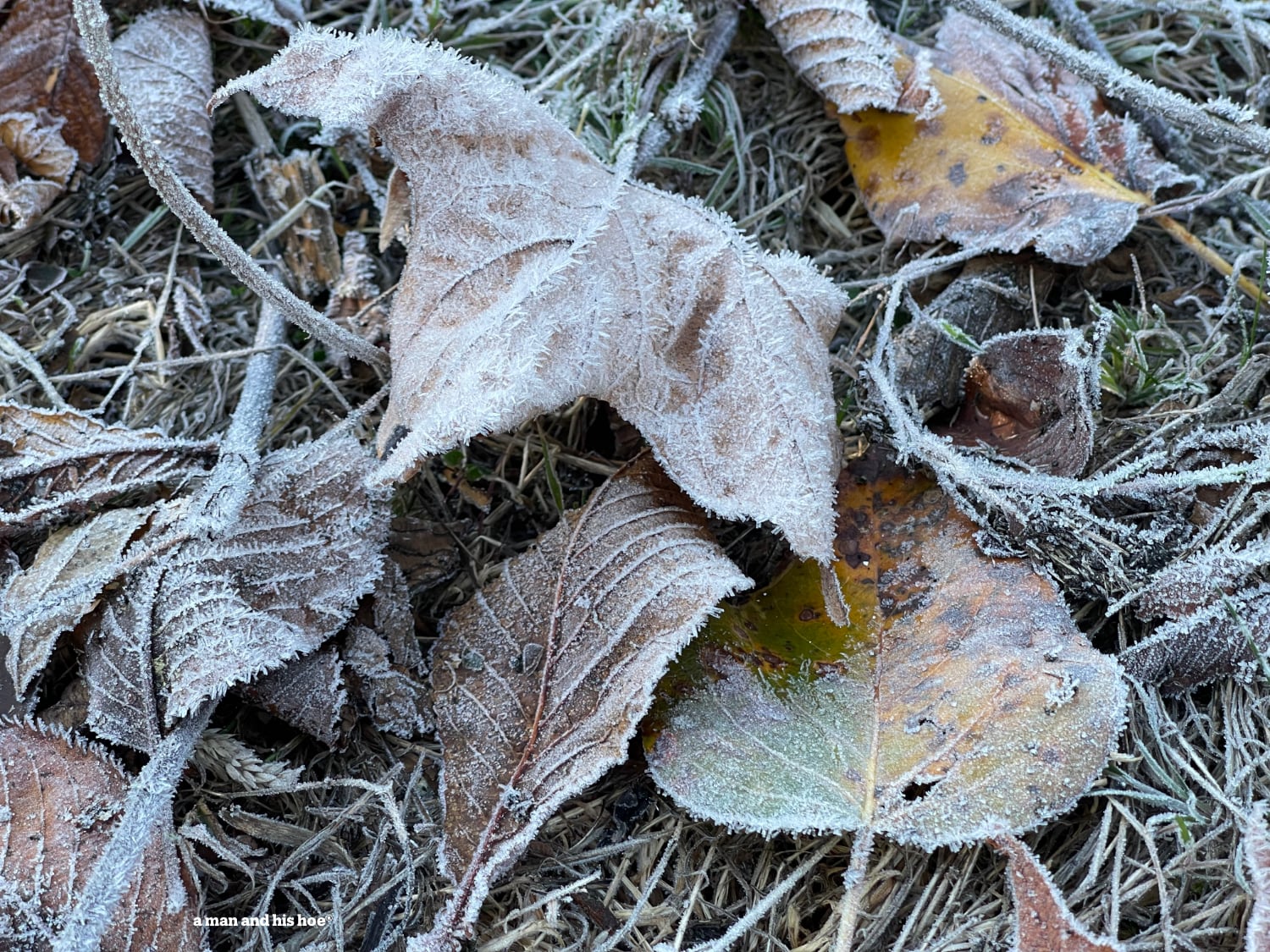
    Frosty leaves on frosty grass

    The rains have lifted. The rivers dropped. And the vast lake of a few days ago where the swans swam is a green field again. Here one day. Gone the next. Nothing stays the same.

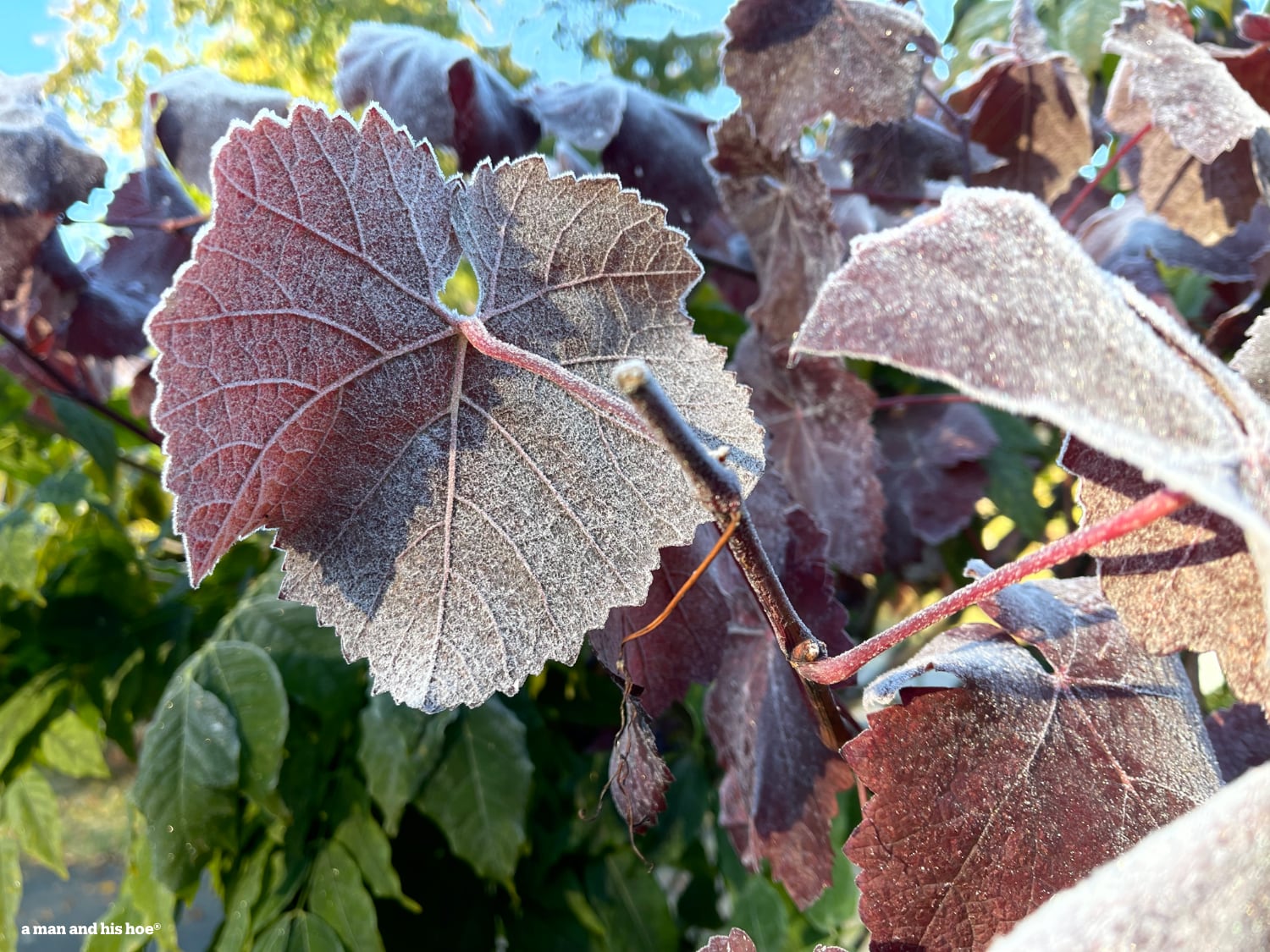
    Frosty grape leaves

    Even this morning’s frost is quickly fading. And by noon it will be all gone.

    I’ve been reading The Song of the Cell by Siddhartha Mukherjee. It’s a fascinating read on what we know of the cells that make plants and animals. What interests me is how little people from just a hundred or two hundred years knew how life really works. Even now, there is so much that scientists don’t know how cells work.

    Which makes me wonder why we pay any attention to what the ancients thought. They had no understanding of how the human body worked. It was less than 400 years ago, in 1628, that physiologist, William Harvey, described the heart as a pump that circulated blood through the body.

    Think about that. People before William Harvey published his research in 1628, had no idea that the heart pumped blood through the body with one pump, and through the lungs with another pump. Round and round and round. And when he did publish his work, there were eminent researchers who scoffed at his ideas.

    And it’s been less than a hundred years since scientists discovered that the pancreas made insulin! Prior to 1642, scientists considered the pancreas to be a cushion that protected the stomach. But in 1642 two anatomists discovered that there was duct inside the pancreas and realized that a pancreas was more than a cushion because a cushion would have no need for a duct inside it. But it wasn’t until the 1920’s that scientists discovered that the pancreas made insulin.

    So why do we bother to take seriously the thoughts and ideas of the ancients who knew less about how the universe and life works than grade schoolers of today? Would you take seriously anyone who doesn’t know that the heart pumps blood through the body? Or who doesn’t know that the earth revolves around the sun?

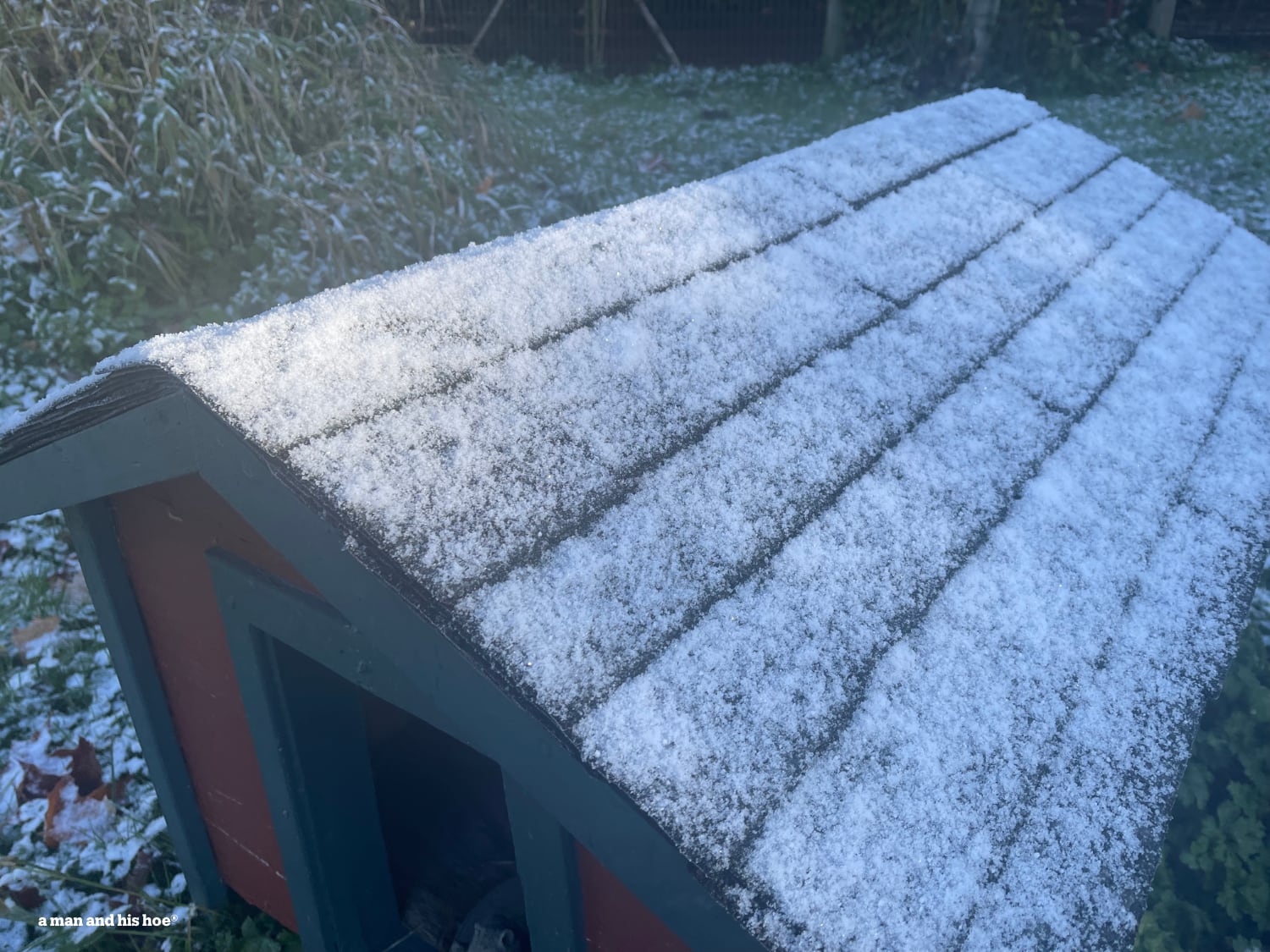
    Snow on dog house
  • Swan Lake

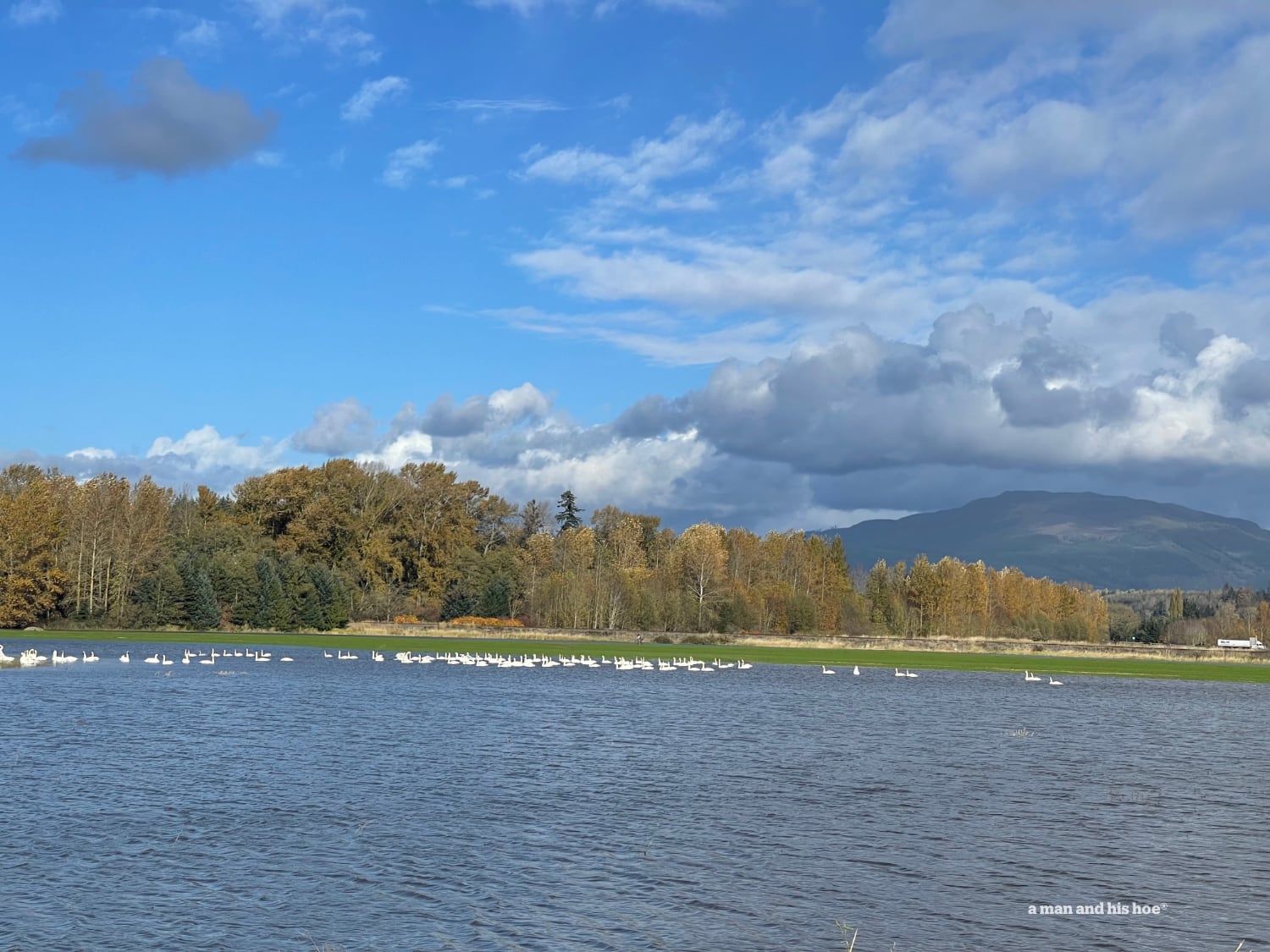
    Swans swimming on a lake

    A little more than a week ago this was a dry, parched field, as bone dry as the Sahara. And the air was acrid with forest fire smoke. But after a week of rain, the dusty field has turned into Swan Lake. Contented swans trumpet ceaselessly. Imagine if the swans had arrived ten days earlier. They wouldn’t have stayed. Not in a bone dry desert.

    It’s enough to make you believe that swans are infused with the divine power to pull rain clouds behind their wings. So that wherever they go, they turn dry, dusty fields into swan lakes.

    Maybe in drought stricken places, they should fill the air with the trumpeting of swans to beckon swans to come and pull rain clouds behind them.

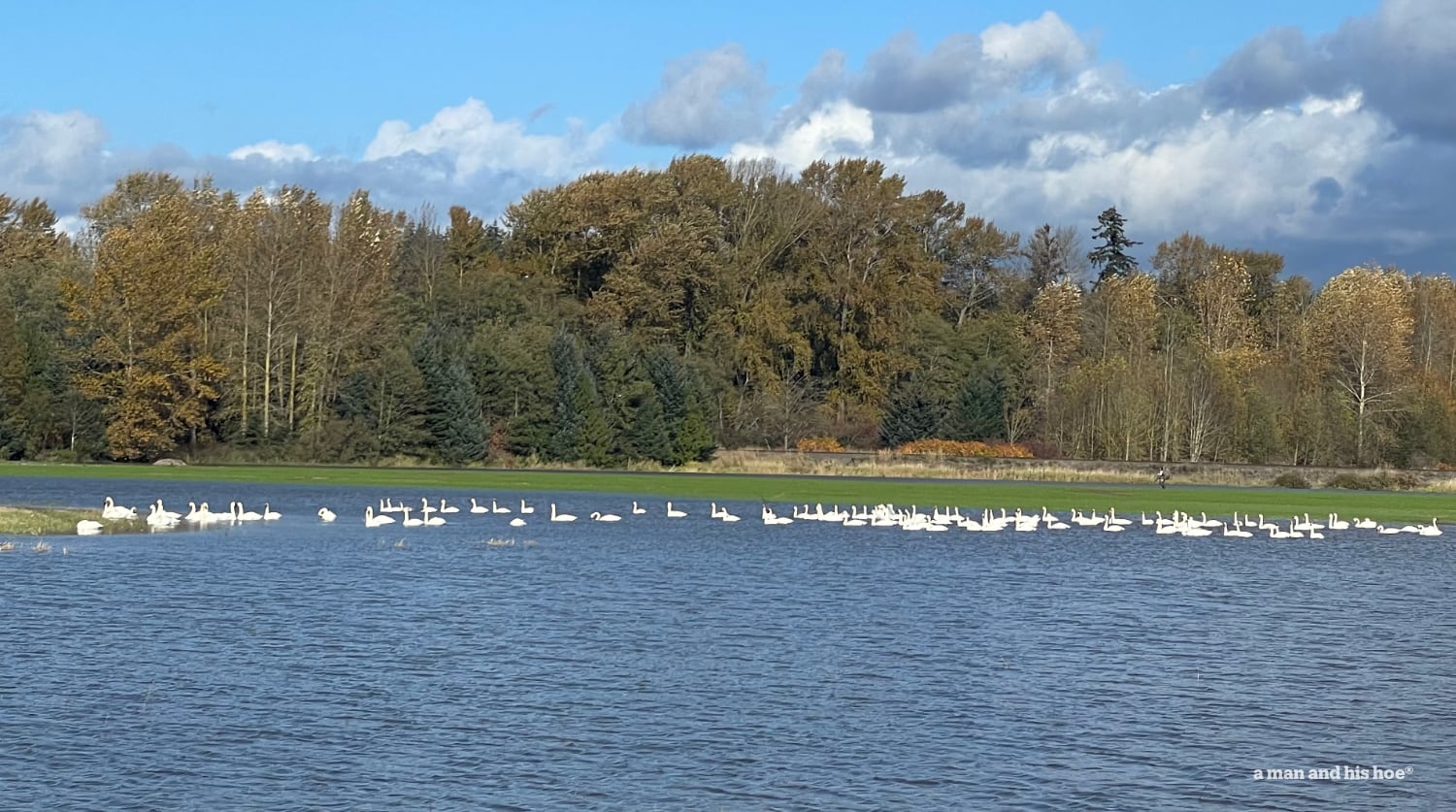
    Swans swimming on a lake.

    Anyone looking at this idyllic scene of swans floating merrily along would never believe that a short time ago this was desert land.

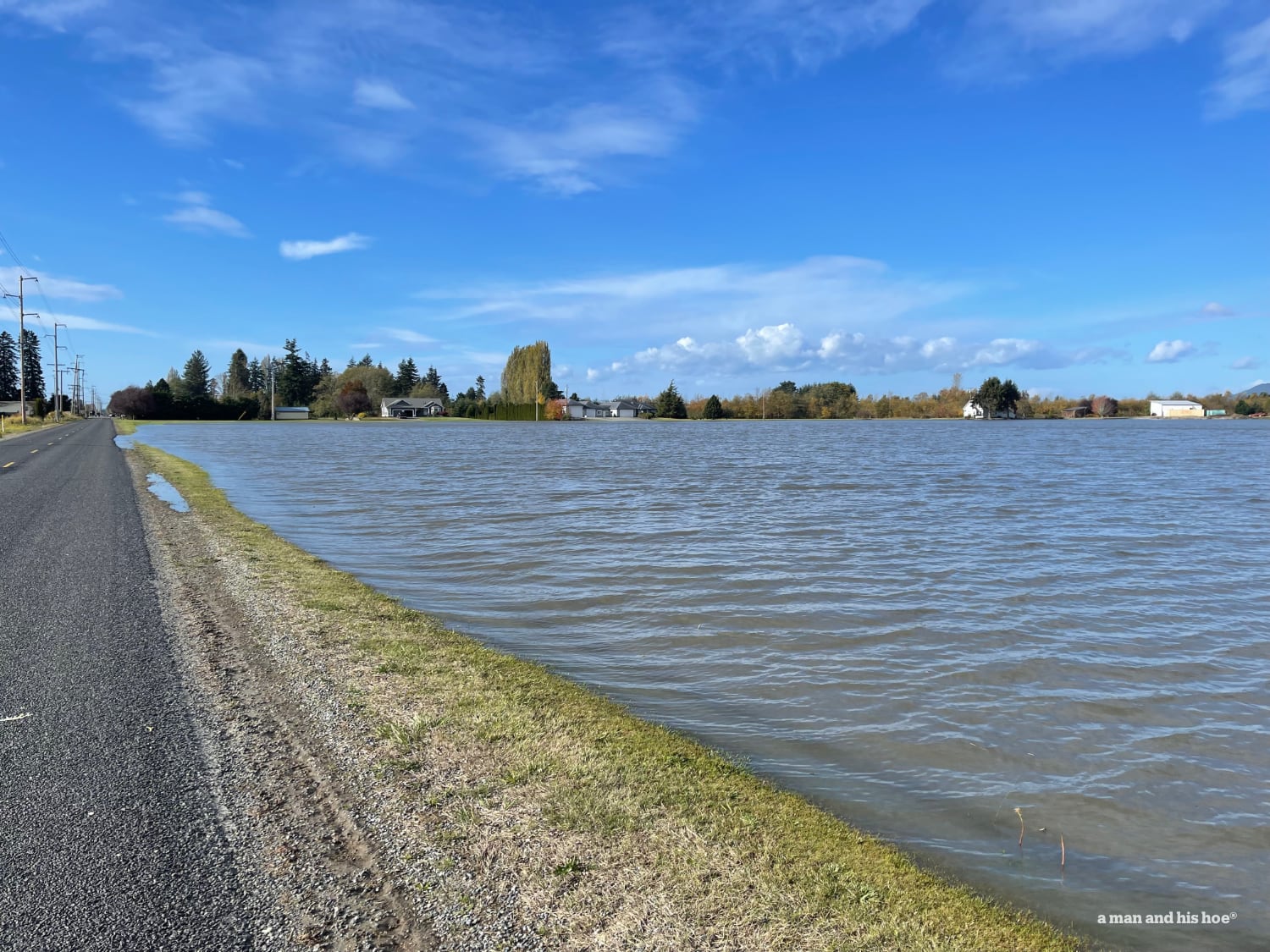
    Flooded fields

    Or that this was barren land. Yesterday, I drove into town to get chicken feed. But I had to pull off Chuckanut Drive when I crossed the Sammish River and saw that it was full and overflowing its banks. Flood waters cover the driveway of the homes along the new lake. The homes are marooned as if on an island.

    What other magical powers do swans posess?

  • Do Swans Have Calendars?

    Swans flying in

    Do swans have calendars? I wonder sometimes. They have an uncanny ability of showing up on November 1. Not on October 31 or on November 2. But precisely on November 1. And this year was no exception. I was outside in the woods on November 1 when I heard their trumpet calls high in the air. So I dashed out of the woods and saw them fly overhead. But I didn’t have my phone with me so I ran inside, grabbed it, ran back outside, and managed to catch a distant view of them as they flew south.

    Nine swans, flying in from Alaska on their migration to the Skagit Valley. Where did they take off from that morning? How many hours had they flown when they flew overhead at 2:35 in the afternoon? I think it would take migrating swans posting their flights on TikTok to get me to join TikTok.

    And yesterday, as we drove around doing errands, we saw flocks of swans on the lakes and in the pastures and fields. So the first ones are back for the winter. And they all used the same calendars.

    Rainbow on November 2

    The next day when I went to get the mail, I knew there had to be a rainbow someplace because the sun was out and yet there was drizzle in the air. And on the way back home, I spotted the rainbow. What do swans do when they see a rainbow? Do they avoid it? Flap their wings like crazy to fly through it?

    Vine maple fall leave
s against a tree

    The fall colors are almost over. Steady and at times heavy rains have moved in. Blustery winds tonight will knock many of the leaves away. Japanese has a special word: 木枯し – Kogarashi. It means cold winds during late autumn and early winter (the end of November and beginning of December) which blow from the north and scatter the fall leaves off the trees. That’s a lot of meaning to pack into a word. It was on the news the other day during the weather forecast. The weatherman was predicting the first Kogarashi of the season.

    Vine maple fall leaves
  • We Can Breathe Again

    Smokey skies on October 19

    Last week the skies were ghastly with forest fire smoke. This photo is from Wednesday, October 19. At times our air quality exceeded 200. Not something you want to be outdoors in.

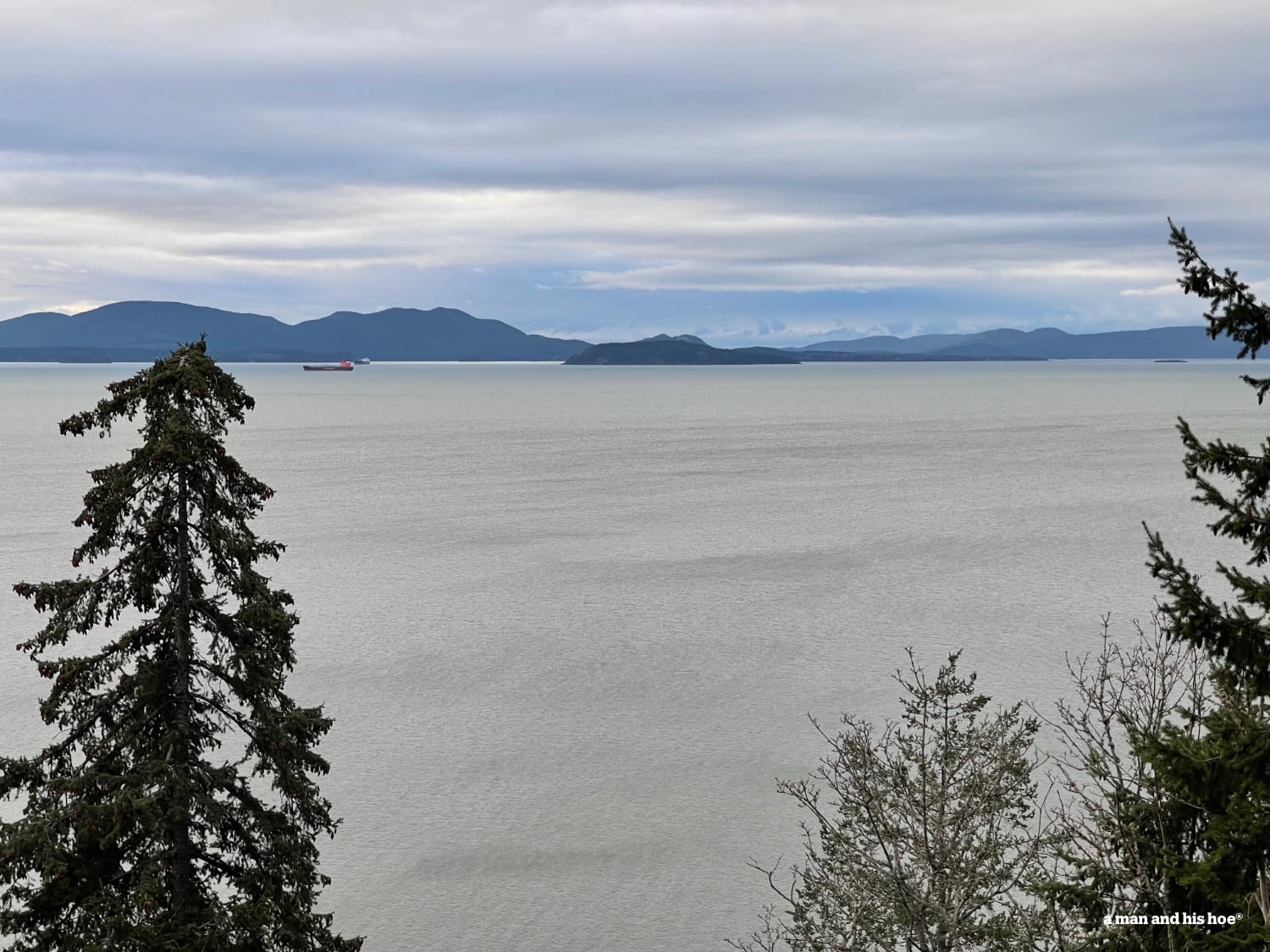
    Blue skies with a view of Lummi island and the Chuckanut mountains.

    But we can breathe again. The fall rains finally moved onshore on Friday, October 21st. For seven days we’ve had gentle rains and a few downpours. The smoke is gone. And the forest fire season is over. We are back to living in the Pacific Northwest.

    Log over the lane

    Now we have fall issues to contend with, like having to clear a log off the lane when we come home from an errand. One of these days a falling tree is bound to smack us on our way in or out. So if you never see another post, that is most likely what happened to me. A tree had enough of my nonsense and decided to take me out. Just saying.

    A scientist should study if trees take aim at things when they fall. The answer could give us one more thing to worry about.

    San Juan Islands

    And the snow geese are back. I saw a large flock in a field along Chuckanut Drive yesterday. And today streams of them filled the skies. If you look closely in the photo above, you can see a flock as the descend like snowflakes against the San Juan islands. The swans will be close behind.

    The migrations of the snow geese and swans from Siberia and Alaska to here are impressive. But I read today that a small, five month old bar-tailed godwit flew from Alaska to Tasmania non-stop, a journey of 13,560 kilometers (8,435 miles) in 11 days. That’s 1,233 kilometers a day (767 miles). An average speed of around 32 miles an hour. That’s an impressive feat for a little bird. What does a little bird think when it takes to the skies from the only place it has known, and flies for 11 days to a place it has never been before? And when it lands, how does it know it reached its destination?