Category: Reflections

  • All the Way from Umingmak Nuna


    A carpet of fallen leaves greeted me when I went out to the cabin to make tofu this morning. “Whoa!” I said when I stepped through the gate and saw all the leaves, wheelbarrows and wheelbarrows of leaves for the garden. Yesterday’s bluster shook the trees. Leaves fell all day and night.


    [wpvideo 0OC8Cynx]

    In the cabin the gentle sound of soybeans soaking underneath a trickle of water is so soothing. The beans have come all the way from the other side of the Rocky Mountains to fatten in a cool stream. Maybe someone in Anacortes or down in the valley is feasting on fresh tofu tonight. I’ve adjusted my schedule so that I always have some on hand. If you need any, let me know.


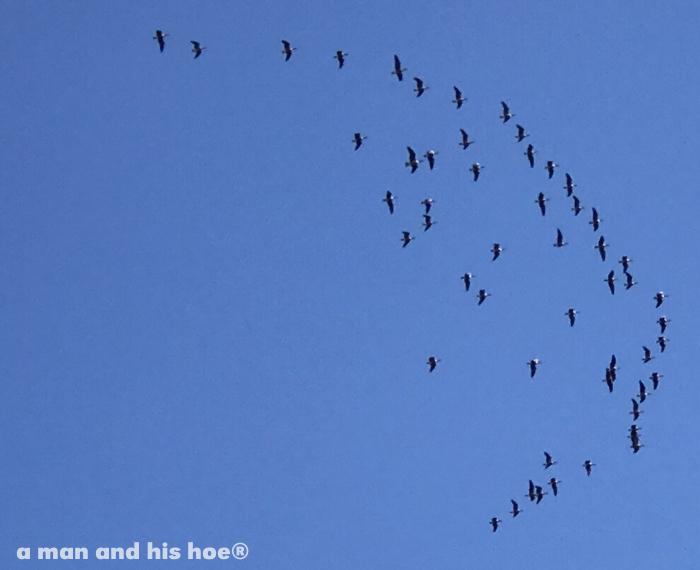
    Snow geese by the thousands greet me on my way home from delivering tofu. It’s just in the past two to three years that the flocks are spending a lot of time in the northern part of the Skagit Valley. At times they fly overhead. Unlike other geese and swans which fly in small V-shaped groups, snow geese take to the air en masse, forming ribbons of hundreds and thousands of birds, noisily flying overhead, ribbons that at times stretch for miles.

    When you approach a field of snow geese, from a distance, they look like fields of white daffodils, or snow covered fields. And then you get closer and see that they are snow geese from here to the horizon. Their summer homes are in the far, far north, on the arctic sea coast, all the way to tip of Ellesmere Island, Umingmak Nuna, or land of the muskoxen, less than 500 miles from the North Pole. Just a few weeks ago these snow geese were on the tundra, looking down at muskoxen and caribou as they flew. Now they are here, watching cars go by, and flying over houses and freeways. Lucky snow geese, no passports to carry, no border crossings to worry about, just wings to flap and sail over all boundaries. If humans had wings, we never would have dreamed of creating border crossings, or fences, or walls. What would be the point?
  • Summer To Smoke


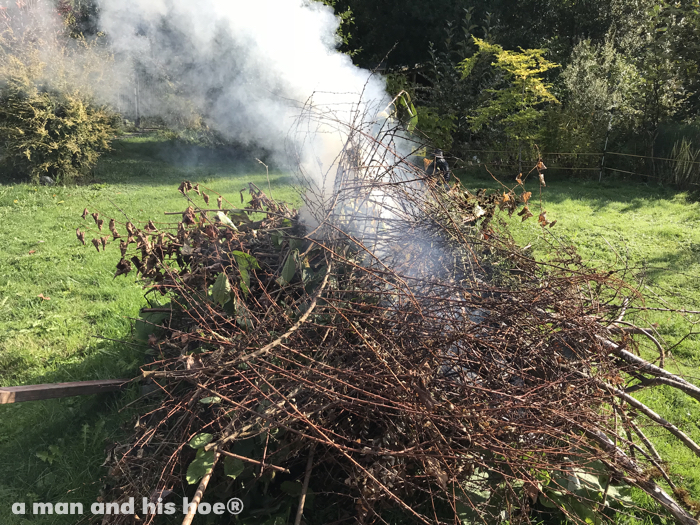
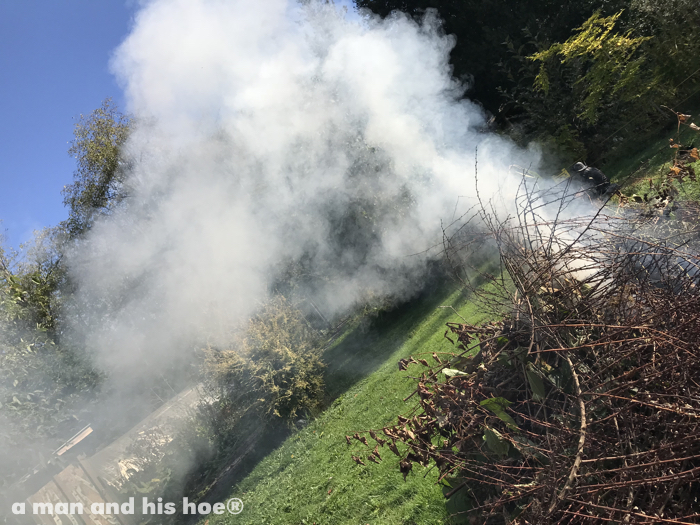
    On a calm, sunny October day, we light a pile of brush accumulated over the summer. Sweet smoke billows up like incense. If I close my eyes, it seems like I am at a temple in Kyoto, savoring the soothing fragrance of a thousand sticks of incense. If I listen, the crackling of the brush sounds like monks gossiping.


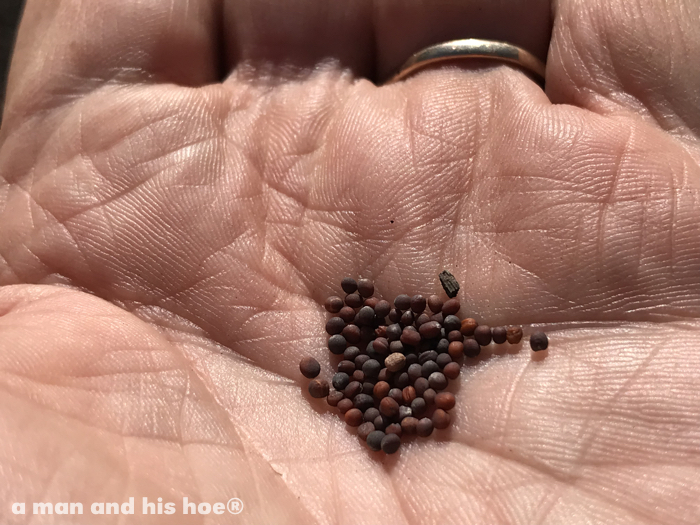
    It’s time to plant fall vegetables. These are cabbage seeds. Seeds are wondrous packages of information and energy. All the wonderful things humans have created don’t compare to what nature has devised in the way of seeds. We owe our existence to these tiny bits. Maybe by the time the iPhone M arrives, centuries from now, it will self replicate. After a year of use, it will produce a seed which you plant, and six months later, you’ll have a handful of shiny new iPhones you don’t need to purchase, and the old iPhone you’ll compost with the fall leaves.


    High above, ducks and geese are making their way south. The joy of working outdoors this time of year is hearing migrating fowl coming from afar. Sometimes they pass just out of sight. Other times they fly directly overhead. It won’t be long, maybe three weeks, four or so, before the first of the swans arrive to spend the winter among us.

  • The World is Iridescent


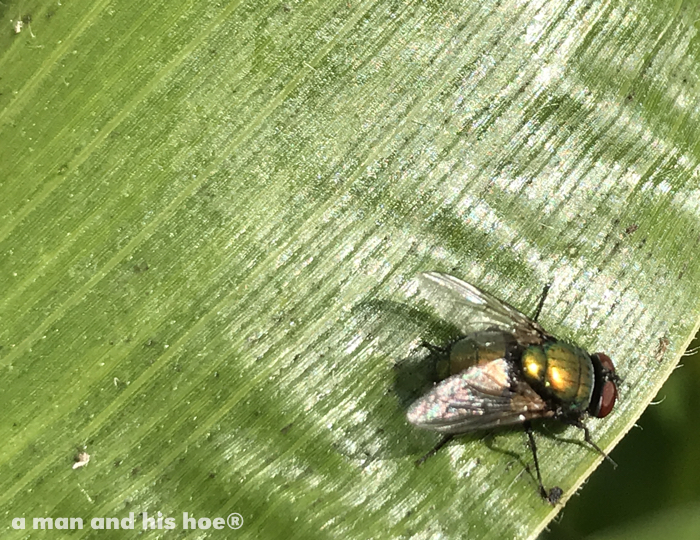
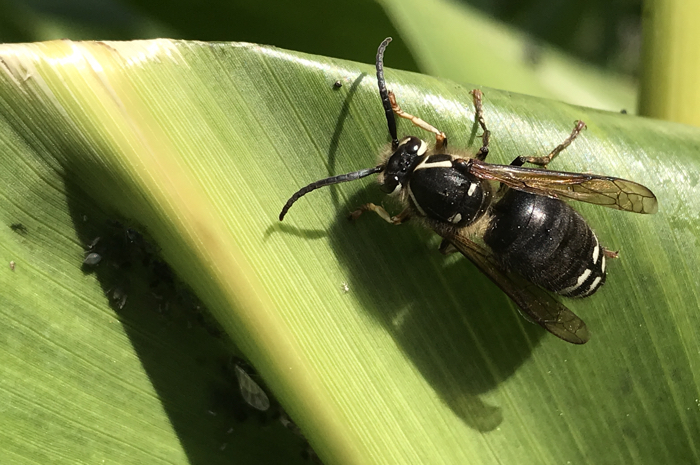
    On a sunny fall day, the world is iridescent. A luminous green fly shines on a corn leaf. A forest of corn is an insect haven. Every leaf has a fly, a wasp, or some other insect.


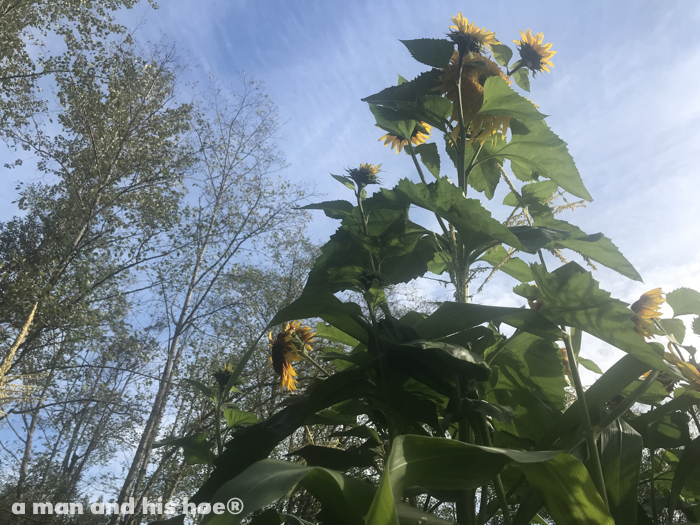
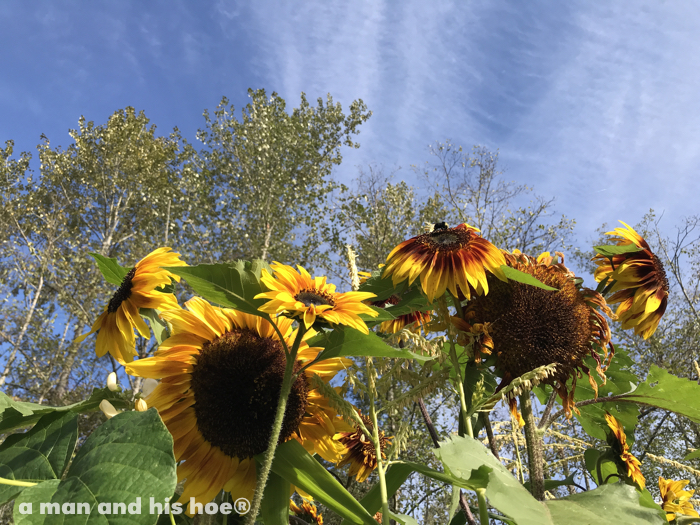
    The sunflowers have reached the sky. They tower over the towering corn. Will I be lucky enough to harvest sunflower seeds this year? Last year, the birds plucked them bald all before I had a chance.


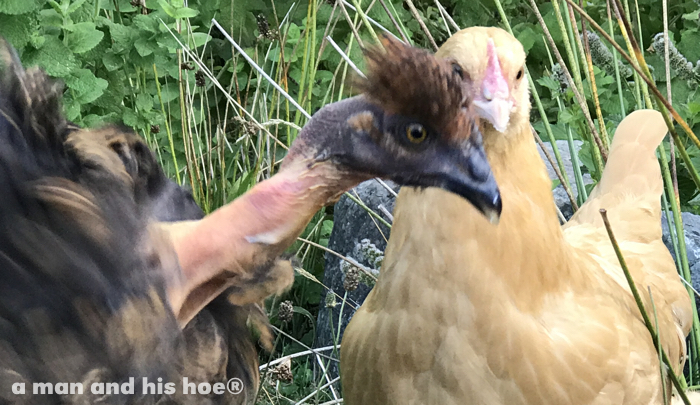
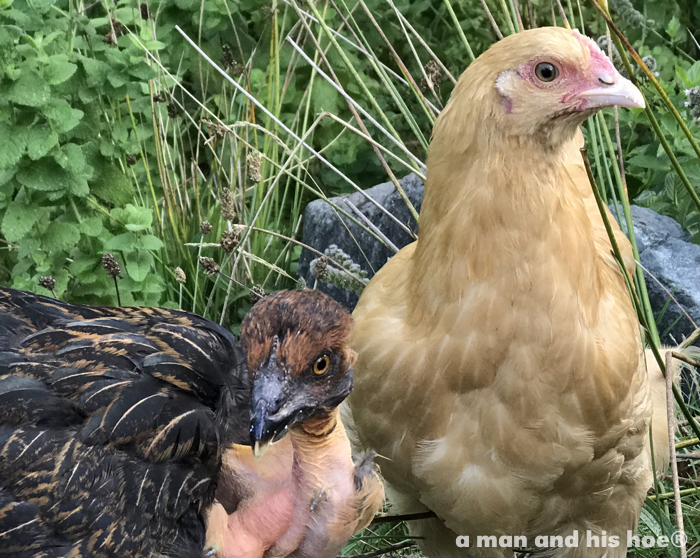
    Some chickens are quite iridescent. I haven’t named these two yet, but the Turken, the one with the featherless neck, has some amazing feathers on her head and her back. Is the plain Buff Orpington jealous of the Turken’s coat of many colors? Is she wondering why she isn’t the iridescent one?

  • Smoke Gets In Your Eyes


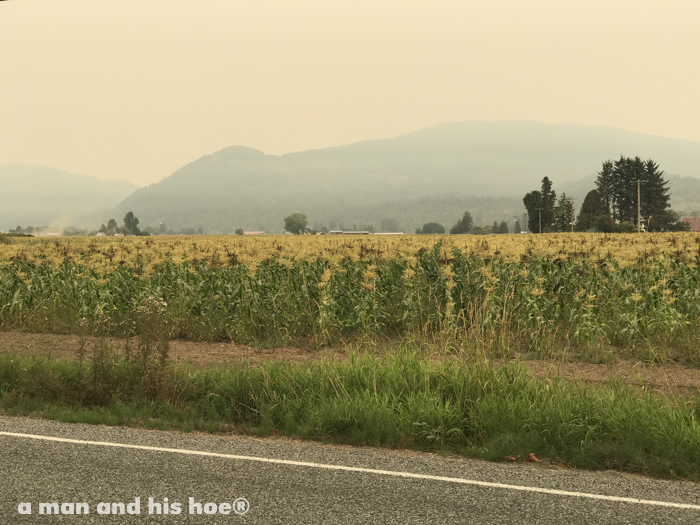
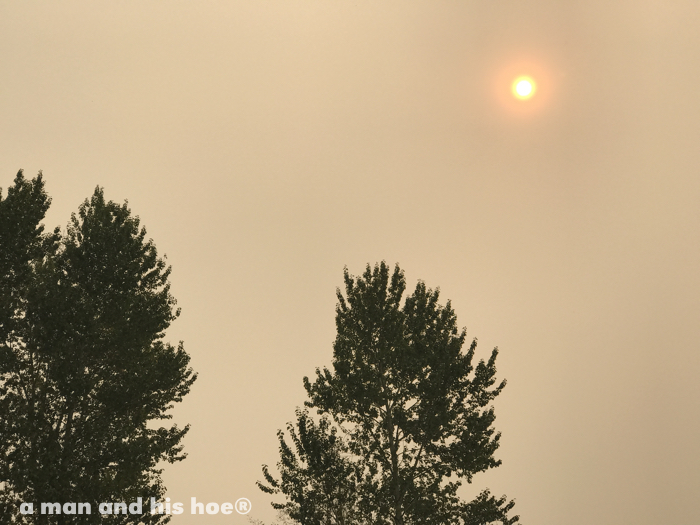
    We stepped outside this morning to the sight of a bright red moon, only to realize later that it was the sun. The smoke from the forest fires in the Cascades poured into the valley during the night and is thick today. The smell of burnt wood fills my lungs. The mountains are obscured and the sky is Martian orange. This must be what it is like to look up at the sky on Mars.

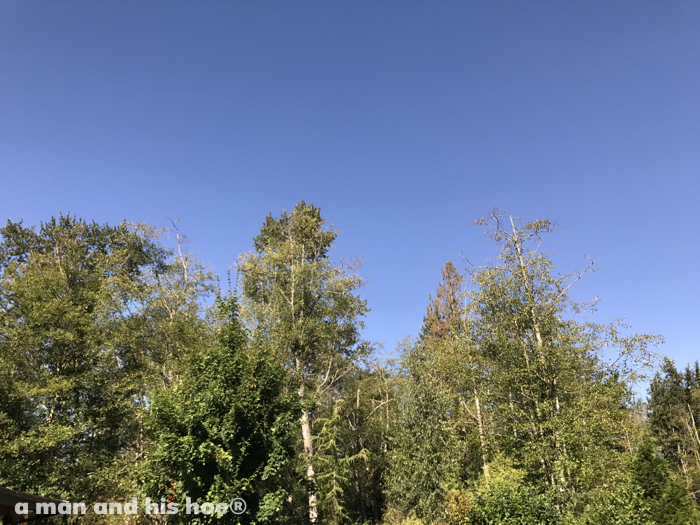
    The forecast is for marine air to move in tomorrow and our blue skies to return.

  • Eclipse Oddities


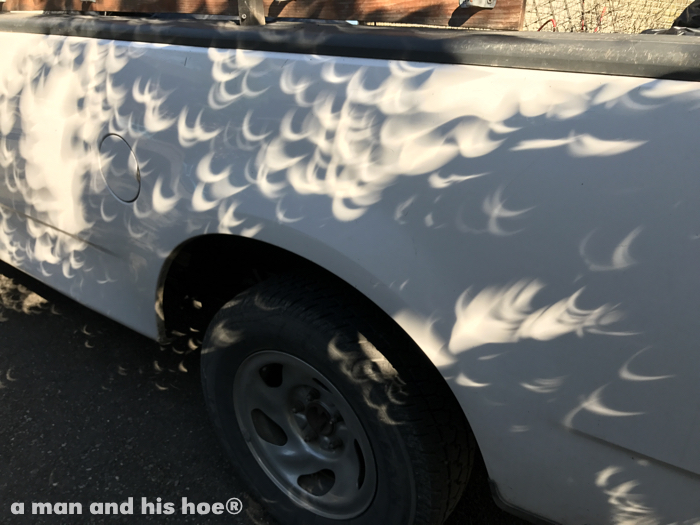
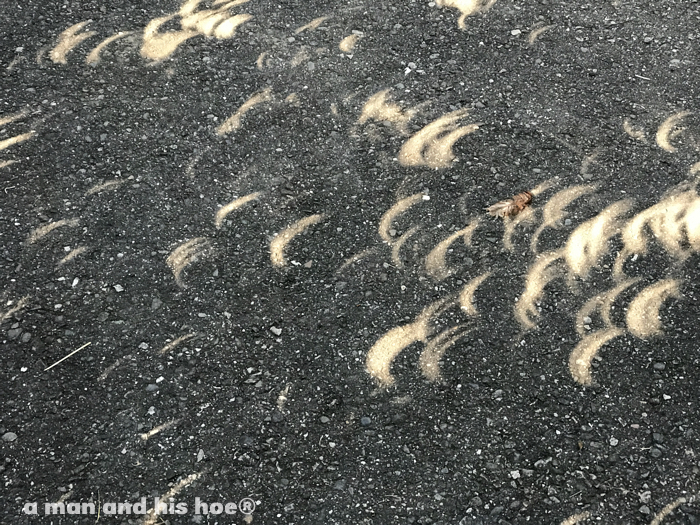
    It didn’t get as dark as we thought it would. With the moon covering 89% of the sun, we thought it would be quite dark, instead the sky turned a deep cobalt blue, and all the colors intensified. The most memorable oddity were the many reflections of the eclipse landing on the truck and pavement under a cherry tree. The spaces between the leaves became many pinhole cameras, reflecting the eclipse on the ground. The temperature also lowered during the eclipse. The chickens and dogs didn’t seem to notice anything was unusual. The cat, well, the cat slept through it all.


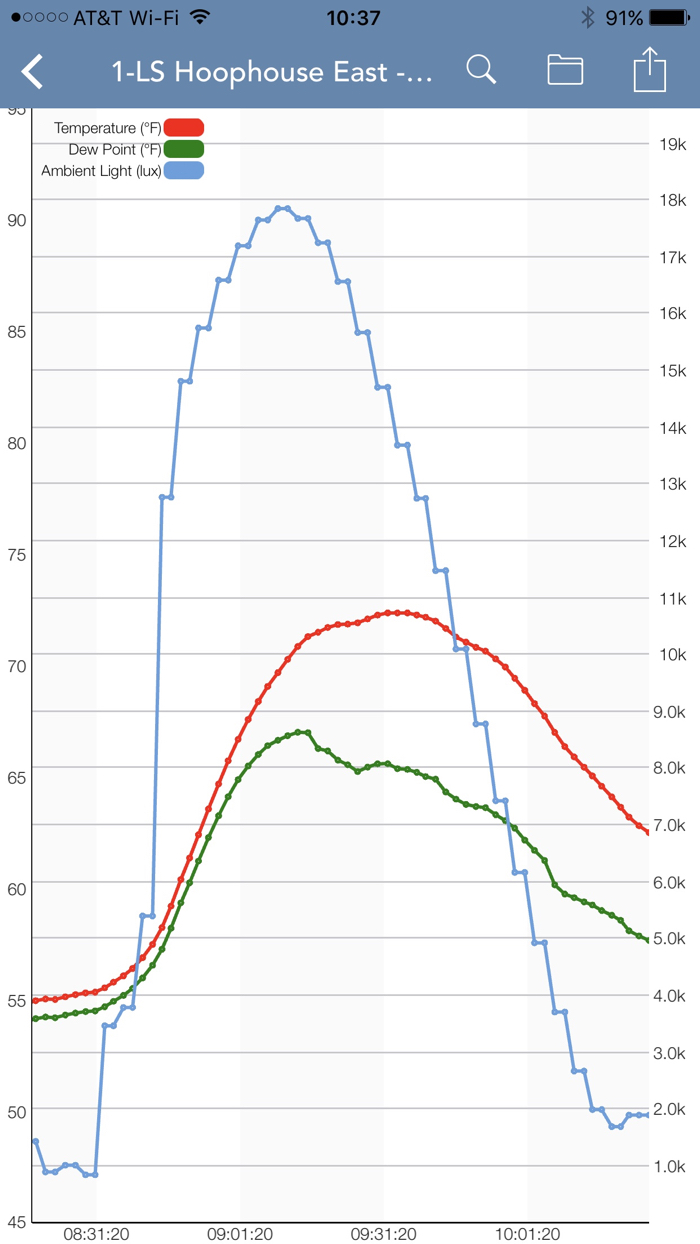
    Clear evidence of the fading sunlight was the light meter in one of the hoop houses. The intensity of the light dropped from 18,000 lux to under 2,000 lux at the peak of the eclipse. And in the house, it became very dark. And yet, even blocking 11% of the sun was not enough to make it dark outside. It shows just how brilliant the sun is.