Category: Reflections

  • Swans-here, Swans-there

    AuspiciousDayA

    Today was an auspicious day. The start of Swans-here. Hearing their distinct honking, we looked up into today’s blue sky and were dazzled by a flock of swans flying in off the bay. There are really only two seasons in the Skagit Valley, the time when the swans are here, known as Swans-here, and the time when the swans are away, called Swans-there. Where? Out there, where you can’t see them. All the other seasons are subsets of these two distinct times.

    Around when November begins, the swans start flying in from their summer homes in the far north. If you see them for the first time on November 1, it’s particularly auspicious. They leave in early April and once they are gone, we are in Swans-there. During Swans-there, the whole activity of the valley revolves around preparing for Swans-here, making sure that plenty of crops are grown and harvested so that when the swans arrive, there are acres of good stubble and potato buds for them to savor through the rainy winter. The belief is that if the swans leave satisfied, that year’s crops will be exceptional. If the swans leave discontented, it means we have to try harder. The world would come to an end if they decided not to come back. Then we’d be stuck in Swans-there forever.
    AuspiciousDayB
    AuspiciousDayC
    AuspiciousDayD

  • Flinstonian

    20151101A-Flinstonian

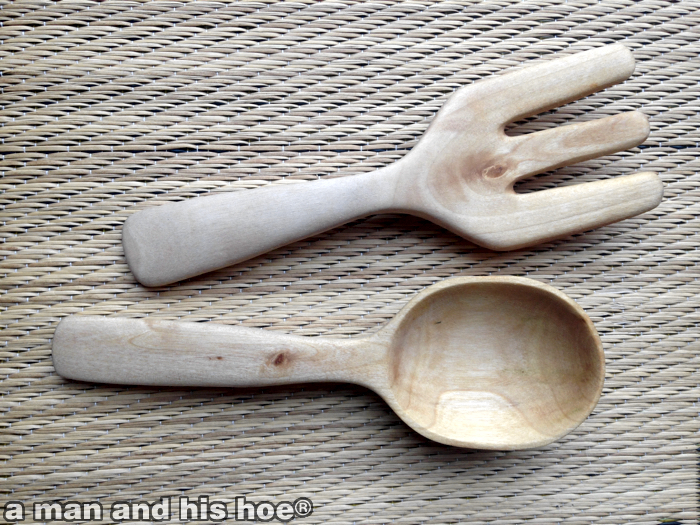
    I describe this salad fork and spoon set as Flinstonian. The woodcarver who made these, Allen Berry, sells his creations at Bow Little Market and the Mt. Vernon’s Farmer Market. He creates an assortment of boxes, spatulas, stirring spoons, salad forks and spoons, knitting needles, spindles, and other wood wonders. If you don’t live in the area, there must be an Allen Berry in your neighborhood who whittles wood into salad forks and spoons you can use.

    20151101B-WetLeaves
    20151101C-VineMaple

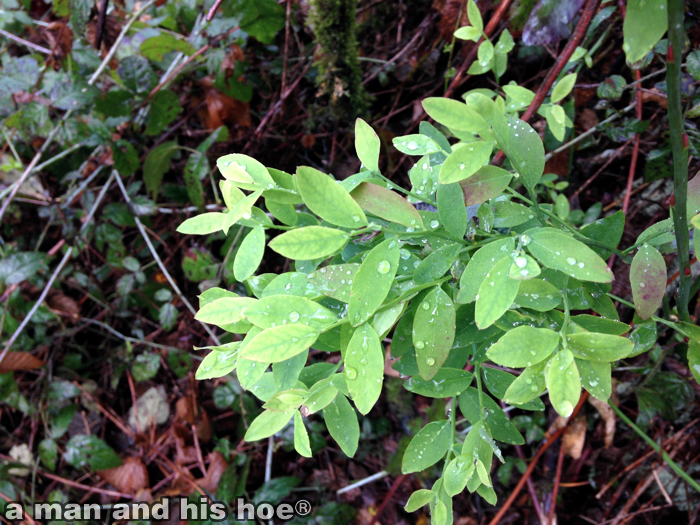
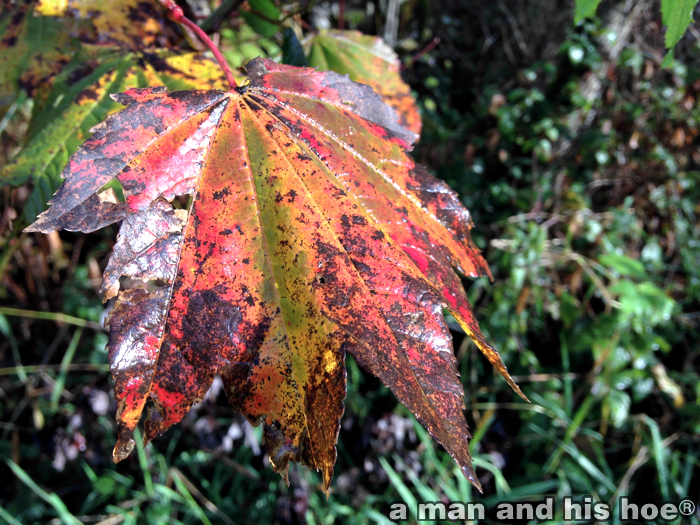
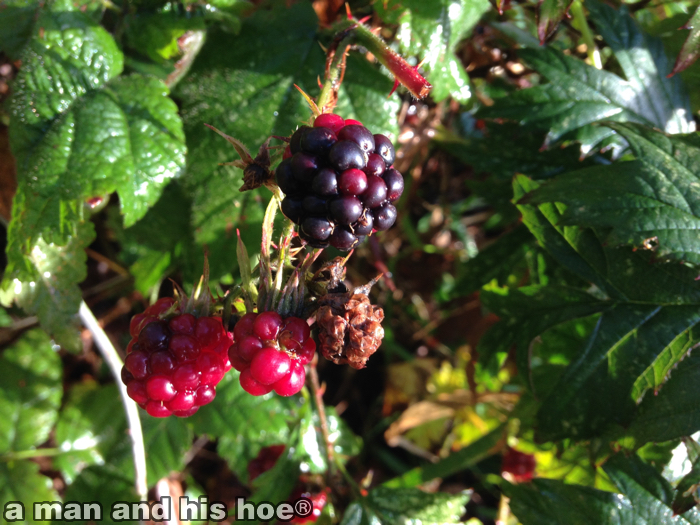
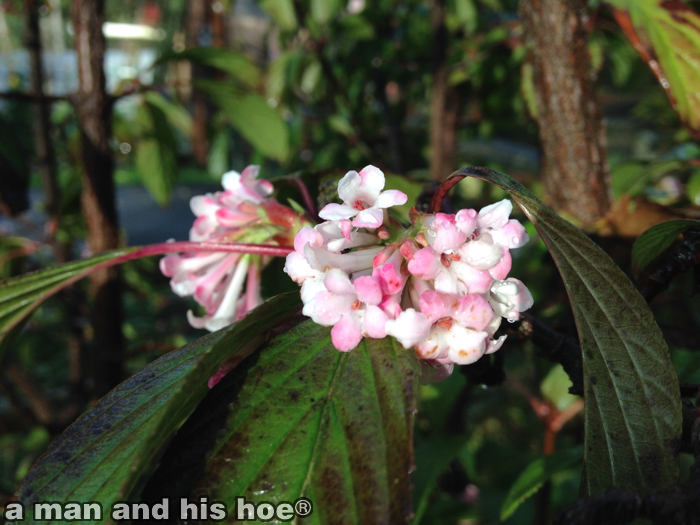
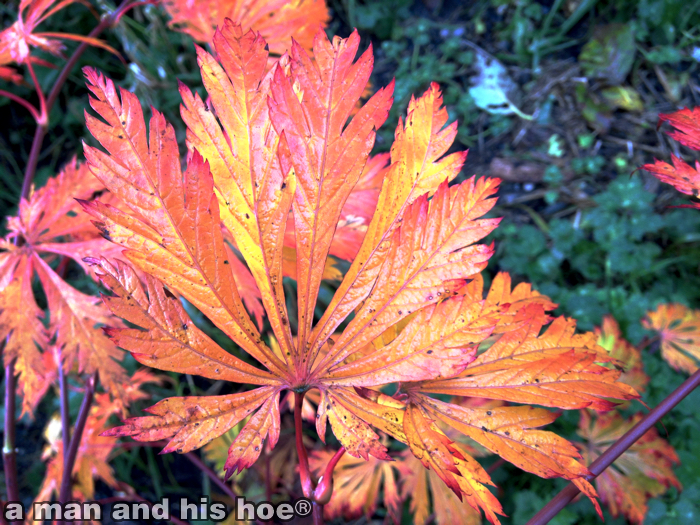
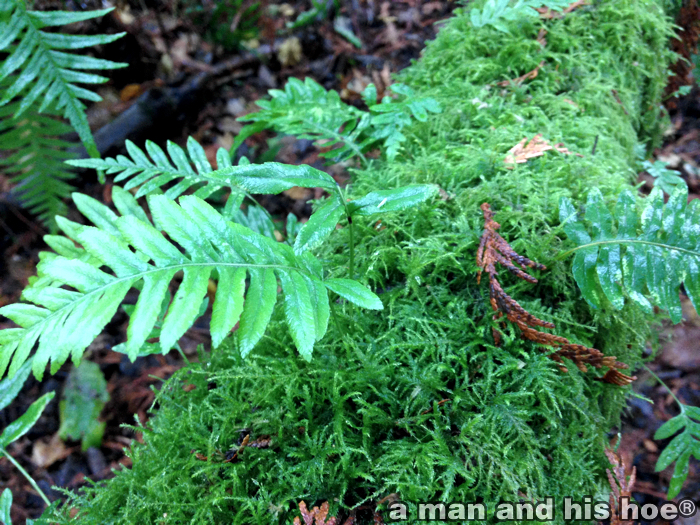
    November begins with rain, rain, rain, like it always does in this neck of the woods. Every thing is wet and lush. The rain intensifies the fall colors. They pop out when you walk through the woods.

    20151101D-Berry
    20151101E-Flowers
    20151101F-JapaneseMaple
    20151101G-FernsAndMoss

  • Who Made My …?

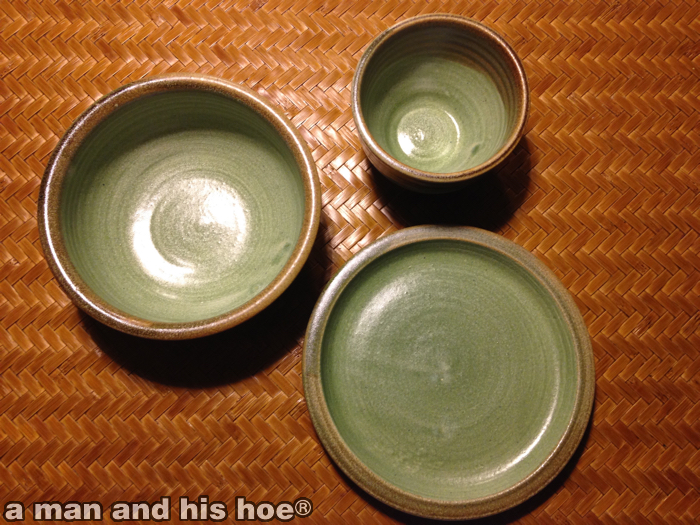
    CherylHarrisonA

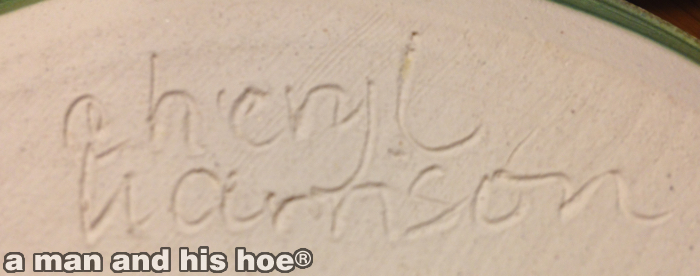
    It all started a few months ago when I purchased two teacups at my local Skagit Valley Food Co-op. I liked them so much that the next time I was at the co-op, I asked one of the staff if they had a way to contact the Cheryl Harrison whose signature was on the bottom of the teacups.

    “Yes, she works here,” they said. Wow! That surprised me. I found out which days and hours she worked, and I met her and asked if she made pottery on request. She did, and I took some pottery that I liked and gave her the sizes of the cups, plates, and bowls that I wanted.

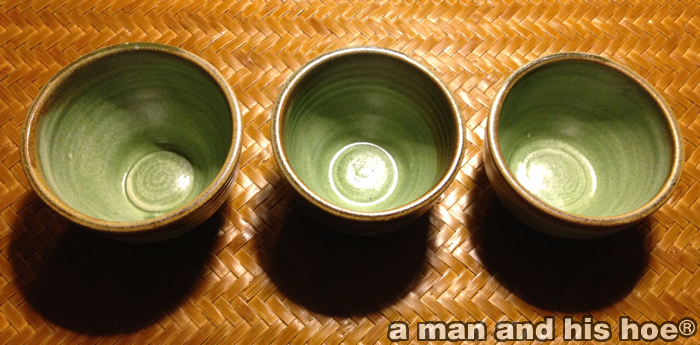
    I picked them up this week. It’s a delight having handmade dishes and knowing the person who made them. Each cut, plate, and bowl is slightly different. It’s refreshing setting the table and having pieces with personality.

    It’s made me think how much we’ve lost with everything being mass produced, with everything being identical. A couple hundred years ago, you knew everyone who made your clothes, your dishes, your furniture. It was either yourself, or someone in your town. Today, most people have no personal connection with the people who made the things they use every day; their clothes, their shoes, their dishes, and the many other things they use.

    One thing I’ve learned being at Bow Little Market this summer, is that if I look around, there are people nearby who make many of the things I use every day. It’s nice having a bowl of warm soup and knowing the person who crafted your bowl, and when I’m tossing a salad, knowing the person who made my salad fork and spoon. And they aren’t people who live in some far distant town, state, or country. They live nearby.

    CherylHarrisonSignature
    CherylHarrisonB

  • Trees on Fire

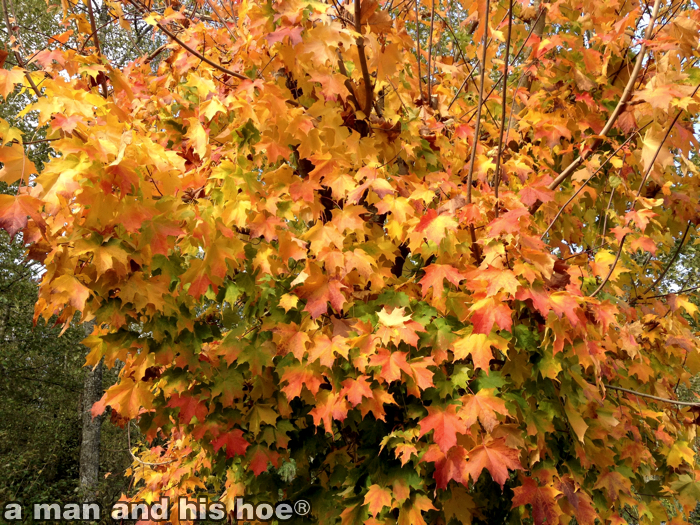
    MapleLeavesA

    The trees are on fire. When the sun is out, where is the heat coming from? The sun? Or the trees and their burning leaves?

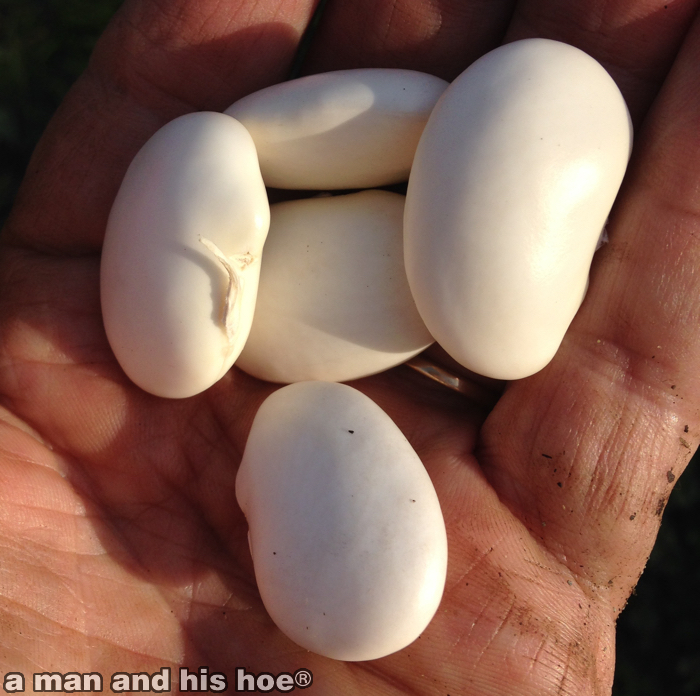
    Every day there are more white flower beans to pick. I never tire of popping open the bean pods and seeing the large white beans.

    ShiroHanaBeansInHand
    ChestnutLeaves

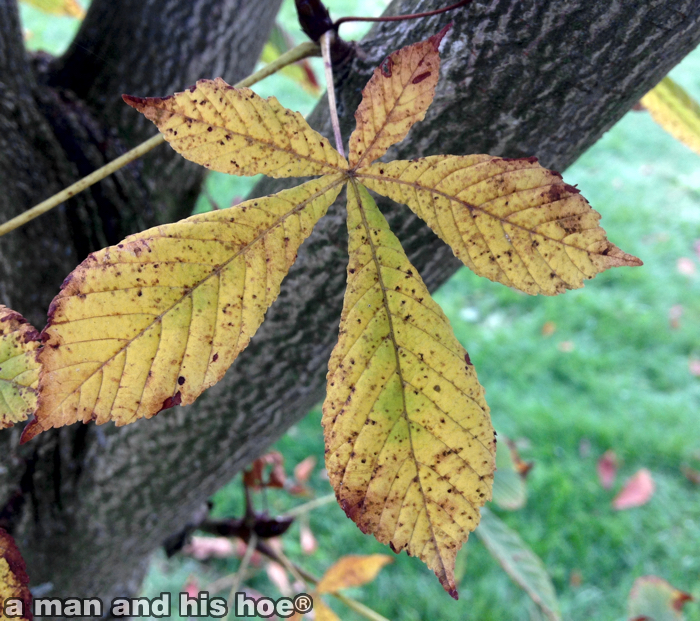
    The horse chestnut leaves are yellowing. They look like dancers in the gentle breeze.

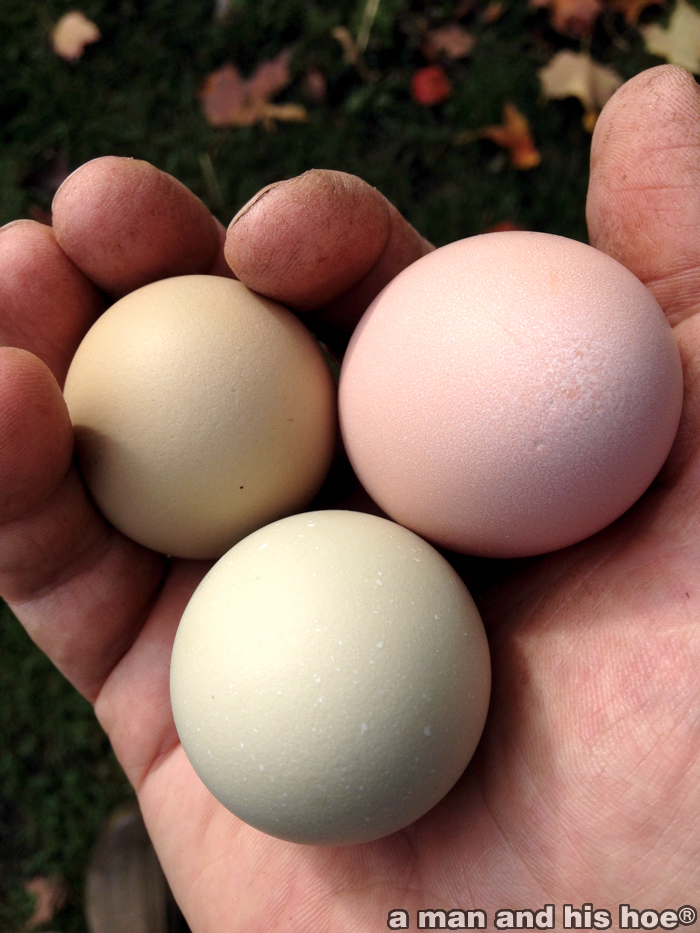
    It’s a morning for olive-green-pink eggs and ham. Why settle for white eggs when eggs come in so many colors?

    ThreeEggs

  • Drama by the Road

    ShakespeareA

    Why do you ride a bicycle? I get that question a lot. There are the obvious reasons like exercise and environment. I bicycle for those and other reasons, like being able to stop on a dime when I see something interesting. I also get to help people. They often stop and ask for directions. It’s tempting to direct them to places where they aren’t planning on going. I don’t, but it’s tempting. It wouldn’t be cruel. Life is more exciting when you’re lost and have no idea where you are, and you’re wondering why that old man on that bicycle sent you this way. Maybe he was a sign.

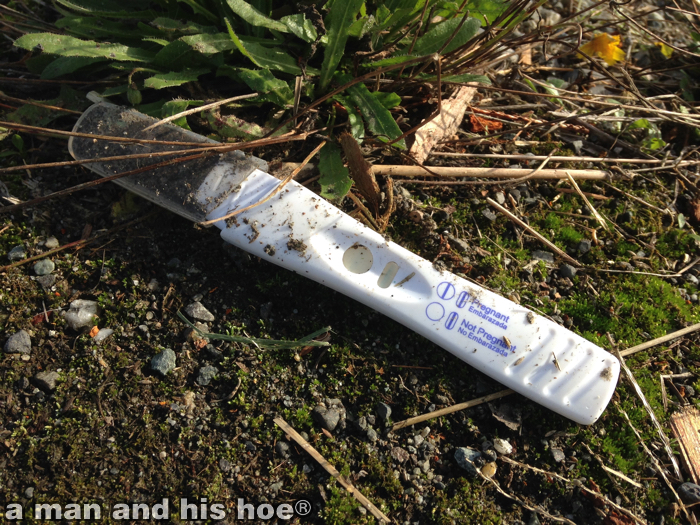
    But I also bicycle for the drama. A few days ago I came across a handful of pregnancy tests tossed on the side of the road. Who does that? Why would anyone toss used pregnancy tests out the window of a car?

    ShakespeareB

    Looking down at those pregnancy tests was like staring into a play by Shakespeare. I could see it, a frantic woman, distraught by the results of the test, flees her house, her husband in hot pursuit. Flying over the country road, she throws the pregnancy tests out the window when she sees her lover’s name pop up on her cell phone. Or a high school girl, needing to hide the results of the test, tosses them from the school bus on the way home. The possibilities are endless.

    Pedal your way along country roads and you see the fragments people discard of their lives as they drive on by. It’s like coming across snippets of Shakespeare lying on the grass.

    Compost

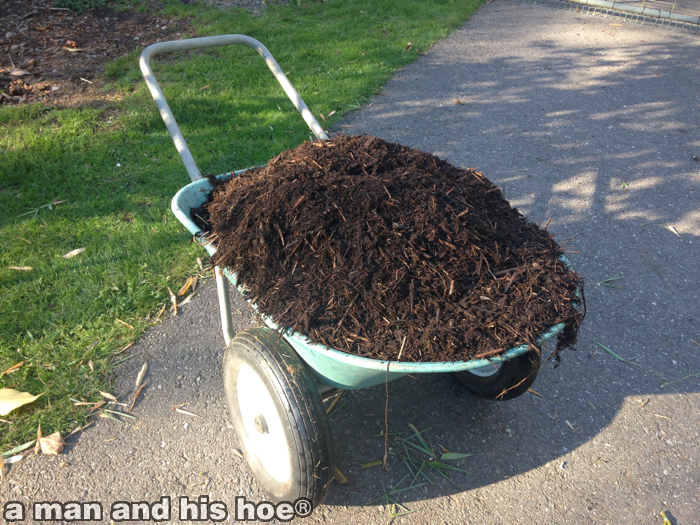
    There’s drama in a compost pile too. It had cooled down, and before I carried it off to the garden, I checked it under the microscope. I found billions of bacteria, protozoa, amoebae, hyphal fungi, and nematodes. Lots of nematodes. Watching nematodes is high drama. They slither through the bacteria and fungi, looking for food while being hunted by large, carnivorous nematodes. Nematodes are so numerous, it is estimated that by number, they represent 80% of all animals on the earth. That’s dramatic. This is good, vibrant compost, full of living organisms which plants need to grow.

    CabbageA

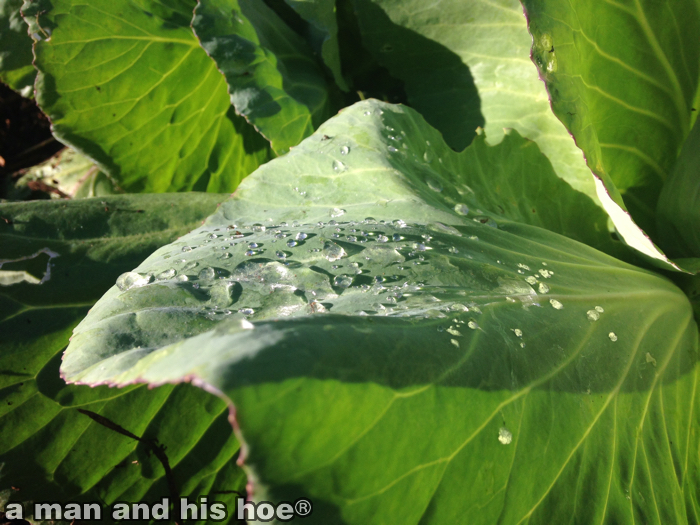
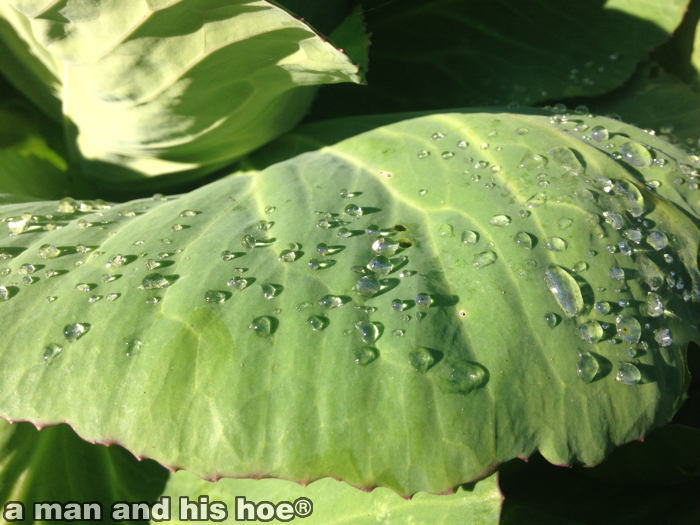
    Few vegetables are as dramatic as cabbage. They are the drama queens of the garden with bold, green, sweeping leaves. If you want dramatic plants that make a statement, grow cabbage.

    CabbageB
    CabbageC