Category: Reflections

  • On an Early Fall Day

    LuckyAndChicks140918A

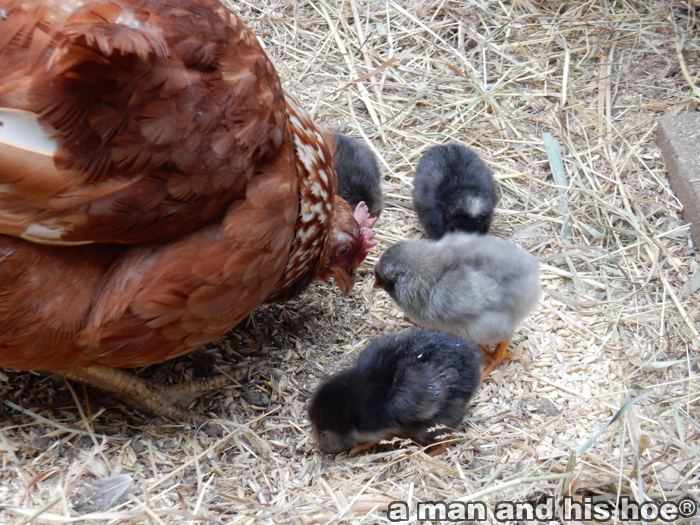
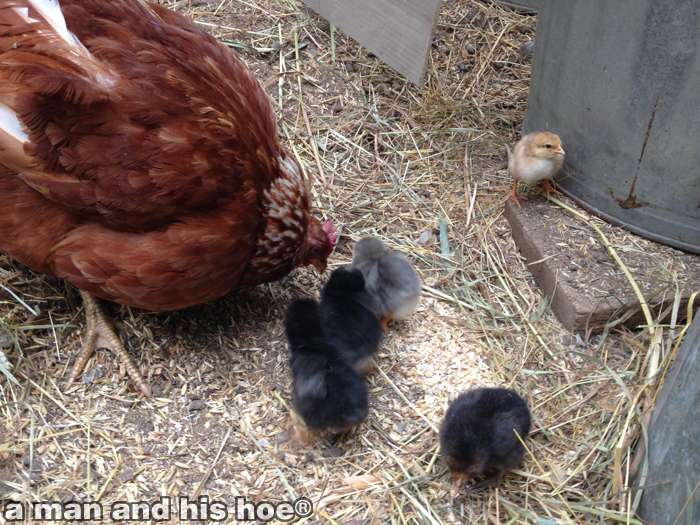
    It’s gradually becoming the cool, wet time of the year. For Lucky and her chicks, it means having a big breakfast before spending the day outdoors in the cool, drizzly weather.
    LuckyAndChicks140918B
    FallFlowers140918A

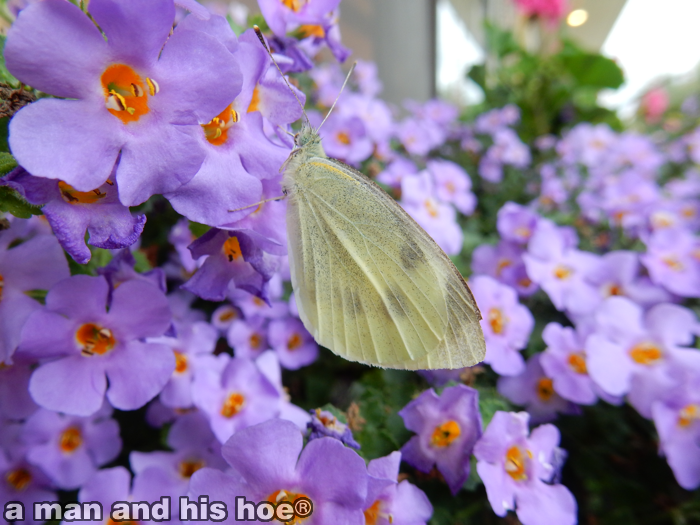
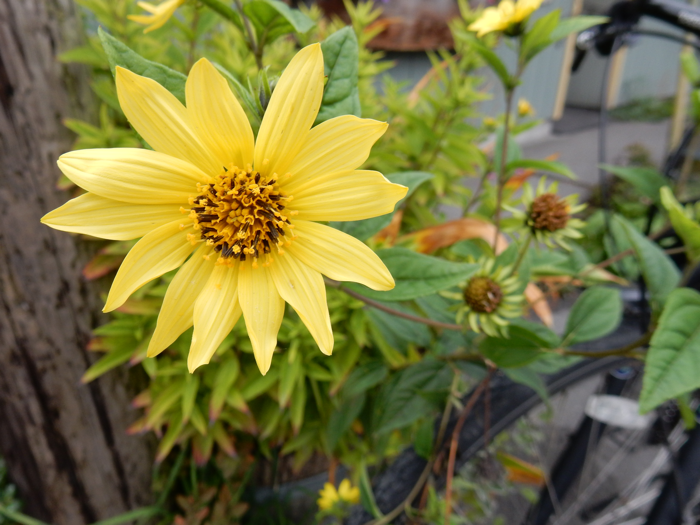
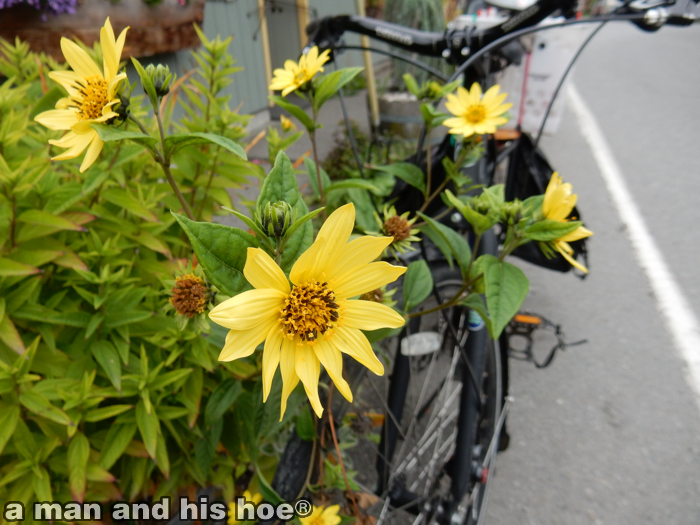
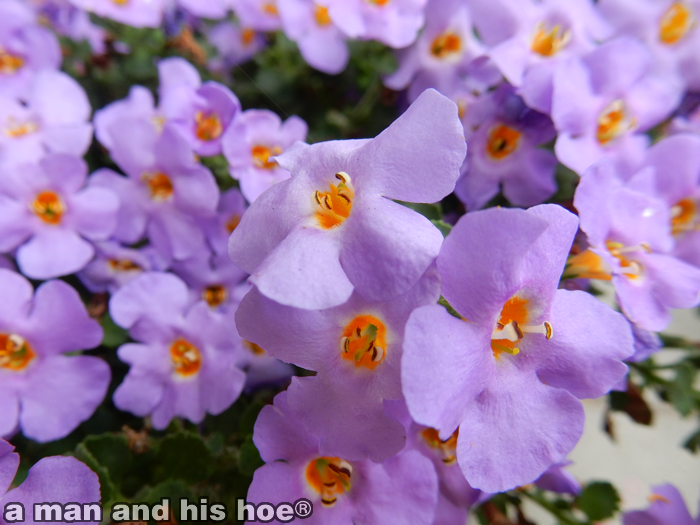
    In the village, the last flowers of summer are as beautiful as ever. The butterflies are enjoying the last sips of nectar. The beauty of the Pacific Northwest is that the seasons change gently and slowly, giving plenty of time to enjoy the transformations. Each day is just slightly different than the day before it.
    FallFlowers140918B
    FallFlowers140918C
    FallFlowers140918D
    FallLeaves140918A

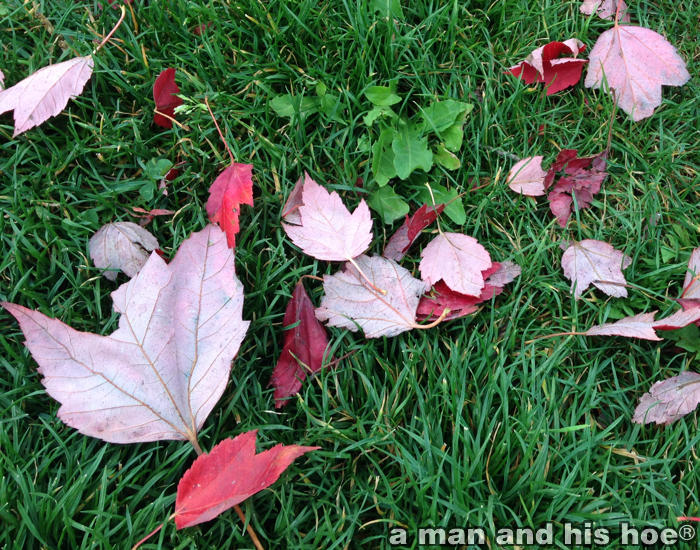
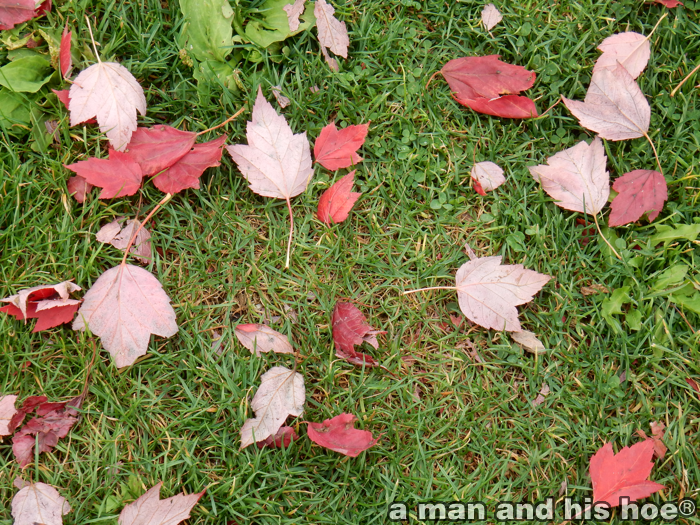
    The first fall leaves are dropping. Ahead of me are weeks and months of gathering leaves to compost and use in vegetable beds in the spring, summer, and next fall. They are much more satisfying to use than artificial fertilizer sold in plastic containers. Raking the leaves provides plenty of exercise. The earthy smell as they break down is enjoyable. The crumbly texture of composted leaves soothes my fingers. And as the leaves break down, they attract an infinite variety of bugs the chickens love to eat. The bugs eat the decaying leaves. The chickens eat the bugs. I eat the eggs of the chickens. In a way, when I crack open an egg and eat it, I am eating the autumn leaves. If I close my eyes, can I taste the autumn leaves in the eggs?
    FallLeaves140918B
    FallCows140918A

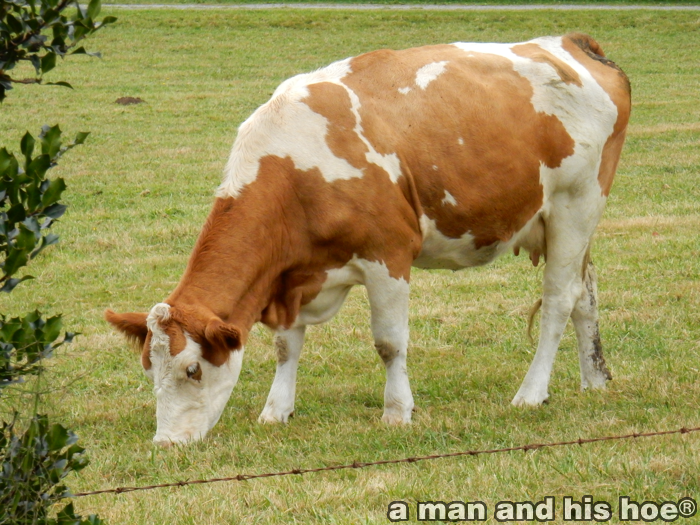
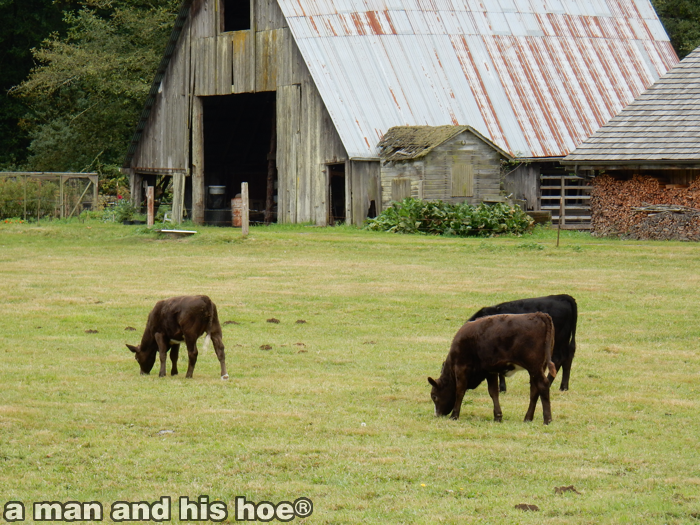
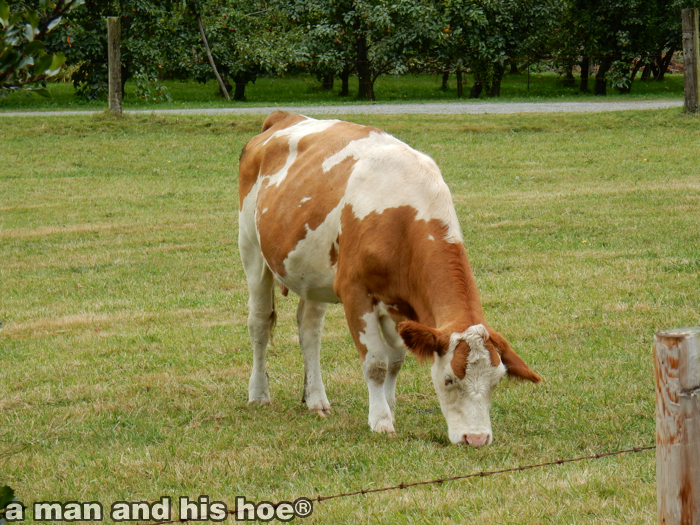
    On the way home from delivering eggs, there’s time to enjoy my favorite cows.
    FallCows140918B
    FallCows140918C

  • Who Goes There?

    WhoGoesThereA

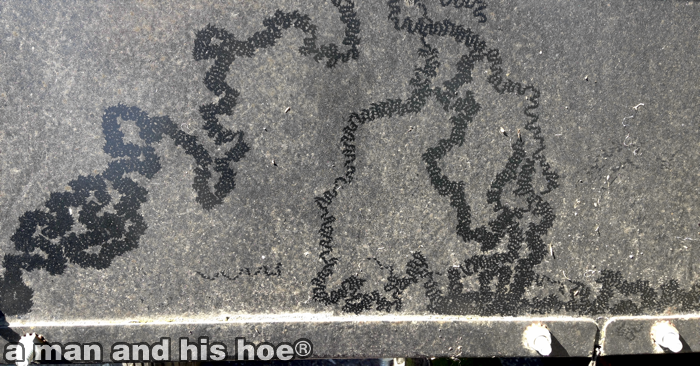
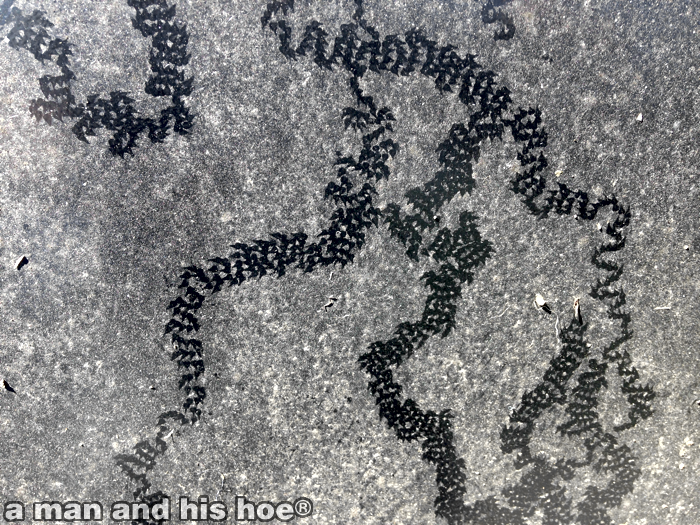
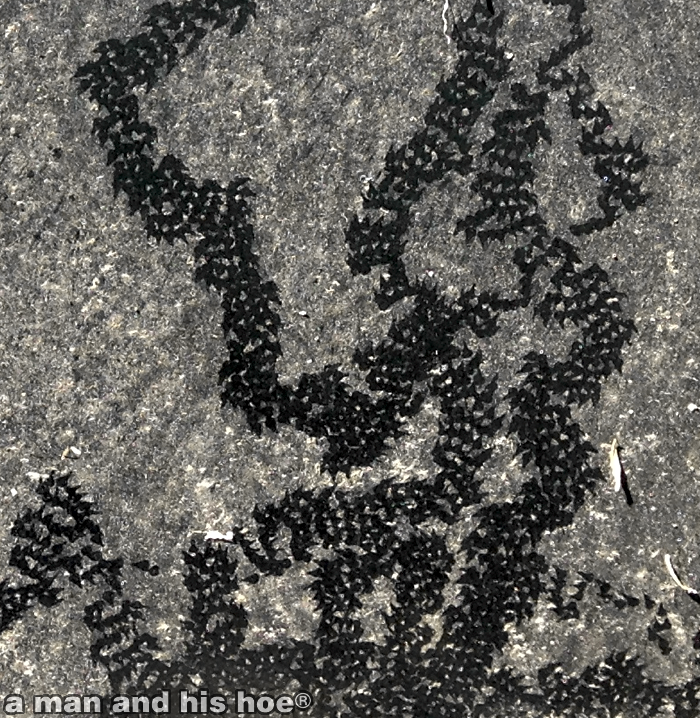
    I went to get the trailer to haul some fence posts and found on the end of the trailer, the intricate, winding footprint of what I’m guessing was a slug. It looks like a satellite view of a rocky desert landscape with rivers and streams meandering over it.

    How long did it take that slug to draw the intricate pattern? What was it looking for and did it find it? There are so many fascinating, marvelous, mysterious things all around us. You don’t even need to go looking for them. Just step outside and keep your eyes and ears open.

    WhoGoesThereB
    WhoGoesThereC

  • Animal Love

    AnimalLove

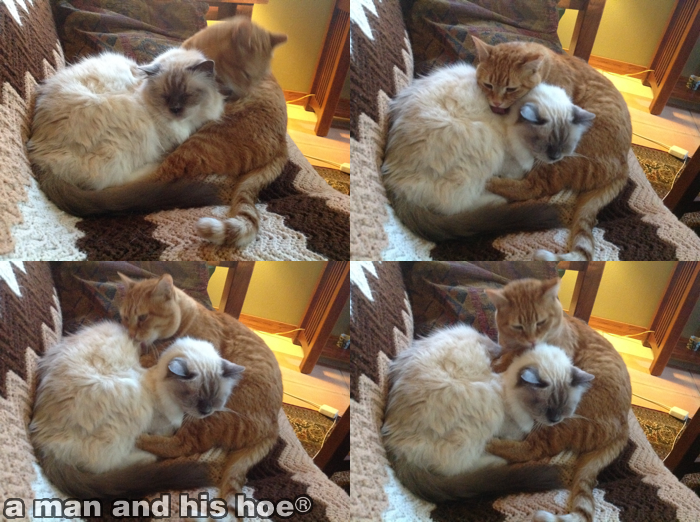
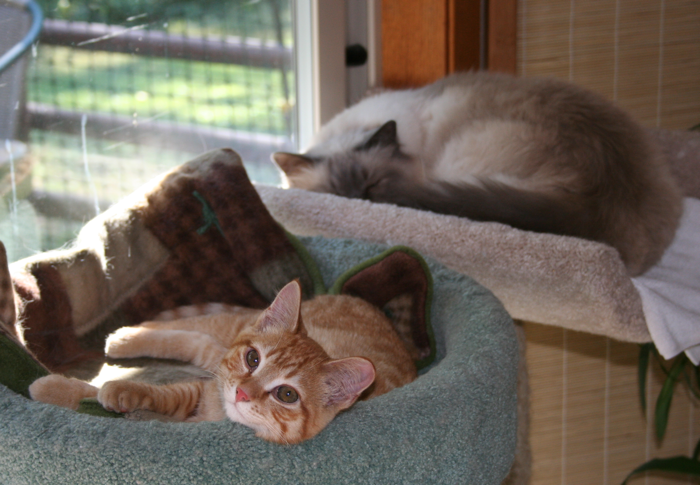
    These are Woody (the white cat, 15 years old) and Rusty (the orange cat, 9 years old). Nine summers ago, Woody lost his sister, Winnie. She died suddenly from cardiomyopathy. He was so depressed afterwards that it was clear he needed another cat to be with. We brought little Rusty home from The N.O.A.H. Center for him. Rusty was a feral kitten who was rescued by the center. It took just a few days for Woody and Rusty to become best of friends. Below are some pictures from 2005 soon after we brought Rusty home.

    RustyA
    RustyB

    Love and companionship is a basic need of many animals, not just people. It’s impossible to farm without love. It’s like a fundamental nutrient which plants and animals won’t thrive without.

  • Planning Ahead 400~500 Years

    When it comes to vegetable farming, success requires planning. To have lettuce or cabbage or cucumbers ready for sale on a given date, you need to plant them two, three, four months in advance in sufficient quantities.

    There is also longer term planning. Each year you need to rotate your vegetable beds so that you don’t plant the same thing in the same bed. Some vegetables need more rotation time than others, so you need to think two, three, four, even five years in advance where you are going to plant what.

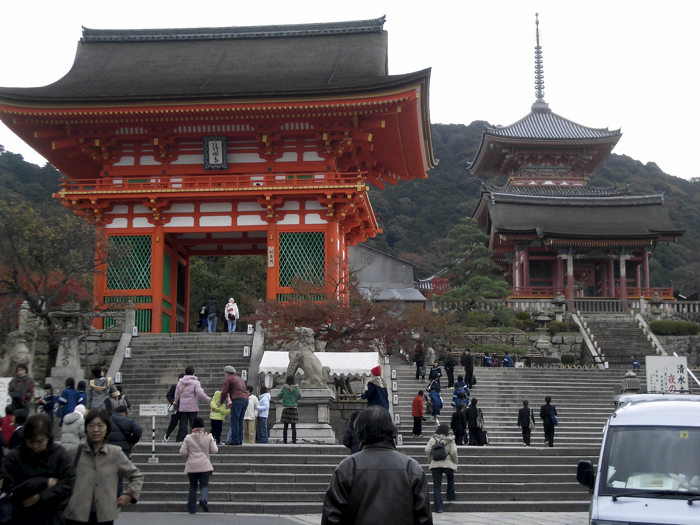
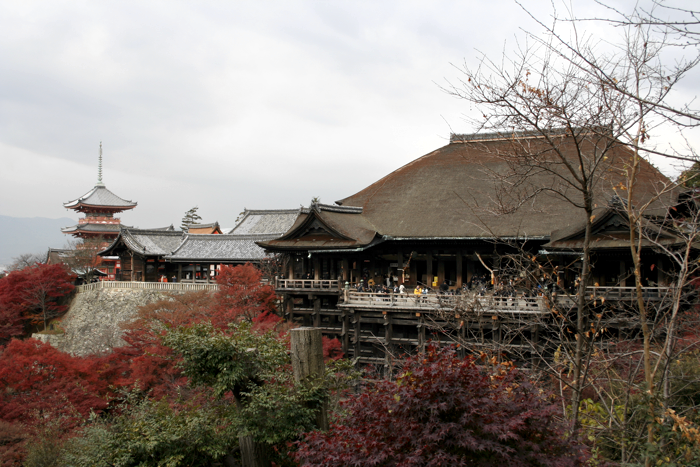
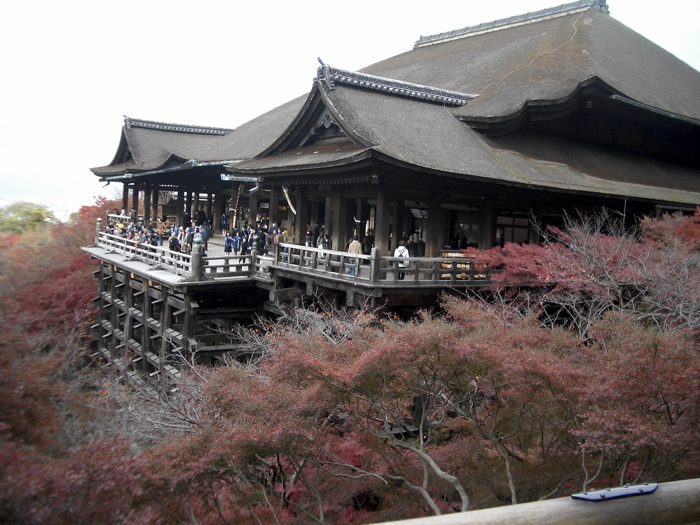
    However, most vegetable farmers aren’t thinking about what their vegetable plots or farming needs are going to be 400 years from now. But those who look after Kiyomizu-dera (clear water or pure water temple) in Kyoto, are planning what the temple will need 400 to 500 years from now.

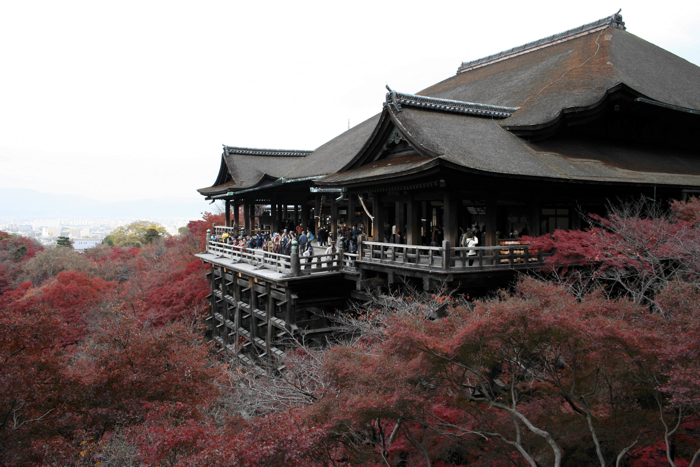
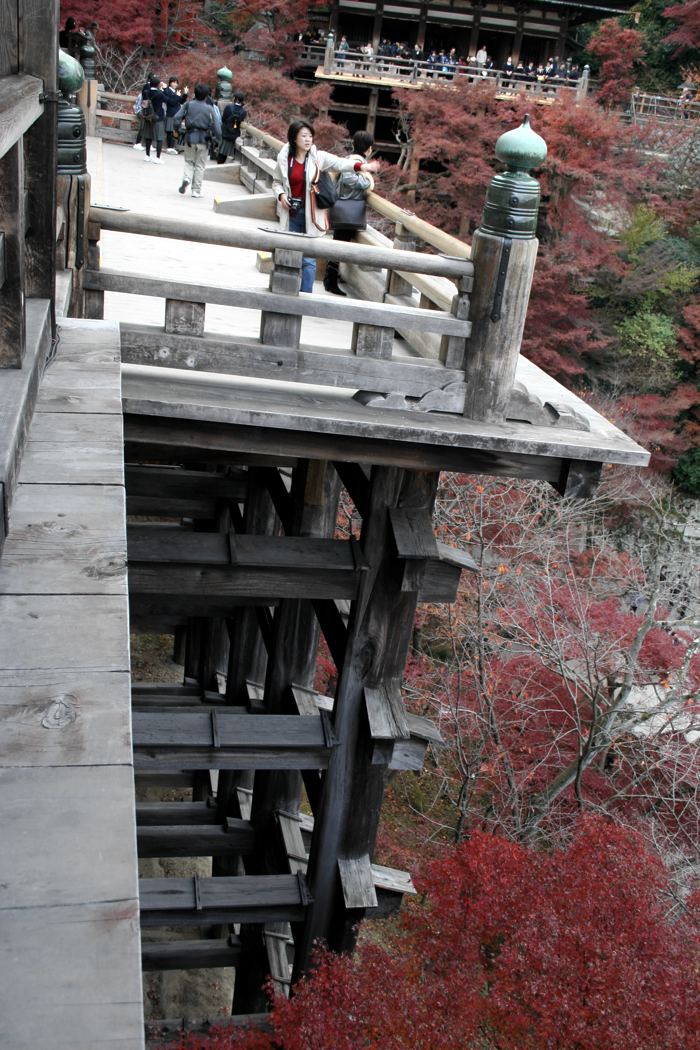
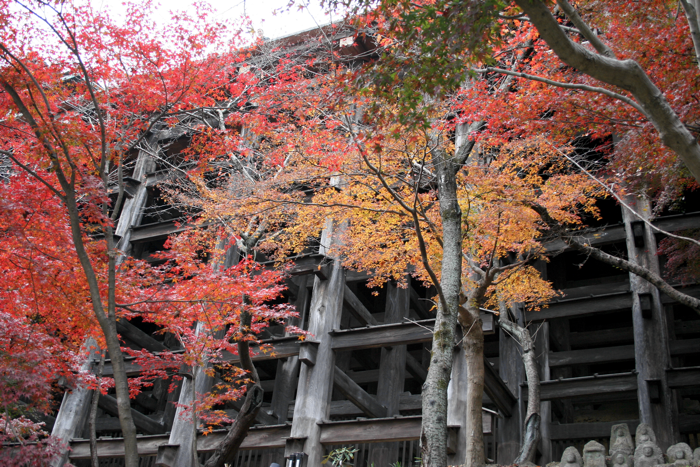
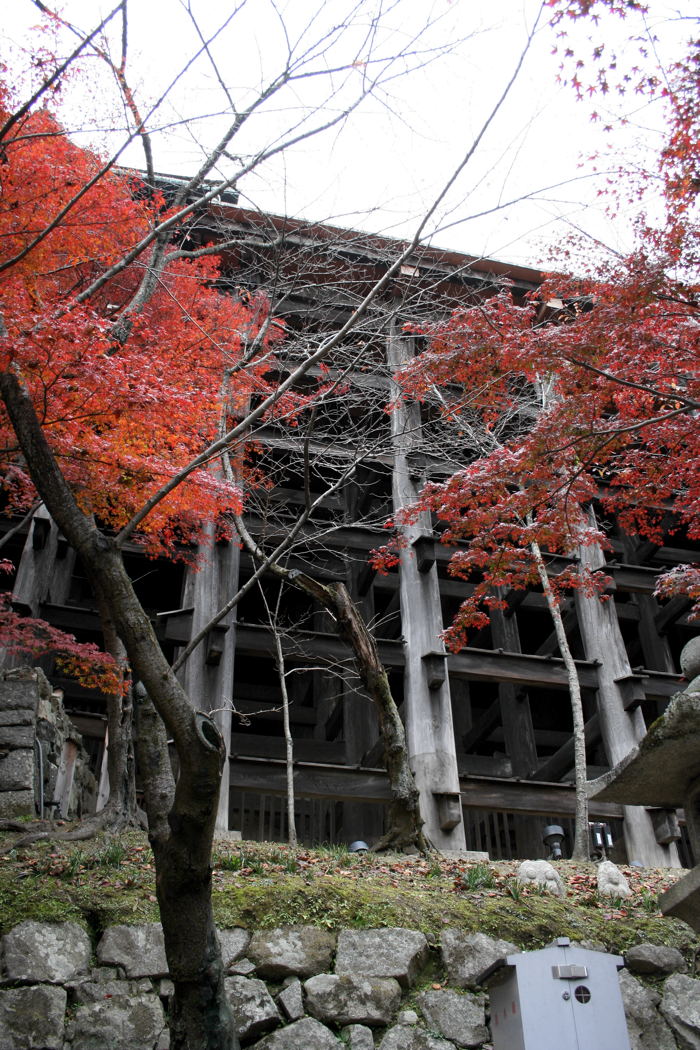
    The temple was founded in 798 and in 1629 there was a great fire which destroyed the temple. It was rebuilt soon after. The current temple was constructed in 1633. The main part of the temple is built on the side of the hill and as you can see in the photos below, it is supported by numerous tall pillars made from massive zelkova trees, felled when they were hundreds of years old.

    KiyomizuderaEntrance
    KiyomizuderaA
    KiyomizuderaB
    KiyomizuderaC
    KiyomizuderaD
    KiyomizuderaFoundationA
    KiyomizuderaFoundationB

    The temple is in the midst of a grand restoration project. During the restoration process, sections of the temple are painstakingly taken apart, the wood examined to see which sections need to be replaced, and which sections can still be used. When the restoration project is completed, the pillars supporting the temple should last hundreds of years more. However, at some point, the pillars will need to be replaced.

    There are 139 zelkova tree pillars in the temple. To replace them requires trees that are 400 to 500 years old, but finding such old lumber these days is difficult. So to make sure there are plenty of 400 to 500 year old zelkova trees in the future, according to an interview in 2006 with then head Buddhist priest of the temple, Seihan Mori, the temple has planted groves of zelkova trees on its own land. Mr. Mori said, “By the time the trees have grown 400 years, we will all be dead. However, we want to die, knowing that we have made sure there will be trees for the temple in the future.” Now that is planning ahead.

    How are we living so that 400 to 500 years from now, our great-great-great-great-great-great-great-great-great-great-great-great-great-great-great-great-great-great-great-great-great-great-great-great-great grandchildren will have a world as beautiful as the one we live in now? Much of what we do, seems hell-bent on making sure nothing is left in a few decades.

    KiyomizuderaForestA
    KiyomizuderaForestB

  • Feather Art

    FeatherArt2

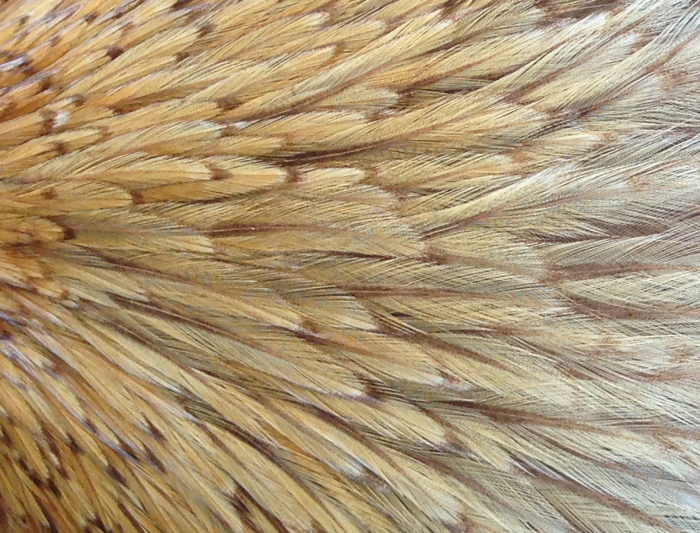
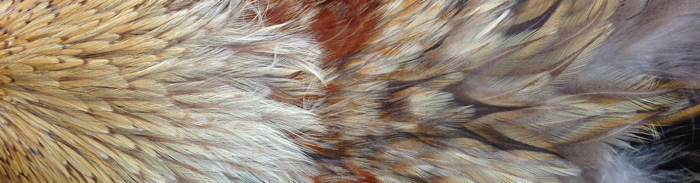
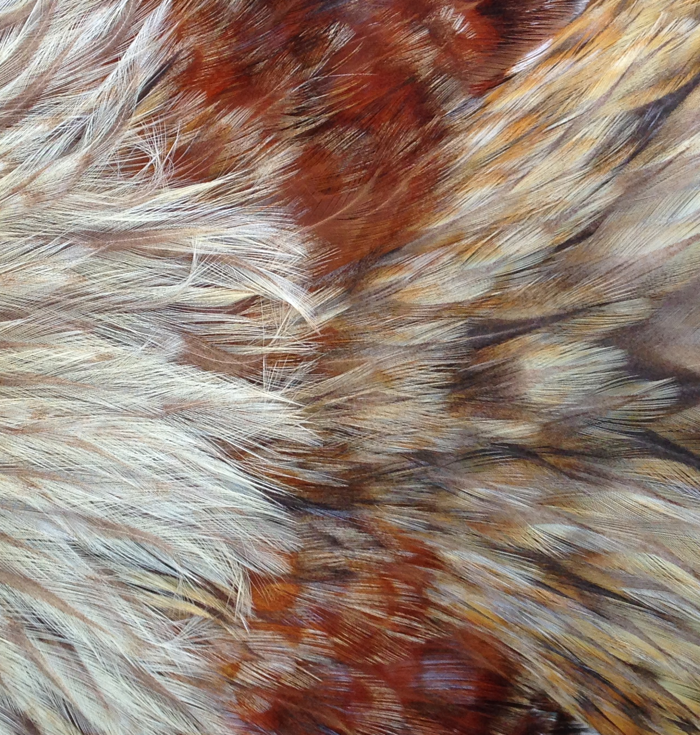
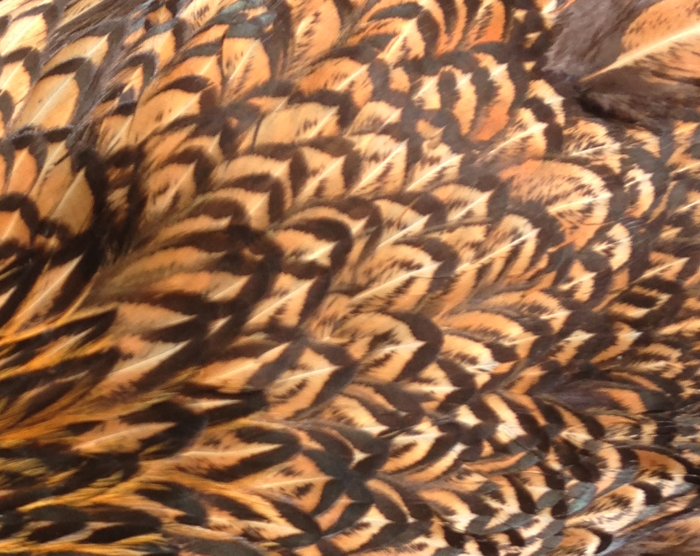
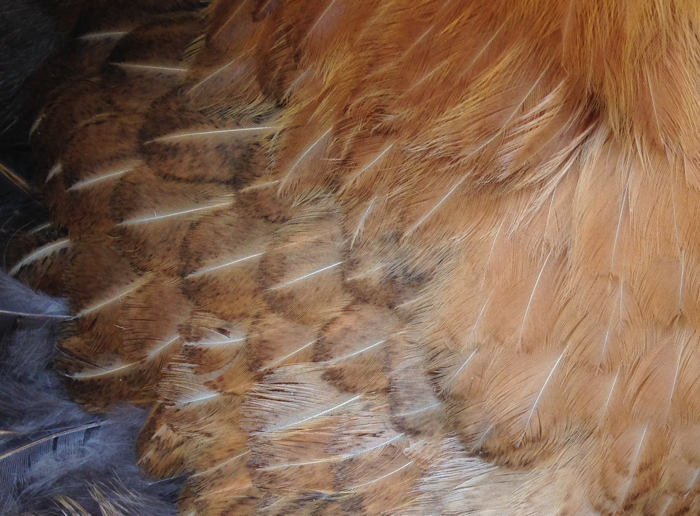
    Chickens come in an endless varieties of colors and patterns. Your image of a chicken might be that of a plain white or reddish brown bird, but they come in a kaleidoscope of brilliant colors and amazing patterns. These feathers are the back of a Sven, a Swedish Flower Chicken rooster.

    FeatherArt1
    FeatherArt3

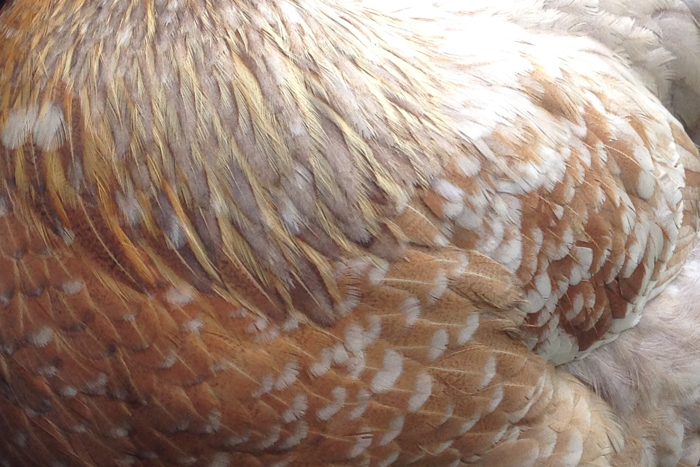
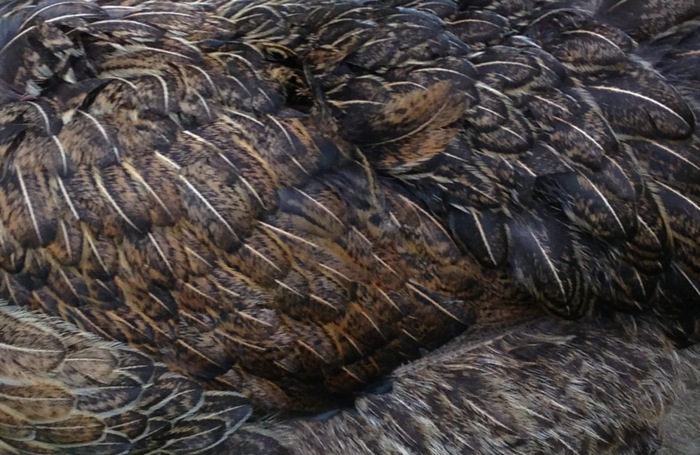
    And the colors and patterns from some of the other chickens. If you need inspiration for a design, look at some chickens.

    FeatherArt4
    FeatherArt7
    FeatherArt6
    FeatherArt5