Category: Reflections

  • On a Rainy Day

    RainyDay141011A

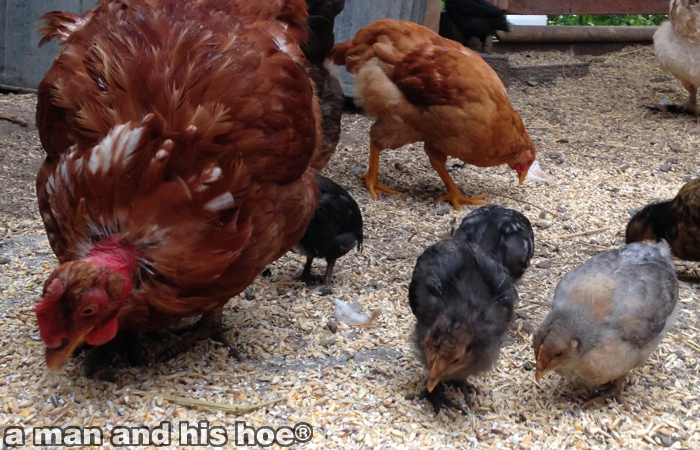
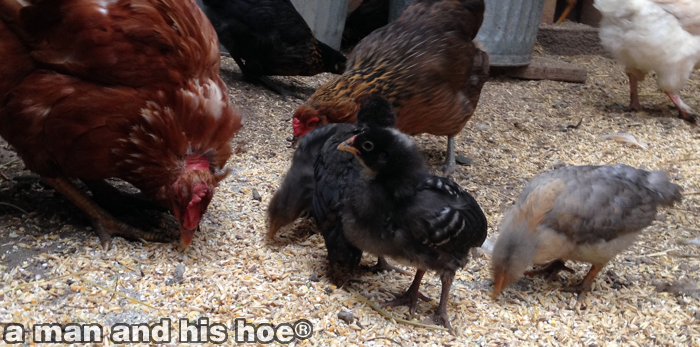
    We woke up to steady rains. The long, cool, rainy season has begun. On a cool, wet morning, Lucky takes her chicks into the protected chicken yard for some breakfast. Watching the devotion a mother hen has for her chicks is inspiring. Until the chicks are big enough to be on their own, she will watch over them continuously. Where does this love and devotion come from? It is instinctual as hens raised without a mother, and having no training on how to raise a brood, can make excellent mothers. How does such complex behavior get passed through DNA and then expressed? How does a hen know to sit 21 or more days on her eggs to make them hatch? How does she know how to talk to them, how are the chicks able to understand her words? I’ve yet to find a scientific article that explains how such complex behavior gets passed down from generation to generation.

    Having done a fair amount of programming in the past, I’m inclined to imagine that there are sequences of DNA where these instructions are encoded. But biology is infinitely more complex than software. It’s no doubt much more complicated than that.
    RainyDay141011B
    RainyDay141011C

    It’s just a matter of time before the most momentous event of the year happens – the arrival of the swans. We divide the year into four seasons, spring, summer, fall, and winter. But actually, the year in this valley can be divided into two main seasons. The season when the swans are here, and the season when they are gone. While the swans are here, it is cool and wet. When the swans are gone, it is warm and dry. Around November 1, they will start flying in by the thousands from their summer grounds in Alaska and Siberia.

    It makes you wonder which they prefer. Would they rather spend the year in the treeless tundra? Or do they prefer this forested land?

    When they waddle through the fields rooting for food, they look like herds of sheep. When they fly above, sometimes so close you can almost jump and touch them, they take your breath away.

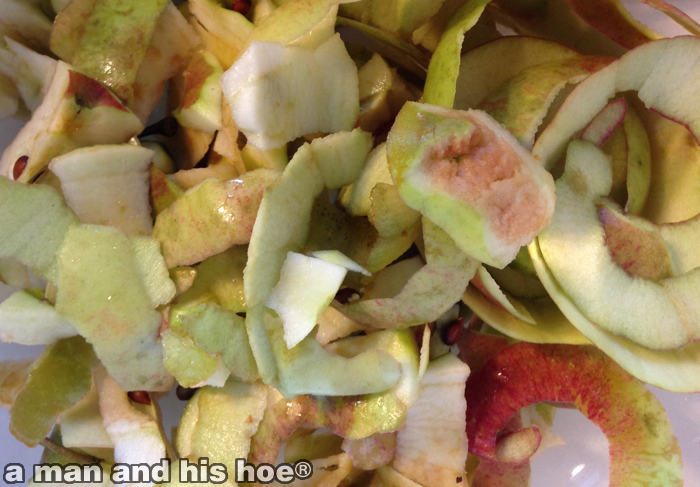
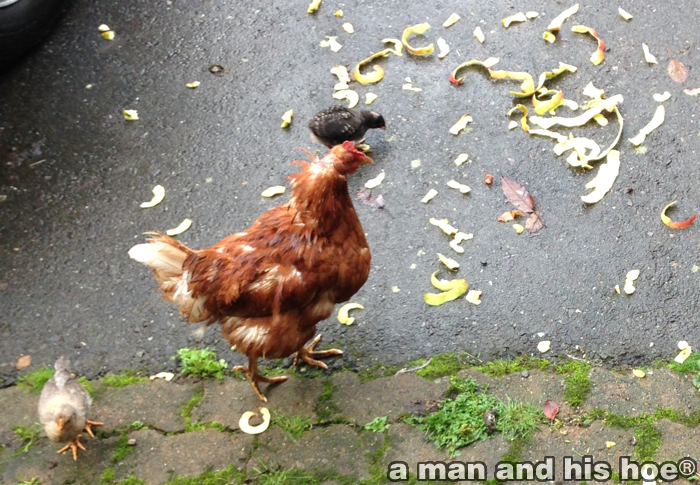
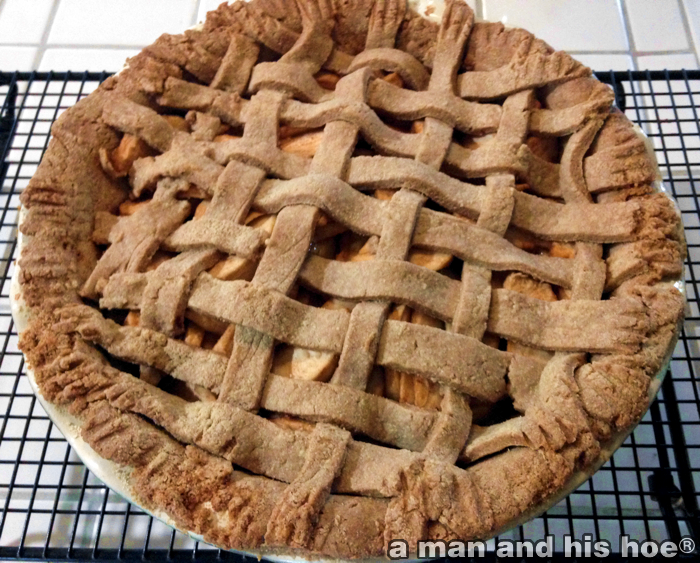
    In the meantime, while I wait for the swans to fly in from the ocean, a cool, rainy day is a good day to bake a pie. Peeling and cutting apple, I end up with a bowlful of peels and trimmings. Everything that doesn’t end up in the pie is something the chickens relish. As soon as I toss the apple peelings and trimmings outdoors, Lucky and her chicks are having their desert. Ours comes out of the oven about an hour later.
    RainyDay141011D
    RainyDay141011E

  • Surprises in the Forest

    BarkTrail1

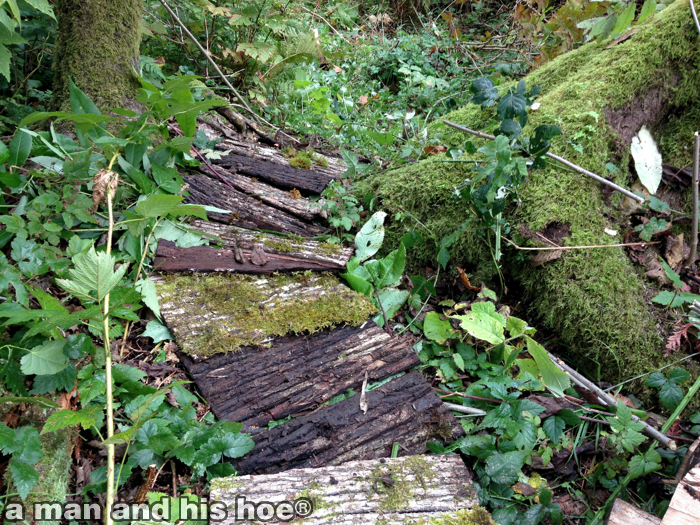
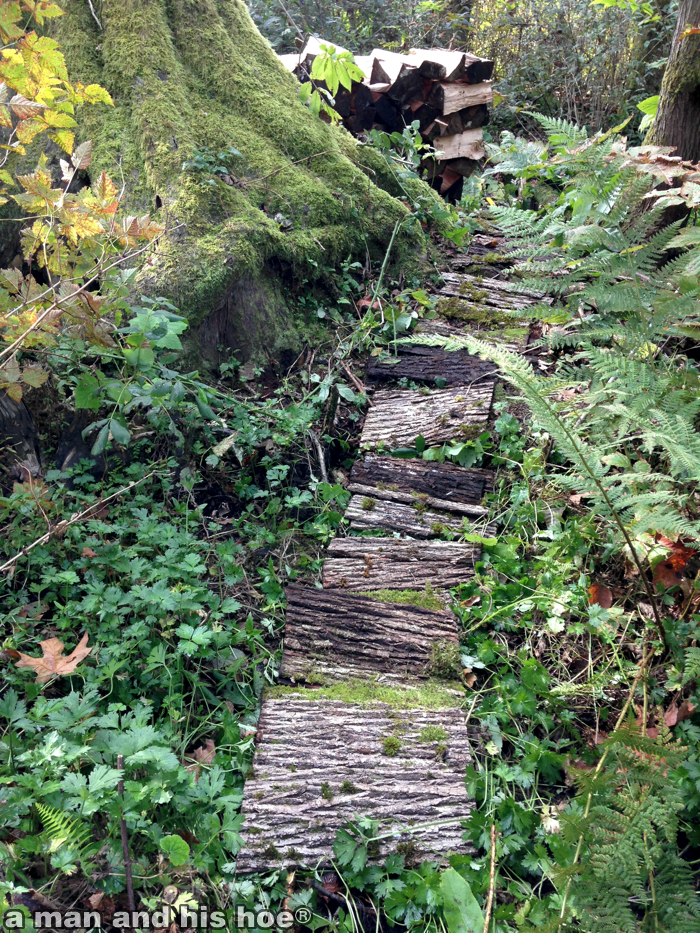
    Making a trail in the woods using the bark of a tree wasn’t something I planned to do today. I was out in the woods chopping firewood. It was time to cut up a Maple log we had felled some time ago and left to dry. But as I was chopping it up, the bark peeled off in nice pieces, and they worked very well to line a trail.

    BarkTrail2
    MushroomsA

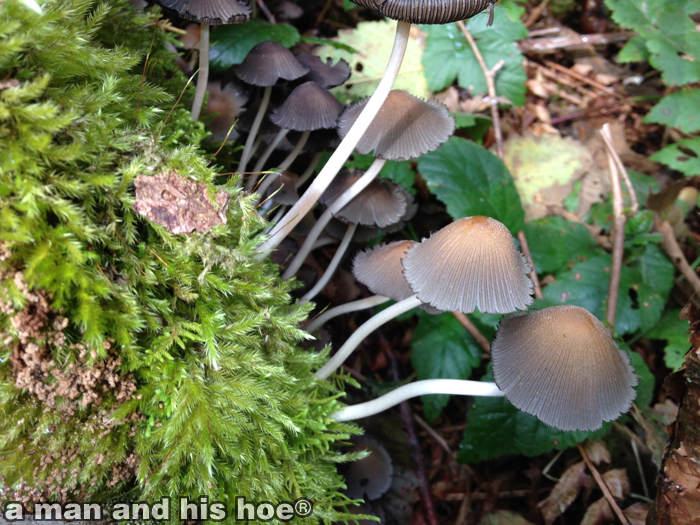
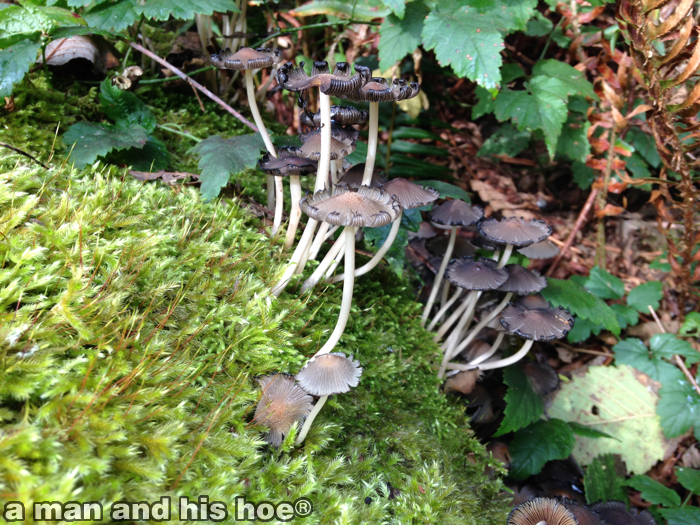
    Finding a delightful group of mushrooms was another forest surprise.

    MushroomsB

  • Soon?

    SomethingWonderful

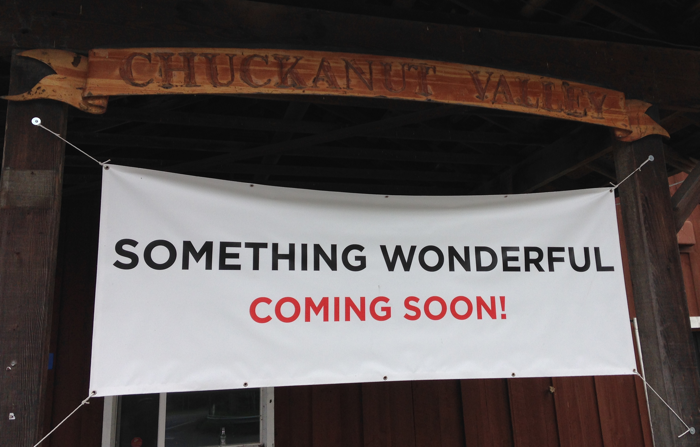
    I’ve bicycled past this sign near the post office all summer. Now it’s fall. What I’ve heard is that it will be a beer and pizza joint. The building has a long history, having been a diner, a grocery store, a pizza place, and a restaurant. What will it be next?

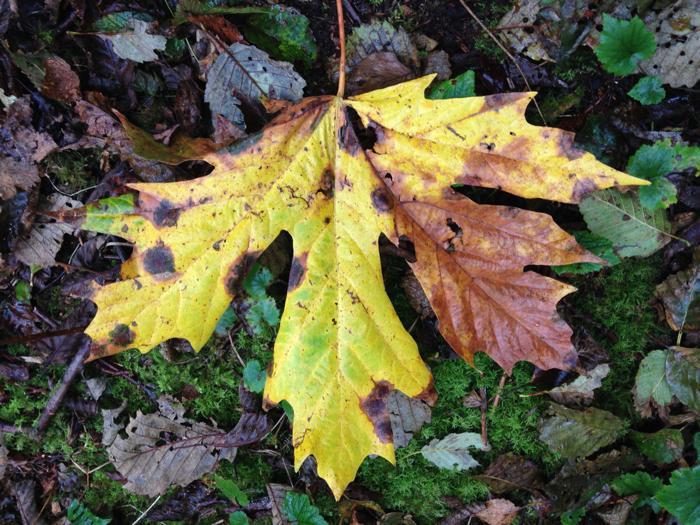
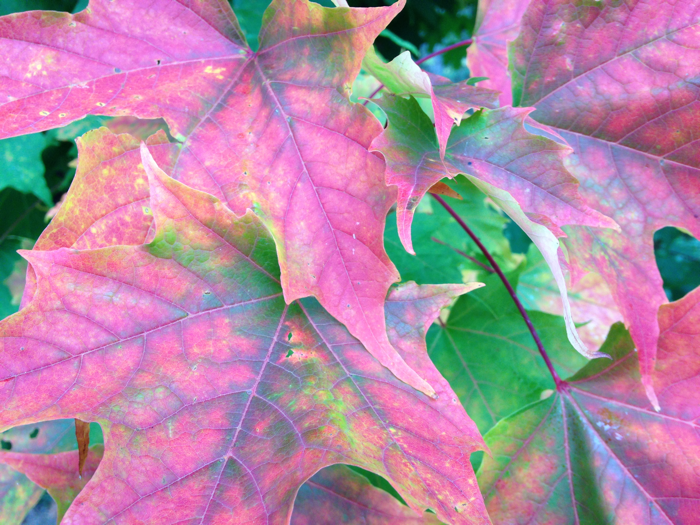
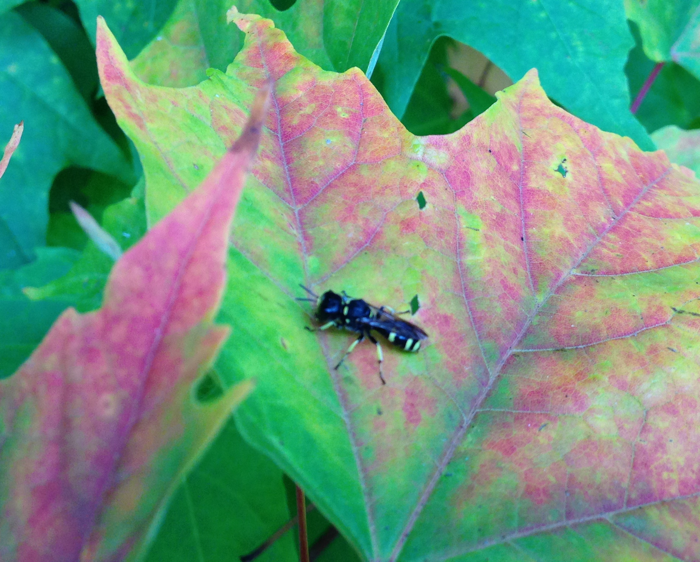
    While we wait, it’s fall, a season of brilliant colors. What if we would all die like autumn leaves, going to our graves in brilliant color, getting more flamboyant the older we get?

    Fall20141007A
    Fall20141007B
    Fall20141007C
    Fall20141007D

  • The Last Dahlia

    LastDahlia2014

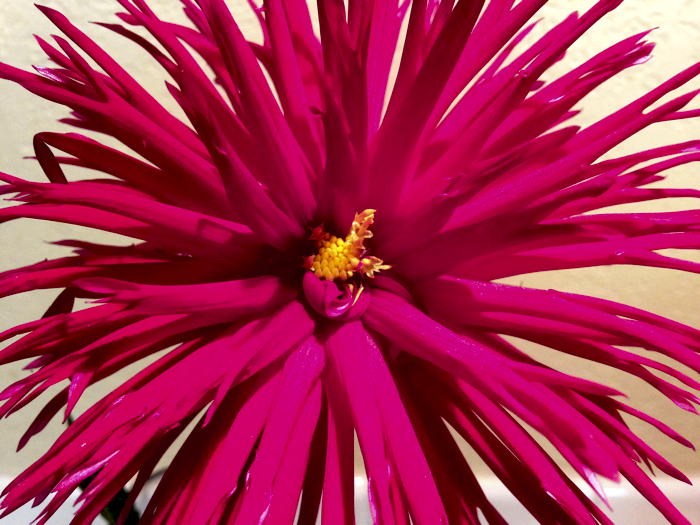
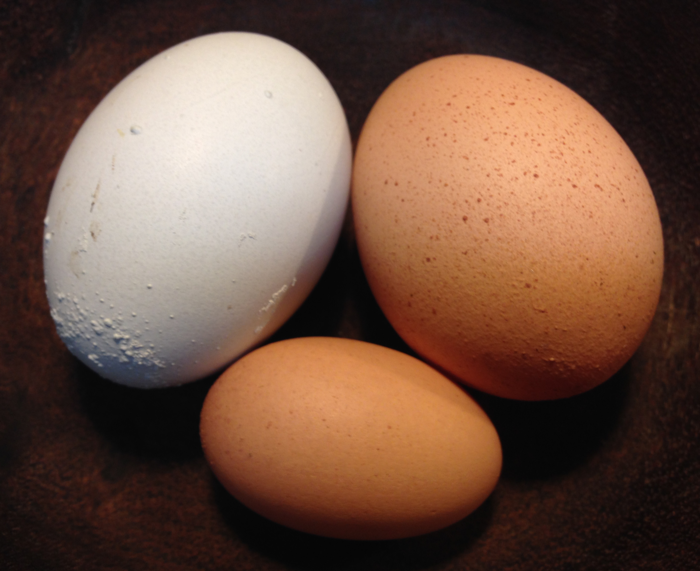
    I picked the last Dahlia out of the garden today. The last of the summer flowers. And this afternoon, I found the first egg of a young hen. Every day is the last of something and the first of something else.

    FirstEgg

  • Book Review – The Edge of the Sky by Roberto Trotta

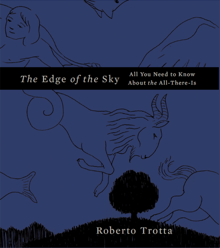
    EdgeOfTheSkyCoverSmallIn The Edge of the Sky, astrophysicist Roberto Trotta, explains the origin of the universe using only the most 1,000 common words in English. His idea is to explain difficult concepts as simply as possible.

    It’s an interesting book, and the simple explanations of the universe’s origin are fairly easy to follow, but since Mr. Trotta is using only the most 1,000 common words, he can’t use words like universe, planet, and galaxy because those words aren’t among the most 1,000 common English words. Even “thousand” isn’t among them. So how do you describe the origin of the universe when you can’t even use the word “universe”?

    Mr. Trotta uses the phrase “All there is” in place of “universe”, “crazy star” for “planet”, “star-crowd” for “galaxy”, and “big-seer” for “telescope”.

    You can get a feel for what writing, reduced to using only the simplest of words, reads like by reading a few excerpts from his book:

    My college is in one of the most busy and beautiful cities in the world, which has a water road running through it and guards in red jackets and black head-covers. The head of state is a dear old lady who comes from a line that once had great power, and people in the street wave when they see her at her window.

    We haven’t found Crazy Stars like our Home-World yet, but it’s only a question of time. Every day, student-people come up with new, better ways of looking for even smaller Crazy Stars, and soon they will find one that could have water and trees and animals and perhaps even people living on it.

    At the time when many young people were growing long hair and asking for a better world without fights, a student-person called Doctor Rubin was the first woman to be allowed to use a Big-Seer.

    So does Mr. Trotta succeed in explaining difficult concepts with simple language? At times, his writing becomes so stilted because he can’t use words like hydrogen and electrons, that I found myself trying to figure out what he was describing. Nevertheless, I enjoyed reading Roberto Trotta’s The Edge of the Sky.