Category: Reflections

  • Summer Heat

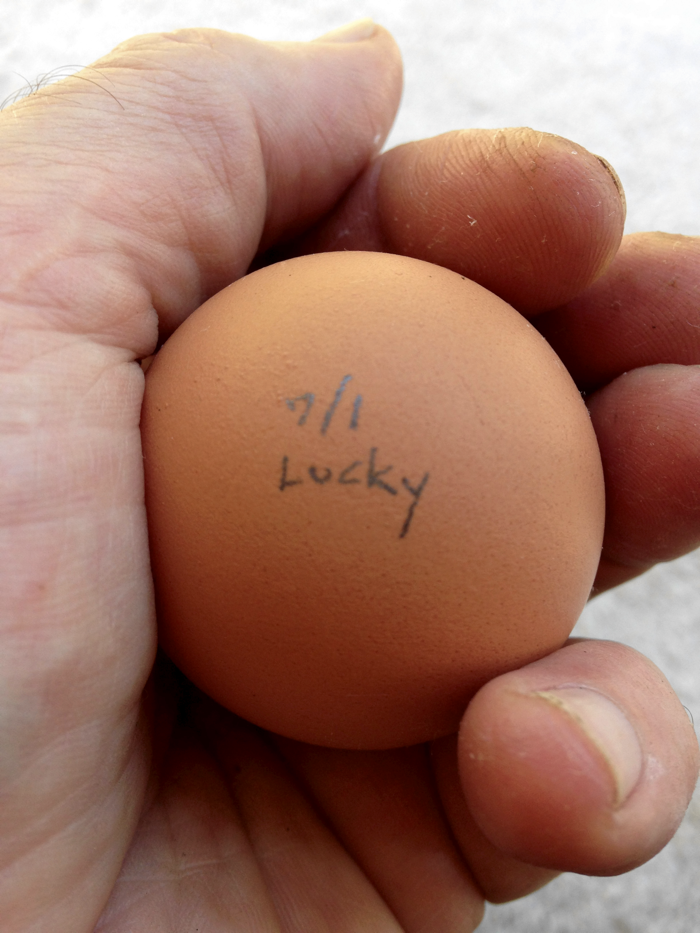
    It’s a new month and the first egg of the month is from Lucky. That’s a good way to begin a month.

    20140701-A-FirstEgg

    July starts with a heat wave. It’s almost three in the afternoon and it is 78ºF – 25.5ºC, the hottest day so far this year. It will be even hotter before it starts to cool down. This may be our first day over 80ºF – almost 27ºC. For many readers this probably makes you laugh. Some of you live in places where it doesn’t get that cold at night. Growing up, I didn’t feel like it was a summer day unless it got over 30ºC – 86ºF.

    20140701-B-YoungChickens
    20140701-C-Cherries

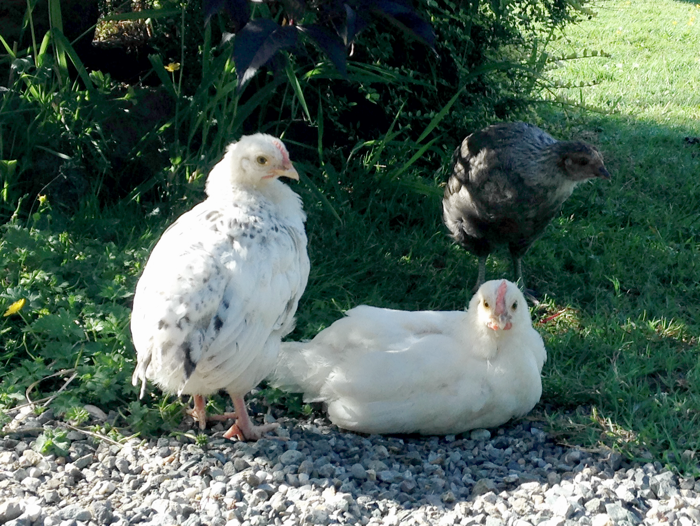
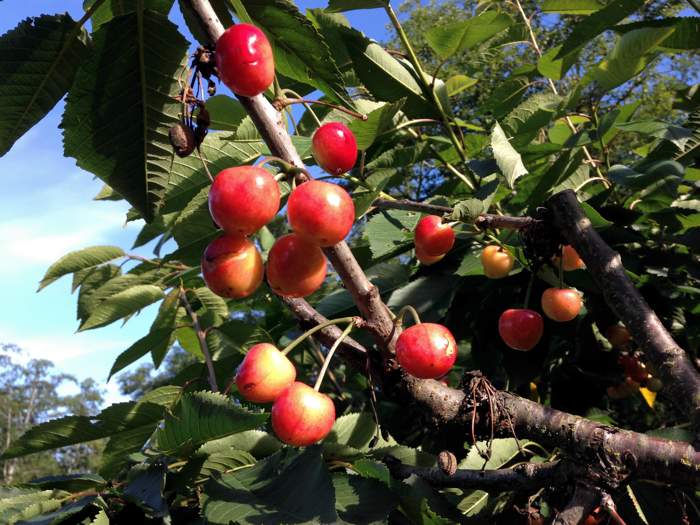
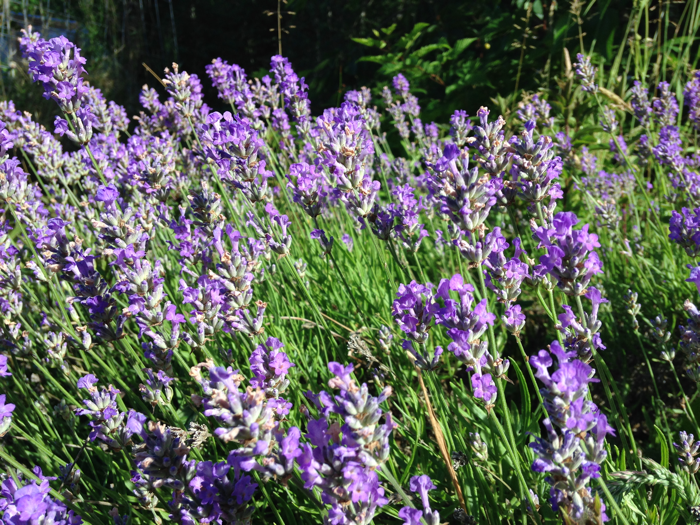
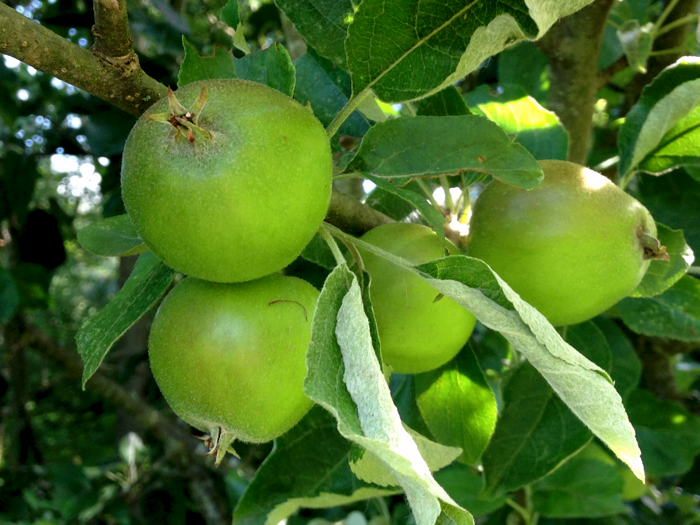
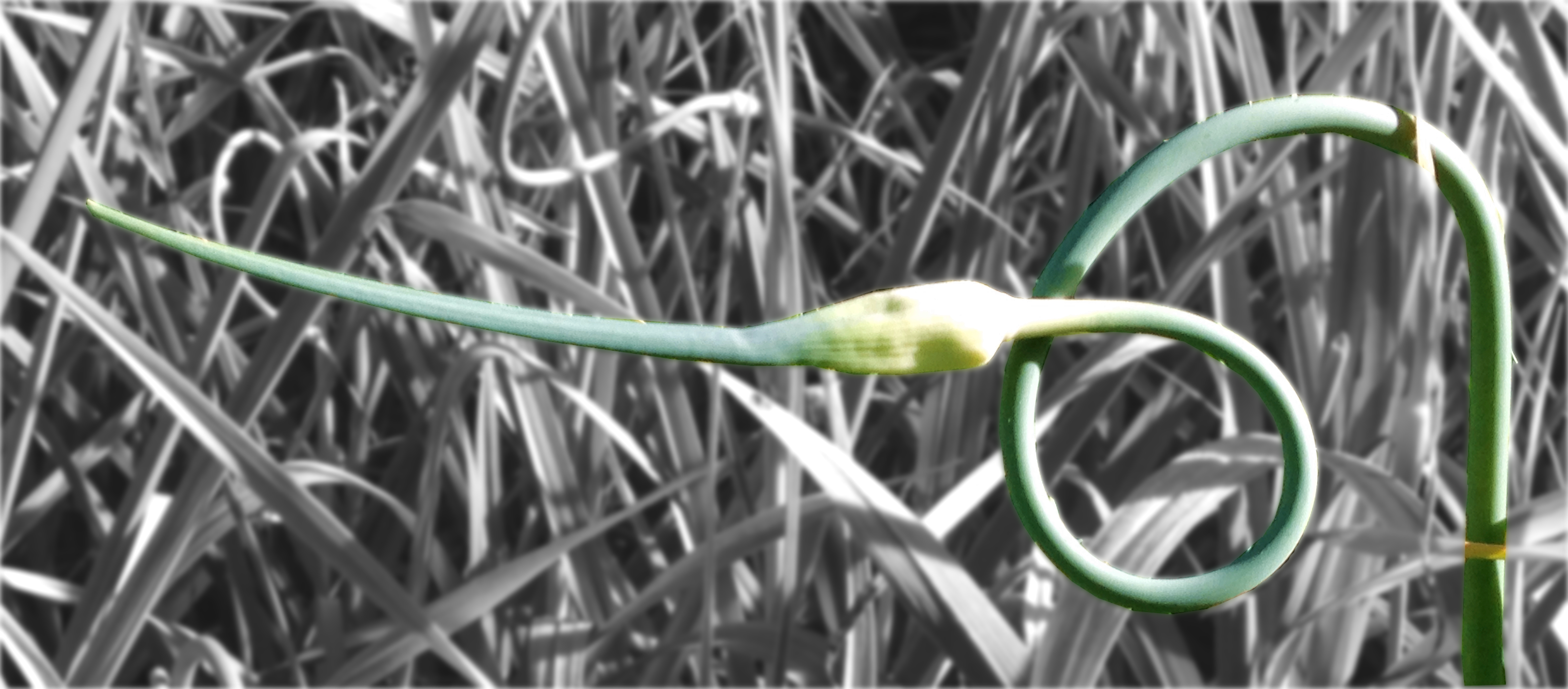
    The chickens are in the shade, the cherries are ripening fast, the lavender is in full bloom, the apples are growing, and the garlic is being whimsical. What more could I want?

    20140701-D-Lavender
    20140701-E-Apples
    20140701-G-GarlicScape

  • Summer Morning

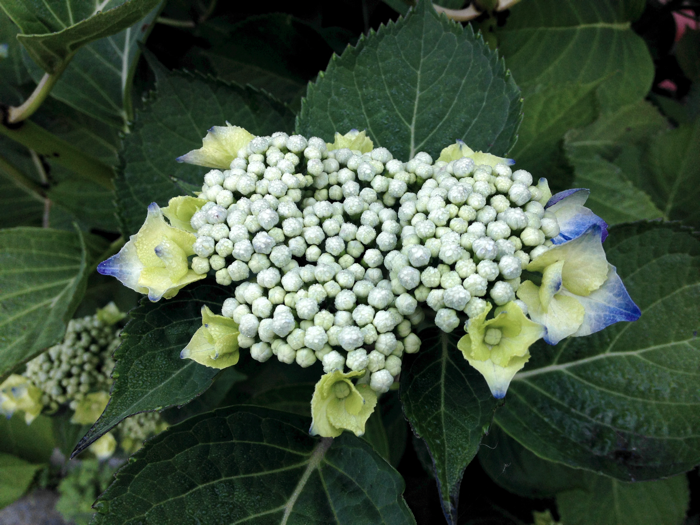
    This last day of June, the hydrangea are starting to bloom. In Japan, hydrangea bloom during the rainy season in June and July. Growing up I associated their flowers with rain and snails. When I close my eyes and think of hydrangeas, they are always wet with drops of fresh rain water dripping off them. Here, hydrangea bloom during the dry season from July through August. They are rarely wet and in this land of no snails, you never see a snail sliding across a wet hydrangea leaf.

    Hydrangea140630

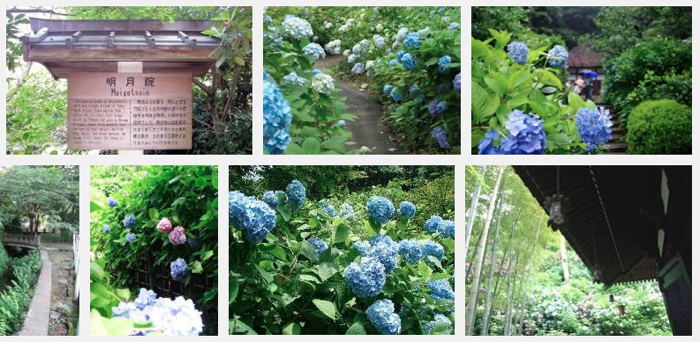
    South of Tokyo in Kamakura you’ll find Meigetsu-in, a Zen temple founded in 1383 also known as the Hydrangea Temple 紫陽花寺 because of its many hydrangeas. There are some 2,500 hydrangea on the temple grounds with 80 to 90 percent of them an old variety known as Princess Hydrangea. On busy days when the hydrangea are in bloom, the line of visitors waiting to get into the temple grounds can stretch for a third of a mile.

    MeiGetsuIn

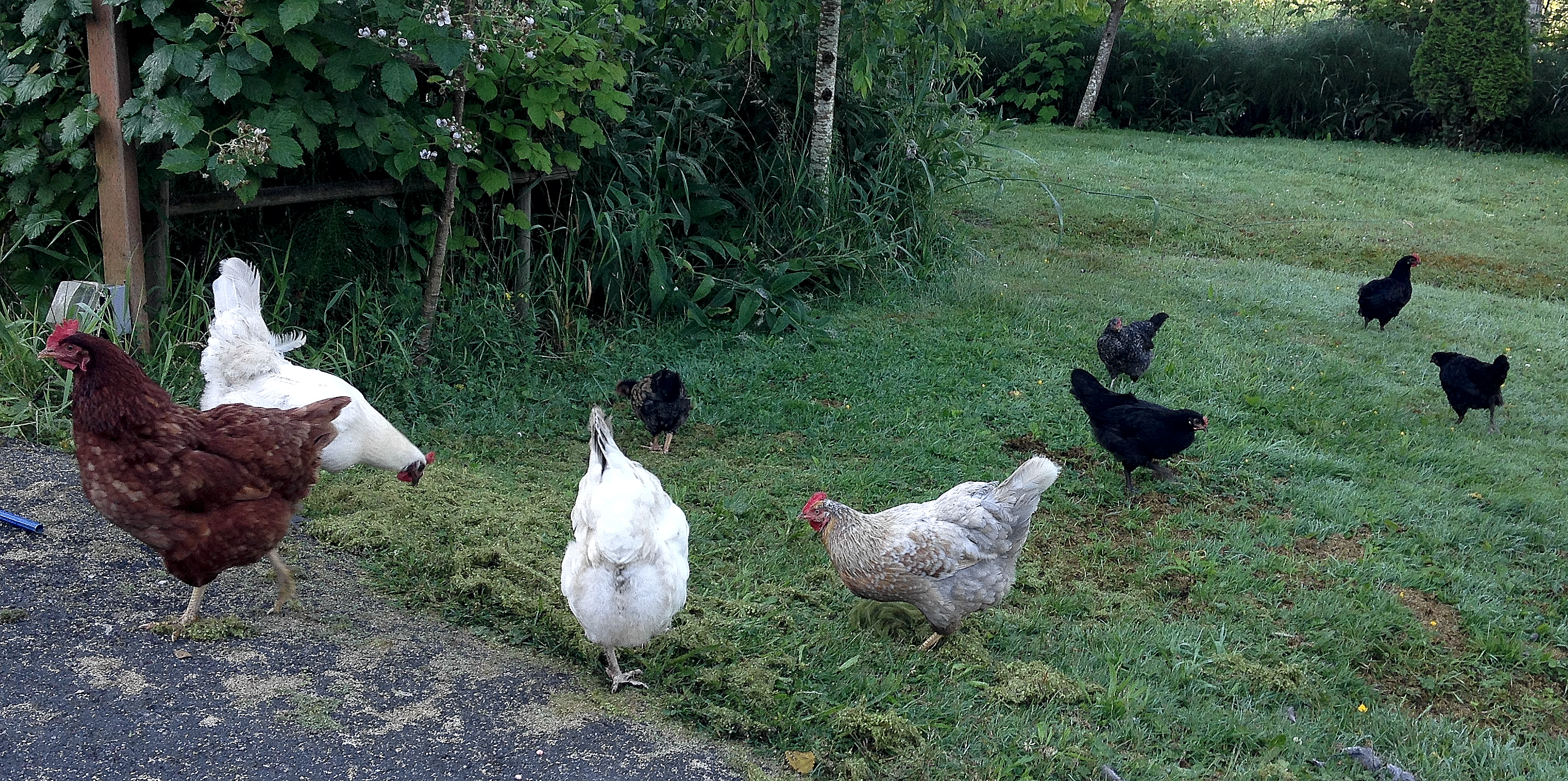
    There are no lines here to see the hydrangea. Only a handful of people have ever seen the hydrangea bloom at A Man and His Hoe®. Actually, more chickens than people have seen them in bloom, though this morning, the chickens are more interested in pecking through the duckweed I pulled out of the pond for them. Maybe they will pause and admire the hydrangea when they are in full bloom and they have had their fill of duckweed, tadpoles, and waterbugs.

    MorningHens

  • Never In a Car

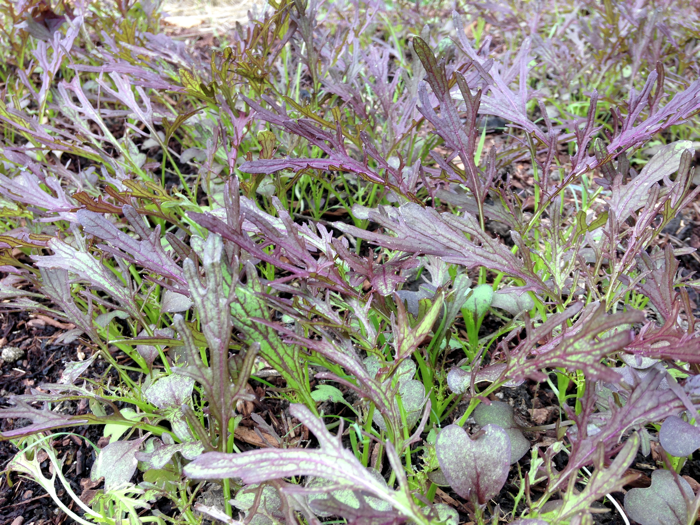
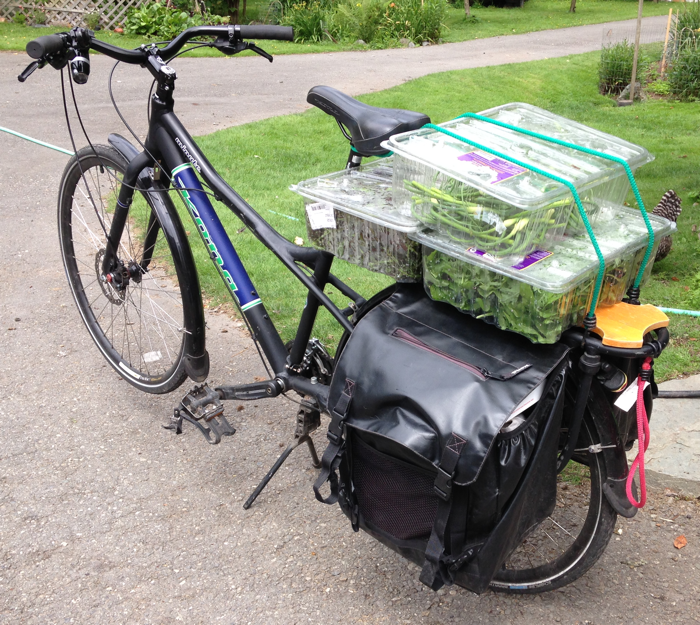
    It’s Thursday, time to take eggs and salad greens and garlic scapes to Tweets Café in Edison. I was thinking that it wasn’t that big a deal delivering my produce by bicycle. It’s only five miles, hardly far enough to use a car. Like, what sane person with good legs uses a one to two ton piece of machinery to only go five miles? That’s crazy talk.

    But what am I going to do as production ramps up? How many cartons of salad greens can I safely carry on my bicycle rack? It’s time to start designing or looking for a light trailer I can hitch to the back of the bicycle.

    RubyStreaks140626
    TweetsDelivery140626

    Then again, delivering eggs and produce by bicycle is a big deal. How often can you go to a store and buy eggs or produce that has never been in a motor vehicle? What restaurant can you go to where you can eat something that was not transported by a vehicle burning fossil fuel?

    At Tweets! Granted, most of the things you eat there will have spent time in a fossil fuel burning truck, but at least some of the eggs and salad greens will have arrived without ever having been in a motor vehicle. Kinda neat, don’t you think?

  • A Ball of Butter or Dairy Liberation

    ABallOfButter

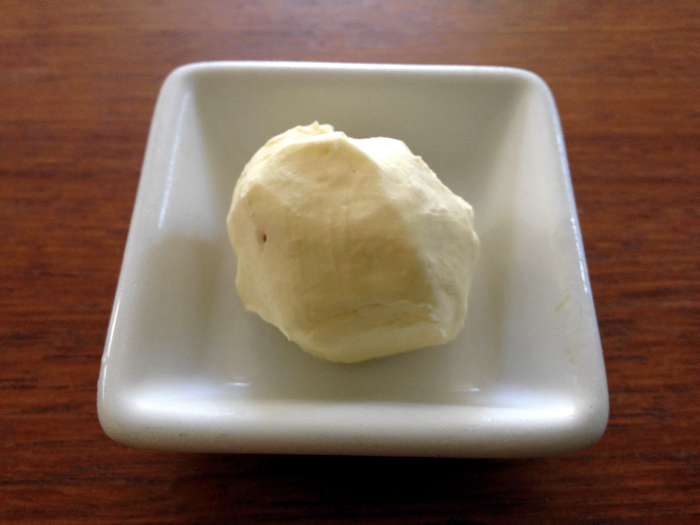
    Yesterday I had a bit of cream left, maybe a cup and a half, so I set it out in a bowl to culture overnight to churn it into butter this morning. I ended up with a small ball of butter. It got me thinking into how little selection people have anymore when it comes to buying things like butter. It’s all made in vast quantities by just a handful of companies.

    Yet, the milk from every cow is slightly different. The milk a cow produces each day is slightly different, depending on the season and what she ate recently. Even the weather has an effect on the milk. Did she just spend a peaceful, stress free day in warm sunshine, or was it cold and dreary with a cantankerous farmer thrown into the mix? The milk from each farm varies as the vegetation the cows eat and the soil the vegetation grows on varies from farm to farm.

    But all of those wonderful differences are erased in modern food production and we end up with endless quantities of the same tasting butter no matter when or where we shop. Food safety regulations make it cost prohibitive for small, single farm dairies to exist. Which is sad as flavors which stand out occur at the micro scale, not the macro scale where everything is blended together.

    When you make your own butter, you get to decide how much buttermilk you squeeze out of the butter. This changes the consistency and taste of the butter. You get to decide how long to let your butter age on the counter at room temperature. Are you going to add a bit of yoghurt to help age the butter? If so, what kind of yoghurt are you going to use? Are you going to churn it by hand or with a mixer? You get to decide which farm’s cream to use. All of these things affect the taste of the butter you make.

    If there were hundreds of small single, farm dairies within a short distance of a city, those living in the city could have a tantalizing variety of butters to choose. People would be keenly aware of the difference between spring and fall butter, the difference between summer and winter butter. There would be prized, single-cow butters. Food critics would wax eloquently about the exquisite taste of Bertha’s butter from the McMann farm, or the robust flavor of Molly’s butter from the Svenson farm, or the sublime essence of Henrietta’s butter from the Amstutz farm. Life would be infinitely more fun!

    The last decade we’ve witnessed beer being liberated from the huge breweries. Now there are thousands of local breweries delivering a variety of beers unimaginable twenty years ago. It’s time for a dairy liberation and a proliferation of butter, milk, and cream varieties. Hopefully, twenty years from now we will look back and wonder how we managed with just a handful of butters on the grocery shelves.

    Also see:
  • The Cows Are Back

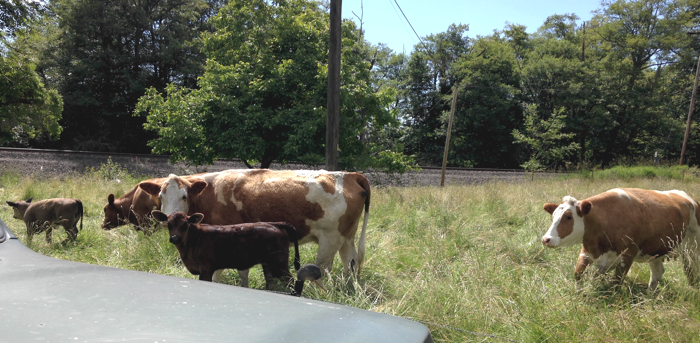
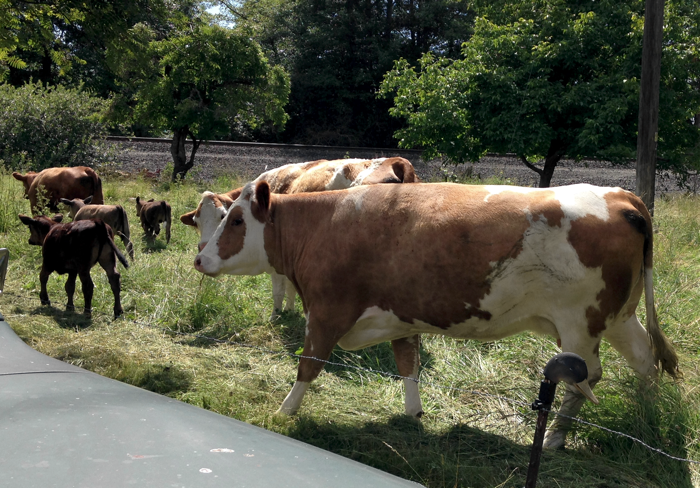
    Back in May, I mentioned missing the cows on a nearby farm. Today when I was pedaling home from the post office, the cows were back. I stopped and talked to the owner. He was looking pretty good, but did say he wasn’t sure what his prognosis was. He will be keeping the cows on the farm into fall. He didn’t think he would winter them there.

    I wish him well. At one point, he had lost use of his right side, but he has regained use of it. He still sleeps much of the day as the chemotherapy wears him out.

    TheCowsAreBack

    FairyFarmA
    FairyFarmAS

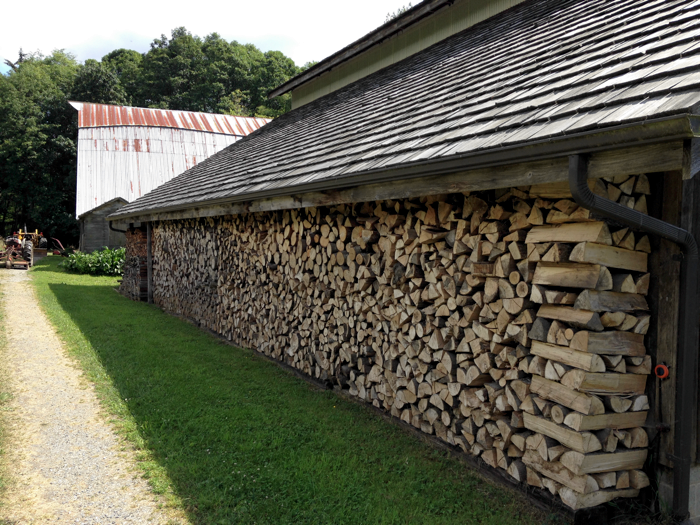
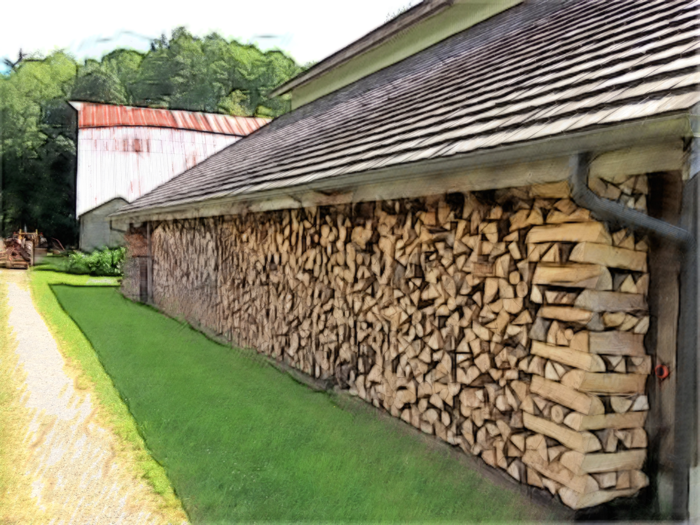
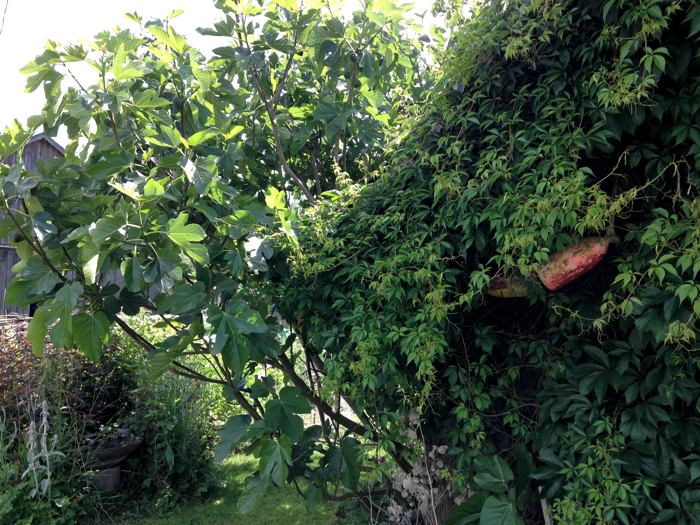
    His farm is such a magical place. It is like something you would read about in a fairy tale. His wood stacks are works of art. The flower beds, fruit trees, and rambling vines look like illustrations out of a children’s story book. I look forward to bicycling by the farm every day.

    FairyFarmB
    FarmSketchBC
    TheCowsAreBackB
    FairyFarmC
    FairyFarmCS

    See: Cancer Strikes and Now I Miss the Cows