• You Never See This on a Regular Egg Farm

    ChickWithEggLayingMom

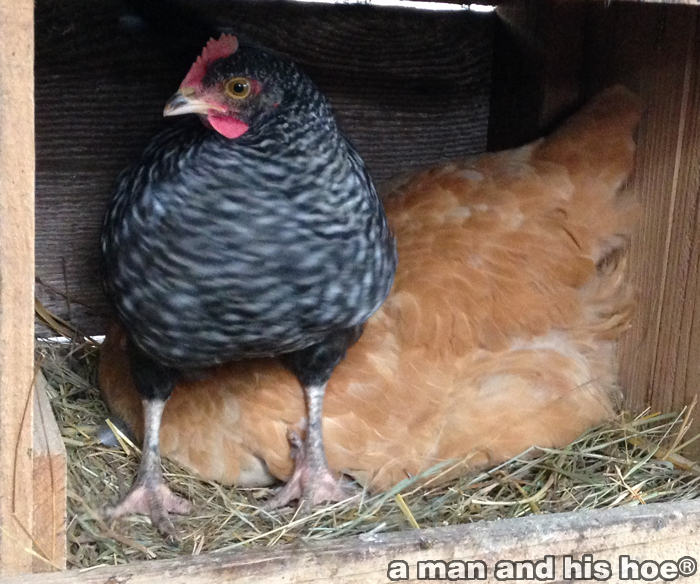
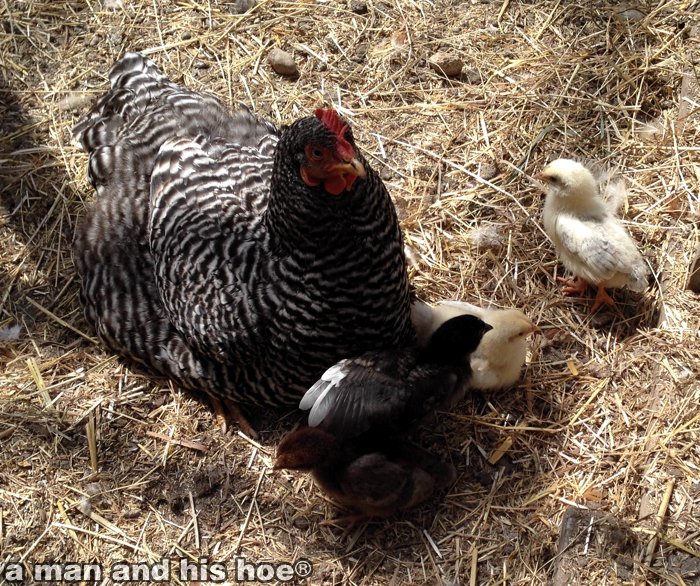
    This two and a half month old chick waits patiently while its mother takes time to lay an egg. Some young chicks have a hard time growing up and leaving their mother’s side. This chick is one of the lucky ones. Of the billions and billions of chickens hatched and raised each year, only a handful ever have the luxury of seeing their mother lay an egg. It’s for these special chicks that a man and a hoe® exists. In this busy, super efficient world, there have to be a few places where mother hens have all the time in the world to raise their young, and where chicks can leave their mothers’ side when they are ready.

  • When It Shines Everyone Naps

    MotherAndChicksInTheSun

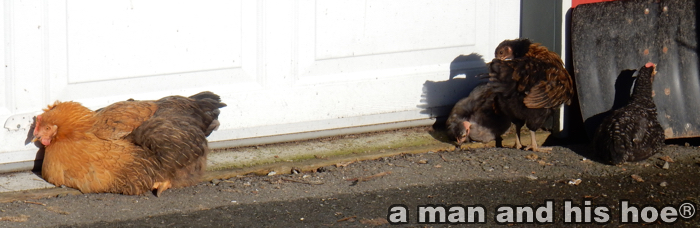
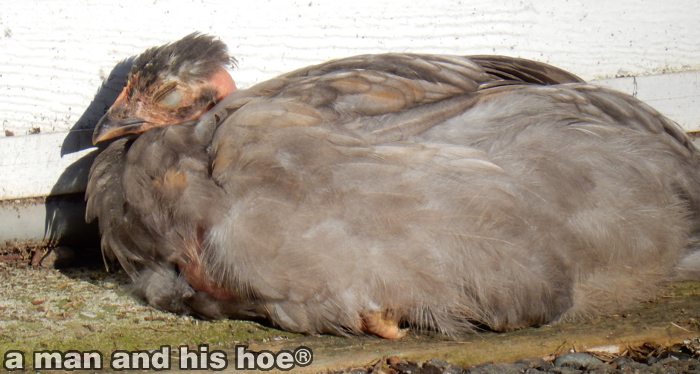
    There are nothing but sun worshippers at a man and his hoe®. Living in the Pacific Northwest, there are times you doubt that a thing like the sun even exists. It’s hard to believe in things you never see. So when the sun comes out, you just have to bow down in amazement that such a marvelous thing crosses the blue sky.

    ChicksNappingInTheSun150112

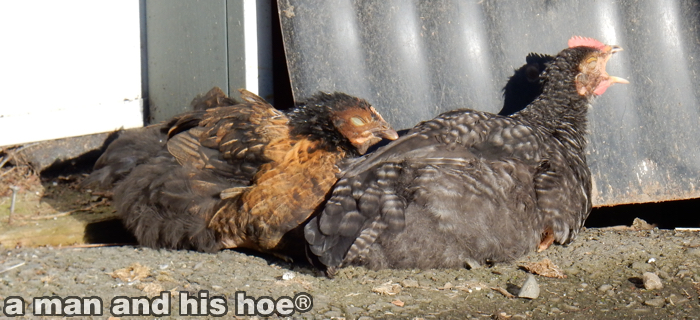
    Nothing beats taking a long nap in the warm sun. The best naps I’ve ever taken are with the sun beating down on me. The bright rays seem to penetrate to your inner core, cleansing every cell. You wake up feeling like you’ve slept a thousand years. I think the chickens feel the same way. Did you know chickens yawn too? Maybe that should be the distinction we make when we divide beings into sentient and nonsentient ones. If they yawn, they get the special treatment, otherwise … ???

    ChickNappingInTheSun150112
    BBandEchoInTheSun150112

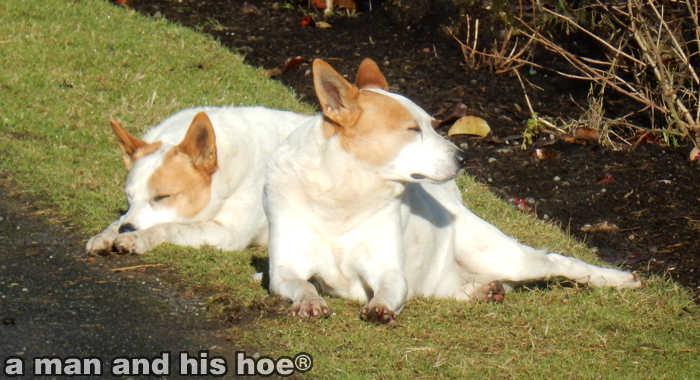
    Even the guard dogs nap in the sun. The great thing about living this far north, is that the sun is never cruel. Even in the middle of summer, it’s warmth is gentle, not the blowtorch blaze of a southern sun.

  • More Signs of Spring

    PulletEgg150111

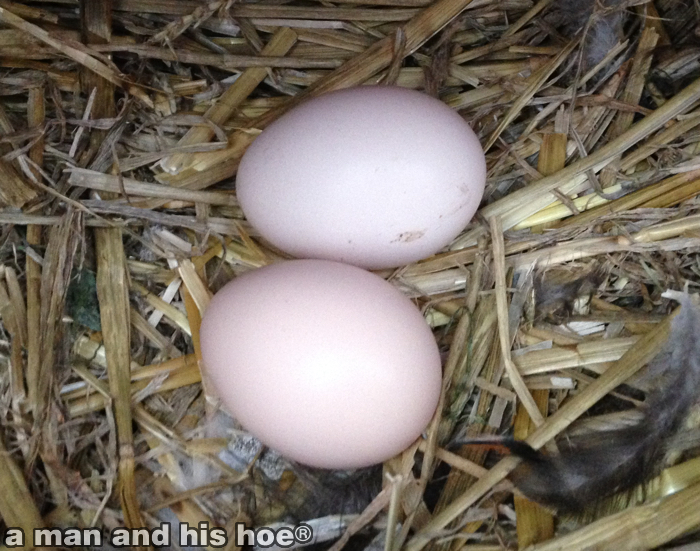
    A sure sign of spring are small pullet eggs. The hens which hatched last spring are starting to lay eggs. Some may even become mothers this year. Below are some of the chicks from last May. Perhaps these eggs were laid by the chicks below, now that they are grown up. It does make you wonder what goes through a young hen’s mind the first time she lays an egg. “Woe! What was that, and what am I supposed to do with it?” Or what do they say when they chat with their sister after laying their first egg? “Rachel, you won’t believe what popped out of my but!”

    LastMaysChicks

  • The Beauty Within

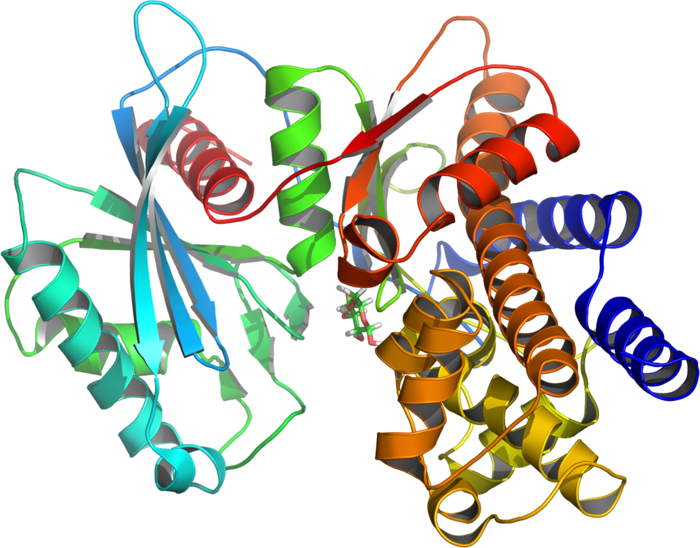
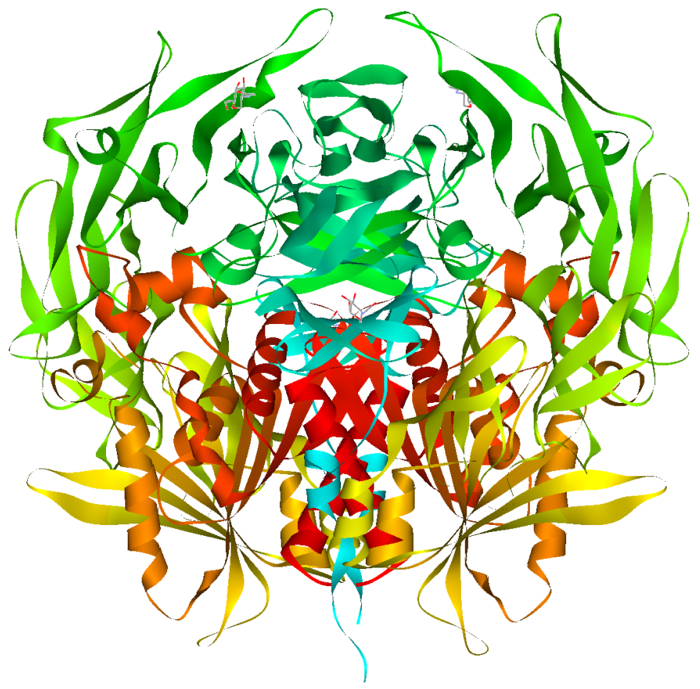
    GlucokinaseMoleculeDelve into the mechanism of insulin, and you encounter the incredible beauty of protein molecules. They aren’t really these colors. The colors represent the different components of the molecules, but the fantastic shapes are real. It’s like your children took LSD and went crazy with your box of ribbons. The whole stuff of life is this fascinating dance of elaborate dancers, dancing through our bodies, performing all the intricate chemistry that keeps us alive. That’s a glucokinase molecule. There is as much beauty flowing through your blood as there is in any museum of modern art.
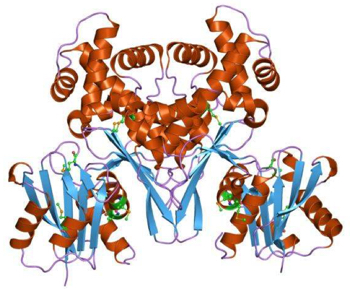
    DipeptidlyPeptide

    This fascinating protein is dipeptidyl peptidase-4 which is associated with immune regulation.

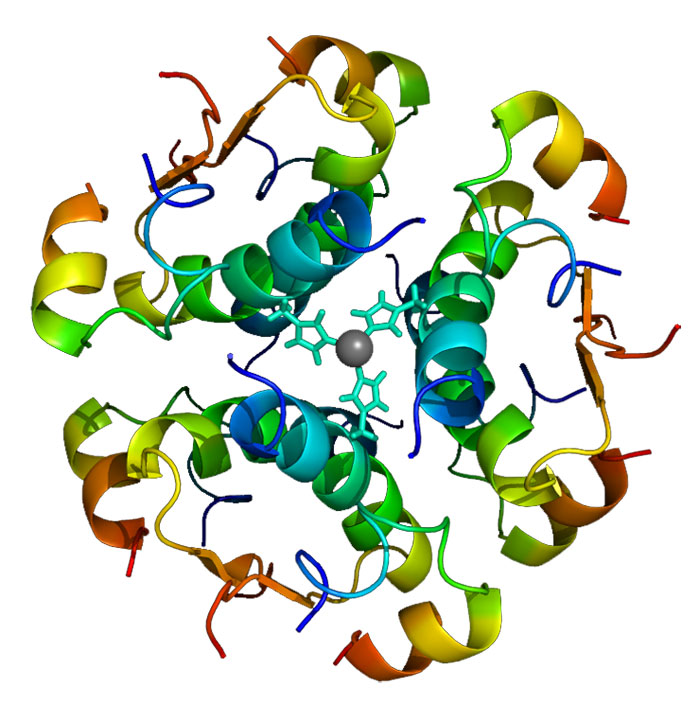
    Insulin

    This beauty is insulin.

    Glucokinase(hexokinase4)

    This is glucokinase hexokinase 4.

  • On Stacking Wood

    WoodStack1501

    While stacking wood the other day, I spotted a moss garden growing on top of a log. This is a great place to live if you like it green and damp like I do. Set out a stump or a rock, and within a year, you’ll have a beautiful moss garden. Torture for me would be having to live in a desert or dry climate. If the trees aren’t lush with moss, I’ll visit but I don’t want to live there.

    MossGarden150110A
    Echo150110

    It can be hard photographing moss gardens with dogs nudging your hands and trying to bite your camera. This is Echo who became diabetic after a bout of pancreatitis before Christmas. Since then it’s been an adventure finding the right dose of insulin to keep his blood glucose level stable.

    Which led me to delve into the many mysteries of insulin. Researching how your pancreas knows how much glucose is in your blood, and when to release insulin into your blood stream, turns up diagrams such as this from articles with titles like Glucose sensing in the pancreatic beta cell: a computational systems analysis.

    GlucoseSensing

    And slogging through sentences like this:

    Glucose equilibrates across the plasma membrane and is phosphorylated by glucokinase to glucose 6-phosphate, which initiates glycolysis. Lactate dehydrogenase (LDH) converts a portion of pyruvate to lactate. Pyruvate produced by glycolysis preferentially enters the mitochondria and is metabolized in the tricarboxylic acid (TCA) cycle, which then yields reducing equivalents in the form of NADH and FADH2.

    It’s all fascinating stuff, with researchers still teasing apart the puzzle as to how it all works, with much of their research being done with rodent cells. Simplified, beta cells in your pancreas under go a chemical process when glucose levels rise in your blood, and release insulin they produce into your blood stream. When your glucose level drops, the beta cells close up and stop releasing insulin. But that is a gross simplification of a process that involves many chemicals and numerous intricate steps.