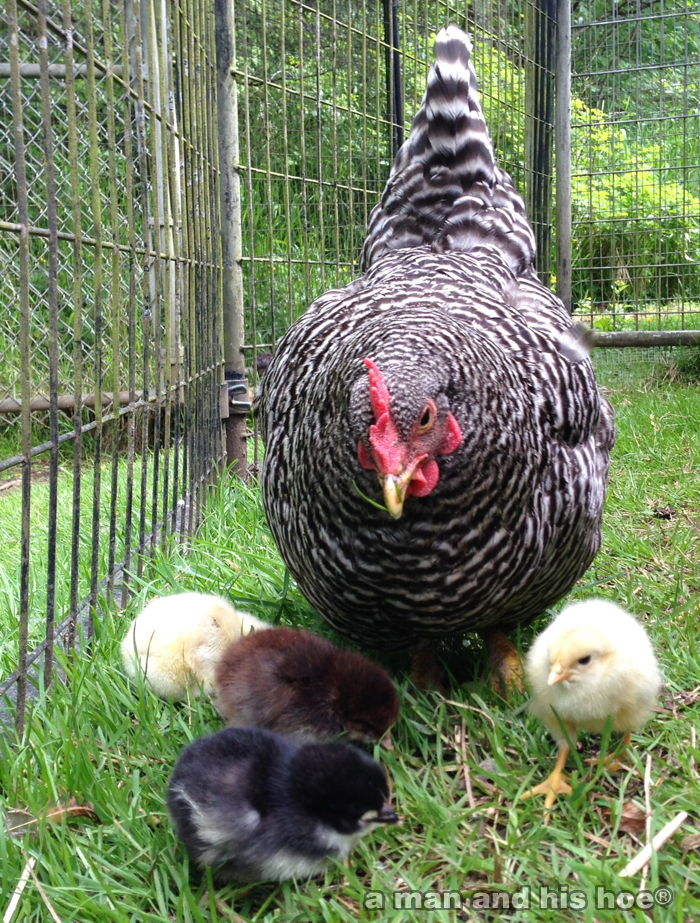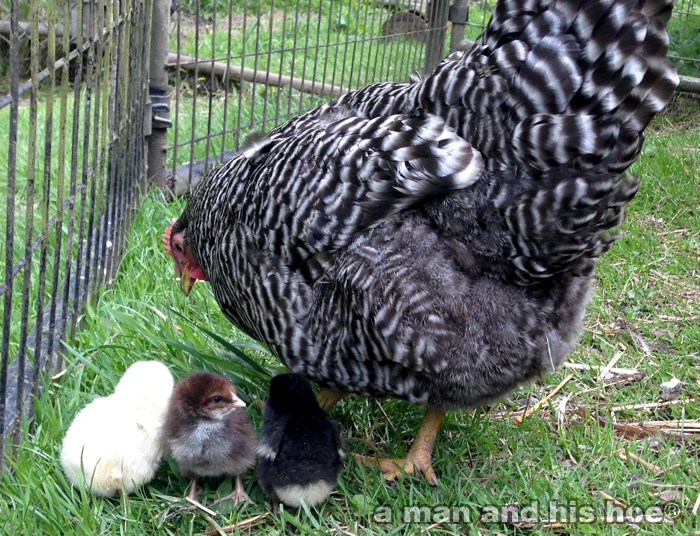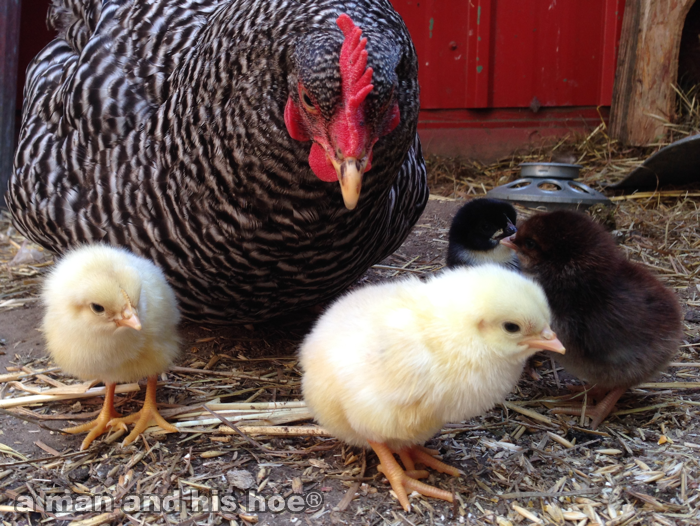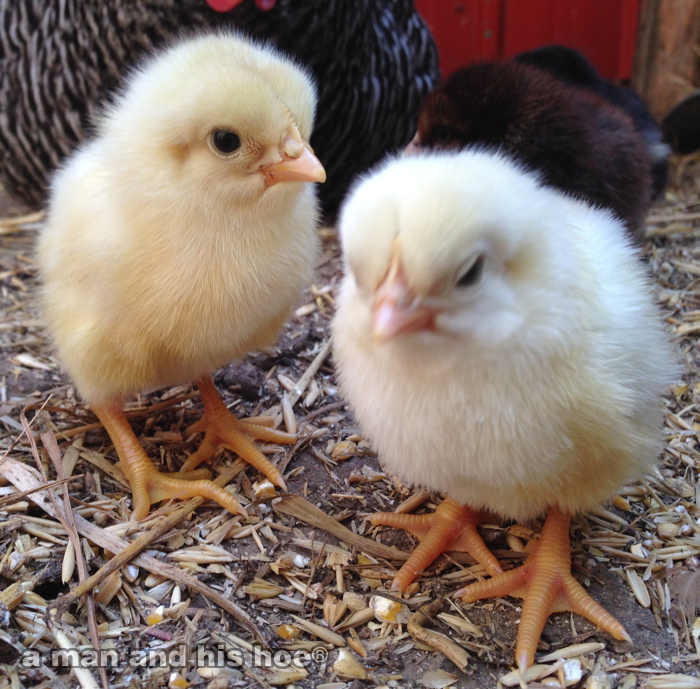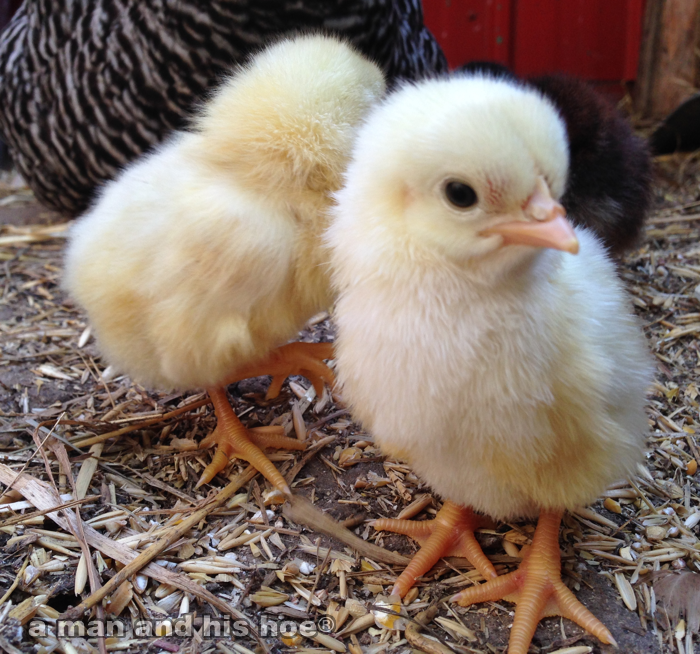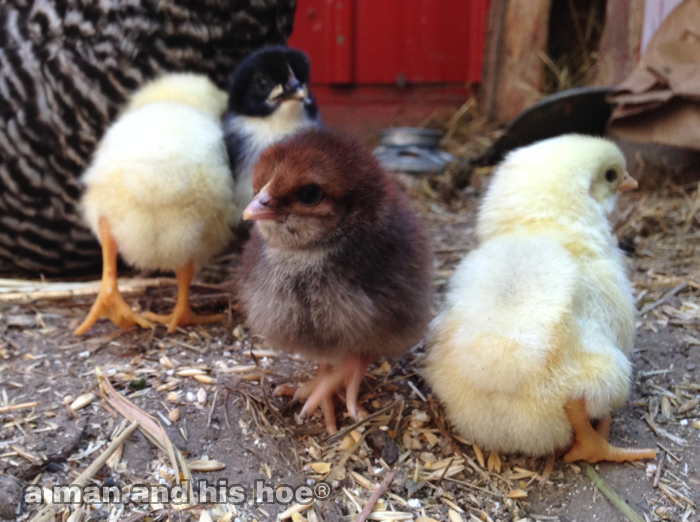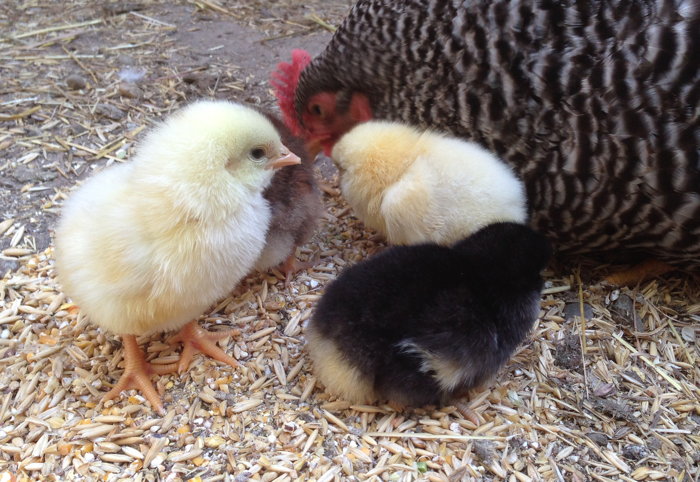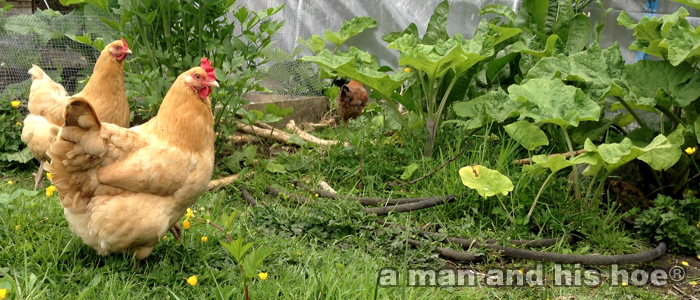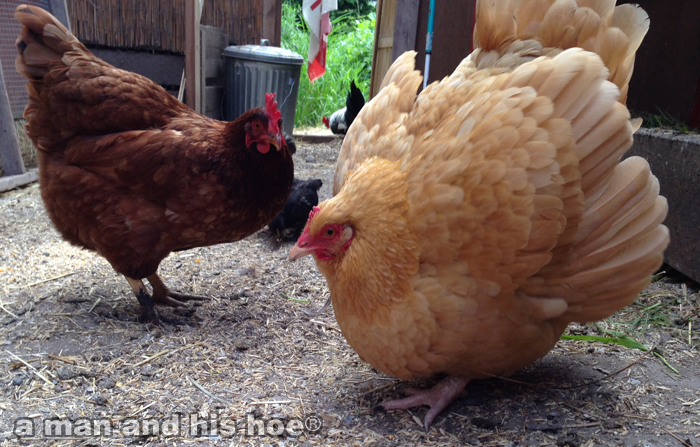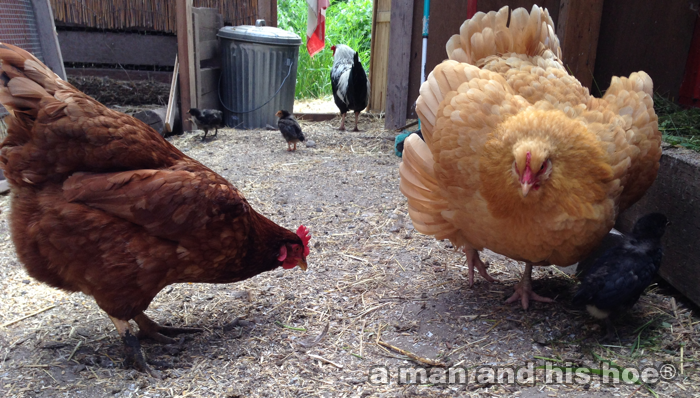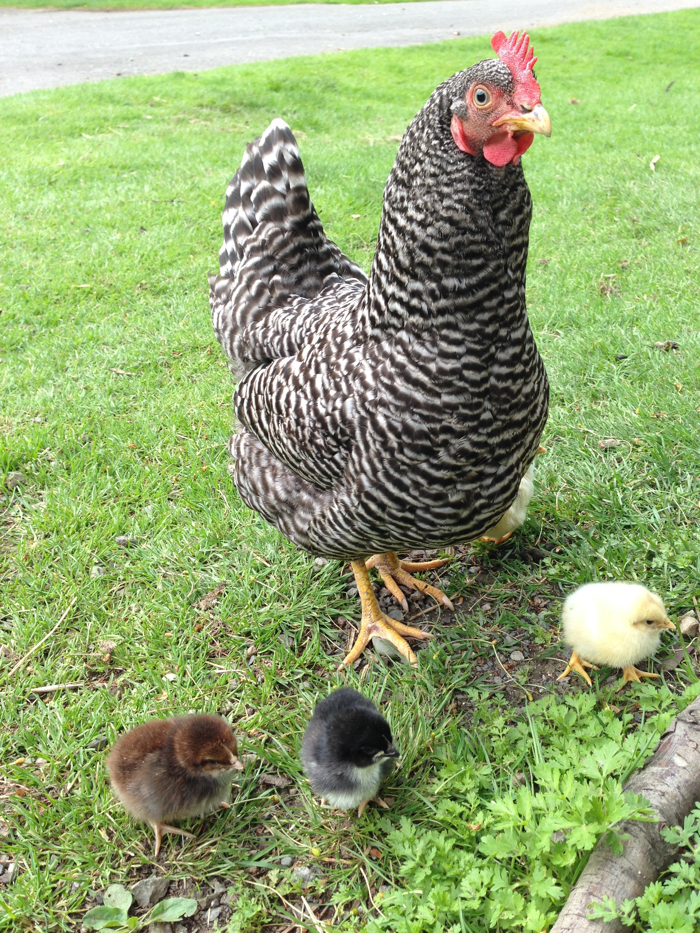
These are what one day old chicks look like. They started hatching yesterday and finished today. Their mother has them out of the nest to feed and drink.


-
Born Today
-
What Mothers Do

Mother hens are usually very diligent mothers. If they feel their chicks are threatened, the puff up into big balls of feathers. With outstretched wings and spread tail feathers, they puff up to twice their normal size, shielding their chicks and letting other chickens know that they mean business.


-
On the Board Today – May 18, 2014
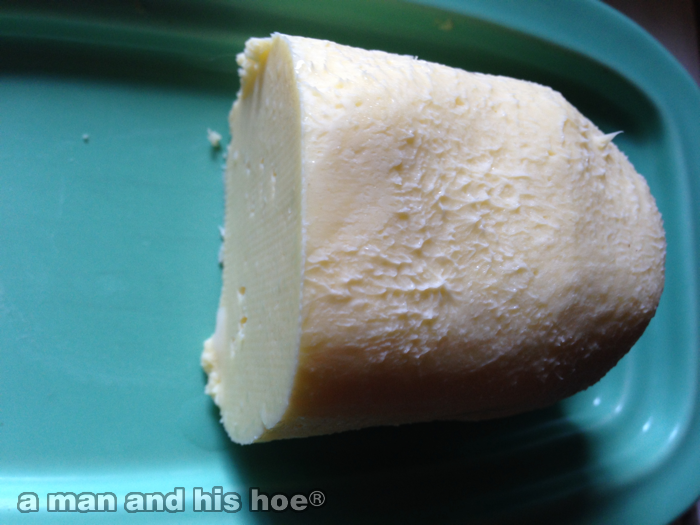
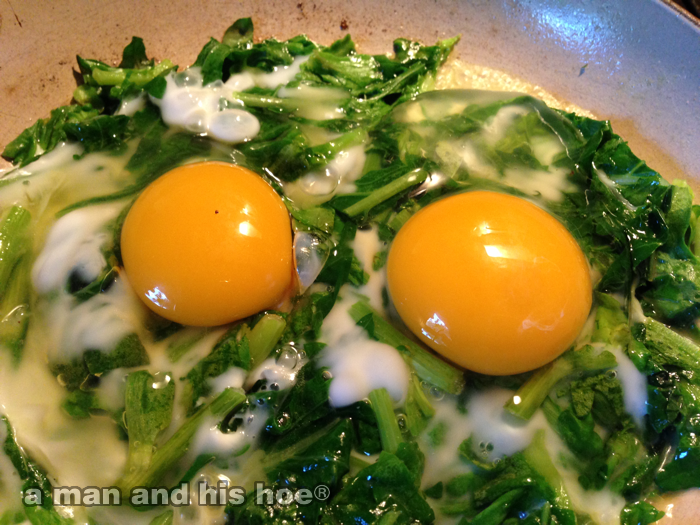
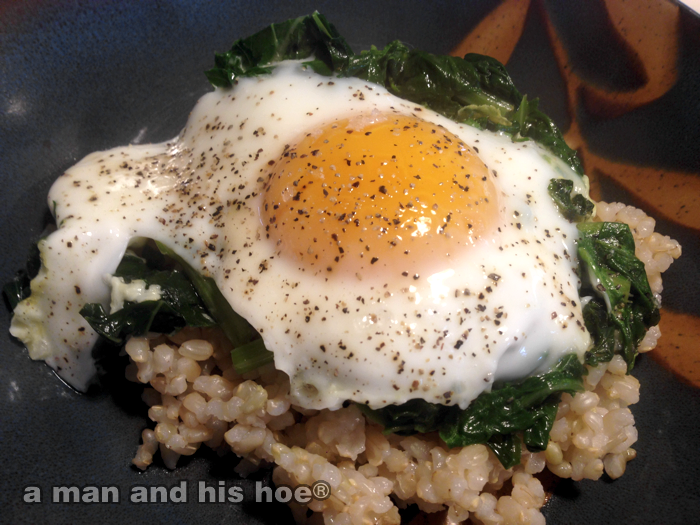
On the board today – a simple lunch starting with freshly picked spring chrysanthemums (春菊-shyungiku) and kale, sautéed in home made butter made from raw cream.


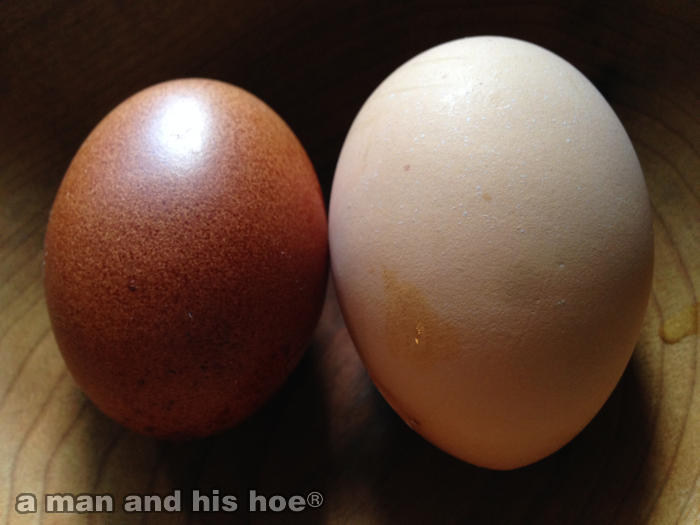
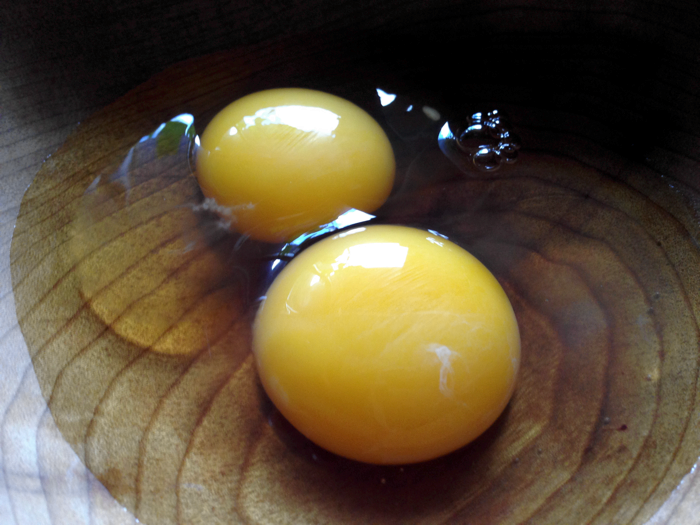
Followed by two eggs gathered within the past half hour, cracked into a bowl, laid on the sautéing greens, covered and allowed to gently firm to a soft egg.


Flavored with a bit of sea salt from San Juan Island Sea Salt, and served on a bed of brown rice.


-
NYT – What Farm to Table Got Wrong
Worth reading is What Farm to Table Got Wrong by Dan Barber of the New York Times. Despite the movement for local food and supporting local farmers, he notes the following:
In the last five years, we’ve lost nearly 100,000 farms (mostly midsize ones). Today, 1.1 percent of farms in the United States account for nearly 45 percent of farm revenues. Despite being farm-to-table’s favorite targets, corn and soy account for more than 50 percent of our harvested acres for the first time ever. Between 2006 and 2011, over a million acres of native prairie were plowed up in the so-called Western Corn Belt to make way for these two crops, the most rapid loss of grasslands since we started using tractors to bust sod on the Great Plains in the 1920s.
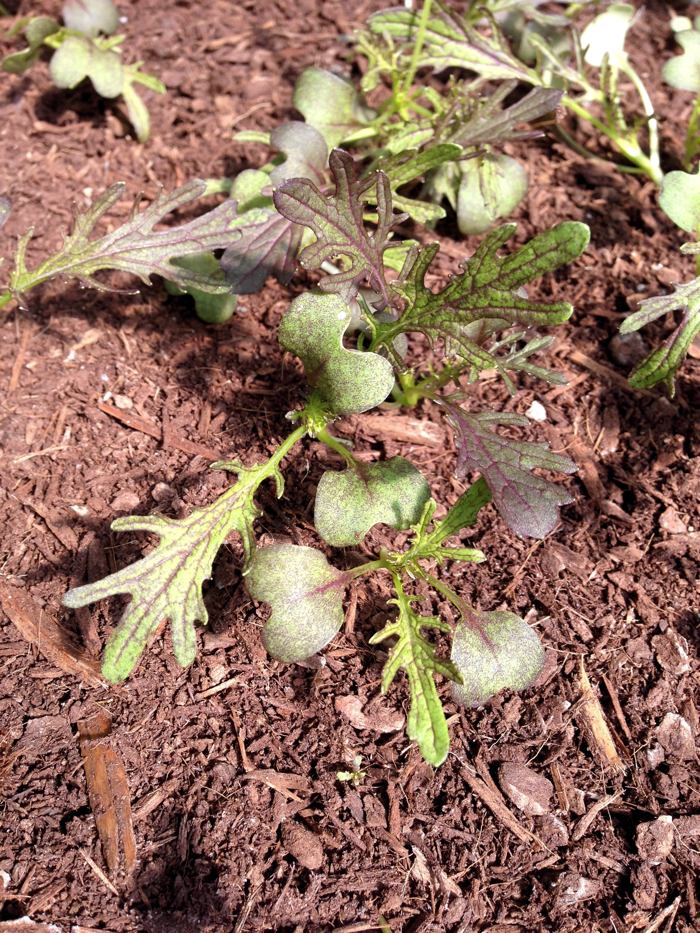
In the article he visits a grain farmer growing organic emmer wheat and describes the lengthy process the farmer takes growing his wheat. Before his fields are ready to grow a crop of wheat, he rotates a series of crops through the field. He begins with a cover crop of like mustard. He follows that with a legume crop like soybeans or kidney beans. After that he grows oats or rye. Each one of these crops does its part enhancing the soil. Only after all these crops have been rotated through the field is the field ready to grow a crop of emmer wheat.
What is needed to support this intensive process is for people to buy each of these crops. As Dan Barber points out:
It’s one thing for chefs to advocate cooking with the whole farm; it’s another thing to make these uncelebrated crops staples in ordinary kitchens. Bridging that divide will require a new network of regional processors and distributors.
-
Eat Beautiful Things
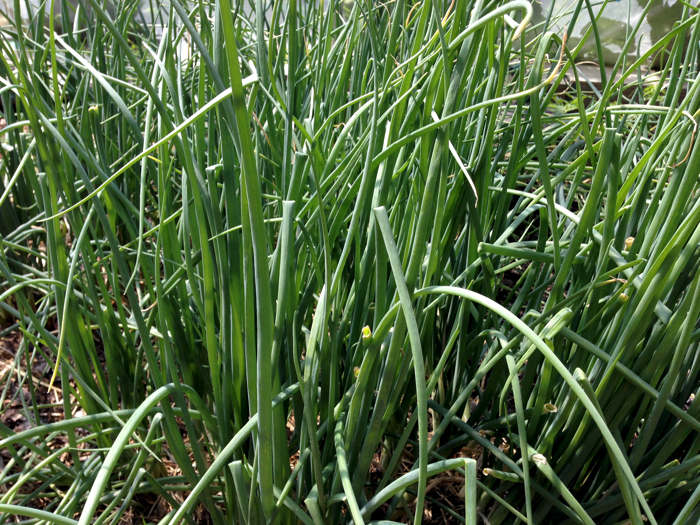
The great thing about growing your own food is that you can plant beautiful things to eat. Chive flower buds and blossoms add a splash of color to salads.


And don’t forget to plant plenty of flowers to decorate your table.