Author: theMan

  • Out of the Garden Today – June 28, 2014

    Shopping for groceries in a supermarket can be stressful. All those people. All that noise. So many decisions to make. Which head of lettuce is the freshest? Which carrots are the sweetest?

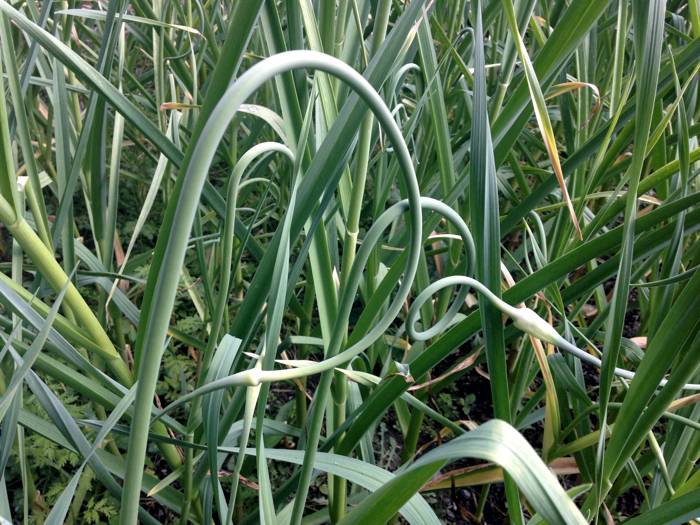
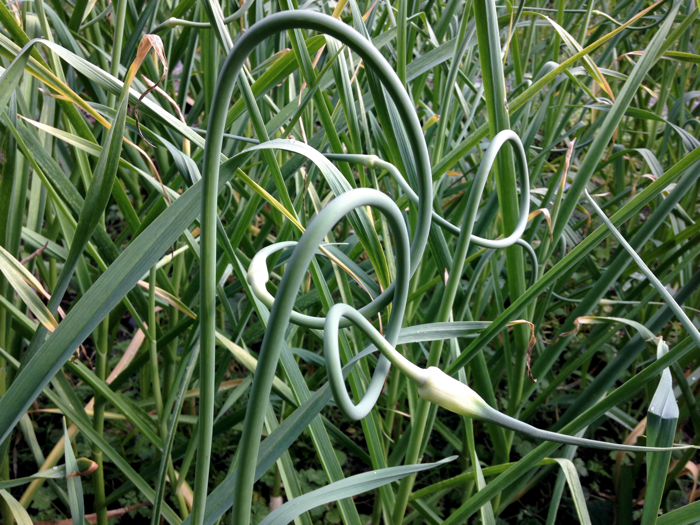
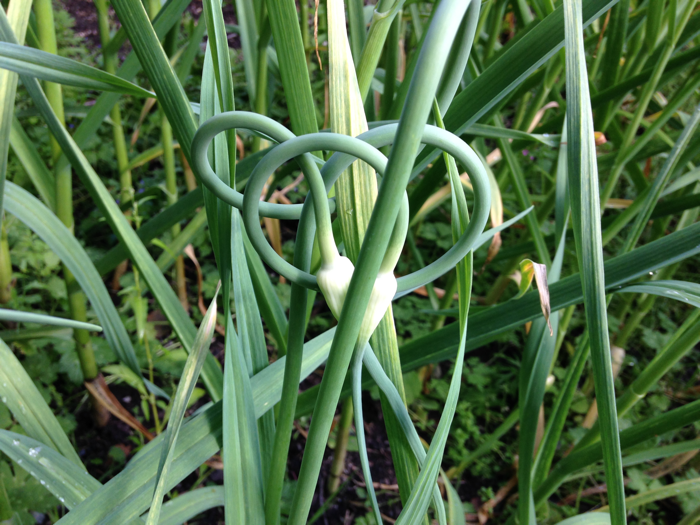
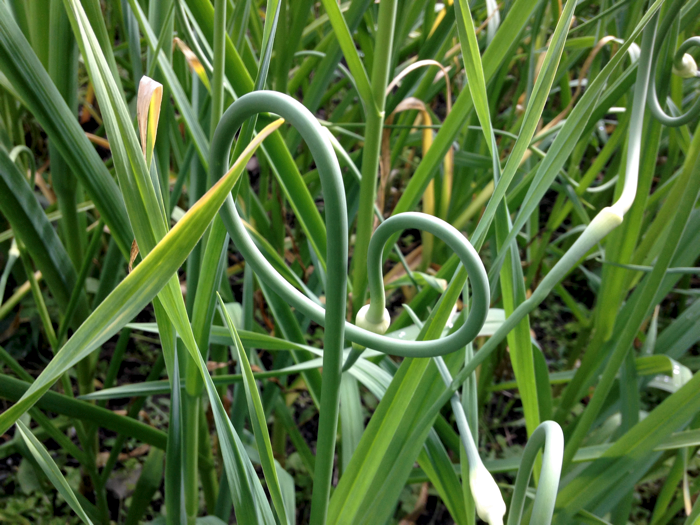
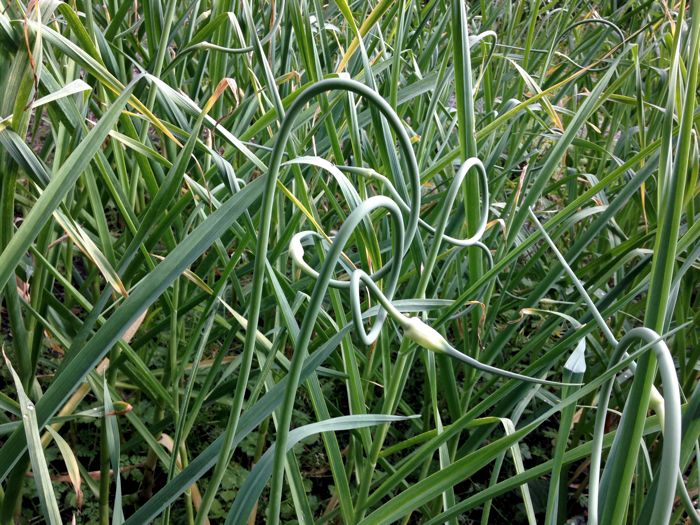
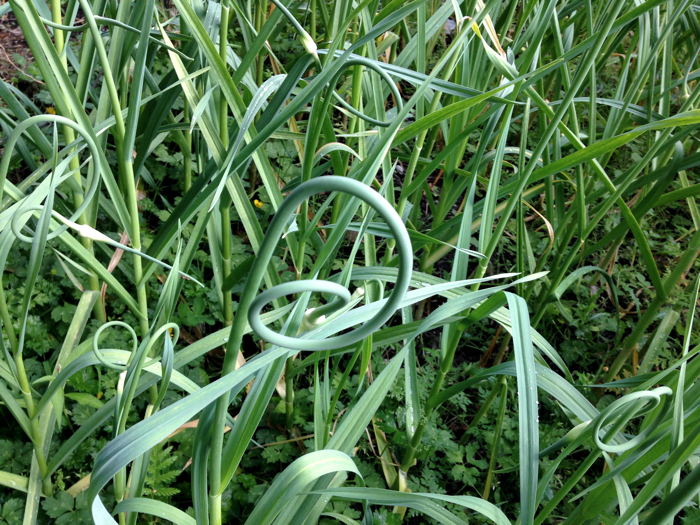
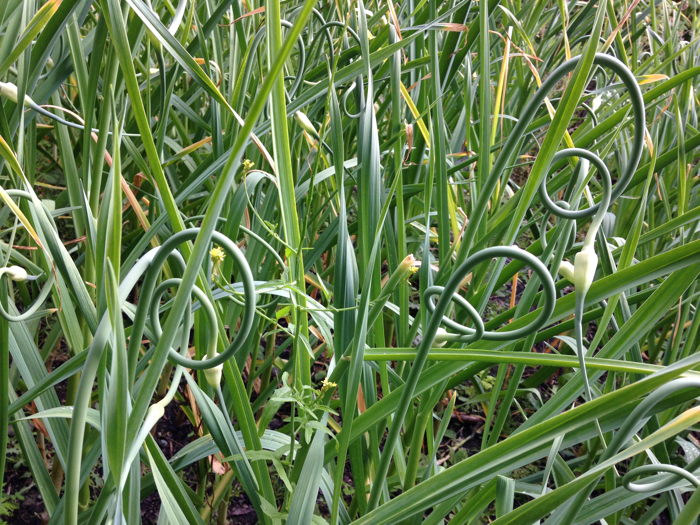
    Gathering vegetables for dinner in the garden is much less stressful. Few vegetables are so humorous as garlic scapes. They curl into the most curious and funny shapes. Why do they do that?

    GarlicScapes140628A
    GarlicScapes140628B
    GarlicScapes140628C
    GarlicScapes140628D
    GarlicScapes140628E
    GarlicScapes140628F
    GarlicScapes140628G

    Going through a garlic field pulling garlic scapes is far less stressful than pushing a shopping cart through a busy supermarket. After pulling a mountain of garlic scapes, it’s on to the cherry trees.

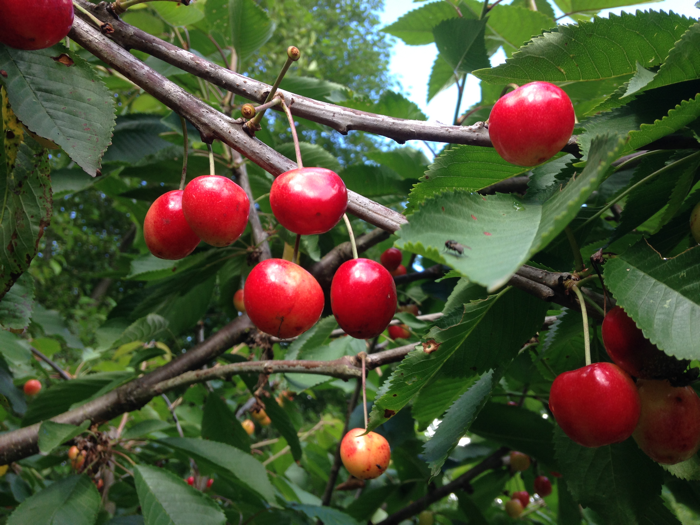
    RipeningCherries140628
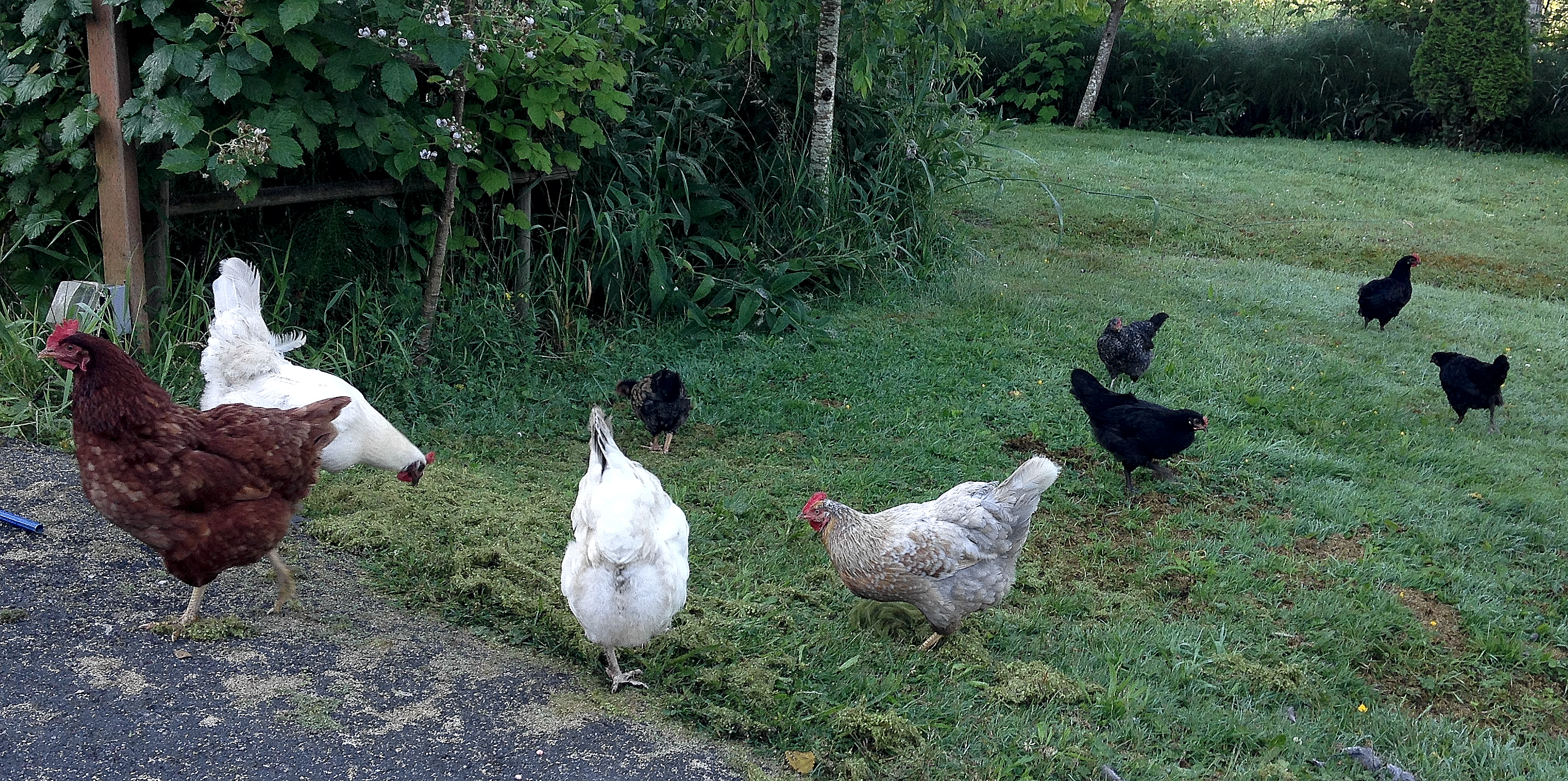
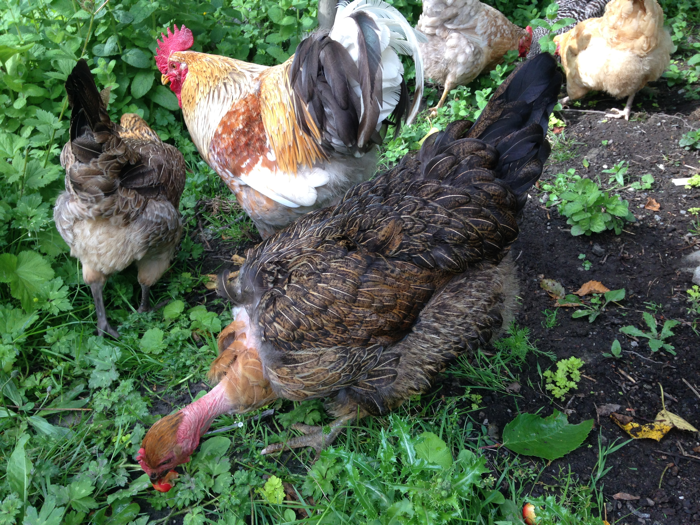
    ChickensSharingCherries

    The cherries are ripening early this year, and the birds are leaving them alone for a change. There are plenty for the table and extra to scatter for the chickens. They love sweet fruits. After the cherry trees, it’s on to pick some raspberries and greens. On the way, there is the first Shasta Daisy of the season to smile at.

    ShastaDaisy140628

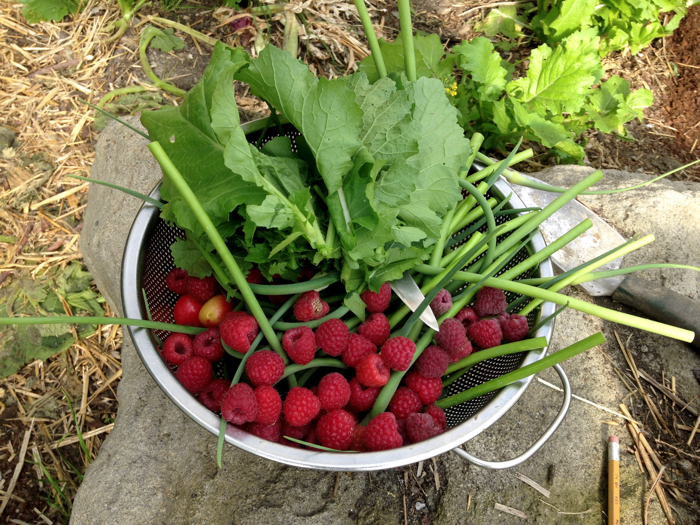
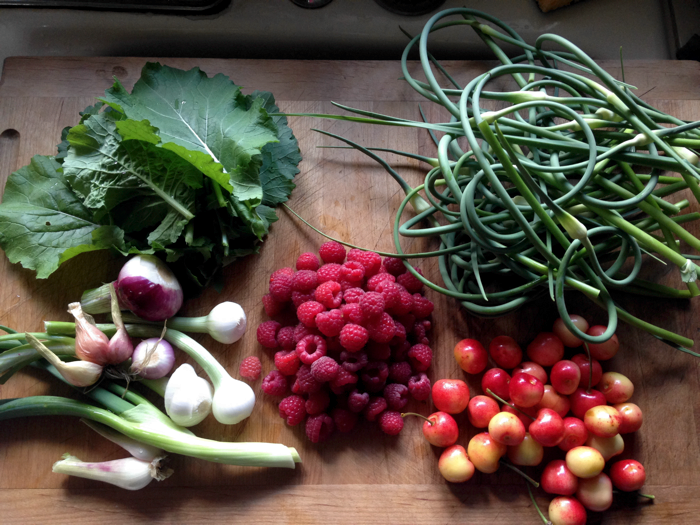
    And here is tonight’s grocery section. It doesn’t take long to fill my “grocery cart”. There’s no shortage of good things to eat tonight.

    MyGrocerySection
    GroceryCartFull

    Washed and ready, there are plenty of good things to make a summer evening meal. There is no going hungry tonight.

    OnTheBoard140628

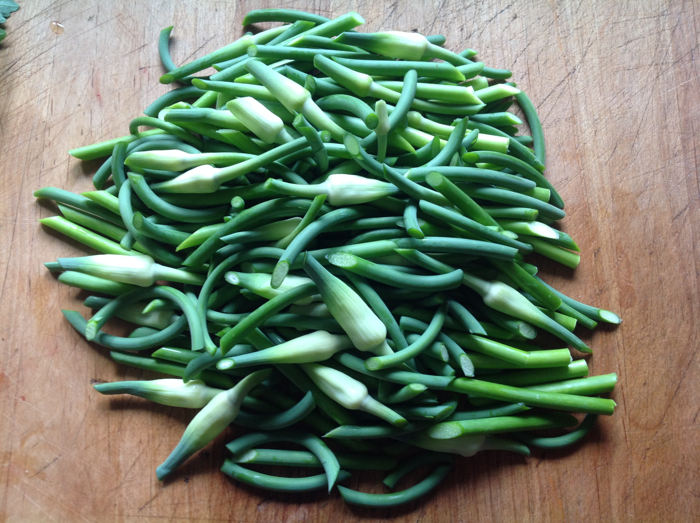
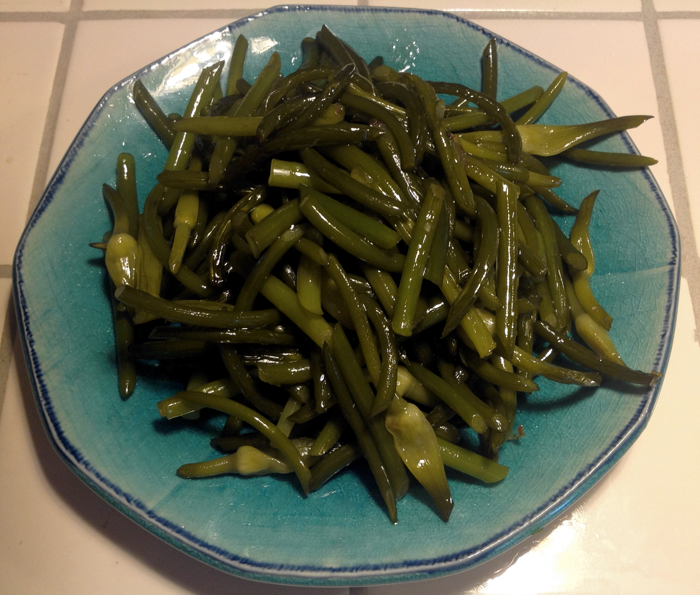
    So what do I do with garlic scapes? One way I like to make them is to cut them into one to two inch pieces and then sauté them in garlic oil until tender, which is what I’m doing tonight. They are also good roasted, used in soups, eaten raw if very tender, added to omelets, and on and on. What do they taste like? They are like string beans with a hint of garlic.

    ScapesCutup140628
    ScapesCooked140628

  • Solving a Problem

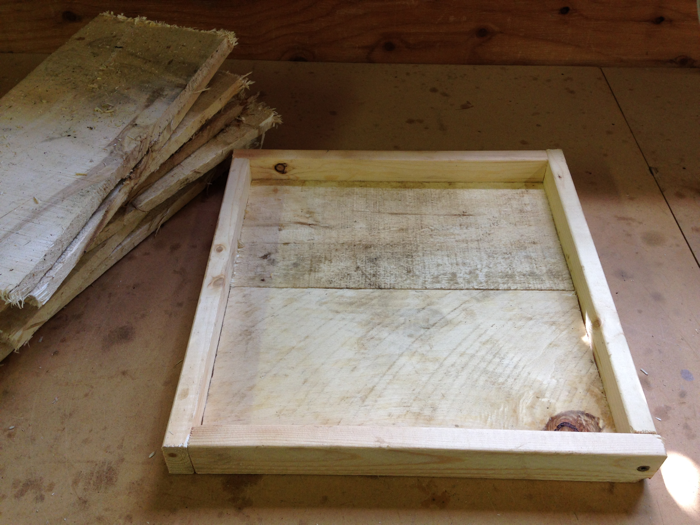
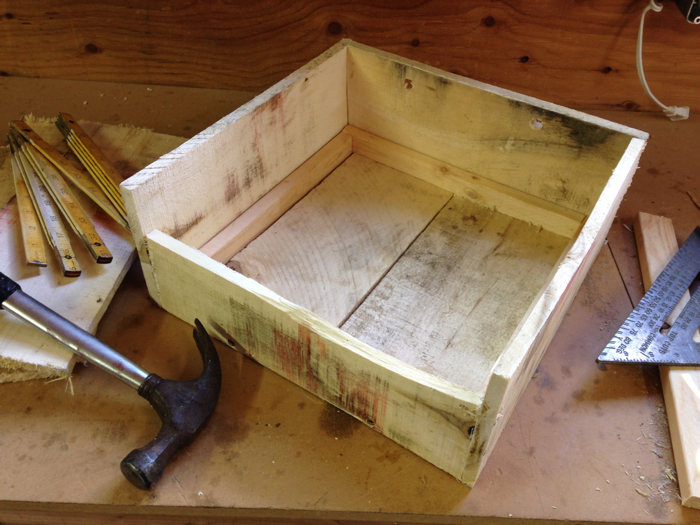
    I have a problem to solve and the solution involves building a simple box I can hang on a wall.

    BroodingNestA
    BroodingNestB

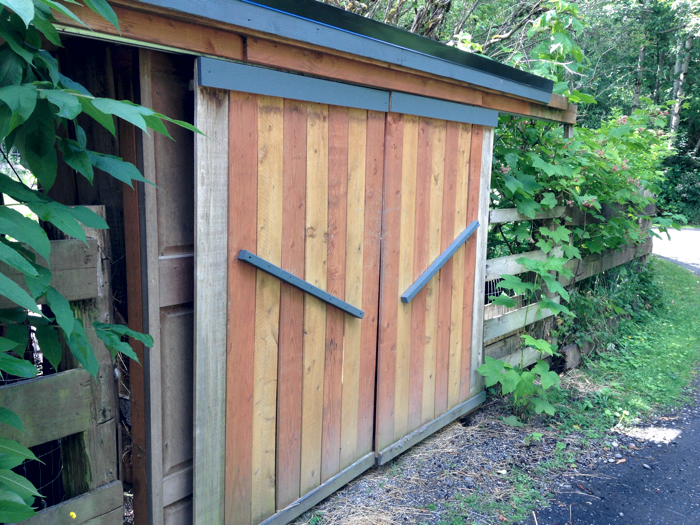
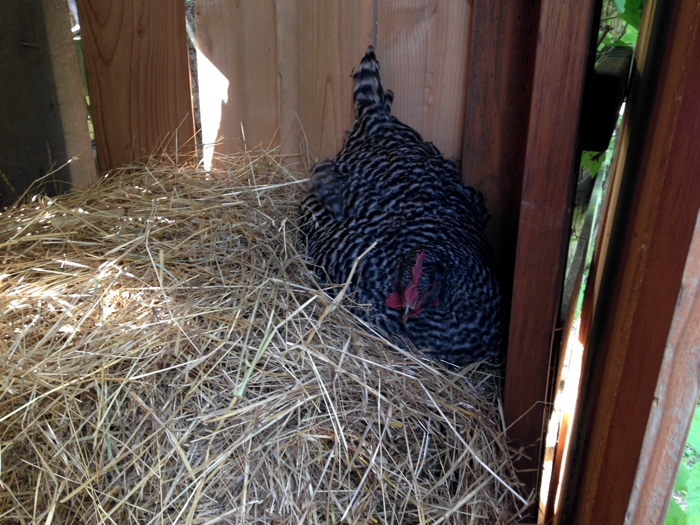
    And here is where the problem is, inside the hay shed.

    BroodingNestC

    Two hens have decided that tops of hay bales are the perfect spot to hatch a clutch of eggs. For three nights, I’ve tried moving them into a more appropriate brooding place. When it is dark, the hens will stay calm and you can wrap them in a towel and move them easily. Sometimes, they will take to the new location, but more often, once a hen has decided on a spot to hatch a clutch of eggs, even dynamite won’t make her budge.

    BroodingNestD

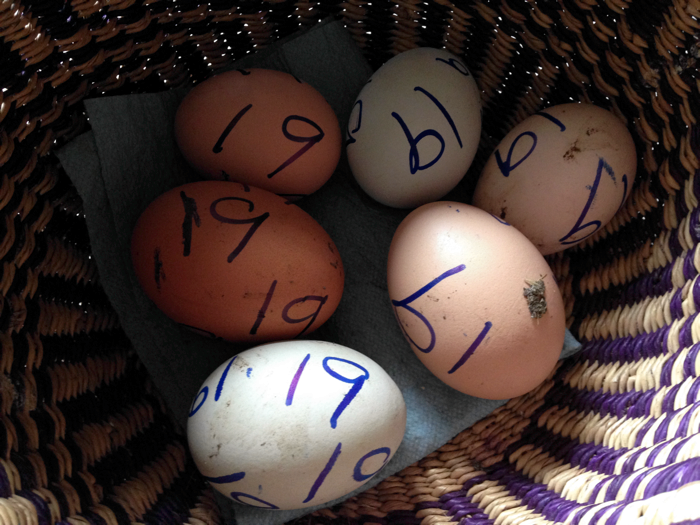
    With the brooding box ready, I’ve marked the eggs to put under the hen. Once a hen goes broody, she stops laying eggs, and this hen is sitting on a single egg laid by another hen this morning.

    BroodingNestE
    BroodingNestF

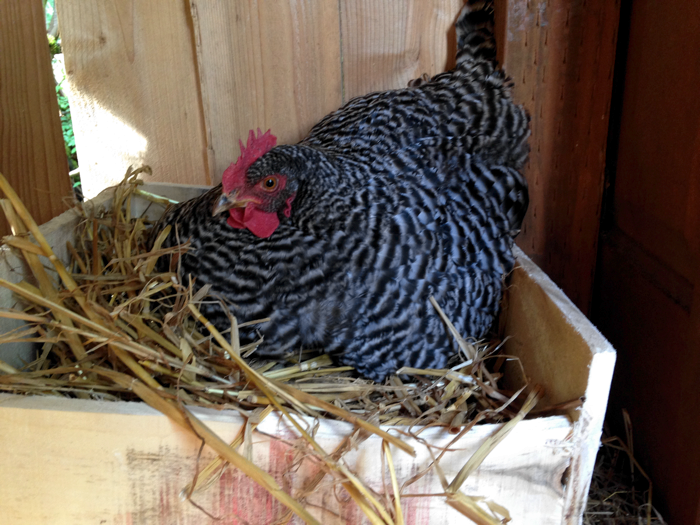
    With the brooding box fastened to the wall above the bale of hay, the hen is back on her nest with a full clutch of eggs under her to hatch. When the chicks hatch in three weeks, it will be easy to move her and her new chicks by lifting the box off the wall and putting it in a quiet spot in the nursery.

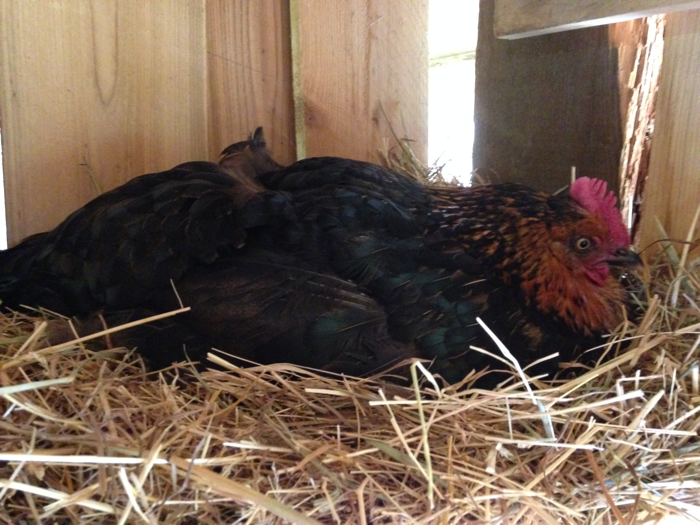
    Tomorrow I will make a brooding box for the other hen who is sitting on a bale of hay on the other side of the hay shed. She is a feisty one and will draw blood if you reach under her. She will make a very protective mother.

    BroodingNestG

  • Strike a Pose

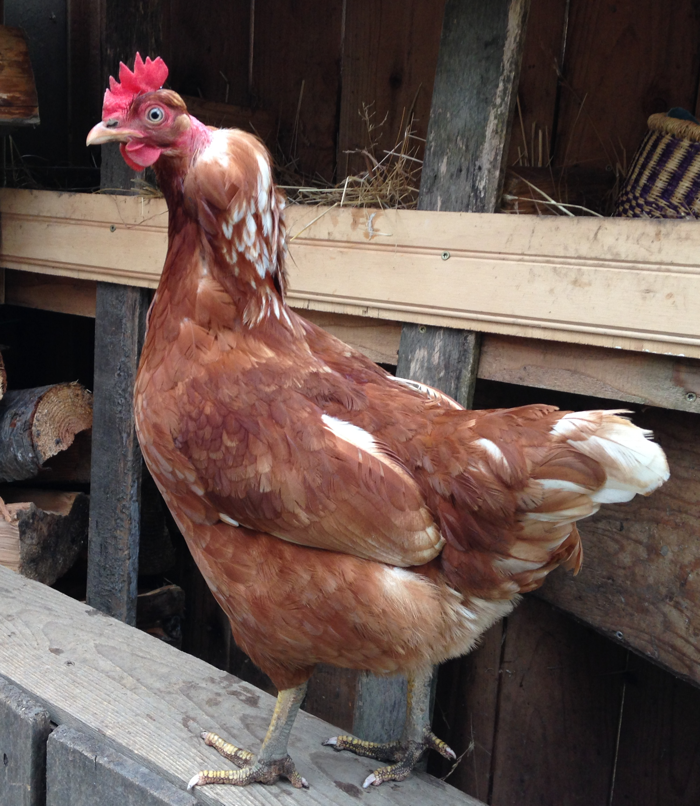
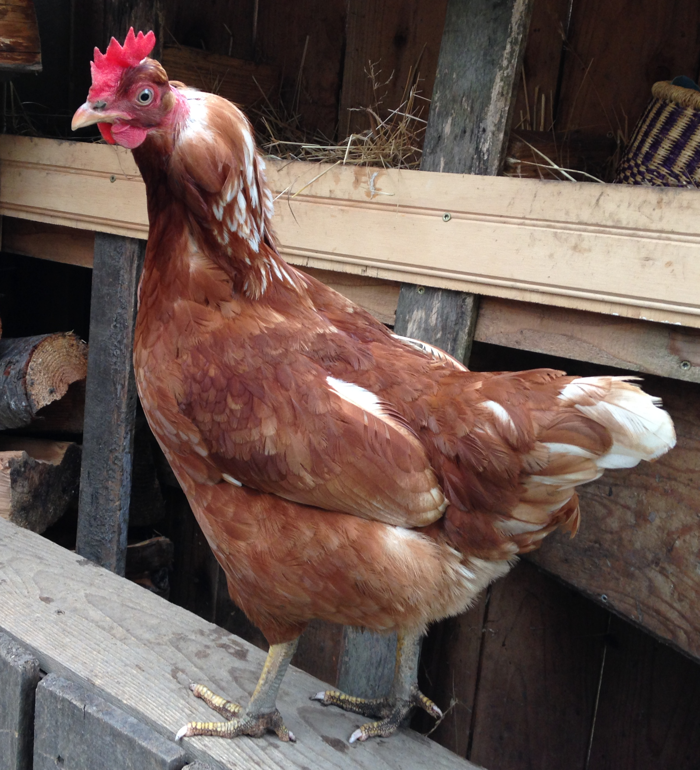
    Of all the chickens, Lucky is the most photogenic, and she seems to know it. She loves to pose. It’s almost as if she is saying, “How about this look? What if I move my head to the side?” She is also the first hen to come check what I am doing in the garden when I go out to weed. See Lucky’s story ~ why we call her Lucky.

    Lucky140627A
    Lucky140627B

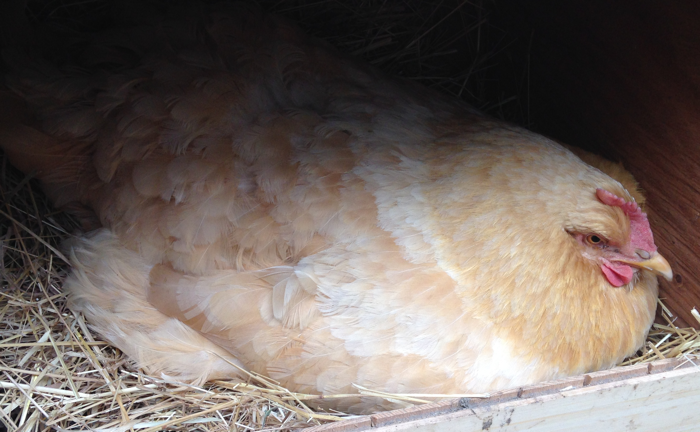
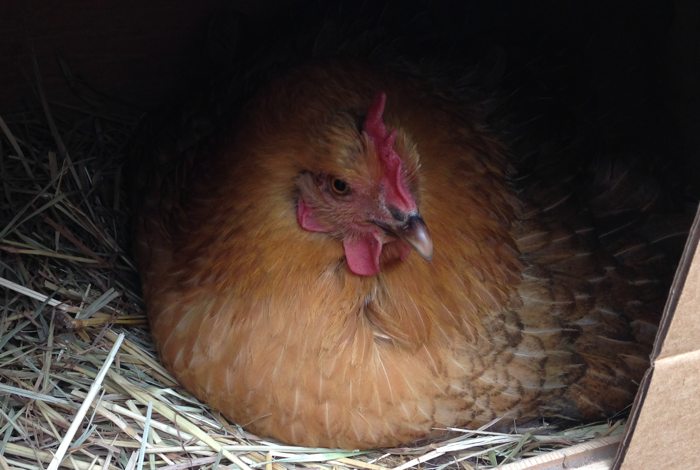
    On the other hand, brooding hens are in no mood to pose. They stay as still as possible, hoping that you won’t see them, and that you will move on and leave them in peace.

    BroodingHenA
    BroodingHenB

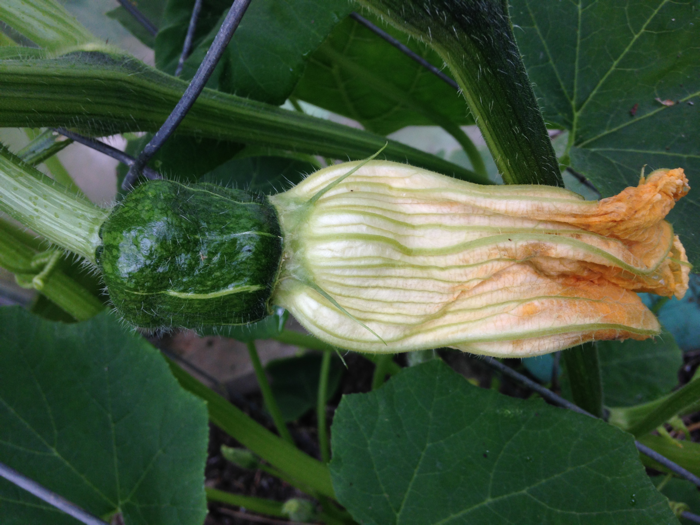
    In one of the hoop houses, the squash are starting to set. I”m not sure what kind of squash this is. I bought one several months ago. It was a squarish squash with a bit of a waist. I planted some of the seeds and will soon have a supply to last through the fall and possibly into winter. You can see the waist in the forming squash.

    SquashVine

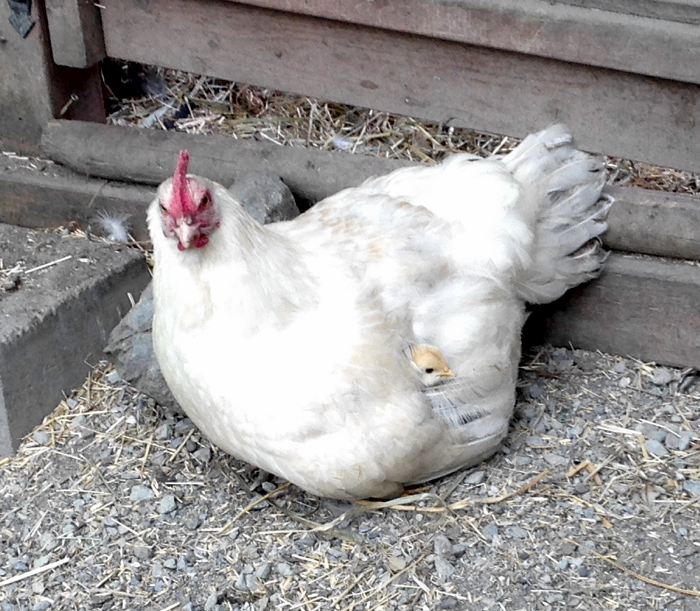
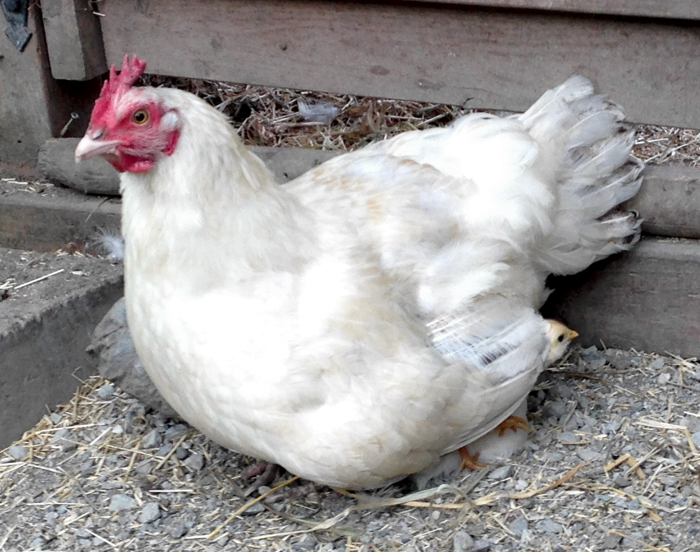
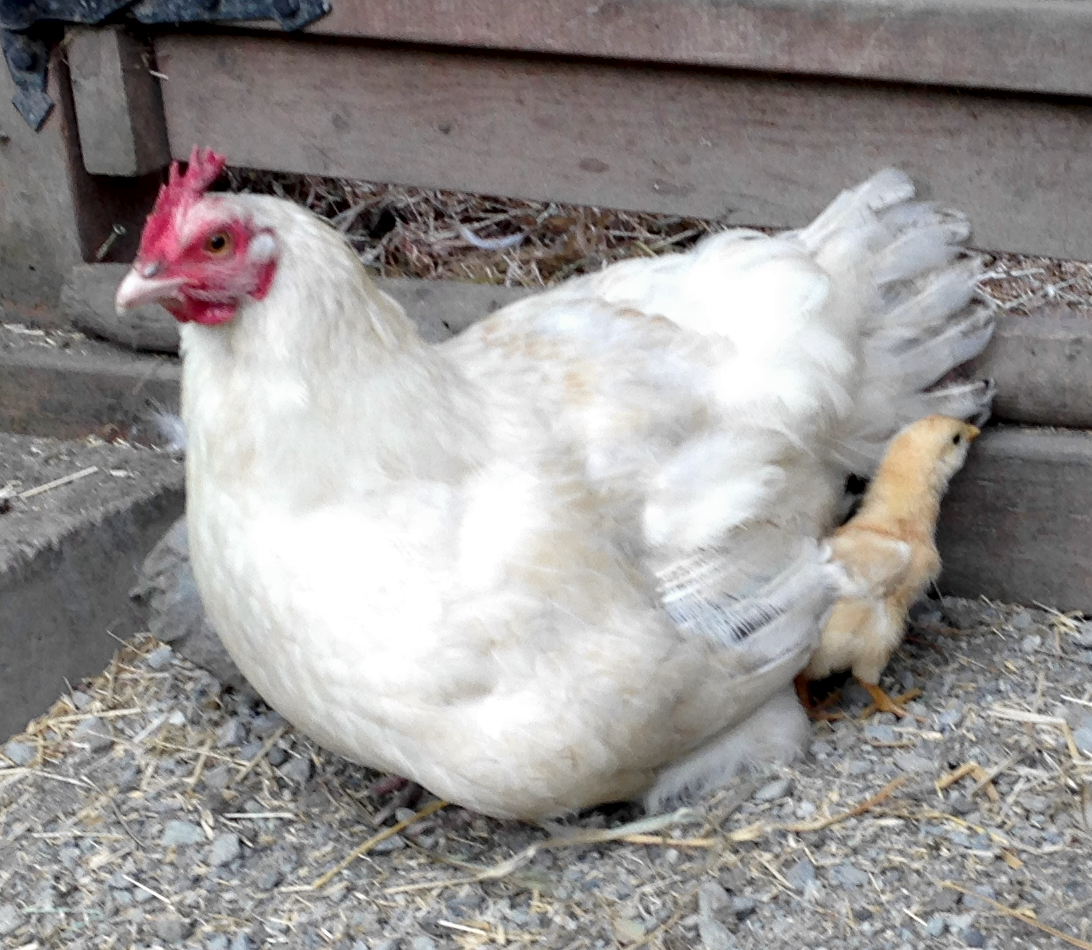
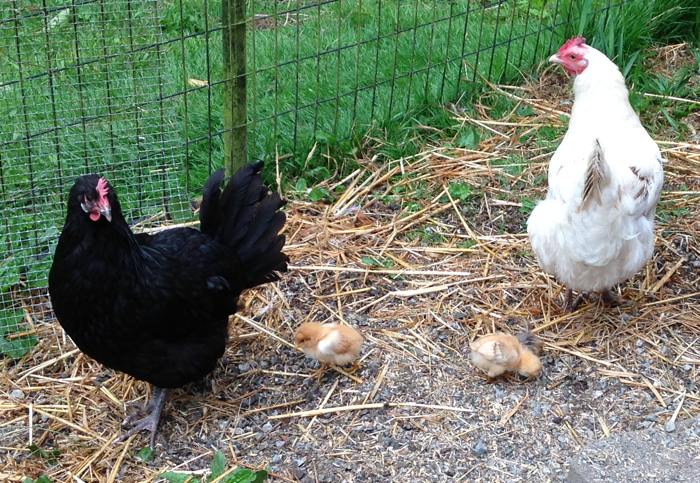
    The two mothers sharing two chicks are doing fine. It’s been over a week since their chicks hatched. The chicks go freely from one hen to the other. Sometimes the hens scold each other when they aren’t happy with the other’s child rearing methods, but for the most part they get along.

    TwoMothersTwoChick140627

    Two Moms|Summer Musings|Interracial Lesbian Mothers|More on the Interracial Lesbian Moms

  • Never In a Car

    It’s Thursday, time to take eggs and salad greens and garlic scapes to Tweets Café in Edison. I was thinking that it wasn’t that big a deal delivering my produce by bicycle. It’s only five miles, hardly far enough to use a car. Like, what sane person with good legs uses a one to two ton piece of machinery to only go five miles? That’s crazy talk.

    But what am I going to do as production ramps up? How many cartons of salad greens can I safely carry on my bicycle rack? It’s time to start designing or looking for a light trailer I can hitch to the back of the bicycle.

    RubyStreaks140626
    TweetsDelivery140626

    Then again, delivering eggs and produce by bicycle is a big deal. How often can you go to a store and buy eggs or produce that has never been in a motor vehicle? What restaurant can you go to where you can eat something that was not transported by a vehicle burning fossil fuel?

    At Tweets! Granted, most of the things you eat there will have spent time in a fossil fuel burning truck, but at least some of the eggs and salad greens will have arrived without ever having been in a motor vehicle. Kinda neat, don’t you think?

  • A Ball of Butter or Dairy Liberation

    ABallOfButter

    Yesterday I had a bit of cream left, maybe a cup and a half, so I set it out in a bowl to culture overnight to churn it into butter this morning. I ended up with a small ball of butter. It got me thinking into how little selection people have anymore when it comes to buying things like butter. It’s all made in vast quantities by just a handful of companies.

    Yet, the milk from every cow is slightly different. The milk a cow produces each day is slightly different, depending on the season and what she ate recently. Even the weather has an effect on the milk. Did she just spend a peaceful, stress free day in warm sunshine, or was it cold and dreary with a cantankerous farmer thrown into the mix? The milk from each farm varies as the vegetation the cows eat and the soil the vegetation grows on varies from farm to farm.

    But all of those wonderful differences are erased in modern food production and we end up with endless quantities of the same tasting butter no matter when or where we shop. Food safety regulations make it cost prohibitive for small, single farm dairies to exist. Which is sad as flavors which stand out occur at the micro scale, not the macro scale where everything is blended together.

    When you make your own butter, you get to decide how much buttermilk you squeeze out of the butter. This changes the consistency and taste of the butter. You get to decide how long to let your butter age on the counter at room temperature. Are you going to add a bit of yoghurt to help age the butter? If so, what kind of yoghurt are you going to use? Are you going to churn it by hand or with a mixer? You get to decide which farm’s cream to use. All of these things affect the taste of the butter you make.

    If there were hundreds of small single, farm dairies within a short distance of a city, those living in the city could have a tantalizing variety of butters to choose. People would be keenly aware of the difference between spring and fall butter, the difference between summer and winter butter. There would be prized, single-cow butters. Food critics would wax eloquently about the exquisite taste of Bertha’s butter from the McMann farm, or the robust flavor of Molly’s butter from the Svenson farm, or the sublime essence of Henrietta’s butter from the Amstutz farm. Life would be infinitely more fun!

    The last decade we’ve witnessed beer being liberated from the huge breweries. Now there are thousands of local breweries delivering a variety of beers unimaginable twenty years ago. It’s time for a dairy liberation and a proliferation of butter, milk, and cream varieties. Hopefully, twenty years from now we will look back and wonder how we managed with just a handful of butters on the grocery shelves.

    Also see: