Author: theMan

  • Ice is Alive

    decemberfrosta

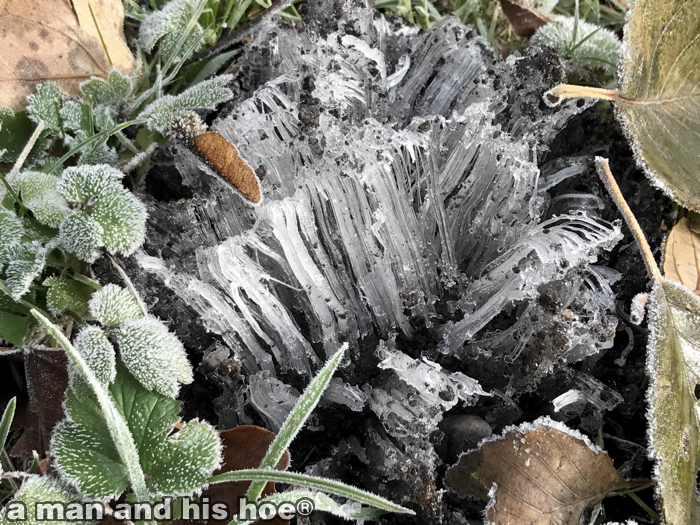
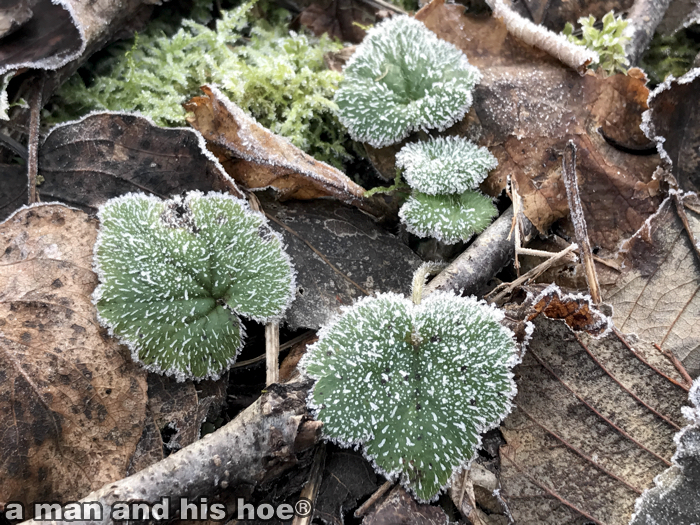
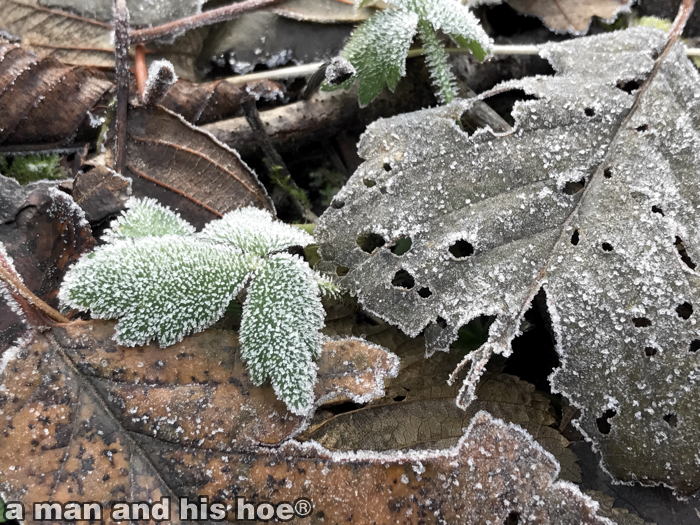
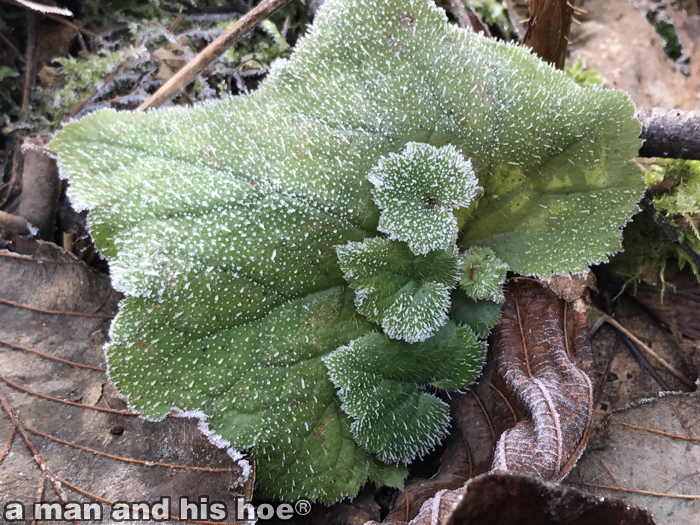
    If you watch long enough, you can see needle ice growing out of the ground. It’s as if it’s alive. The hoarfrost grows too, prickling the leaves and branches. December cold turns nature into a fairyland of ice.

    decemberfrostc
    decemberfrostd
    decemberfroste

  • Burn the Bees

    Every so often I read something that strikes me as odd. Maybe I should stop reading. I was reading a CNN article The Old Man and the Bee by John D. Sutter. The article is about vanishing bees and a Robbin Thorp, a retired entomologist from University of California-Davis, who has been obsessed with Franklin’s bumblebee, a bumblebee that has become extremely rare.

    In the article, John Sutter visits Windset Farms in British Columbia. The farm grows peppers and tomatoes in green houses that cover many acres. They used to hand pollinate the crops, but they now use bumblebees. The farm hires bumblebees which buzz about pollinating the crops from sunup to sundown. It all sounds nice and peachy, but then I read this line:

    … the bees are raised only for mass production and their colonies are incinerated after eight weeks of work …

    It made me pause. Did I read that right? The bee colonies are incinerated? I’ve reached out to Windset Farms by phone and by leaving a question on their Talk to Us web page. I haven’t heard back from them yet about their bee incineration practices. I suppose it is to prevent the bees from spreading any diseases or pests into the environment. The bees aren’t native to British Columbia, but are shipped in from commercial bee operations 2,000 miles away. It also sounds like a convenient way to treat a tireless workforce. Instead of paying them when they have finished their work, burn them to smithereens. That sure cuts down on payroll and lowers expenses.

    In the video below, Windset Farms describes how they use bumblebees to pollinate their tomatoes. “We let nature take it’s course, and let the bumblebees do the work for us,” Mike Brown, Senior Tomato Grower says, but he doesn’t mention that the thanks the bumblebees get for doing this work is being burnt to a crisp.

    [youtube https://www.youtube.com/watch?v=gfISTtYHJAA&w=640&h=360]

    I heard back from Windset Farms. They do not incinerate the bees themselves. They use them for eight weeks and ship them back to their supplier in Ontario who incinerates them.

  • Book of Dreams

    snowypine

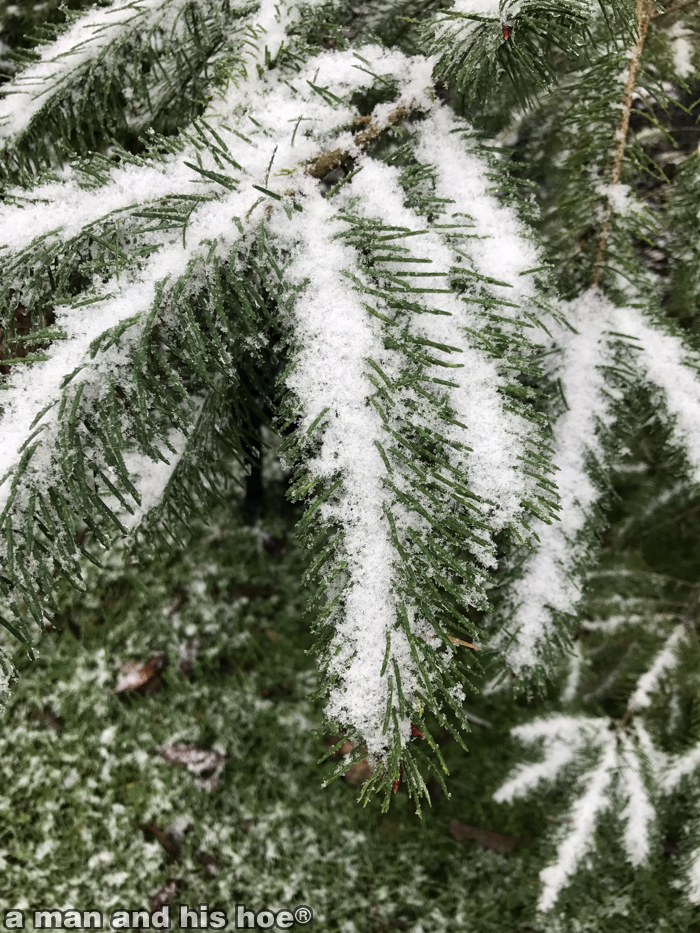
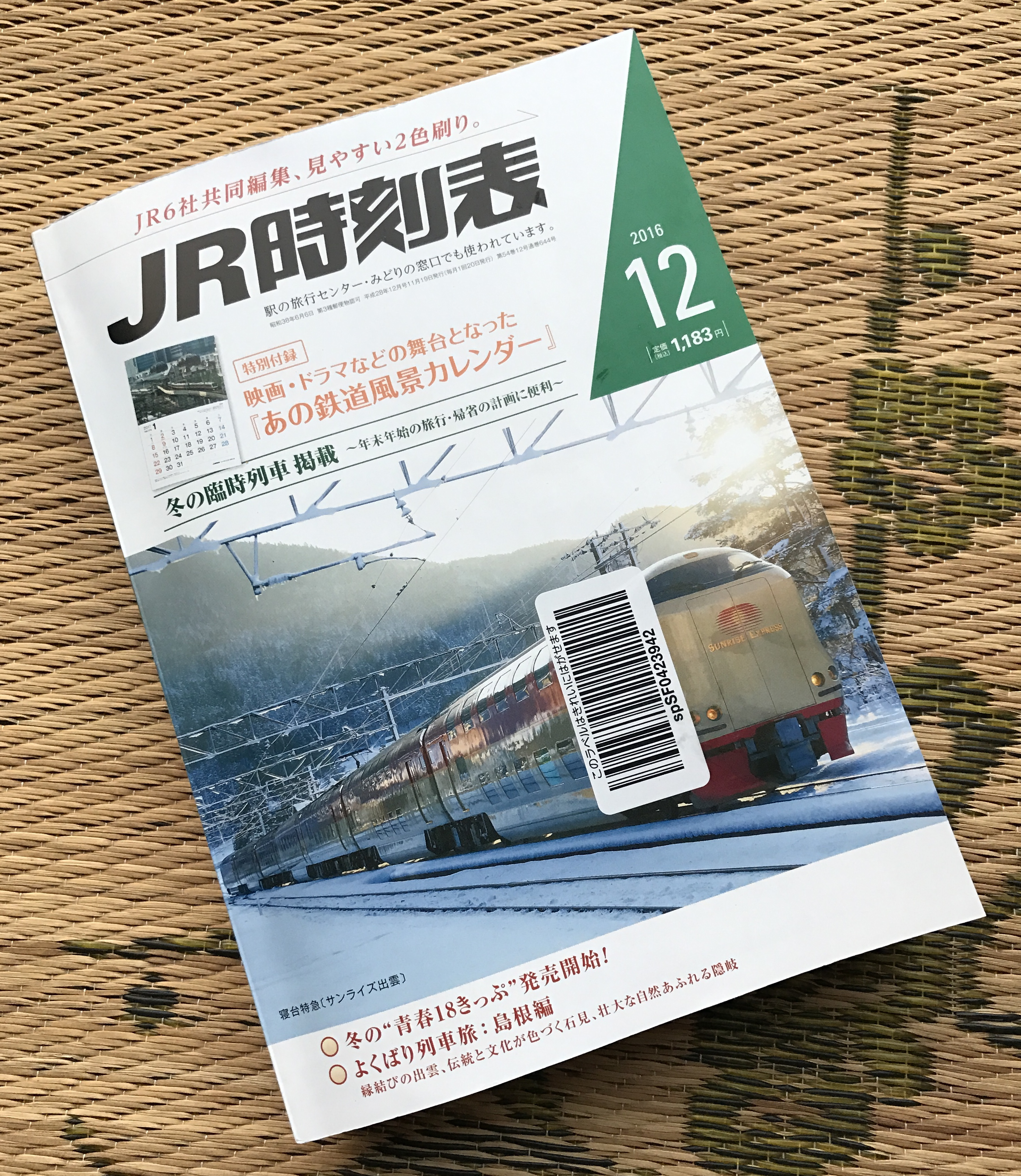
    The snow has been falling off and on all day. A good day to snuggle up with my book of dreams which arrived today, December’s Japan Railroads Timetable. Oh, if you’re concerned about the barcode label smack on the train on the cover, the label says that you can take it off without damaging the book. That’s considerate that they let you know that trying to peel off the label won’t mar your dream book.

    jikokuhyo

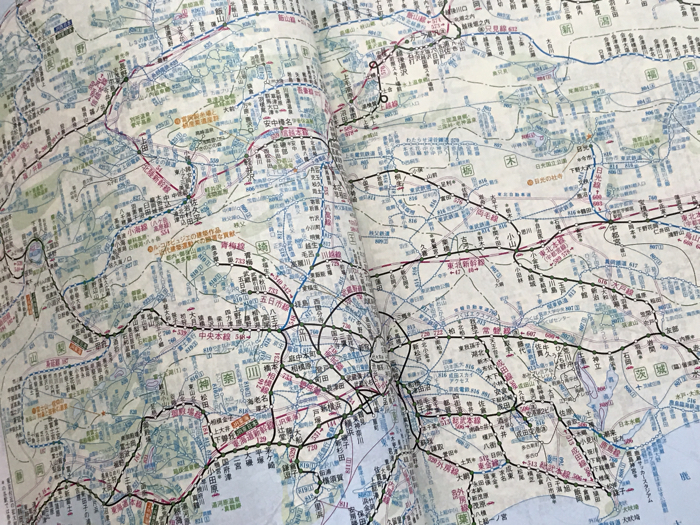
    At over 1,000 pages, it is loaded with information. It has maps of all the JR lines from the very south to the very north of Japan listing all the stations as well as many bus and ferry lines.

    jrjikokuhyob
    jrjikokuhyoc

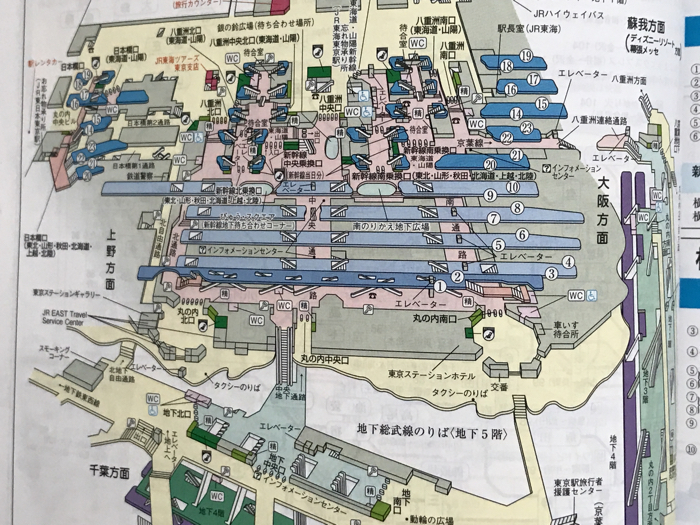
    There are detailed train station guides of major stations showing the levels and platforms used by different train lines. With these guides you can quickly determine that if you get off from car 3 instead of the car 6 you are in, you’ll be right by the stairway or escalator to take you to the level and platform you need to make that two minute connection.

    jrjikokuhyod

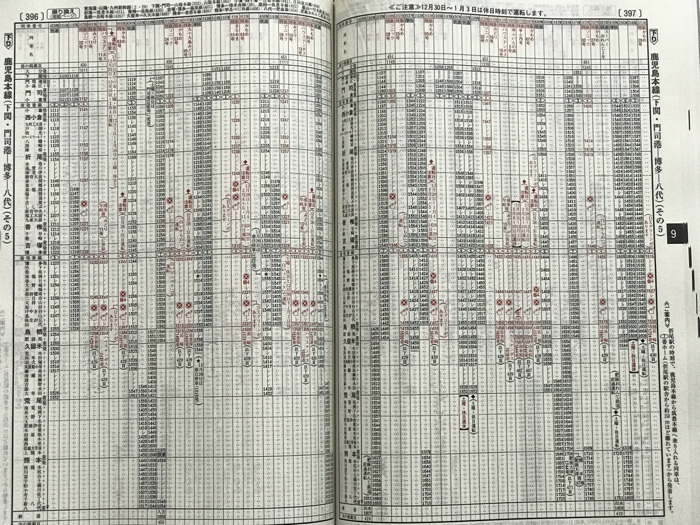
    The timetables are invaluable for deciding which train to take to where you want to go.

    jrjikokuhyoe

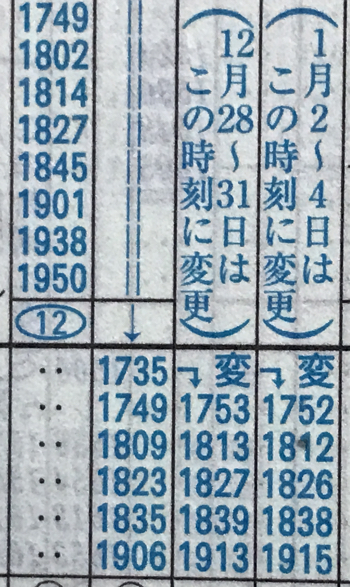
    The timetable is also chuck full of mysteries. For example, it warns you when a train arrives even one minute later or earlier on some days. In the example here on page 44, the Komachi 25 bound for Akita, arrives 4 to 7 minutes later on December 28 through 31, and 3 to 9 minutes later on January 1 through 4. What it doesn’t explain is why. In this case it must be on account of the New Years holidays, but why does the Kodama 753 train, listed on page 9, arrive in Kokura one minute early on February 2 and 9 at 21:26 instead of the usual 21:27? It makes you wonder, doesn’t it? If you need one additional minute in Kokura, those are the days to travel.

  • Shimonita Onions – 15 Months to Grow

    [youtube https://www.youtube.com/watch?v=Hqfs-EmuFrc&w=640&h=360]

    All around the world are special vegetables, and yesterday I heard about a leek type onion which is grown in only one small town in Japan, Shimonita 下仁田. It takes 15 months from seed to harvest. They are planted in October 10月. By November 11月 the sprouts are up. In February 2月 the sprouts are stepped on to strengthen their roots. In April 4月 they are pulled up and thinned. The largest ones are transplanted and the tops of the onions are cut off. In August 8月, they are dug up again, only the larger ones selected, and transplanted which makes their roots more vibrant resulting in more delicious onions. In September 9月 they are tilled. In October 10月 they are hilled. The harvest begins in December after frost has made them sweeter. They are only available from December through February.

    Raw, Shimonita onions are three times as hot as regular onions, but when they are cooked, they are very sweet, and a much sought after onion. Farmers in many parts of Japan have tried growing them, but even after decades of trying, no one has been able to replicate the taste of those grown in Shimonita. It is said that onions grown even just a few miles away don’t taste the same.

    The video above has no words and shows how the onions are grown over 15 months from seed to harvest. You don’t need to be able to read the short descriptions in the video to understand how they are grown.

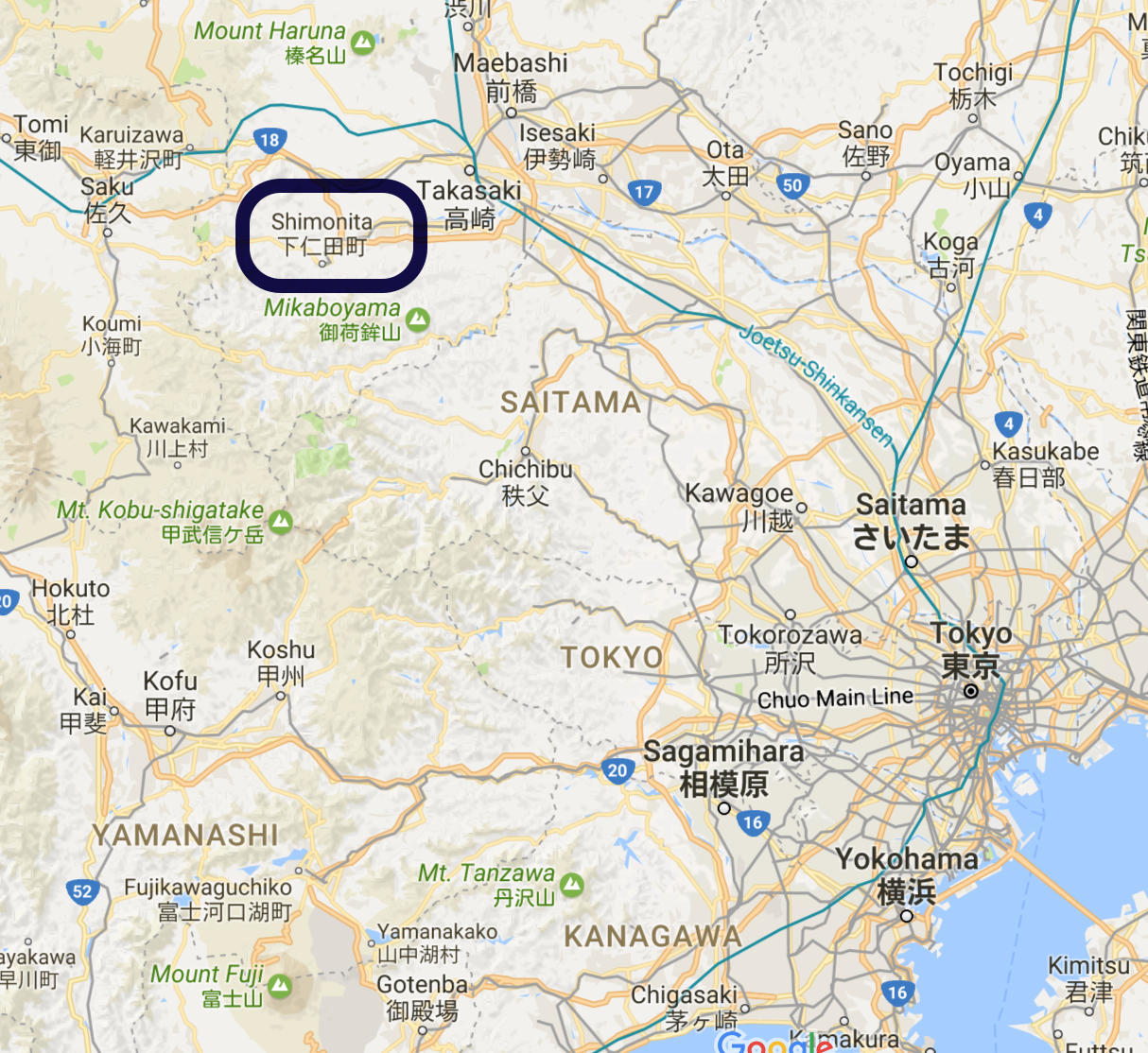
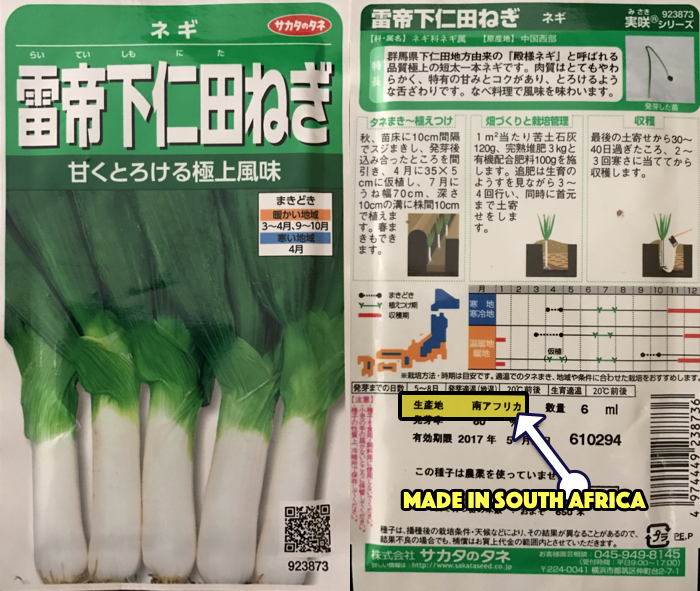
    I’ve ordered a packet of seeds and will try my hand at growing them next year. Shimonita is about 75 miles northeast of Tokyo.

    shimonitamap

  • Shh, the Garden Is Sleeping

    gardensleepsa

    The garden is fast asleep under a blanket of snow softer than down. It’s been four years since we’ve had a snow this thick. It’s not a heavy snow by no means. Eight years ago we measured the snow by the feet, we were snowbound for a week, our well froze, and we survived by melting snow on our wood stove for water until it warmed enough for the well to thaw.

    gardensleepsb

    The garden may seem asleep, but underneath the snow, an army of bacteria and fungi are crunching through the remains of this year’s vegetables, breaking them down and turning them into soil. According to Dr. Elaine Ingham of The Soil Food Web:

    The most rapid rates of decomposition ever recorded on this planet, in any ecosystem, occur in the winter, under the snow, in temperate areas.

    According to her, at the surface of the soil, where there is free water in the interface between the snow and soil, conditions are perfect for bacteria and fungi to thrive. Deeper in the soil, garlic, shallots, and potatoes are sending out roots, preparing for spring, just a few months away.

    On December 21, 2016, at 10:44 Universal Time, 2:44 am Pacific Time, just 12 days away, the northern hemisphere starts to tilt toward the sun again. For gardeners, it is the start of a new year.

    gardensleepsc
    gardensleepsd
    gardensleepse