Category: Reflections

  • Little Known Connections – Japanese Curry and Vermont

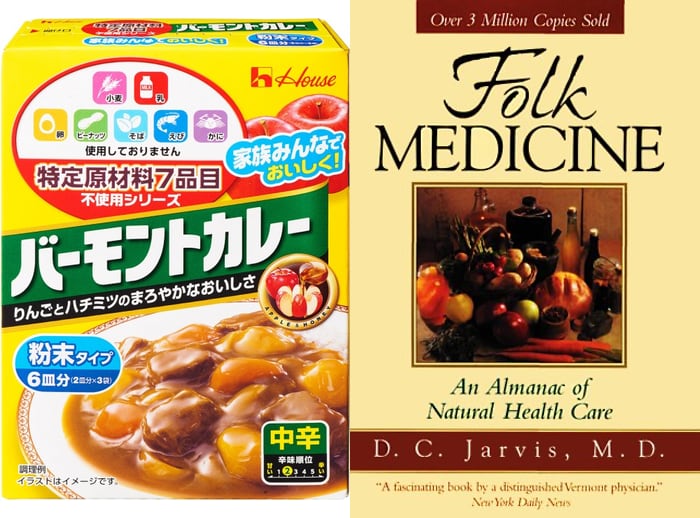
    House Vermont Curry and Folk Medicine cover

    Growing up in Japan, I saw many advertisements for Vermont Curry by House Foods, one of the largest food manufacturers and brands in Japan. House Vermont Curry ads with their catchy tune were everywhere. I had a vague idea where Vermont was and thought they ate a lot of curry there.

    Why Vermont? I don’t think there is such a thing as Vermont Curry in Vermont. According to Wikipedia Japan, House Vermont Curry was launched in 1963. It comes in three levels of spiciness, mild, medium, and hot. The medium variety of House Vermont Curry is the number 1 selling curry in Japan today, mild is #2, and hot is #6, so Japanese eat a lot of Vermont Curry to this day.

    The History

    Reading the Wikipedia history, House was working on a curry using apples and honey in the early 1960s. At the same time, Vermont therapy was the rage in Japan. Vermont therapy? In 1958, a fifth generation Vermonter, Dr. Deforrest Clinton Jarvis (1881-1966), published his “Folk Medicine: A Vermont Doctor’s Guide to Good Health”. He advocated doses of apple cider vinegar and honey three times daily “to prevent and/or cure many common illnesses including arthritis, rheumatism, asthma, high blood pressure and colds.”

    His ideas reached Japan and became popular. House seized on the popularity of Vermont Therapy and slapped the name Vermont on their new curry. It is the most popular curry in Japan a half century later.

    I’m sure Dr. Jarvis had no idea his book would lead to the development of the best selling curry in Japan. Vermont Curry sounds a lot better than Dr. Deforrest Clinton Jarvis Curry, which would have been a flop.

    Hey, Bernie, here’s an idea

    I doubt many in Vermont are aware of this. Maybe Bernie could start tossing out boxes of Vermont Curry at his rallies. People could really feel the Bern then. Some town in Vermont could start up a huge travel industry by picking a log house where the “original Vermont Curry” was made when an immigrant from India was holed up all winter in the cabin with a Mohican and a French Canadian, and the three of them developed a curry with apples and honey. Vermont could have direct flights from Japan with tourists lining up to taste this original Vermont Curry dish in three flavors: French Canadian Mild, Mohican Spicy, and Indian Flame Thrower.
  • Swan Heaven


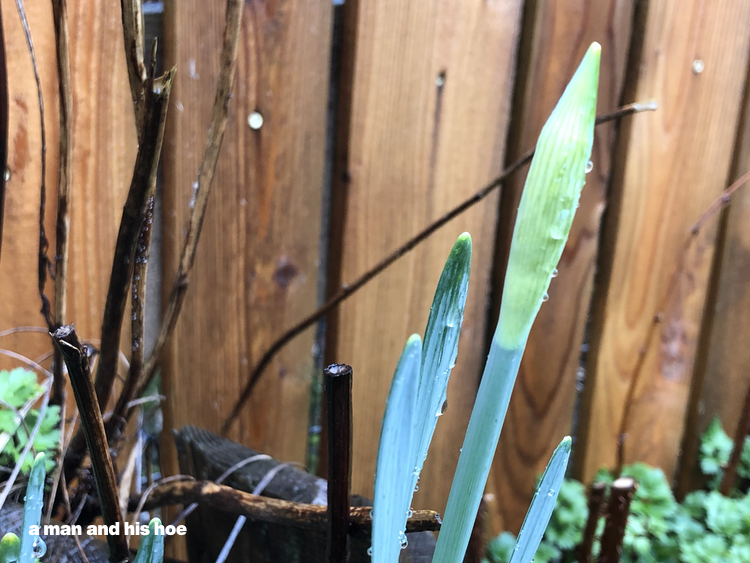
    The first daffodil bud of spring gets taller and fatter each day. Someone forgot to turn off the hose a number of days ago. That was evident when I had to go down into the valley for some things today.


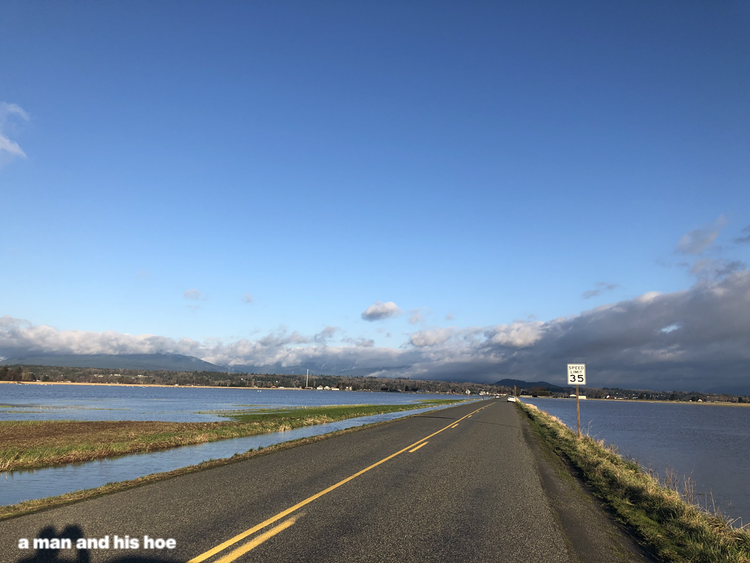
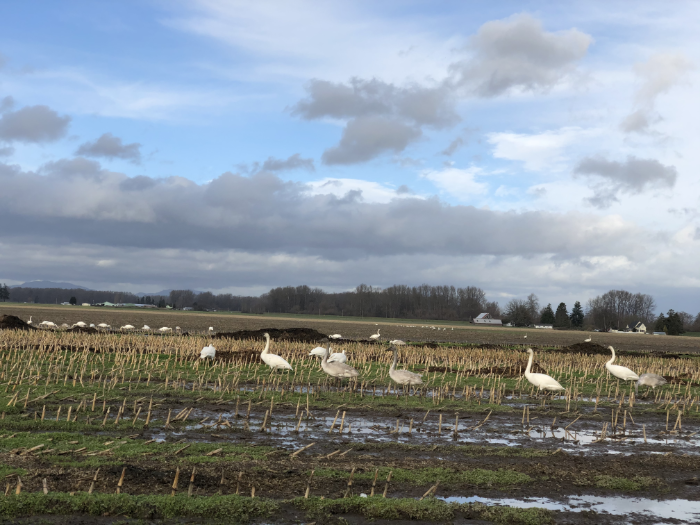
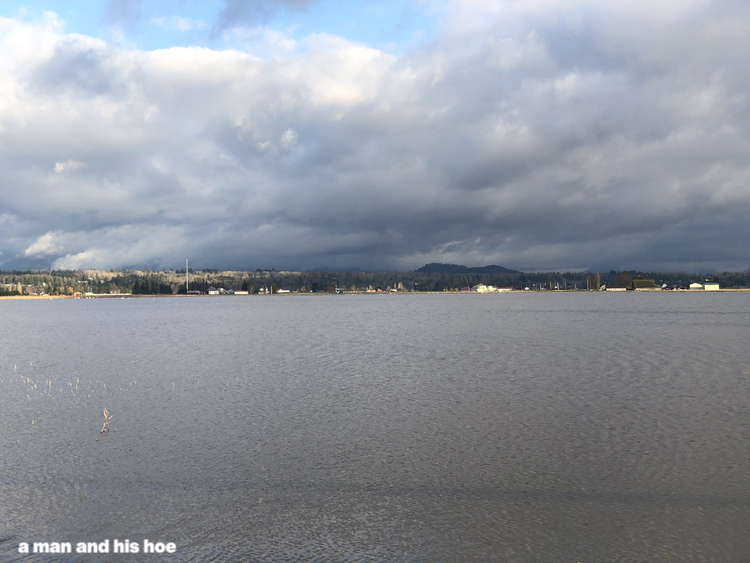
    Many of the corn, wheat, potato, and vegetable fields were expansive lakes today. Roads through the fields turned into mile long causeways.


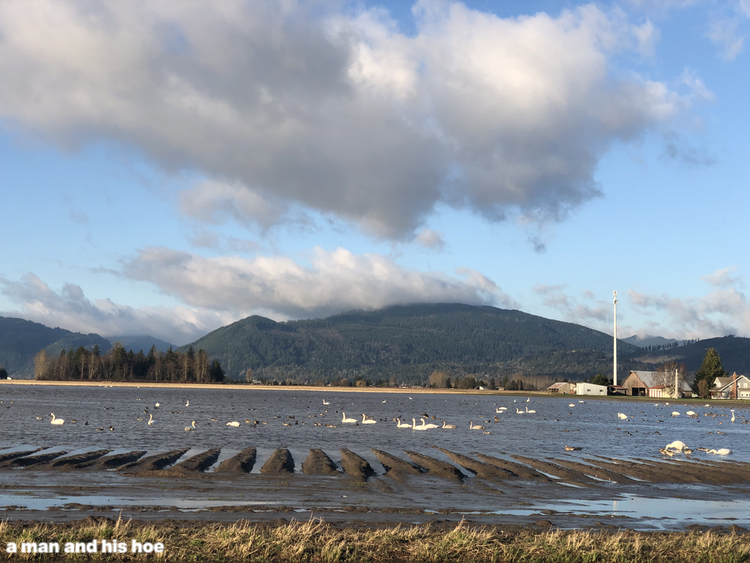
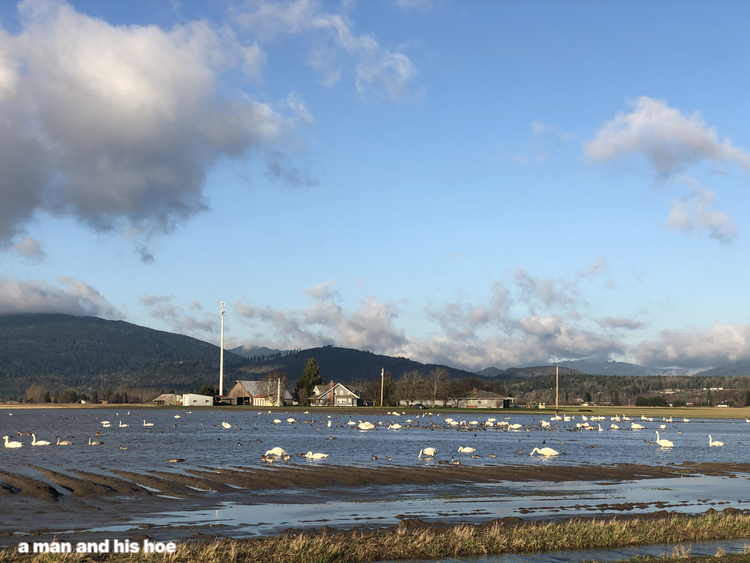
    Hundreds of swans and thousands of ducks were in heaven today. For the swans it is much easier to float through a corn field than to waddle between the rows.

  • Winter’s Last Day


    On the Japanese calendar, this year Setsubun 節分, the last day of winter, falls on February 3, today. I’m ready to say good bye to winter and hello to spring. On Setsubun families throw roasted soybeans out the door and yell, “Demons out! Luck in!” Many gather at shrines and temples where priests toss beans out with the crowd yelling, “Demons out! Luck in!”

    Setsubun translates to division of the seasons: setsu 節 season and bun 分 divide. Technically there are four of these during the year, but whenever you hear Setsubun it is the end of winter that people are talking about.

    Tomorrow, February 4, is Risshun 立春, the first day of spring. Yeah, I’ll go along with that. Why wait until March 19 when by then, winter will be a memory and spring will be in full force? Might as well get an early start to spring. Nature is. A flock of robins showed up today. If robins say spring is here, who am I to argue with them?


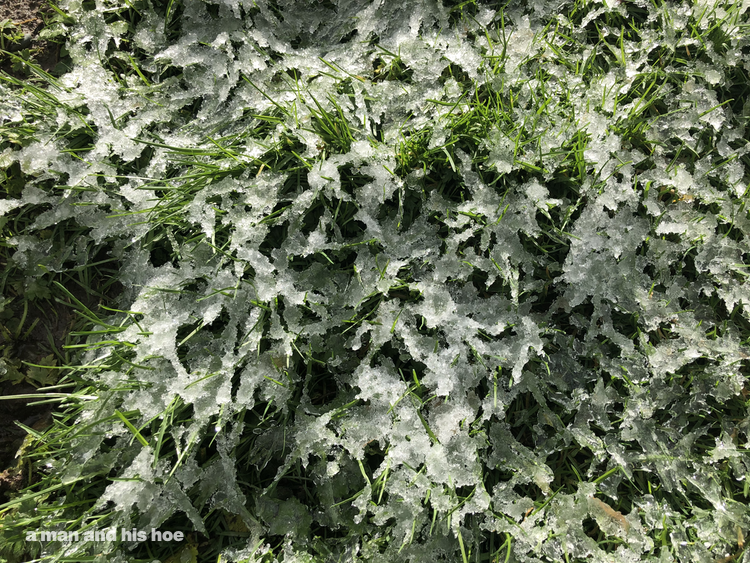
    Fitting for the last day of winter, we had a bit of snow during the night. This morning it was an usual thick lace of slushy snow. I’ve never seen a snow like this. You can live for many decades and still see a type of snow you’ve never seen before. With infinite varieties of snowflakes, infinite combinations of temperature, humidity, wind, and what not, it’s not surprising that there are infinite varieties of snowfall which would take an infinite number of years to experience them all. Future generations will see varieties of snow I can’t begin to imagine.


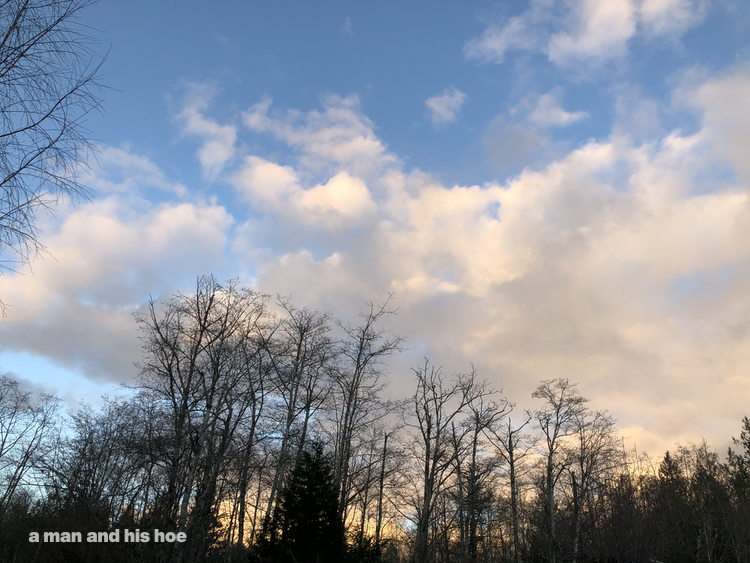
    These skies are befitting a last day of winter. Good bye winter, see you again nine months from now.

  • Take a Shower for Six Months


    January was one of those months where the adage, “Thinking about moving to the Pacific Northwest? First, take a shower for six months long and see if you like it,” rang true. Many locations around here had from 28 to 30 days of rain in January.

    February started on a better note, lots of blue skies, a stiff breeze, and on this second day of February it isn’t raining, so two out of two days with no rain is a winner for me.


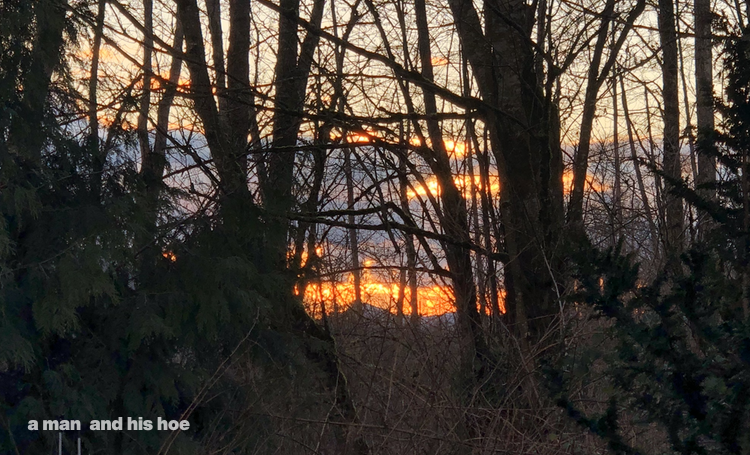
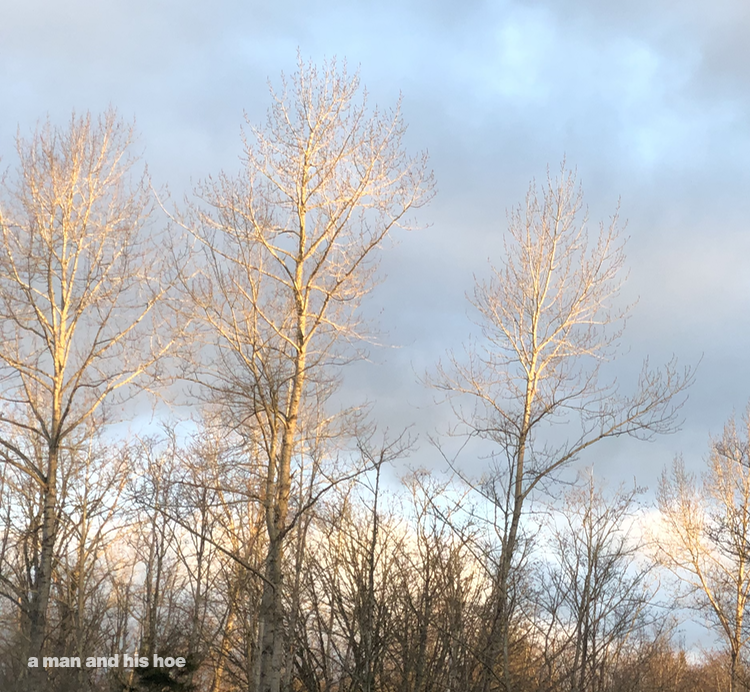
    See, this morning the sun has lit the cottonwood trees on fire. It’s odd that we don’t have different words for trees. A tree bare of its leaves in the winter is an entirely different thing than a tree in the summer with all its leaves. It’s an entirely different thing in spring when the leaves are still tender, and yet another thing in the fall when its leaves are burning red and orange. For humans we’ve got words like infant, teenager, adult. For deciduous trees we could have four separate words for when they are bare, when their leaves are still tender green, when their foliage is full in the summer, and for when they are in color.

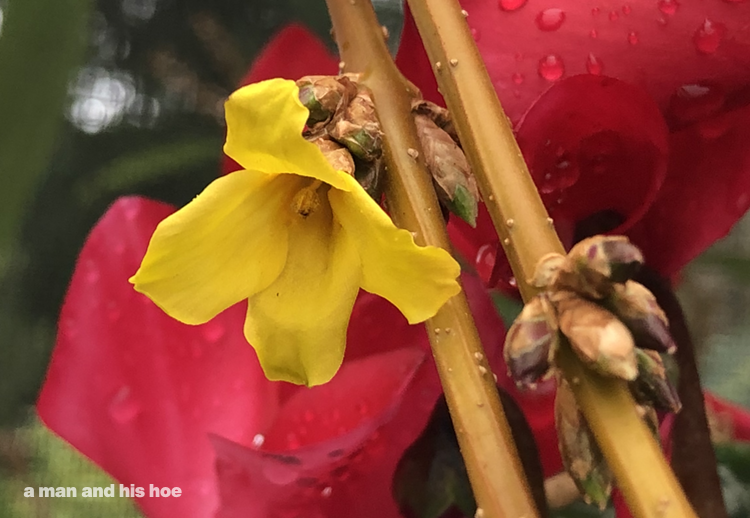
    The steady January rains haven’t stopped the forsythia from starting to bloom. Daffodils and tulips are pushing out of the ground too. All in all, it’s been an unusually warm winter.


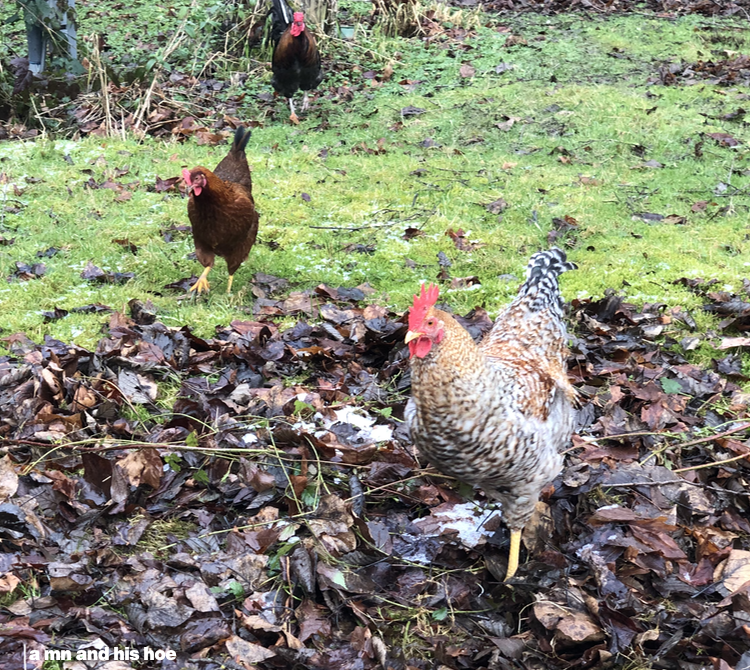
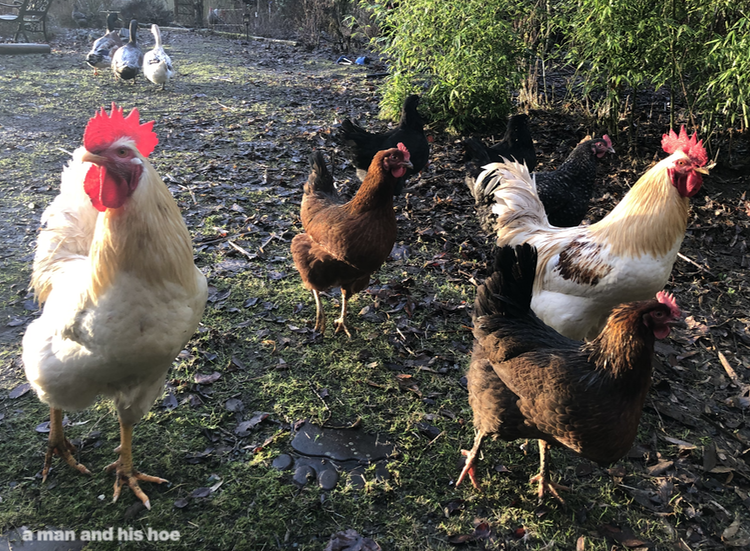
    You know I am making tofu in the cabin when you see the chickens come running out to the cabin. They are eager to get the leftovers. I’m sure they are wondering why I don’t do it every day.

  • How Does a Trumpeter Swan Wash Its Face?


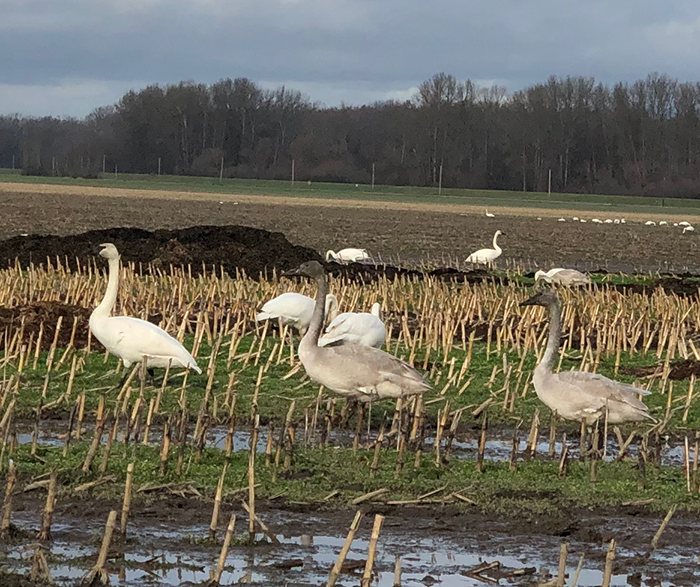
    A drive to Fir Island took us past field after muddy field full of trumpeter swans. The cygnets are as large as their parents now, with some starting to show white feathers. They do love digging around in the mud. We saw a cygnet with its face coated in mud, which made me wonder how a swan washes its face. Does it stick it in water and give it a good shake? Take to the air and hope the wind blows the mud off its face?


    These are big birds, the largest water fowl alive today. Chatty too. You can close your eyes and hear them talking to each other. As they walk, they say something every few steps, soft, soothing honks.

    It’s hard to believe now, but around 1933, fewer than 70 were known to exist. They had been hunted nearly to extinction. How much poorer we would be if this species had gone extinct. I certainly wouldn’t be enjoying winters with thousands of them spending the season in this valley. How a trumpeter swan washes its face is something that wouldn’t cross my mind.

    Which shows the depravity of economics. If it doesn’t involve the exchange of money, things have no value to an economist. GDP, the thing economists and politicians worship places no value on trumpeter swans, no value on unpaid work, no value on most of the things that make life on this planet worth living. I listened to a fascinating talk today, “The Unpaid Work that GDP Ignores and Why It Matters” by economist Marilyn Waring on the subject. We need a political and economic system that values what makes life worth living.

    Nicola Sturgeon also gave a though provoking speech along these lines, “Why Governments Should Prioritize Well Being”.