Category: Reflections

  • Art Happens Despite What We Do

    20150310ArtWoodPieces

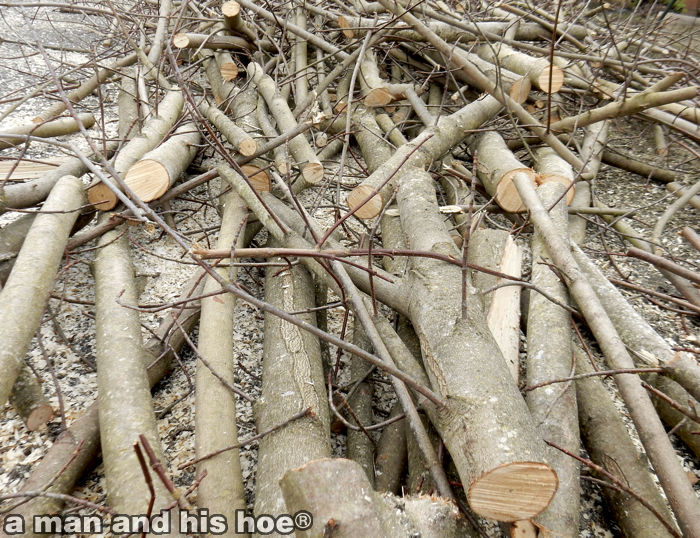
    An art installation isn’t the intention when we trim a maple tree. But the jumble of branches and twigs does look like an art installation destined for a museum. I could see art critics pondering the meaning of all these branches and twigs, with some pontificating on the significance of that branch being on top of this branch.
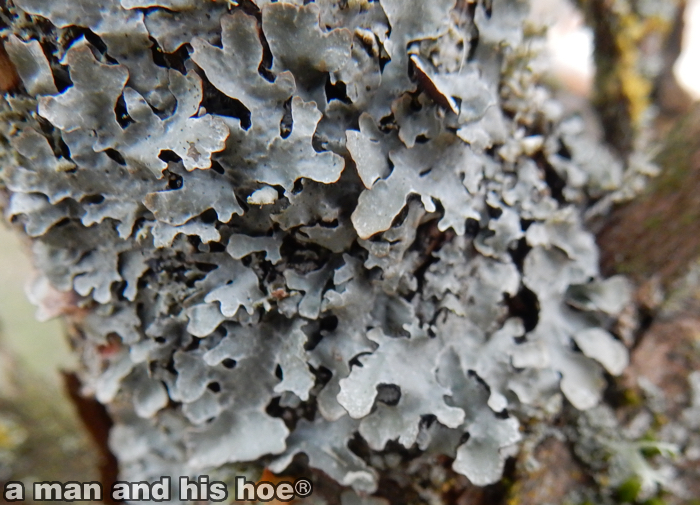
    20150310ArtLichen

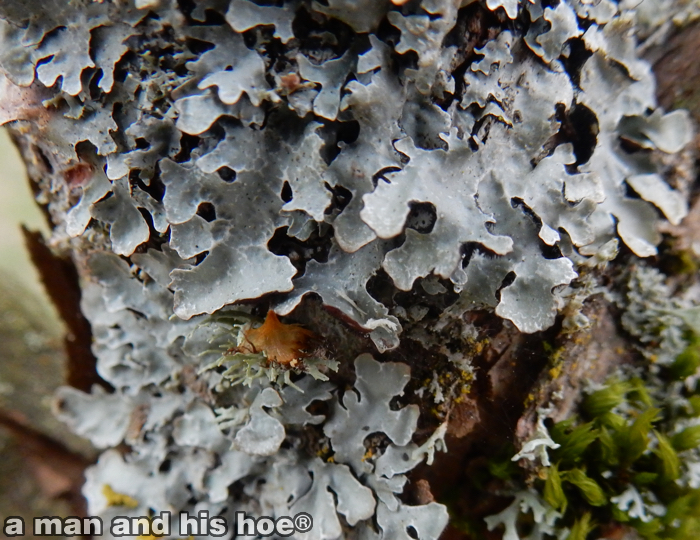
    One thing worth pondering is the beauty of lichen. Some consider lichen to be a miniature ecosystem. They are complex structures of fungi, algae and cyanobacteria, and even more participants. Since they are the first things to colonize exposed rock and growing trees, it’s estimated according to Johnson R. Haas and O. William Purvis in Lichen biogeochemistry that they cover 6% the Earth’s land surface.
    20150310ArtLichenB
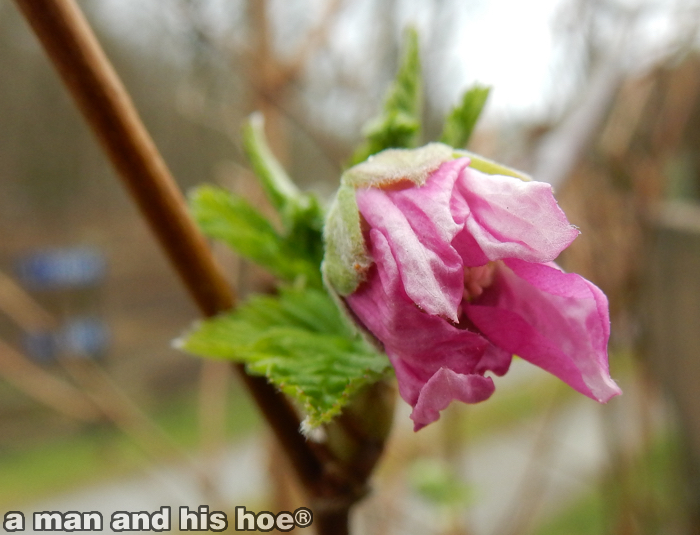
    20150310ArtThimbleBud

    The thimble berries are starting to put on their annual art show. It starts with delicate pink flowers, followed by blood red berries in early summer. It’s an art show worth following. In unfolds beautifully and in the end you get to eat the art show.
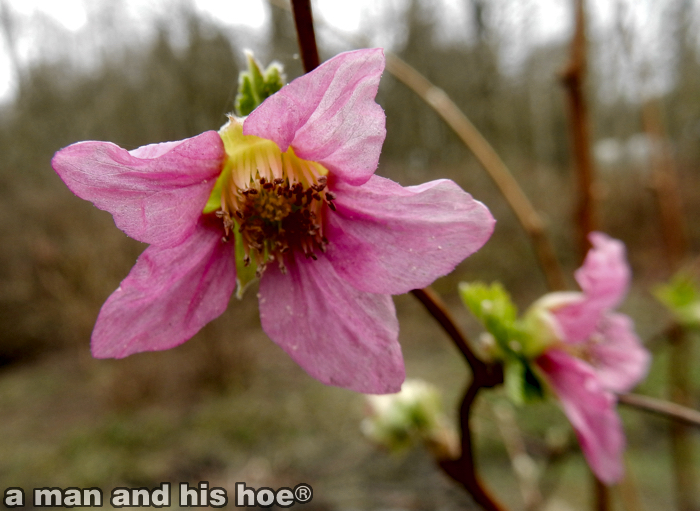
    20150310ArtThimbleBlossom

  • Nakedness Becomes You

    NakednessBecomesYouA

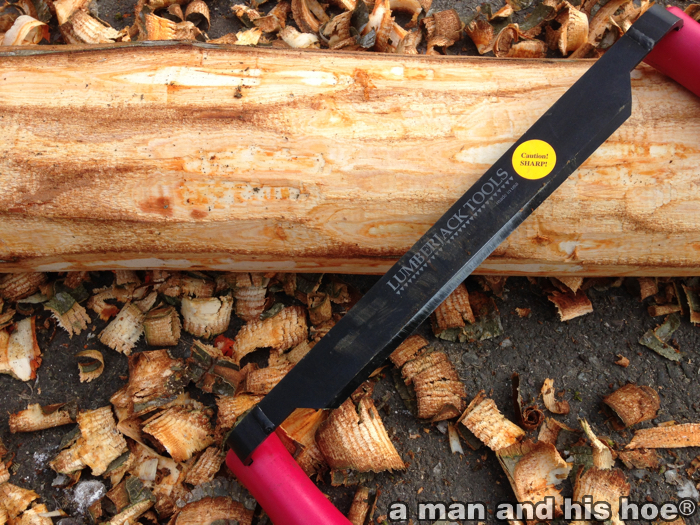
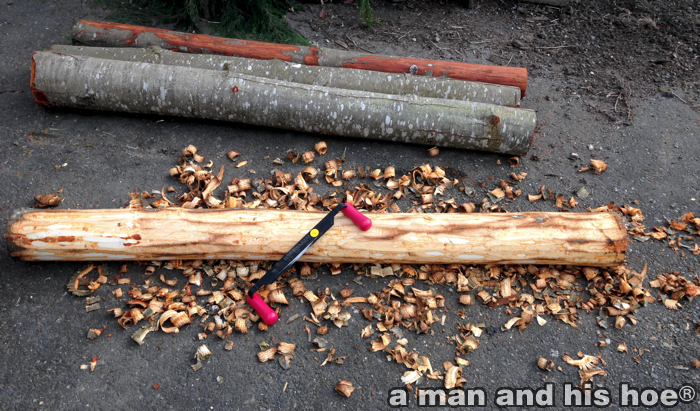
    It’s always fun to get naked. Whether alder logs find it as exciting to strip down as we do, maybe not. Alder logs do have a sense of shame. When they get naked, they turn crimson with embarrassment. Either that, or they tan easily. See how red the log at the top is, and it’s only partially naked.

    Which looks nicer? The clothed or naked alder logs? I used a blade knife from Lumber Jack Tools to peel the bark off a future log post.

    NakednessBecomesYouB

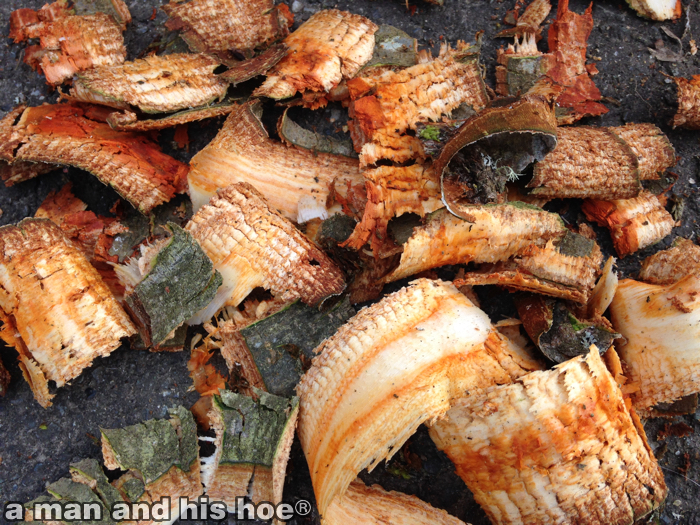
    The bark curls make great mulch and path beds. Cover a path with them, and they sop up the moisture, and make a fresh fragrant path.

    NakednessBecomesYouC

  • The First Nettles or What’s for Dinner Tonight

    TheFirstNettlesA

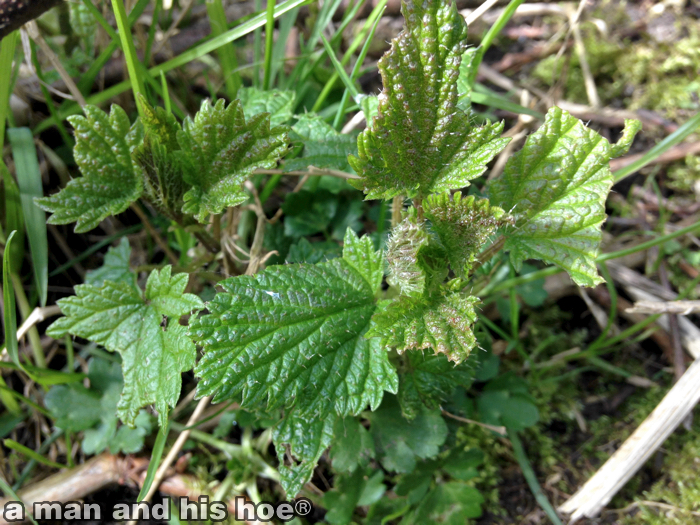
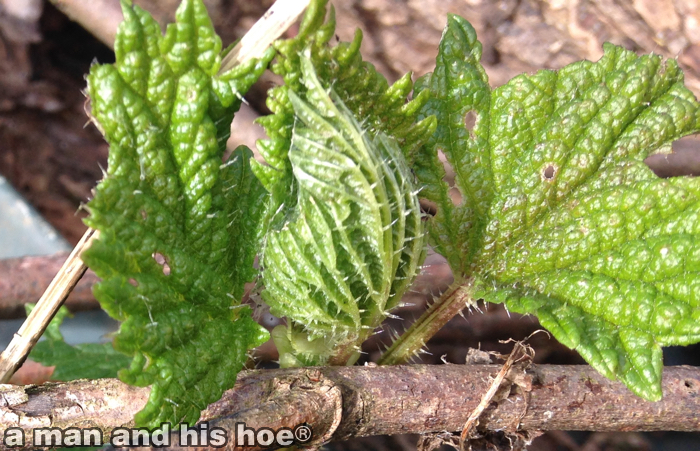
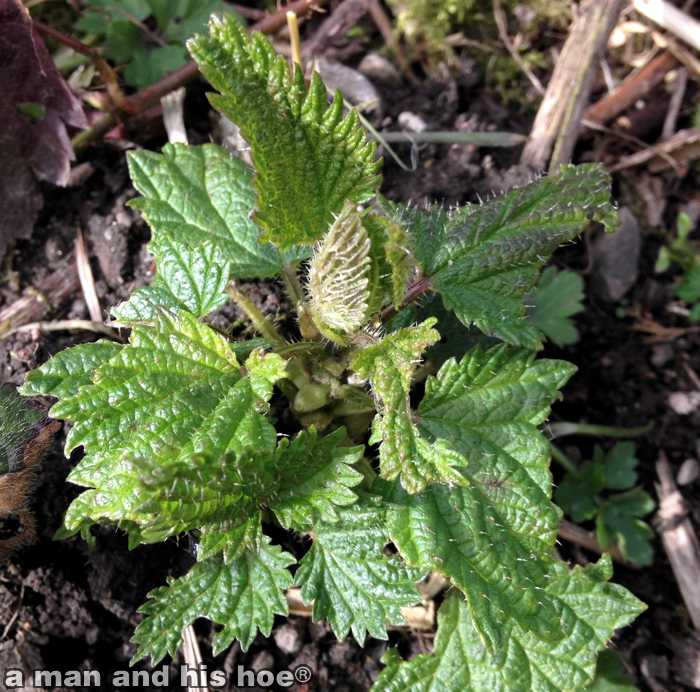
    Each week there is something new to celebrate. This week it is nettles. Yesterday I saw some nettle nips for sale in the store, so today I went to check on our nettle patches, and discovered many nettles sprouting. Tonight’s dinner will be a celebration of the first nettles of the season.

    Nettles (Urtica dioica) are rich in vitamin A, vitamin C, iron, potassium, manganese, and calcium. The Bottle Inn in Dorset, England, has a raw nettle eating contest. That I will leave up to you to try.

    TheFirstNettlesB

    Japanese celebrate many firsts during the year. The excitement on yesterday’s weather report was that the first strong wind of spring might blow. Today, February 22, it was official. Parts of Japan recorded the first 春一番 (haru ichi ban) of the year, which translates to “the first one of spring”. It is not any strong wind. It has to meet these conditions:

    1. It has to blow at least 8 meters a second (nearly 18 miles and hour).
    2. It has to blow from between the east south east to west south west.
    3. It has to blow on a day warmer than the day before.
    4. It has to blow between the start of spring (February 4 this year) and the spring equinox (March 21 this year).

    There are many wonderful “firsts” to celebrate each month. Tonight it will the first nettle soup of 2015. Soon it will be the first rhubarb of the year followed by the first asparagus. Those should be national holidays.

    TheFirstNettlesC

  • Working Hard

    BBandEchoAtWorkA

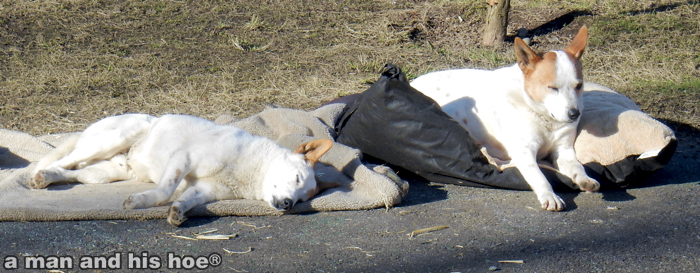
    Guarding a flock of chickens is hard work for our two dogs. It requires hours laying perfectly still, soaking up the warm sunshine. With one ear to the ground, and the other facing the sky, they can hear the soft footsteps of approaching coyotes as well as the wind rustling through the wing feathers of hawks soaring high in the sky. They’d rather be out chasing deer in the woods and hunting for rabbits, but they are duty bound to stay near the chickens, patiently listening for any danger. It’s hard work, but someone has to do it.

    BBandEchoAtWorkB

  • It’s Sad

    Every day is a good day, but that doesn’t mean that sad things don’t happen. And it’s sad when you find agencies like the American Egg Board making audacious claims which just aren’t true. For more than a month I’ve been trying to get the American Egg Board to send data to prove their claim that “Most eggs reach the grocery store just one day after being laid and nearly all of them reach the store within three days.” I have never found such fresh eggs in any store, have you?

    The images below are from a handout I found on the American Egg Board website this morning in their handout titled “An Egg’s Journey – From the Farm to Your Table” in which they make an even more audacious claim that “Most eggs reach the supermarket just one day after being laid!”

    AnEggsJourneyA

    To reinforce this claim, they ask a question about it at the end of the handout:

    AnEggsJourneyB

    After reading that, I thought that maybe I wasn’t checking the right stores. So I called the local Costco this morning and asked them what packing dates were on their eggs. Costco moves a lot of eggs, so if any store in the area has fresh eggs, it must be them. A kind employee checked their pack of 5 dozen eggs and told me that the pack date was 028, which means the eggs were packed on January 28 because that is the 28th day of the year. Today being February 13, it means those eggs are at least 16 days old. Where are these one, two, and three day old eggs the American Egg Board keeps claiming are in most stores?

    What is odd, is that after emailing the American Egg Board this morning about the handout, the link to the handout www.aeb.org/images/PDFs/Educators/AnEggsJourney.pdf is no longer in the Lesson Plans and Materials section of their website. Maybe things aren’t as sad as I thought.