Category: Reflections

  • Living Sculpture

    The Hakone Open-Air Museum is an amazing outdoor museum in Hakone, Japan. Located up in the hills, you take a cog-wheel tram which climbs steeply through a lush, narrow canyon up to the town of Hakone. The tram starts at sea level in the town of Odawara and by the time you reach the stop for the museum, you are at an elevation of 1,768 feet or 539 meters.

    Decades ago, when I visited the museum for the first time back in my college days, there was one piece that really made an impression. I don’t recall the artist or the exact title, but it was a metal piece that looked like a massive crane pointing down at you. It may have been twenty of thirty feet tall, and the description was something like “A gun to shoot sparrows” (Found it!).

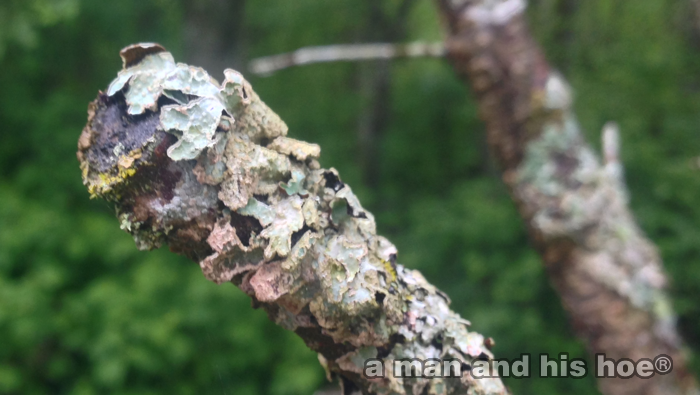
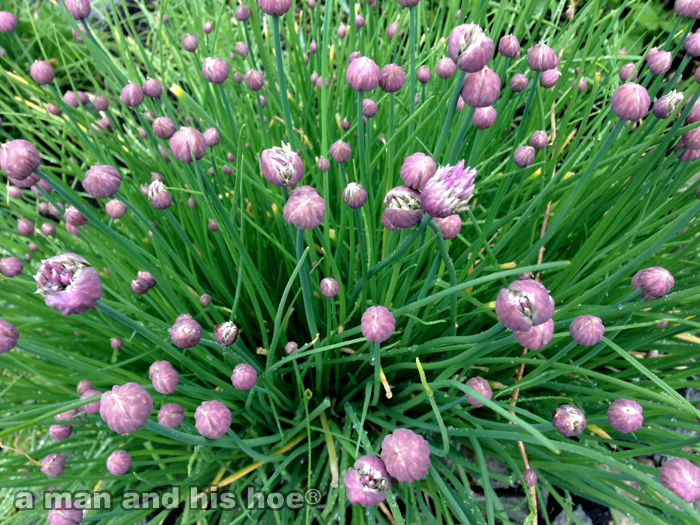
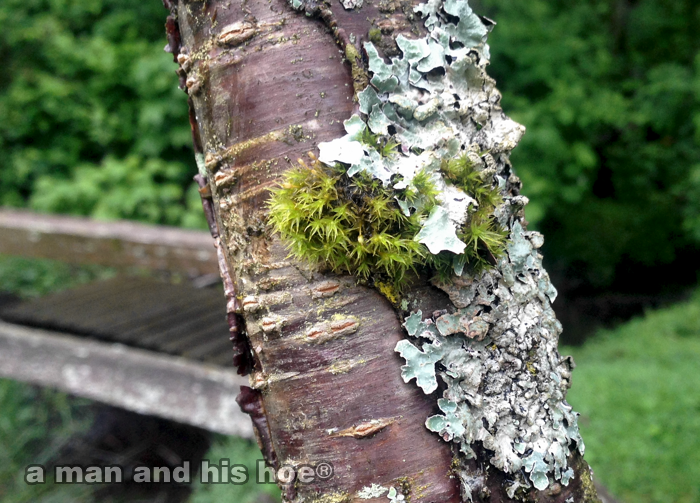
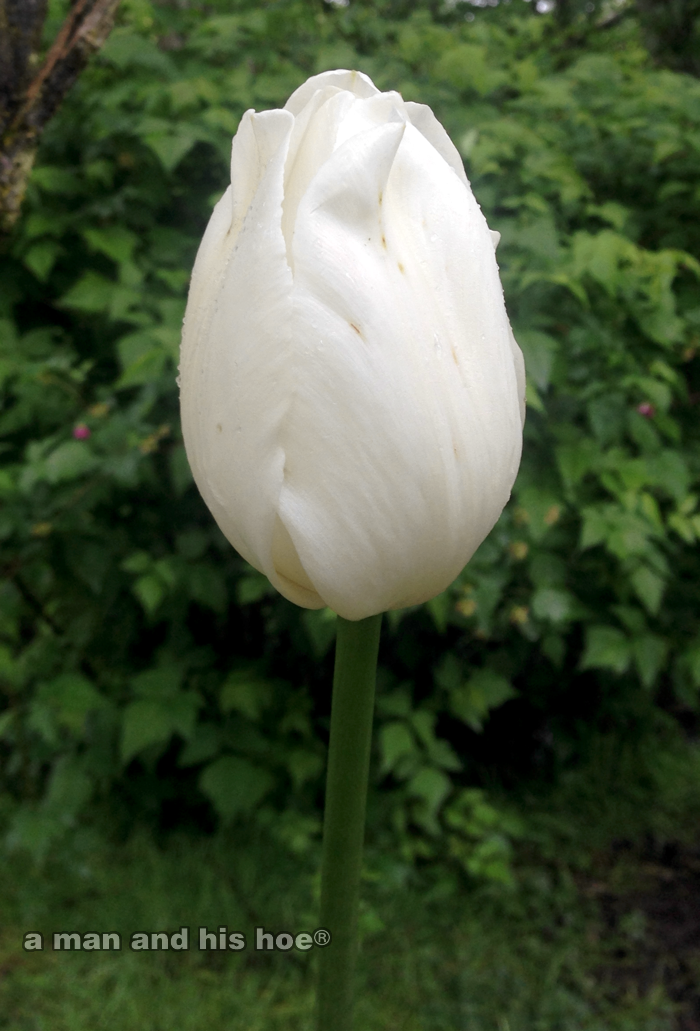
    There are a few outdoor scupltures here at a man and his hoe®, but the sculptures that really impress are the ones nature creates. These are the living sculptures. The ones that change day by day, hour by hour, minute by minute, second by second. Truly amazing shapes of all sizes, colors, and textures.

    What is remarkable is that many of these are edible. The great thing about being able to pick your food while you make your meal, is that when you sit down to eat the salad or dish you prepared, you can picture the beautiful setting where that onion or lettuce or cucumber or cherry or apple came from. You can remember all the shapes that fruit morphed through, from bud to flower to green fruit to ripened fruit. It adds another dimension to your eating pleasure. Gathering your food becomes an integral part of the recipe. It is like the sensations you feel while you knead the dough, or rub spices into your food.
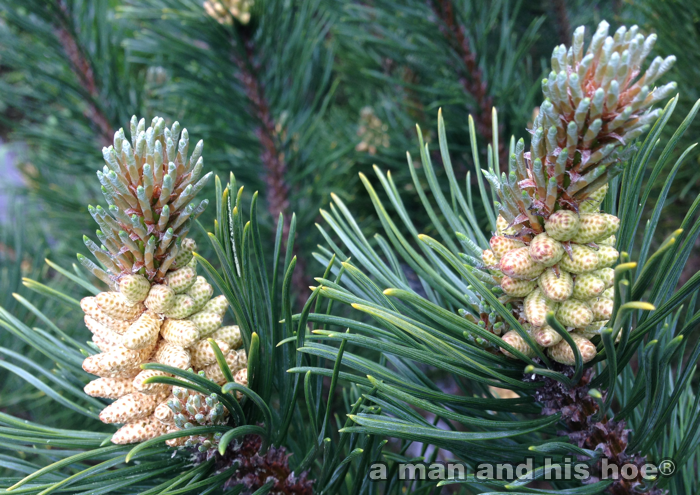
    BabyPineCones
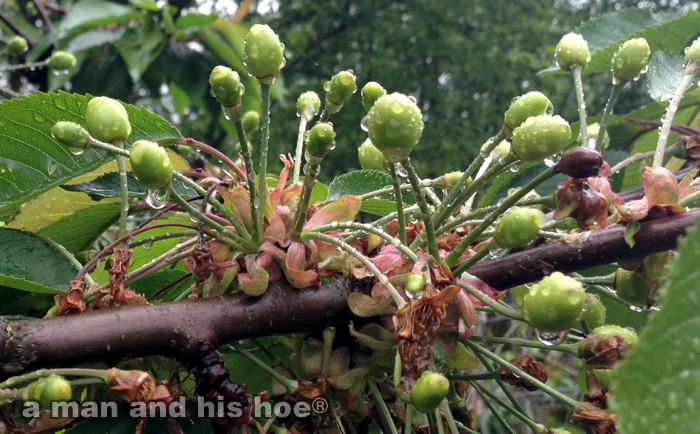
    BabyCherries
    BranchWithLichen
    ChiveFlowers
    MossOnCherryTrunk
    WhiteTulip

    A great meal is much more than just sitting down at the table and eating what is in front of you. It starts with collecting the food in the first place. Pushing a cart through a supermarket and heaping it full of produce creates a much different meal experience than going out into the garden and selecting the ingredients for your meal.

    It’s frightening how disconnected many people are from nature when we humans are so dependent on other organisms. We can’t survive if the ants and bees and earthworms can’t thrive. We are dependent on chickens and cows shitting to nourish the plants and grains we eat. Our lives depend on the ocean being healthy, even if we live thousands of miles from the nearest beach. There are a million billion trillion intricate interdependencies among bacteria, fungi, mosses, plants, and animals that make our lives possible. The most important thing we humans can do for ourselves, is to protect nature.
  • In the Pot Today

    InThePotToday140509
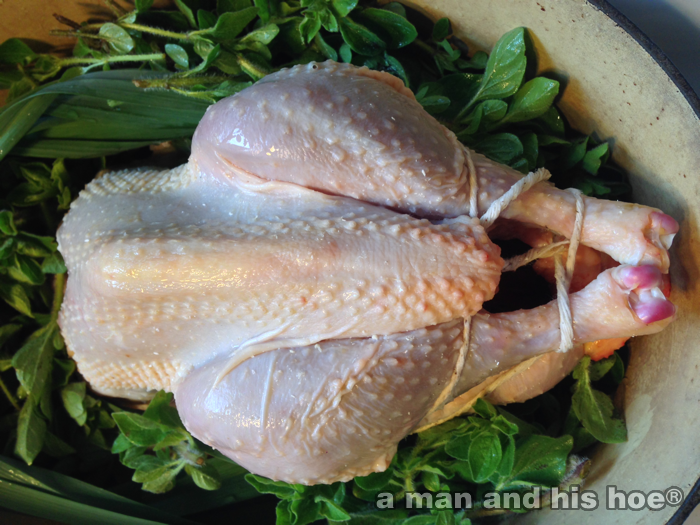
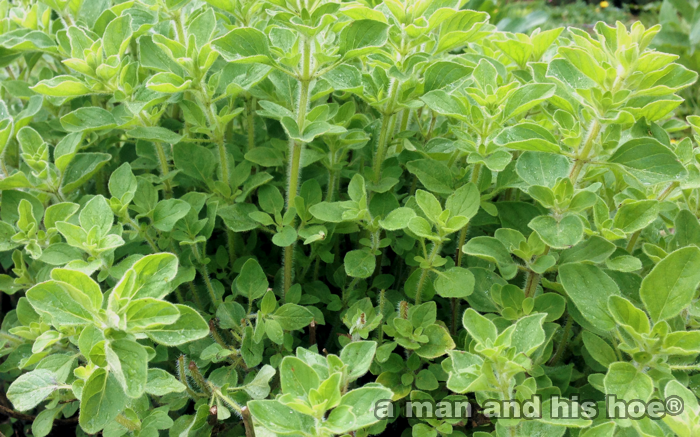
    The young rooster is in the pot, resting on a bed of oregano and garlic leaves. After adding some sake and whiskey it’s in the oven at just 190ºF (88ºC). It will slowly roast the rest of the afternoon. The great thing about having beds of herbs, is that I don’t have to worry about how many to use. If I want a bed of oregano, it is there for the picking. If the only place to get fresh herbs in your supermarket, you’re limited to small bunches or just a few sprigs at a time.

    Oregano
    And yet, cities don’t need to be like that. Many herbs are prolific plants. Urban areas could be designed to grow endless quantities of herbs their citizens could pick at will. Planting strips, park hedges, sidewalk borders, rooftop gardens, apartment courtyards; all could be herb gardens available for city residents to use. Imagine getting off the subway on your way home from work, scissors in hand, snipping fresh handfuls of oregano, marjoram, rosemary, thyme, for use for that night’s salad, soup, and roast.

  • Personality

    ToraHime

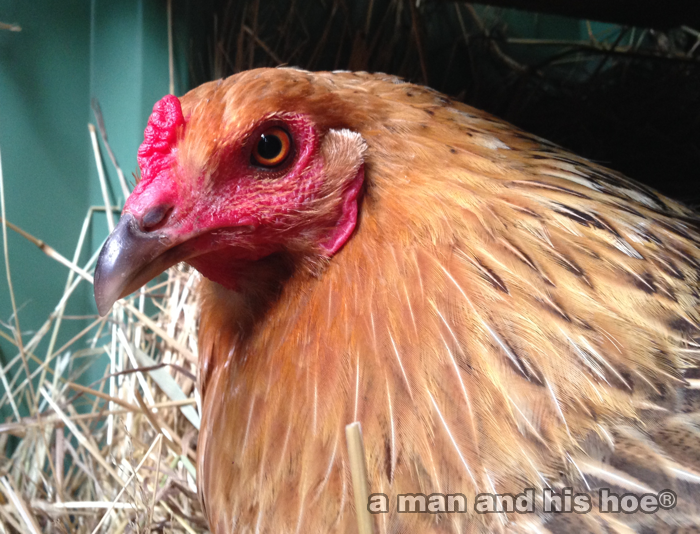
    Tora-hime is one of my favorite hens. She has such piercing eyes and beautiful feathers. It’s always easy to spot her when she is on a nest.

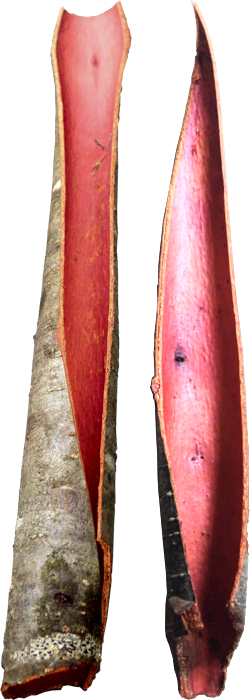
    CurledBarkThe bark I stripped off the alder trunks when I made posts dried and curled into these beautiful shapes. These strips of bark were flat when I peeled them off the alder trunks. In the sun, they turned red and curled.
    A little sanding, trimming, and waxing could turn these into interesting dishes for appetizers, chopstick holders, or flower vases.
    StellarJayNest

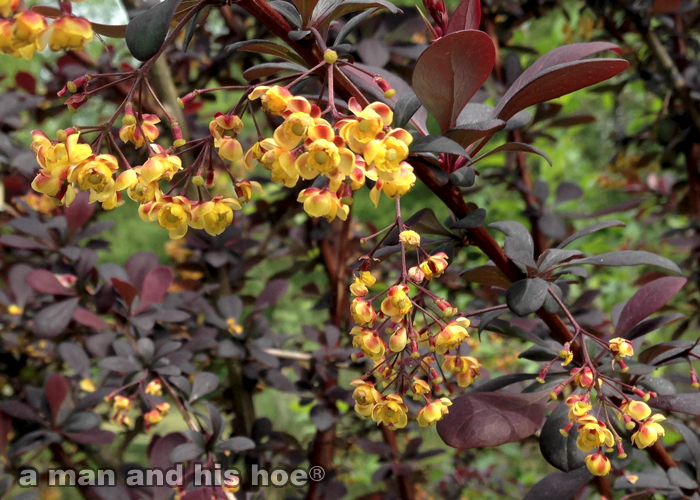
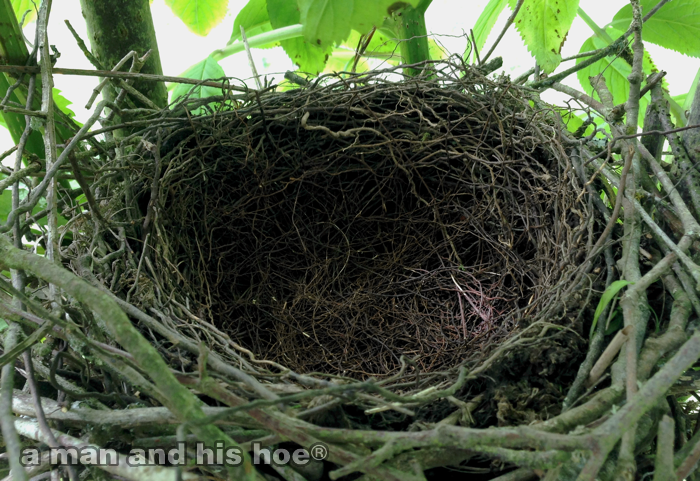
    Everyday there are surprises waiting to be discovered. This is an abandoned Stellar Jay’s nest. And below are the flowers of a barberry bush.

    Barberry

  • Bees

    [wpvideo 0Pboe7t9]
    All it takes is a little sunshine and the bees are out in force. There are thousands of wild bees here. On sunny days, the rosemary, mint, oregano, lavender and other herbs are buzzing with them.

    There are 200 species of bees in this area, some 4,000 species in North America, and nearly 20,000 species of bees worldwide.

    According to Lisa Arkin, director for Beyond Toxic, “Without bees we would lose a third of the food that comes to our tables every day.”

    If you look closely, you can see one of the mother hens in the background.

    A Diversity of Bees Is Good for Farming—And Farmers’ Wallets ~ Smithsonian

  • First Day of Summer

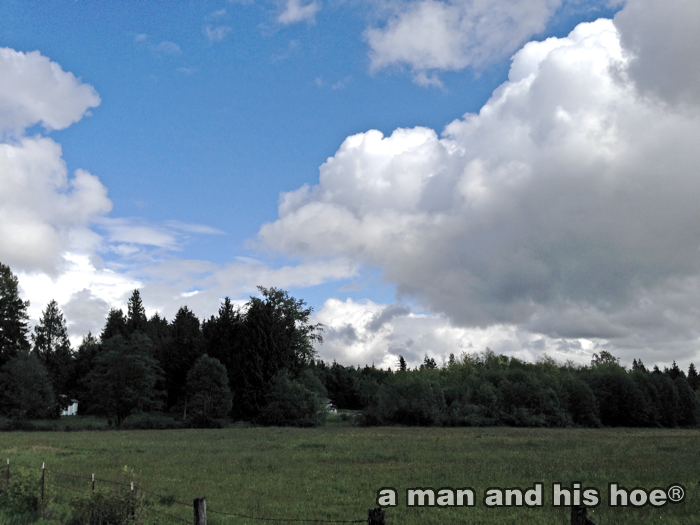
    For parts of the world, today is the first day of summer. After torrential rains this morning, the sun came out this afternoon. The sky can be so blue here. I feel sorry for those living where the skies are polluted much of the time.

    May5BlueSky

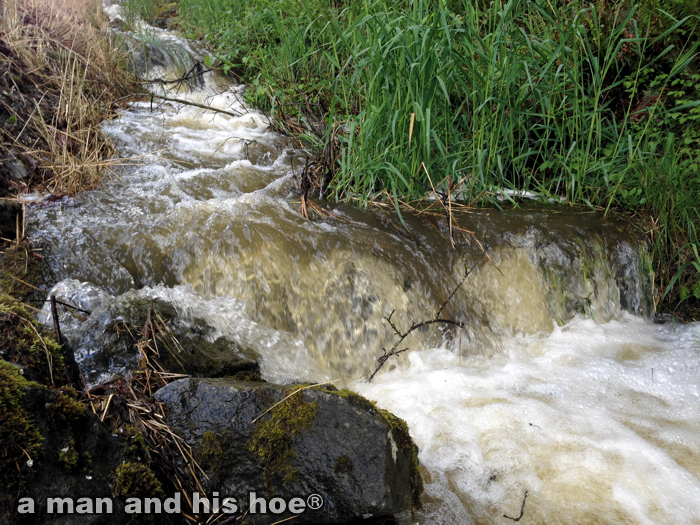
    Water is pouring off the hill. The drainage ditch alongside of the road down to the post office, is a cascade of muddy water.

    WaterFlowingInDitch

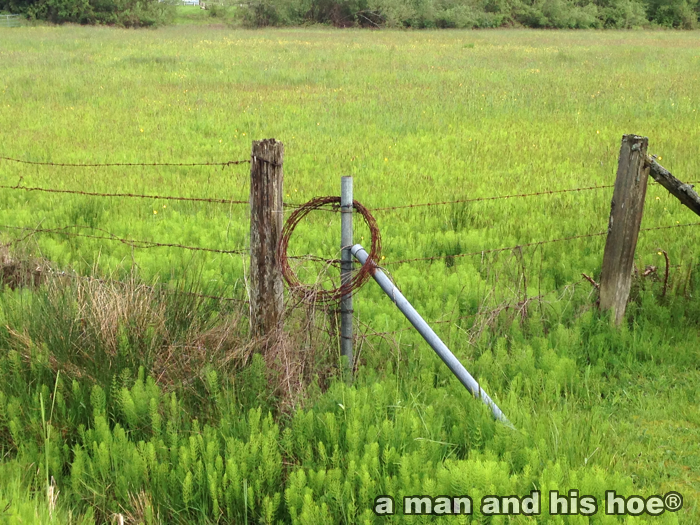
    I’ve been by this barbed wire fence hundreds of time, but didn’t notice until today that when they strung the fence, they left loops of barbed wire. The wire is rusted so it was left a long time ago. What happened? Was it just left there in case repairs were ever needed in the fence? Did the person stringing the fence forget it? Was it their contribution to rural art?

    BarbedWireFence