Category: Reflections

  • Rikka

    Rikka

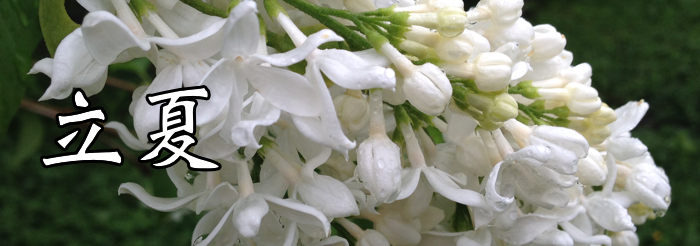
    According to the traditional Japanese calendar, May 5 is the start of summer this year. The traditional Japanese calendar, based on the Chinese lunisolar calendar, divides the year into 24 solar terms, which mark each 15 degree movement the earth makes around the sun. The term which just passed, April 20 through May 4 this year, was 穀雨 – Kokuu, which translates to “rains which help the grain grow”. It marks the time when the rains arrive to make the grain grow.

    The six terms of summer are:

    • 立夏 – rikka, the start of summer 5/5~5/20
    • 小満 – syoman, small fullness: the time when everything is growing well 5/21~6/5
    • 芒種 – bousyu, heads of grain: the time when the heads of grain are forming 6/6~6/20
    • 夏至 – geshi, summer solstice 6/21~7/6
    • 小暑 – syosyo, little heat: the time when it gets hot 7/7~7/22
    • 大暑 – taisyo, great heat: the hottest time of the year 7/23~8/6

    Not a great deal of warmth to mark the start of summer here. The rains which helped the grain grow won’t stop falling.

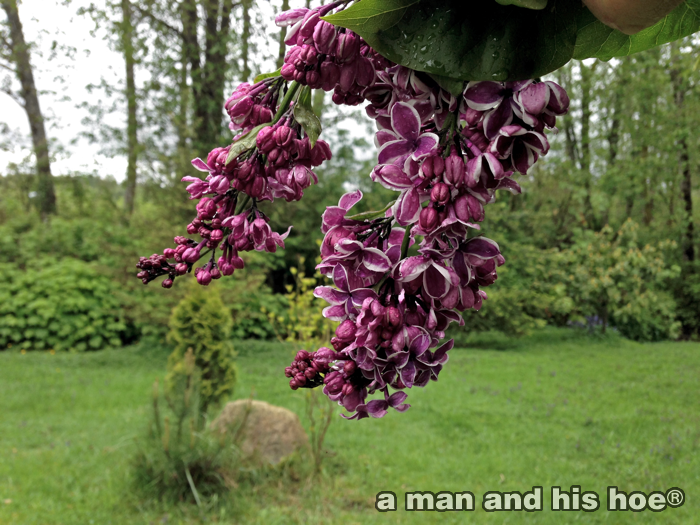
    LilacsPurple
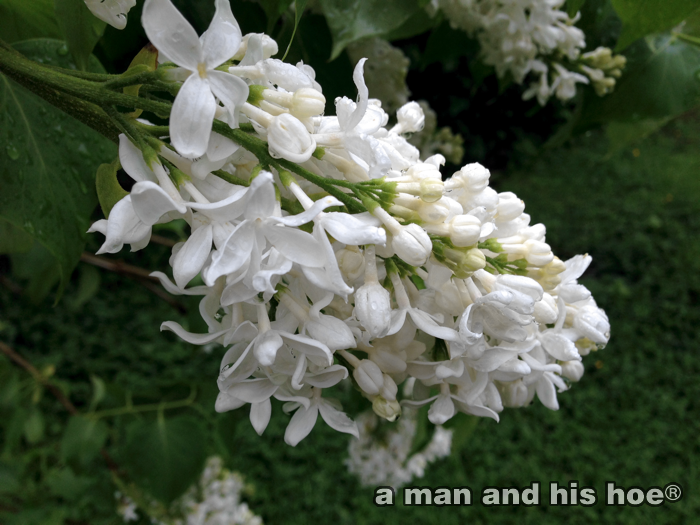
    LilacsWhite

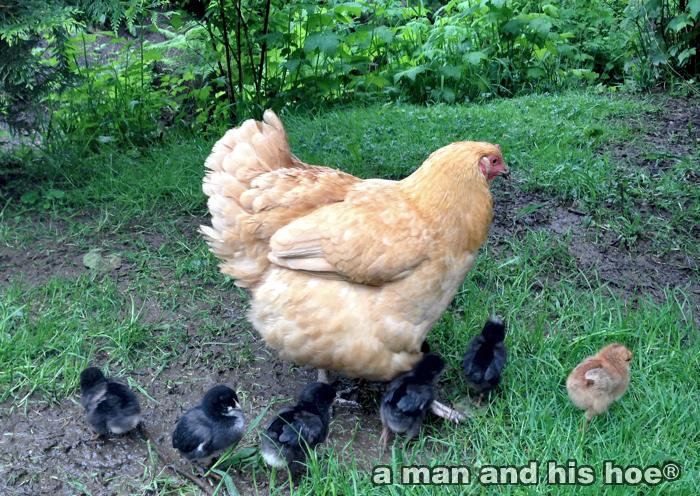
    The mother hens are as busy as ever.

    OffIntoTheWoods

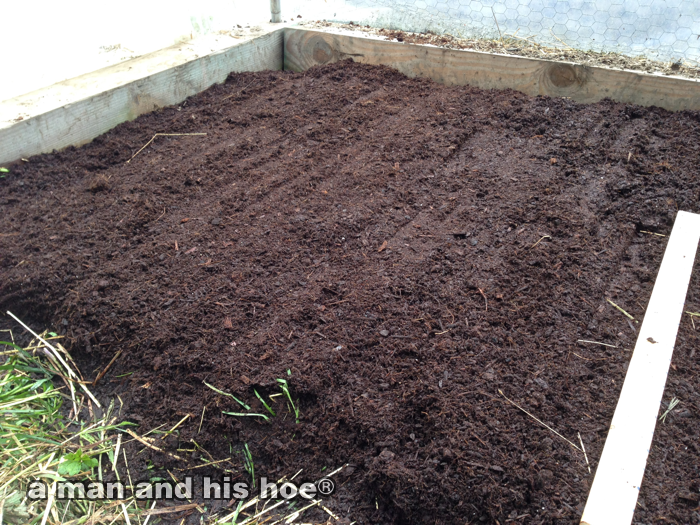
    And there is always more planting to do. Looking at a bed of freshly planted soil, it’s hard to believe that in a short time, there will be nothing but vigorous green growth here.

    PlantingSeeds

  • Cream and Butter

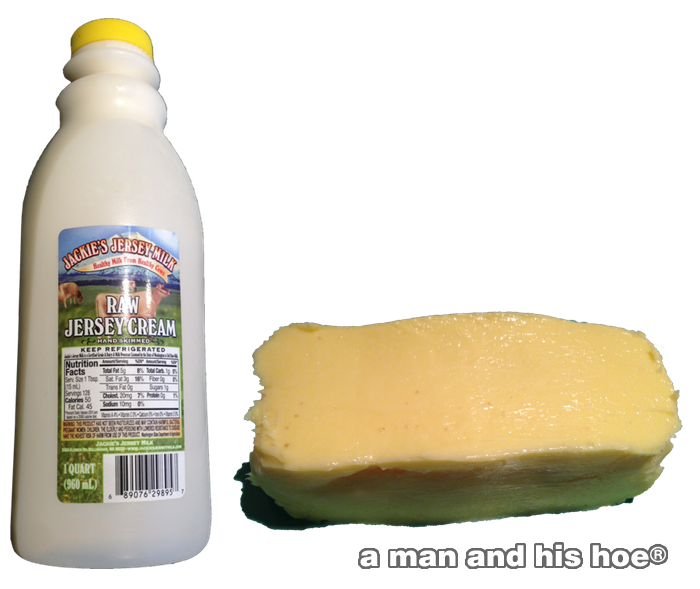
    It’s been awhile, but I made some butter this afternoon. We had run out of butter, but I had a quart of fresh cream from Jackie’s Jersey Milk I had bought yesterday, so I decided to make butter. Making butter is so simple, I wonder why I don’t make it more often.
    CreamAndButter

    With butter so easy to make, why are there so few brands of butter in the stores? And there are no butters made from raw cream. Shouldn’t there be hundreds of varieties from tiny, one of a kind dairies? Wouldn’t the butter from a dairy up in the mountains taste different than the butter from a dairy near the sea?

    But when you look at the butters on the store shelves, they all come from dairies churning out the stuff by the ton. Any subtle differences in the milk from this pasture or that, or from this cow versus that cow, is obliterated, and everyone ends up eating the same butter.

    It doesn’t have to be this way. We don’t all have to eat the same butter. And if you make your own, you will be the only one with that special butter.

    Many decades ago when I was visiting a friend in Bavaria, her mother sent us out to buy some milk. They lived out in the country, and they purchased milk from a small dairy a short walk from their house. We walked ten minutes through the beautiful countryside, carrying a cute metal container. The milk we purchased was so fresh and delicious.

    However, buying milk directly from a farmer is very difficult here. Many years ago, my uncle and aunt ran a small dairy farm in Kansas. Every few days, a milk truck came to their farm to pick up there milk and trucked it all the way to Texas. They weren’t allowed to sell their milk directly to consumers. But, they had a way around that. Neighbors would come by, “steal some milk”, and leave some money behind.

    Jackie’s Jersey Milk

    How to Churn and Clarify Butter from Cream

  • The Beauty of Growing Produce

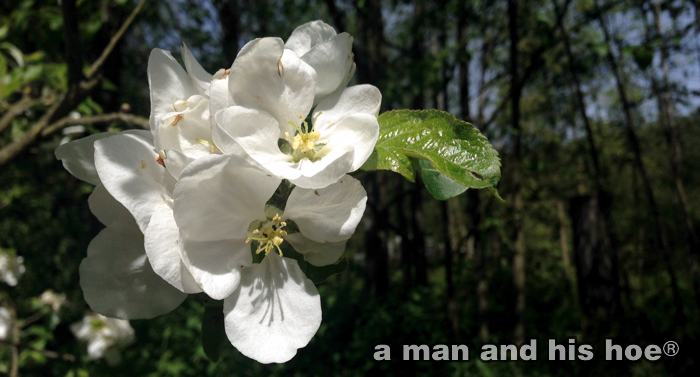
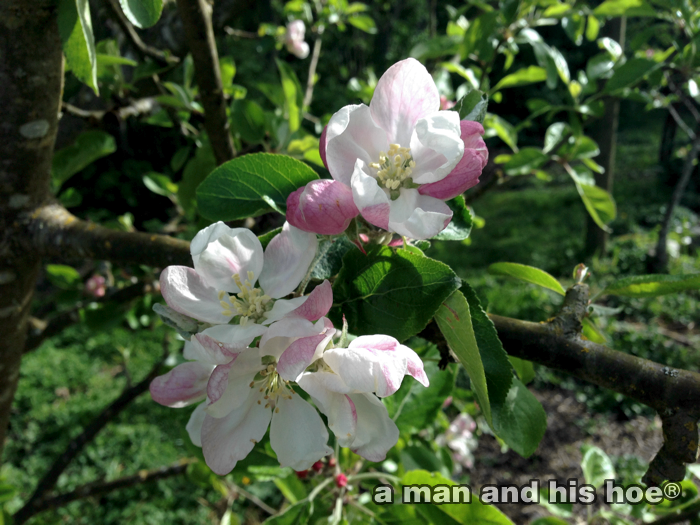
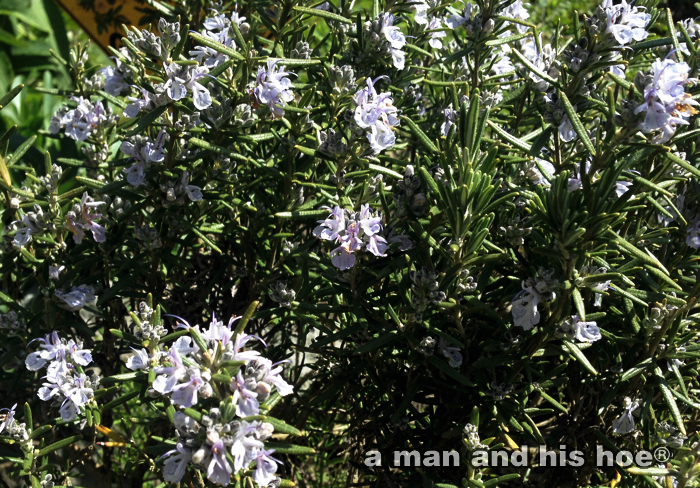
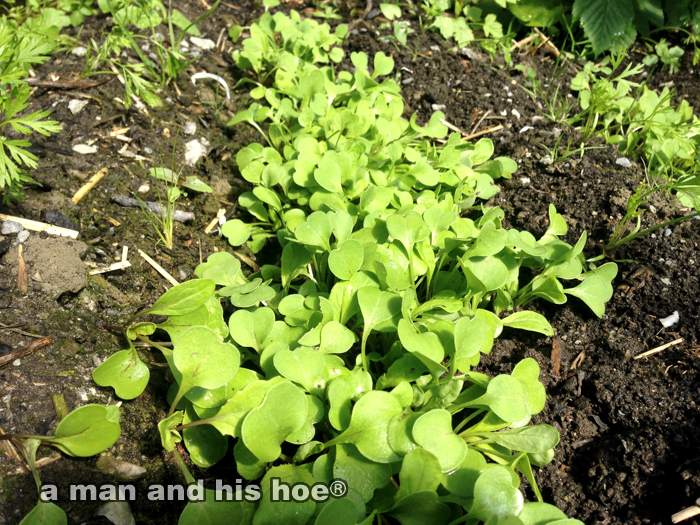
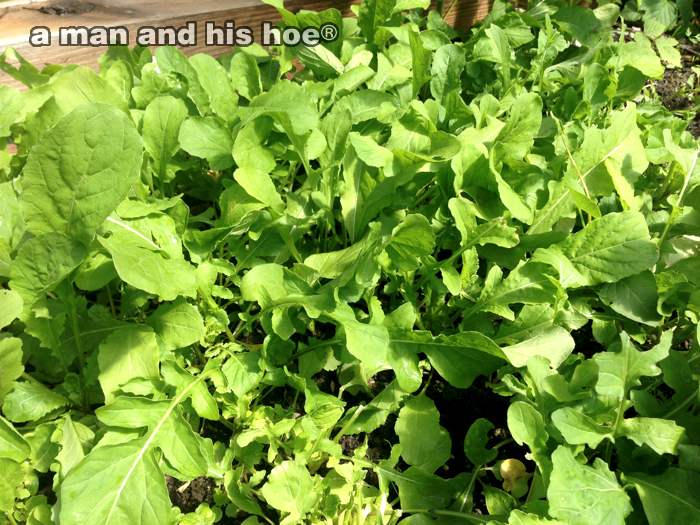
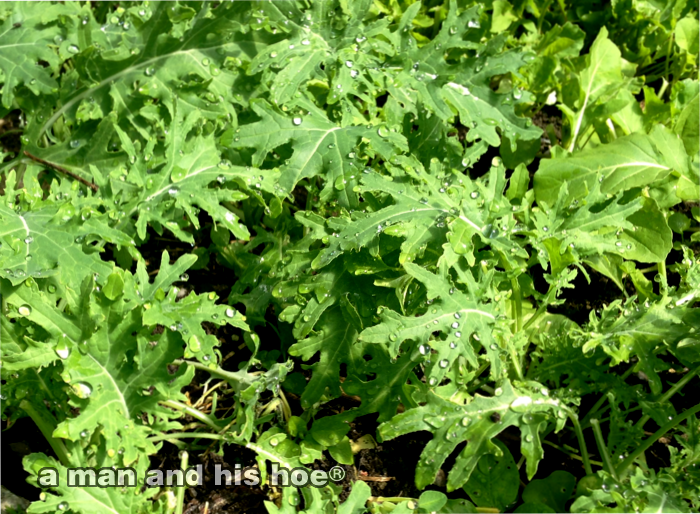
    Growing vegetables and fruits is like living in an art museum. Every time I step out into the vegetable patches to weed, thin, and pick vegetables, there is more beauty than I can possibly absorb.

    AppleBlossom140430A
    AppleBlossom140430B
    RosemaryBlossom140430
    Salad140430A
    Salad140430B
    Salad140430C

    There are many artists who are known for the flowers they draw. Where are the artists painting growing salad greens or blooming herbs?

  • Dandelions

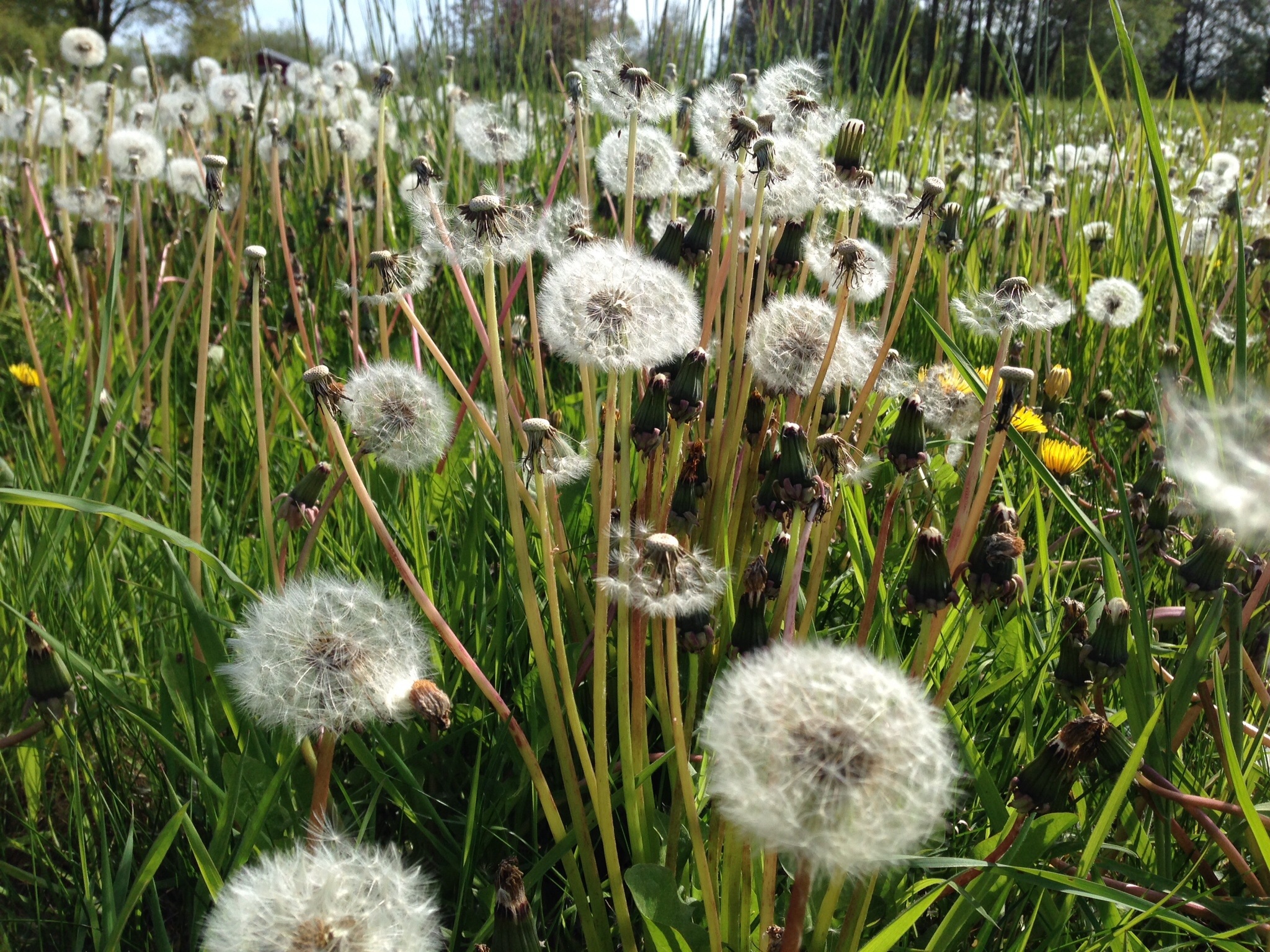
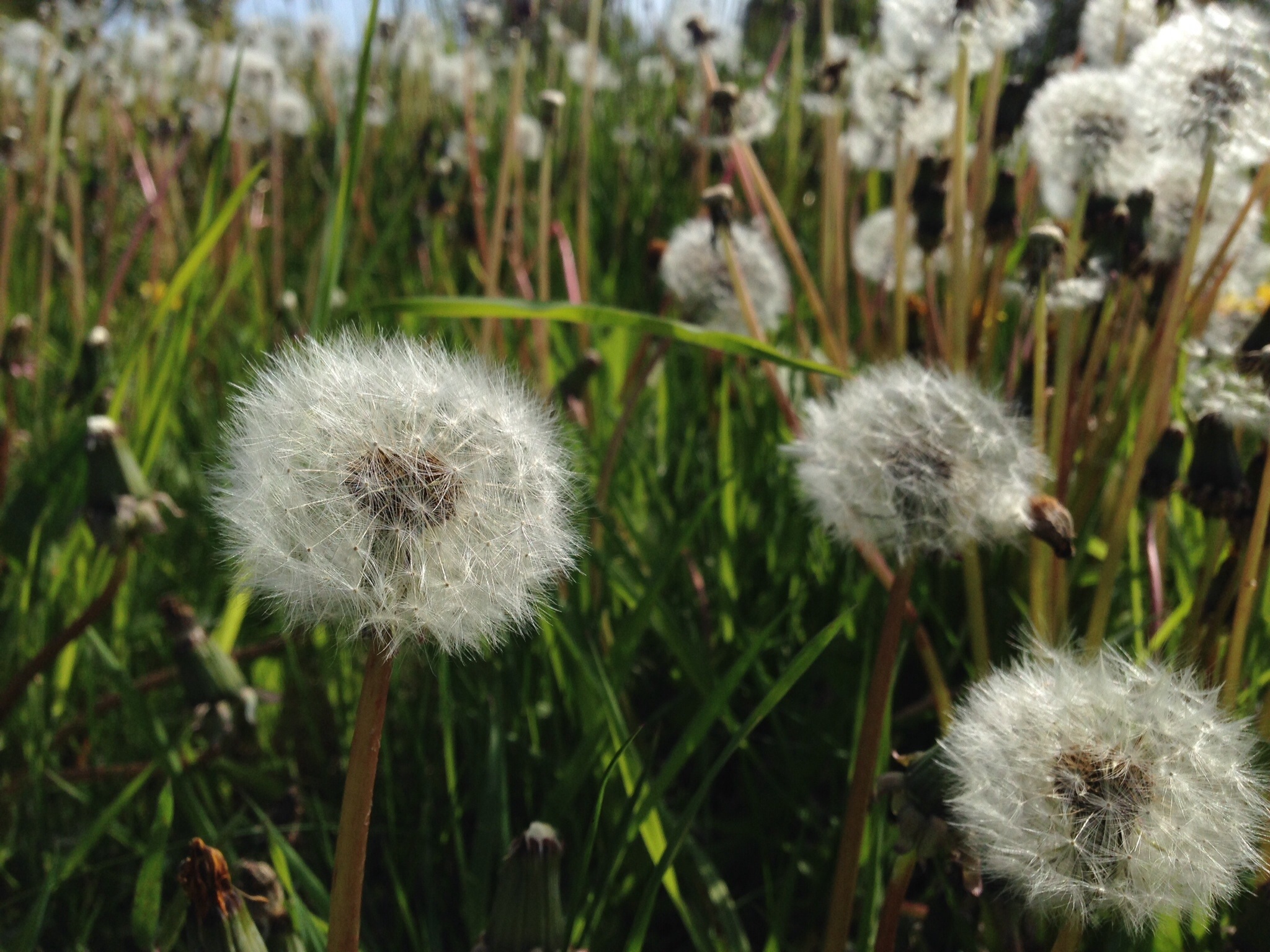
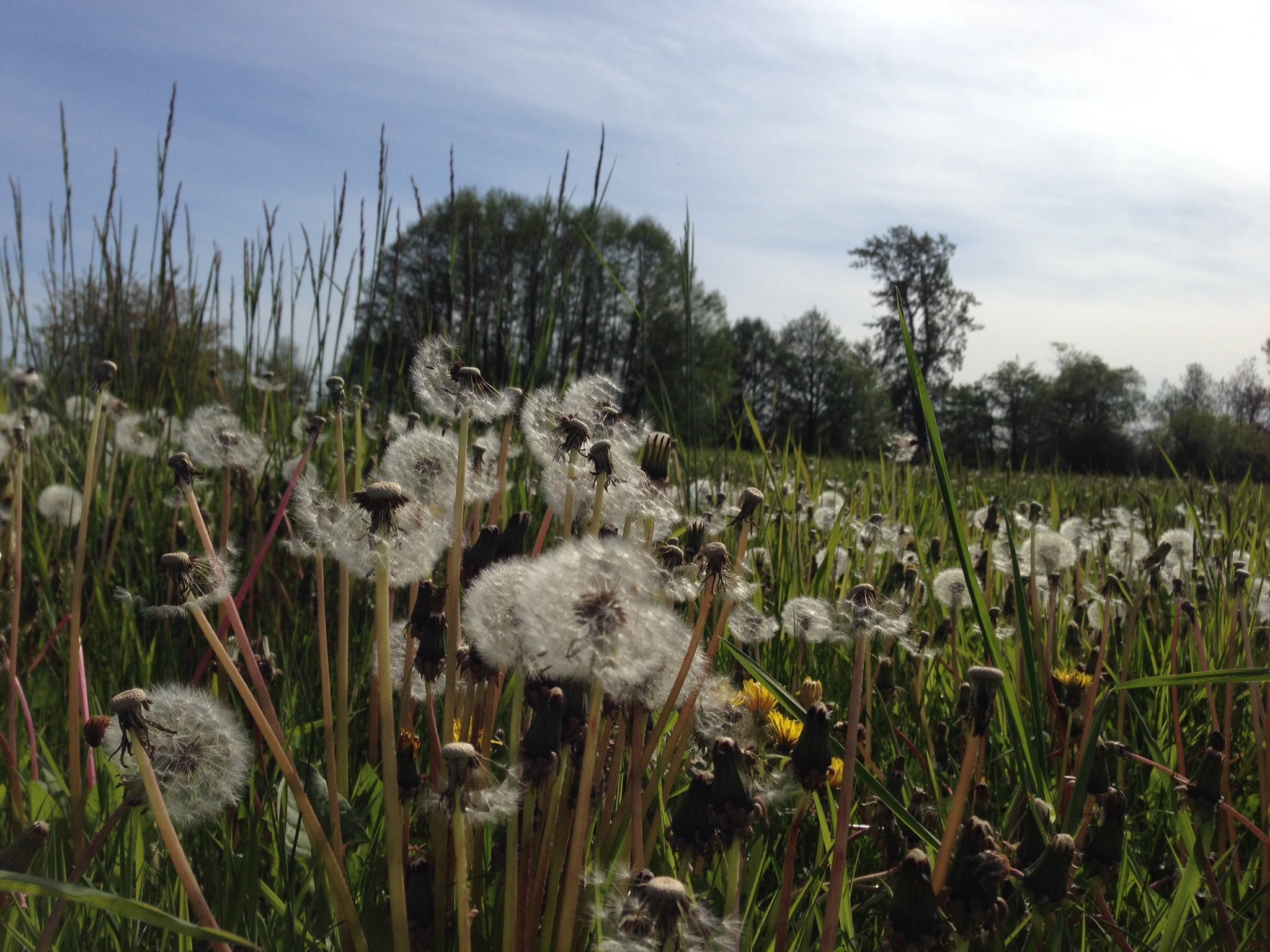
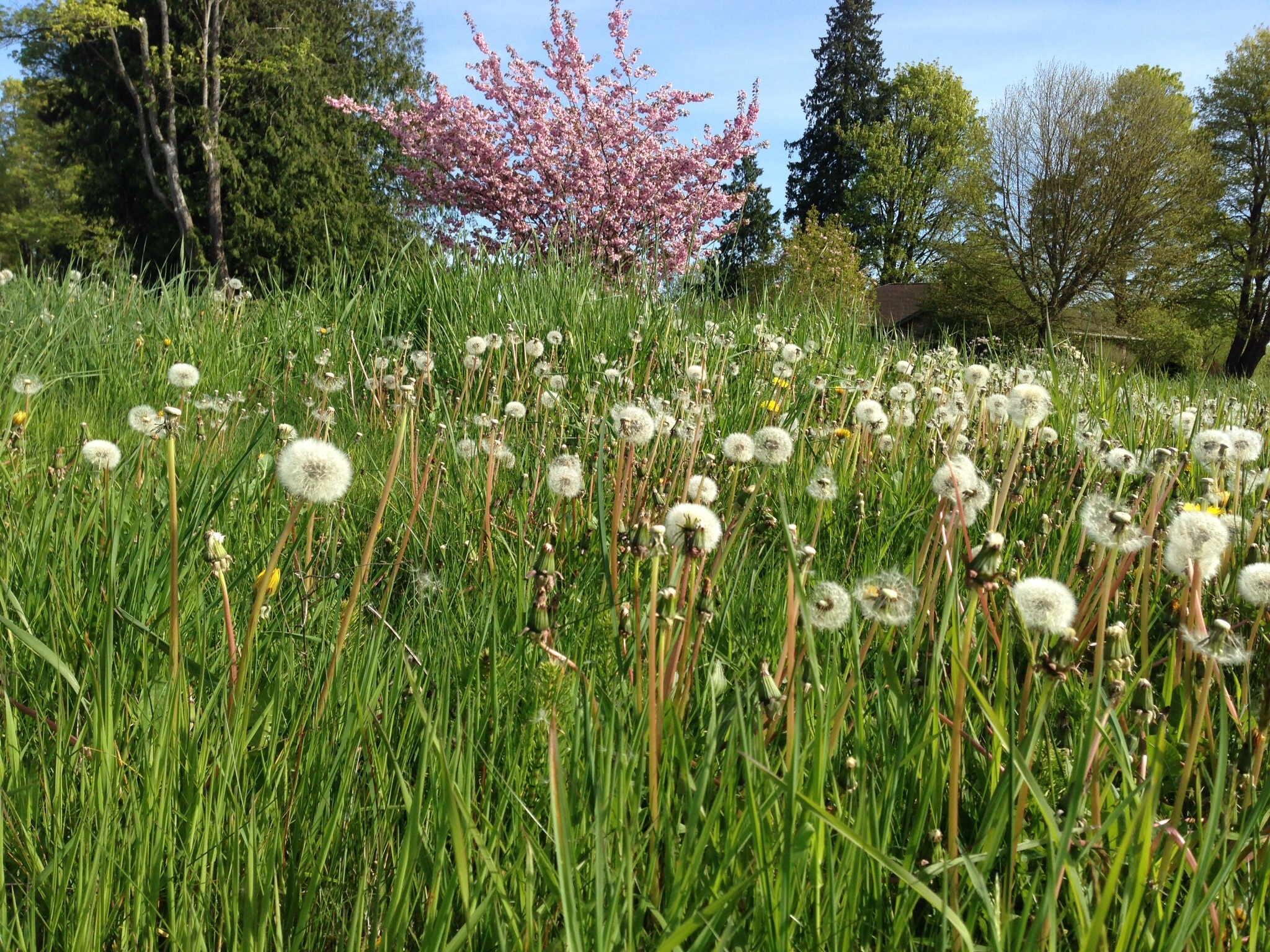
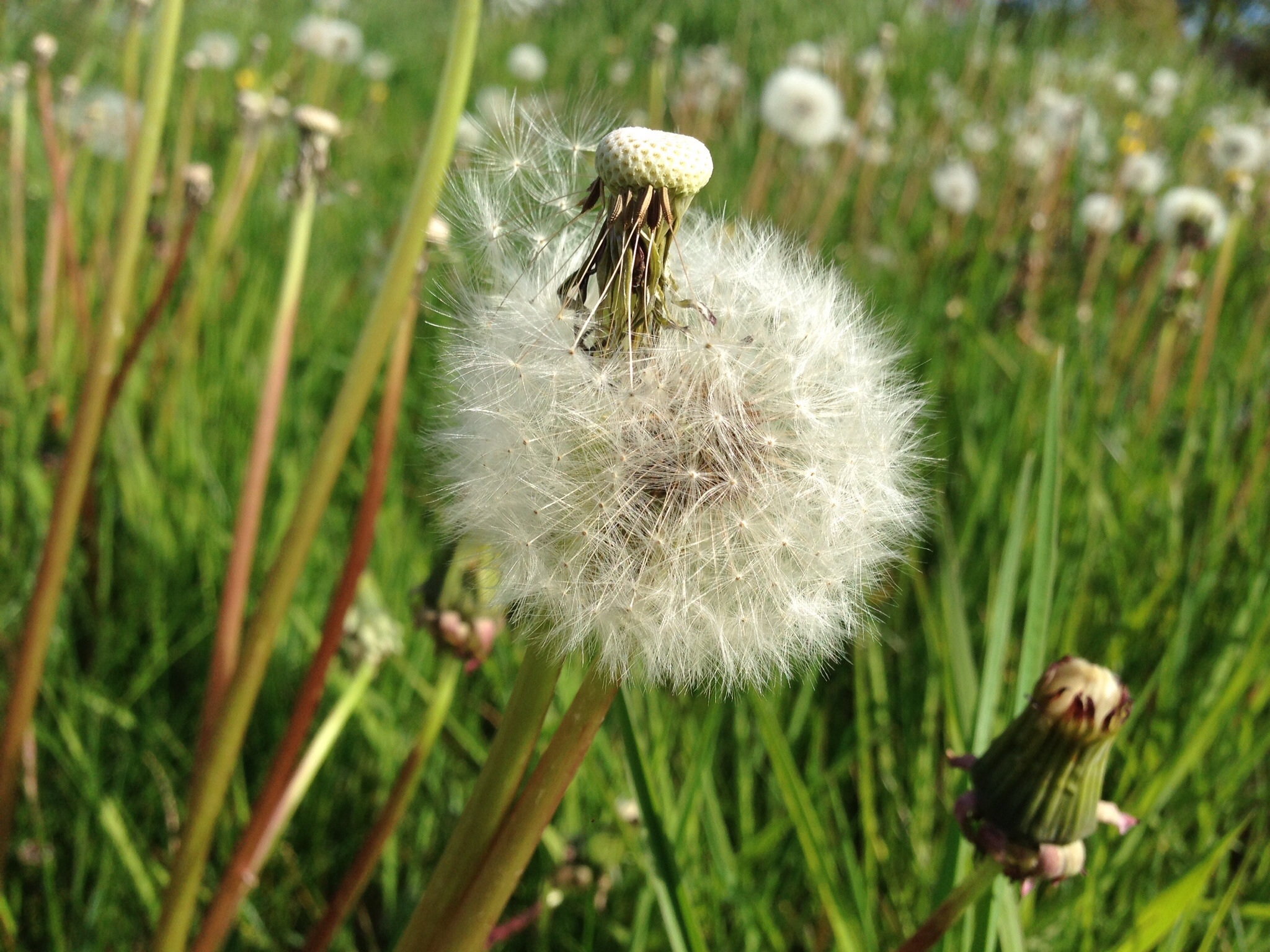
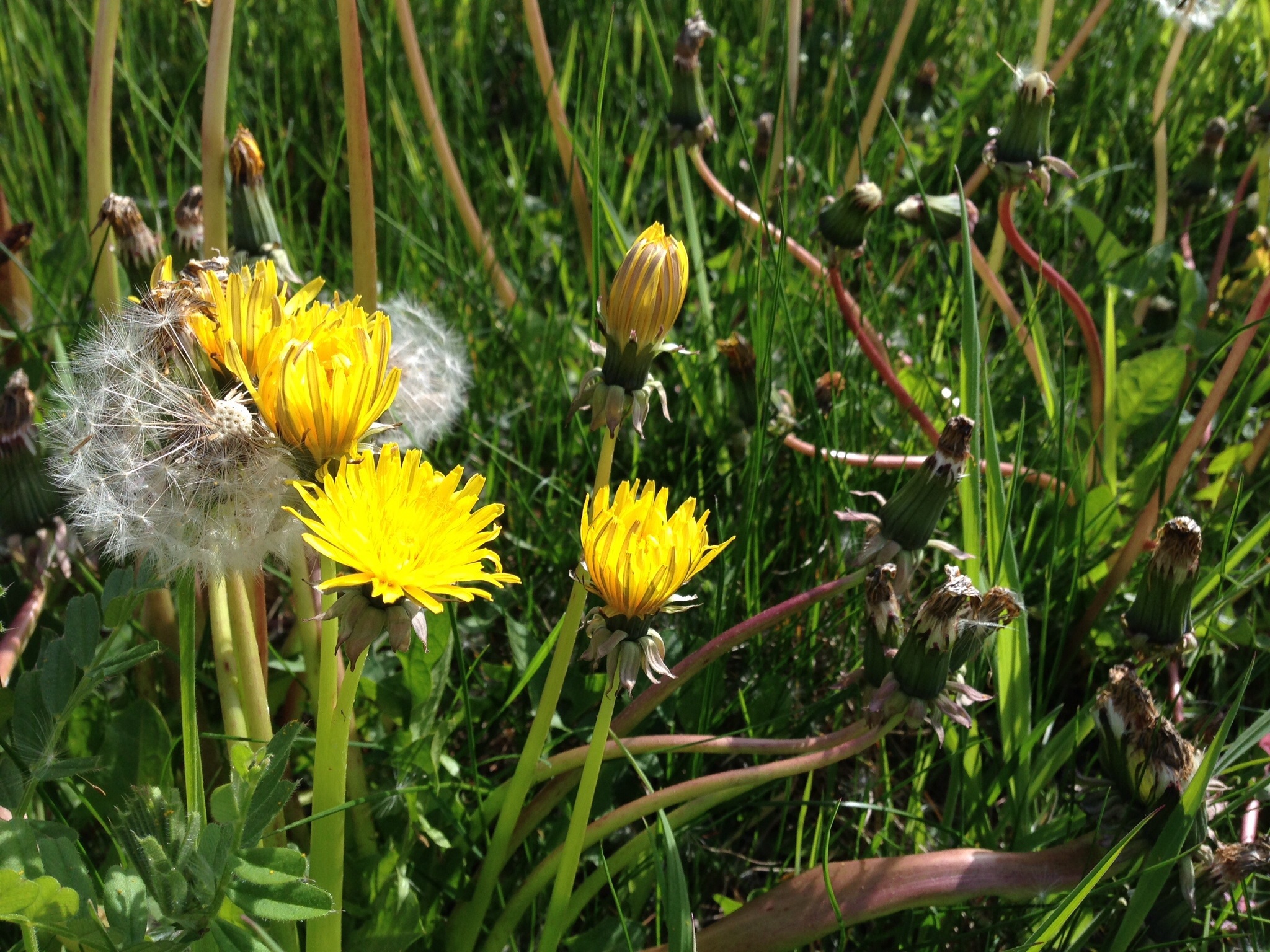
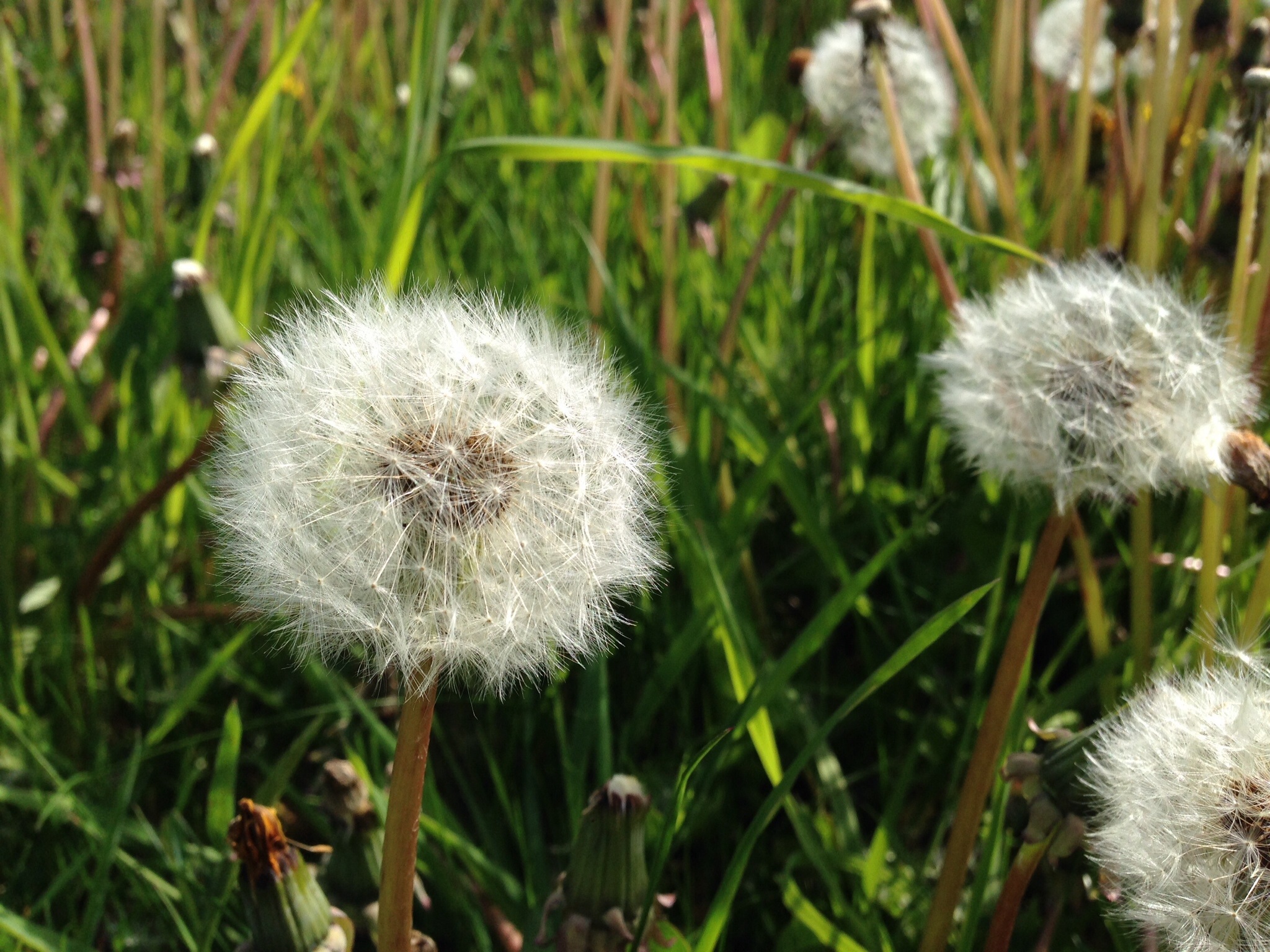
    Biking home from the post office this afternoon, I had to stop and take some photos of a field full of dandelions.

    image
    image
    image
    image
    image
    image
    image

    Look closely at each dandelion, and you quickly realize that it would take hours and hours for a person to make one flower. Each of the hundreds of seeds on a single flower has a fine stem. At the end of these stems are 30 to 40 fine threads attached which form the parachute the seeds use to fly away.

    How long would it take to make one parachute and attach it to one seed? How long would it take to make the hundreds required for one flower? How about making the tens of thousands to decorate a single field?

    And yet, no one has to lift a finger to make a field of dandelions so beautiful you just have to stop to take a look.

  • The Continuing Evolution of Genes

    Carl Zimmer writes today in the New York Times in The Continuing Evolution of Genes that scientists used to believe that the some 20,000 genes we all have, came from our parents, which came from their parents, and on backwards to the very first forms of life. And that the genes all organisms have, can be traced back to these original genes.

    The thinking was that at first there were just a few genes, and at times when they duplicated, making two copies of the same genes, which over time evolved into different genes, hence the increasing number and complexity of genes we now find.

    With new genes evolving from earlier ones, it would be possible to compare the genes and see which genes came from which genes.

    But when scientists gained the ability to read DNA sequences, they discovered that though most genes were duplicated versions of earlier ones, there were also a number of genes which were unique to a species. They called these orphan genes de novo genes. Unlike most genes which have been passed down through the generations for billions of years, de novo genes came into being much later.

    Carl Zimmer’s article explains how these orphan genes came into existence, and the role they play in evolution. The article is worth a read. It also has a podcast with a segment describing the origin of genes.

    One thing I am trying to find is a scientist who is researching how instinct is encoded in DNA. The first time one of my hens hatched and raised a clutch of chicks, it made me wonder how she knew how to that. She was a hatchery chick and raised without a mother. So how did she know that if she sat on an egg for 21 days that they would hatch. And all of the hens I’ve observed, use the same calls for danger, here’s good food, be quiet, etc. And all the chicks know from birth what these calls mean.

    So how is all that complex behavior inscribed on DNA? I’ve come up with many scientists researching genetic behavior and trying to determine what behavior is genetic and what is learned. And scientists knocking out genes in organisms like flies to see how those genes affect fly behavior and the like. But I’ve yet to find the scientists looking at the GATC letters of specific DNA to tease out how complex behavior is carried by DNA from generation to generation. I’m sure it is extremely complicated, but hopefully there is a scientist out there who is studying this and can explain how nature does this amazing feat.