Category: Reflections

  • Far, Far Away

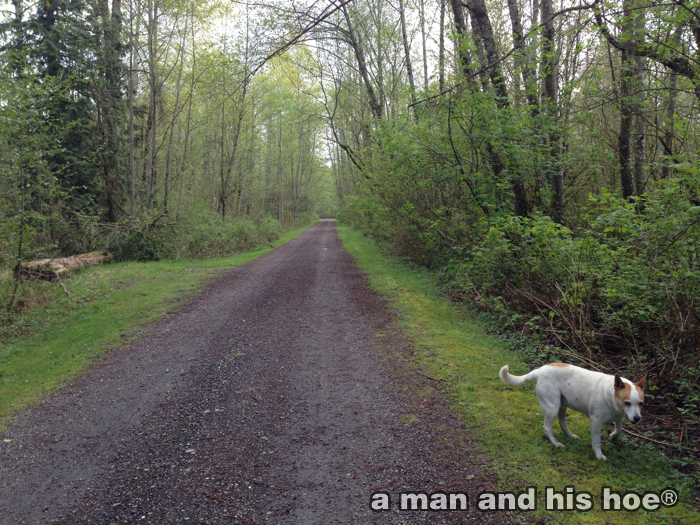
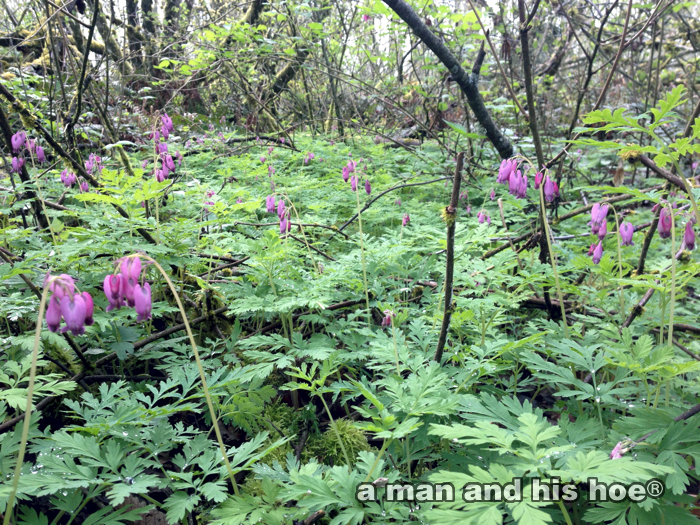
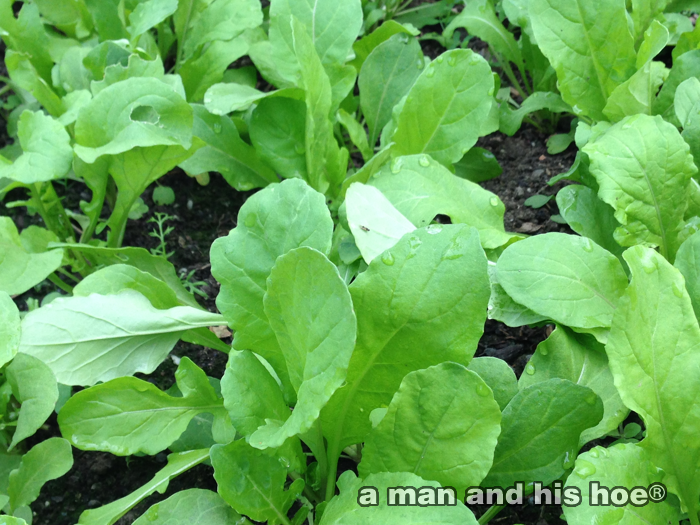
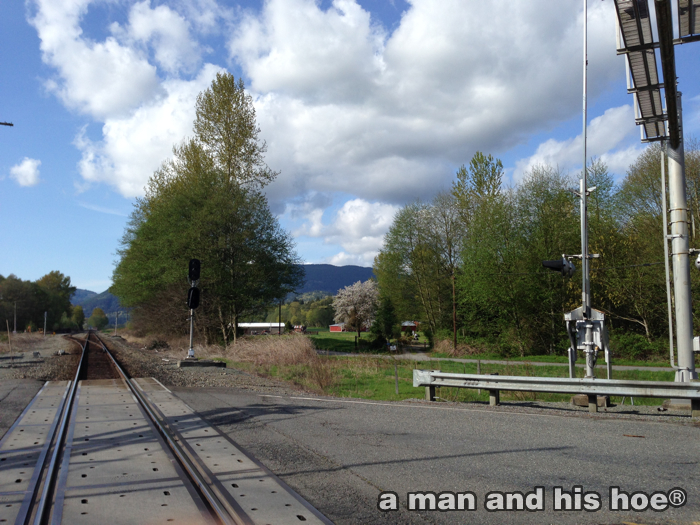
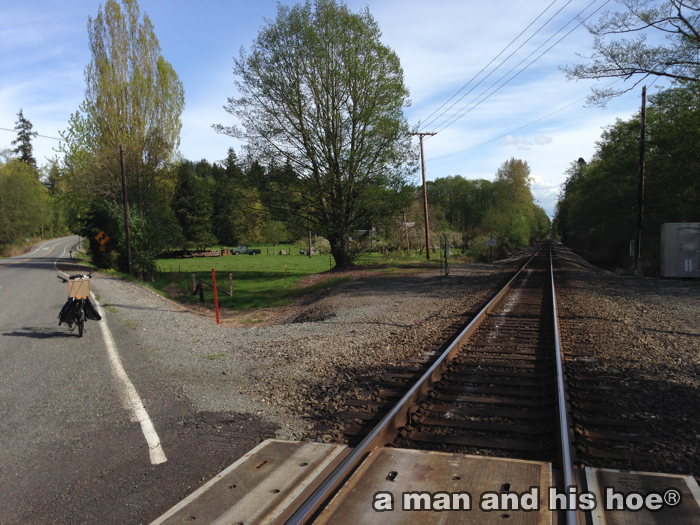
    These are the train tracks I pedal across nearly every day as I go fetch the mail, deliver eggs, and make other errands. And further down this page is the quiet driveway to a man and his hoe®, the forest floor blanketed with bleeding hearts, and a vegetable bed with fresh greens. Idyllic scenes far, far away from the heavily contaminated farmland of China, or so you would think.

    But everyday, along those steel ribbons of railway, which just a few miles away, wind along the breathtaking Chuckanut Coast with stunning views of Guemes, Cypress, Orcas, and Lummi islands, trains more than a mile long haul coal, carved out of the ground in far away Wyoming. The trains take the coal to Vancouver, British Columbia, where it is loaded onto ships and taken across the Pacific Ocean to China. There it is burned in coal-fired power plants which billow out toxic clouds, which then poison the land which grows the garlic and fruit trees and many other crops which then get shipped to the US to be eaten by many of us.

    And someday, all the CO2 emissions, burning that coal pours into the atmosphere, will warm the earth enough to cause the sea nearby to rise so much that these tracks will be under water. When that happens, there will no longer be any coal trains traveling through this idyllic countryside.

    We know all these terrible things we are doing to the earth. But for some reason we can’t stop destroying the only home we have. We keep saying we can’t afford to stop our polluting ways, but when we read that nearly twenty percent of China’s farmland is now toxic, how can we justify such destruction? There is no economic activity worth destroying a fifth of a country’s farmland.
    TrainTracksNorth
    TrainTracksSouth
    Green01
    Green02
    Green05

  • Contaminated Farmland

    Today there were many articles like this one from NPR: China Admits That One-Fifth Of Its Farmland Is Contaminated. The details of the report by the Chinese government are stunning.

    The report, issued by the ministries of Environmental Protection and Land and Resources, says 16.1 percent of the country’s soil in general and 19.4 percent of its farmland is polluted with toxic heavy metals such as cadmium, nickel and arsenic. It was based on a soil survey of more than 2.4 million square miles of land across China, spanning a period from April 2005 until December 2013. It excluded special administrative regions Hong Kong and Macau.
    In a dire assessment, the report declares: “The overall condition of the Chinese soil allows no optimism.”

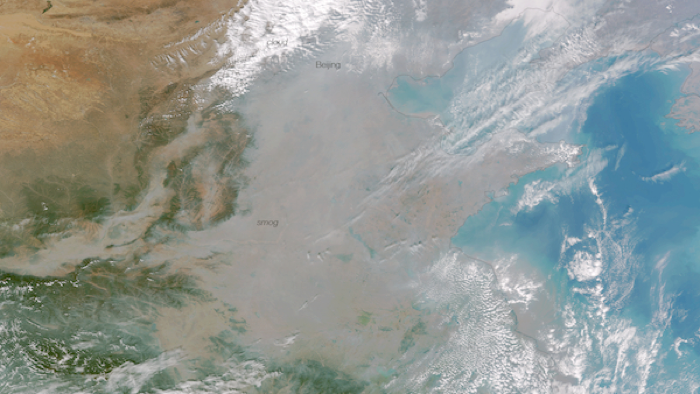
    Earlier this year we saw images of large portions of China smothered with heavy smog as in this article by Scientific American.

    SmogOverChina

    When reading reports regarding pollution or global warming, some often comment that the report is being alarmist and imply that we should disregard the report. This report by the Chinese government is more than alarming, it is calamitous. But will things change tomorrow? Will the industries and coal power generators that are causing the Chinese farmland to become toxic stop polluting tomorrow? And so ever increasing amounts of Chinese farmland will become toxic.

    So what does that have to do with me living many thousands of miles away from China? For one, the air pollution in China doesn’t stay there. For one, according to The Smithsonian, some of that air pollution is reaching the west coast of the US where I live. Two, the US imports some four billion dollars of food products from China every year. Here are some numbers from the US Department of Agriculture Economic Research Service, these are a listing of food products whose imports from China exceeded $350 million in 2011:

    Agricultural Product US Dollar Value Imported from China in 2011
    Fish $2,646,757,166
    Fish Fresh Or Prep $1,817,861,314
    Shellfish $804,745,740
    Vegetables & Preps $626,224,026
    Fruit Juices $547,044,940
    Grains & Feeds $527,784,428
    Fruits & Preps $518,397,511
    Apple Juice $504,059,866
    Fruits – Prep Or Pres $499,317,088
    Other Fruits – Prep Or Pres $478,258,430
    Animals & Prods $449,291,071
    Vegetables-Prep/Pres $382,588,727
    Feeds & Fodders, Ex Oilcake $372,015,556

    The US imports a huge amount of agricultural products from China, and if nearly twenty percent of the farmland in China is contaminated, what percentage of the agricultural products imported from China are also contaminated with heavy metals and other toxins?

    Enjoying a beautiful day here at a man and his hoe® it’s easy to think this is a problem that doesn’t affect me, but it affects all of us, not matter how far, far away.

  • Popup Garden

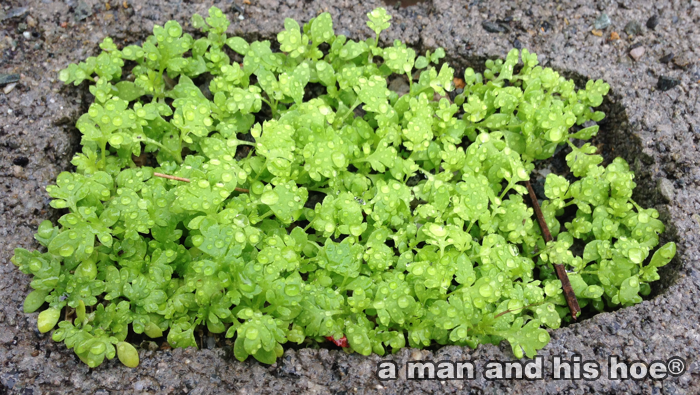
    While out plotting new vegetable plots for this year’s planting, I stumbled on this exquisite miniature garden. The tiny, fresh leaves were dotted with fresh raindrops.

    MiniGarden

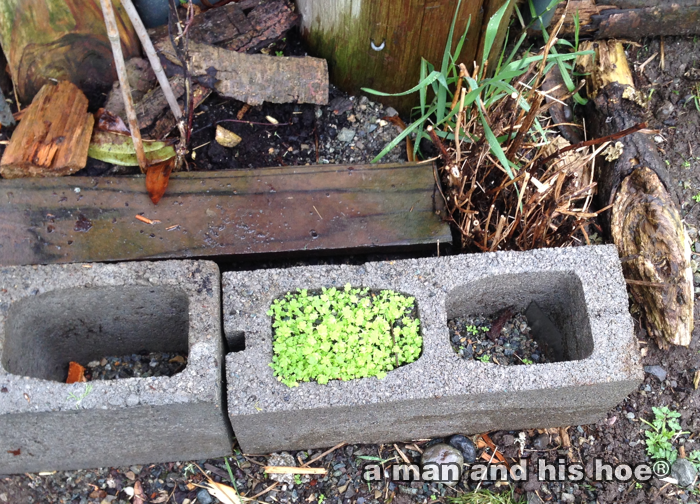
    From a distance, it’s easy to miss the beauty nature poured into a cement block.

    MiniGardenOverview

    But up close, it’s every bit as calming as sitting on the veranda of Nanzenji in Kyoto. If you ever make it to Kyoto, Nanzenji 南禅寺 is a temple worth visiting, though with more than a thousand temples in Kyoto, and with hundreds you just have to see, you might think of planning a very long vacation there.

    Nanzenji

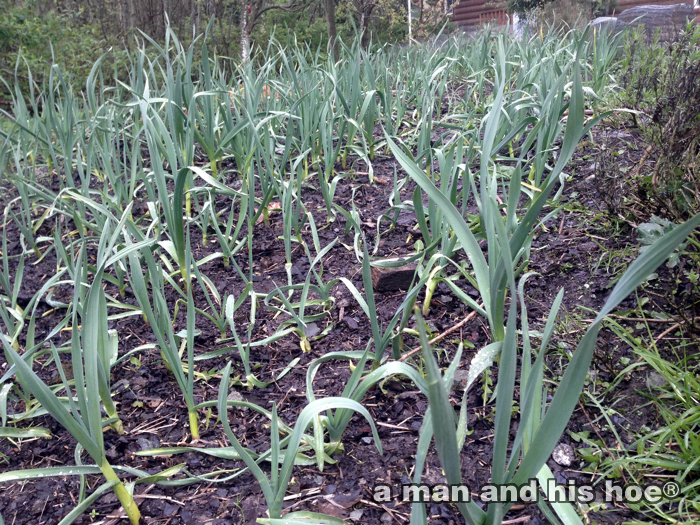
    Not to be outdone is the garlic patch here at a man and his hoe®. You don’t have to get on a plane and travel across the world to encounter exquisite beauty. Sometimes you just need to look down and see what’s growing at your feet.

    GarlicField

  • Living in an Outdoor Museum

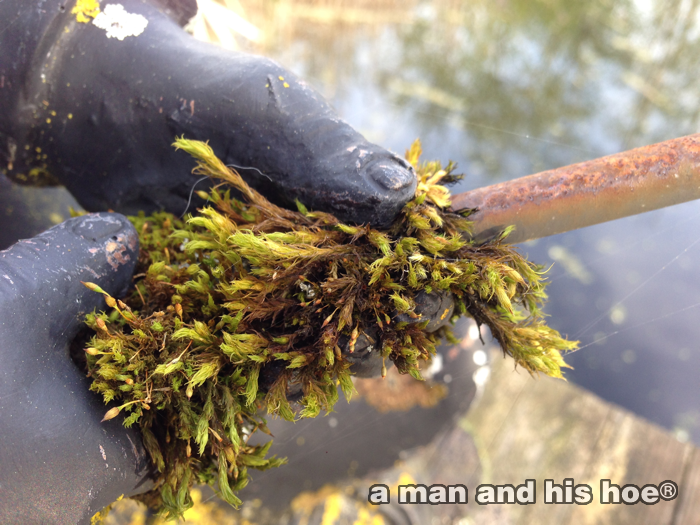
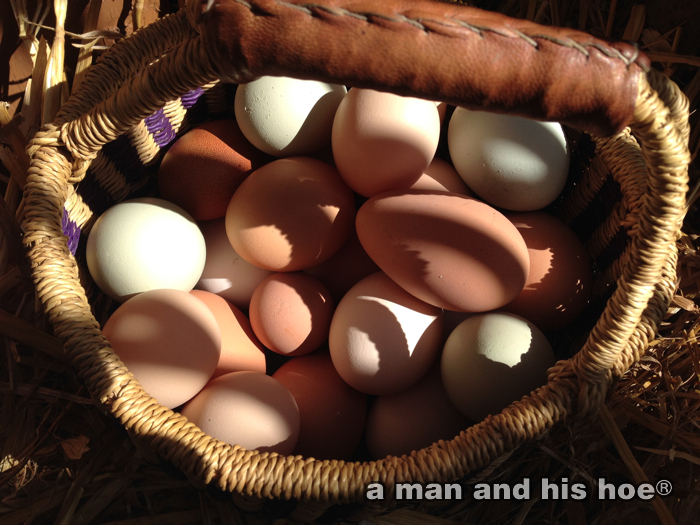
    No matter how busy we get, there’s always time to enjoy beauty. It only takes a second or two.

    Moss
    BasketofEggs
    PebblesOnStonePebbles

  • A Shovel Worth Having – and Made in Ohio to Boot

    BullyToolShovel
    RegularShovel
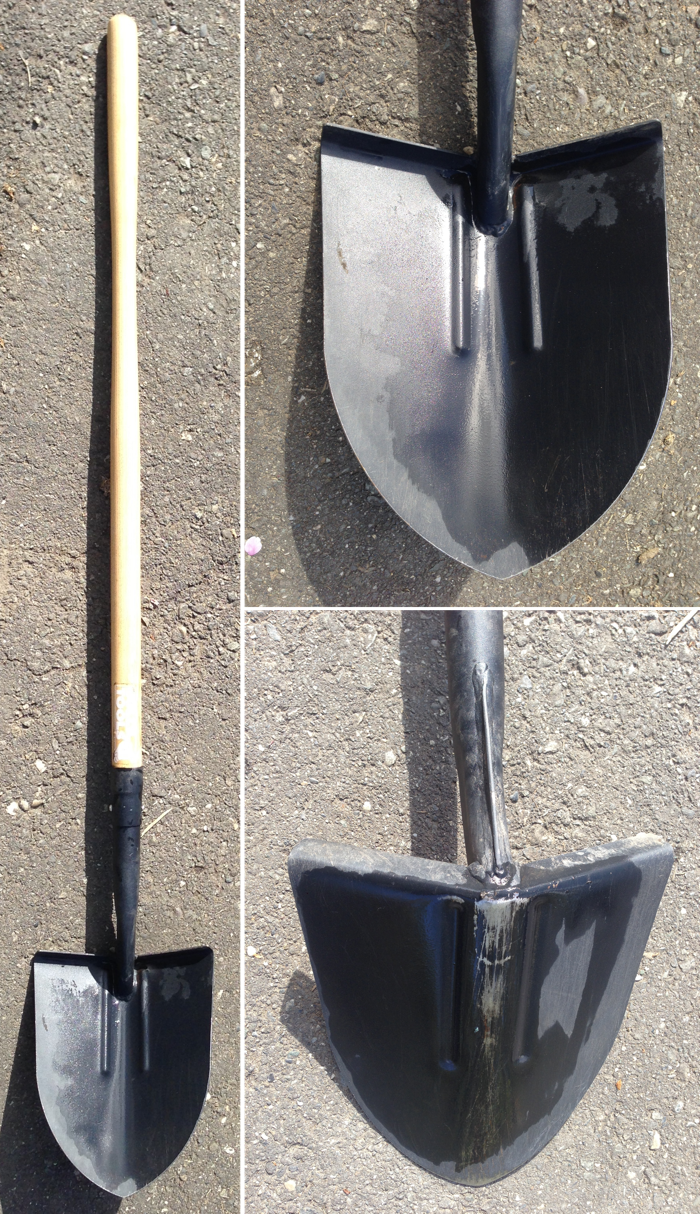
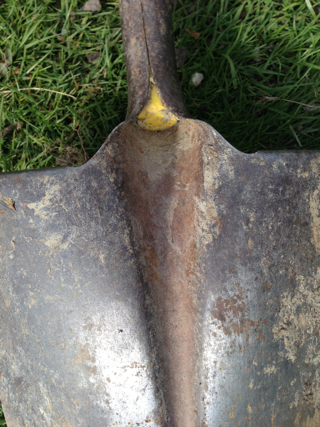
    Good tools are indispensable when it comes to farming. And this is especially true with hand tools. A few weeks ago I found a sturdy shovel made by Bully Tools of Steubenville, Ohio, where they make all their tools. What impressed me about the shovel is that the back of the shovel head is sealed. Most shovel heads are not sealed in the back so when you use them, dirt gets clogged between the handle and the head. And if you’re dealing with any clay, they are a pain to clean.

    Since the head of the Bully Tools shovel is sealed in the back, there is no place for dirt to clog, making cleaning a breeze. You can see in the photo of a regular shovel, how easy it is for dirt to build up on the back of the shovel head.

    The head is made of 14 gauge steel which means it is strong. The handles are made of ash. This is a shovel that last for years. Keep workers in Ohio employed. Make your next shovel a Bully Tools shovel.